Contents
Best Home Recording Gear Under $50: Real Picks That Actually Work
TL;DR: The best recording gear under $50 won’t give you a professional studio, but it will get you recording. The Behringer UM2 audio interface, an entry-level dynamic mic, and a pair of budget headphones are the three purchases that unlock everything — for under $50 total if you shop smart, or under $50 each if you prioritize.
What Can $50 Actually Buy You?
The honest answer: enough to start. A $50 audio interface alone gets signals from a microphone or guitar into your DAW cleanly. A $50 dynamic mic handles vocals and instruments. A $50 set of closed-back headphones lets you monitor without bleed. None of these will embarrass you on a demo or a podcast.
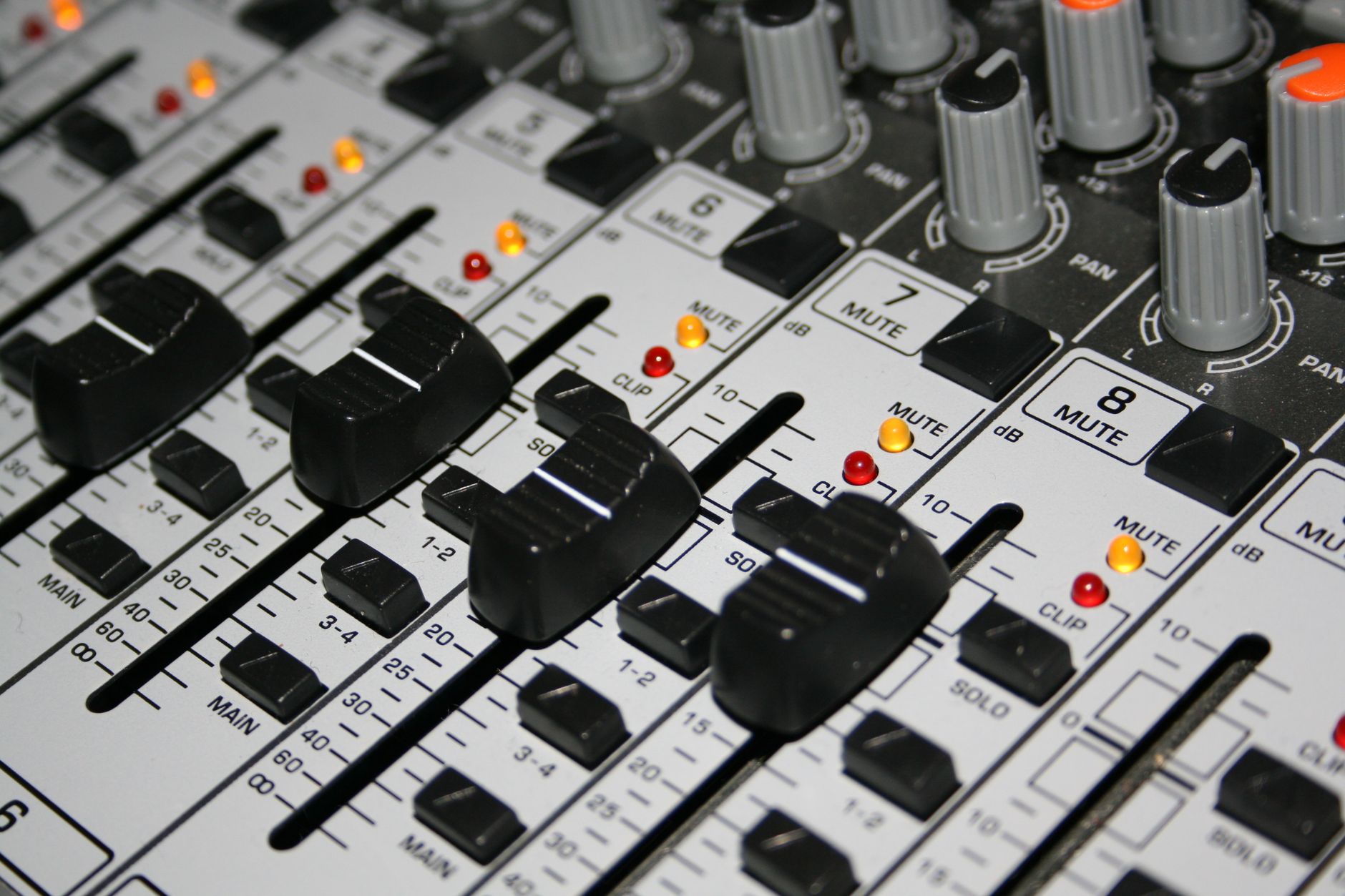
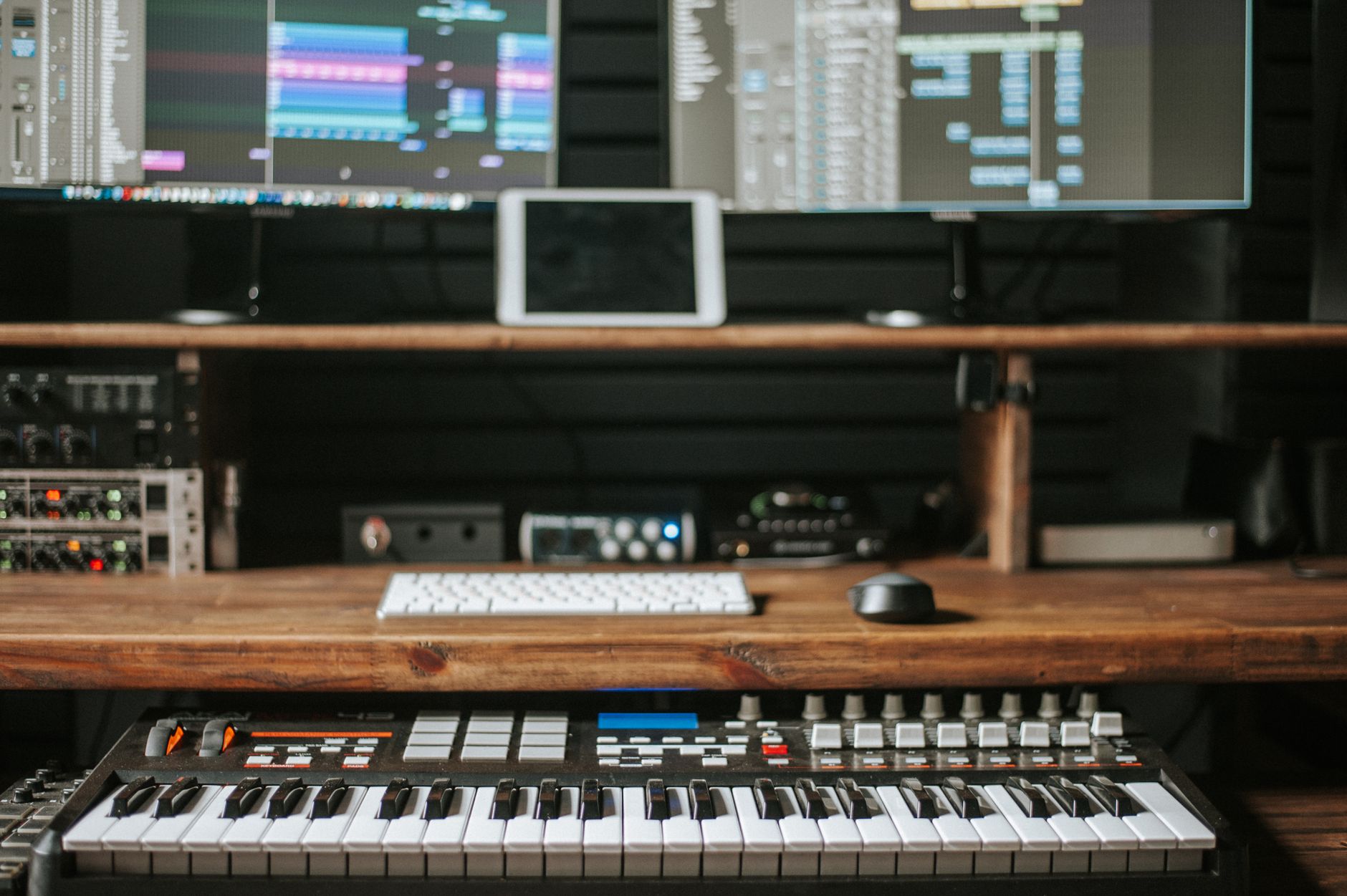 Photo: John Taran via Pexels
The gear in this guide was selected based on published specifications, documented user consensus across major recording forums, and long-standing community reputation. These aren’t secret finds — they’re the items that keep appearing in beginner threads because they work.
A note on expectations: best recording gear under $50 means real tradeoffs. Preamps will add some noise at high gain. Mic capsules won’t reject room noise the way a $300 condenser will. Budget headphones won’t give you a flat frequency response. None of that matters if the alternative is not recording at all.
Best Budget Audio Interface Under $50
The Behringer UM2 is the default recommendation at this price point. It ships with one combo XLR/TRS input with phantom power, a second instrument input, direct monitoring, and USB bus power. Published specs show 48kHz/16-bit operation and a claimed EIN of -129dBu — acceptable for entry-level vocal and acoustic recording. Street price sits around $30.
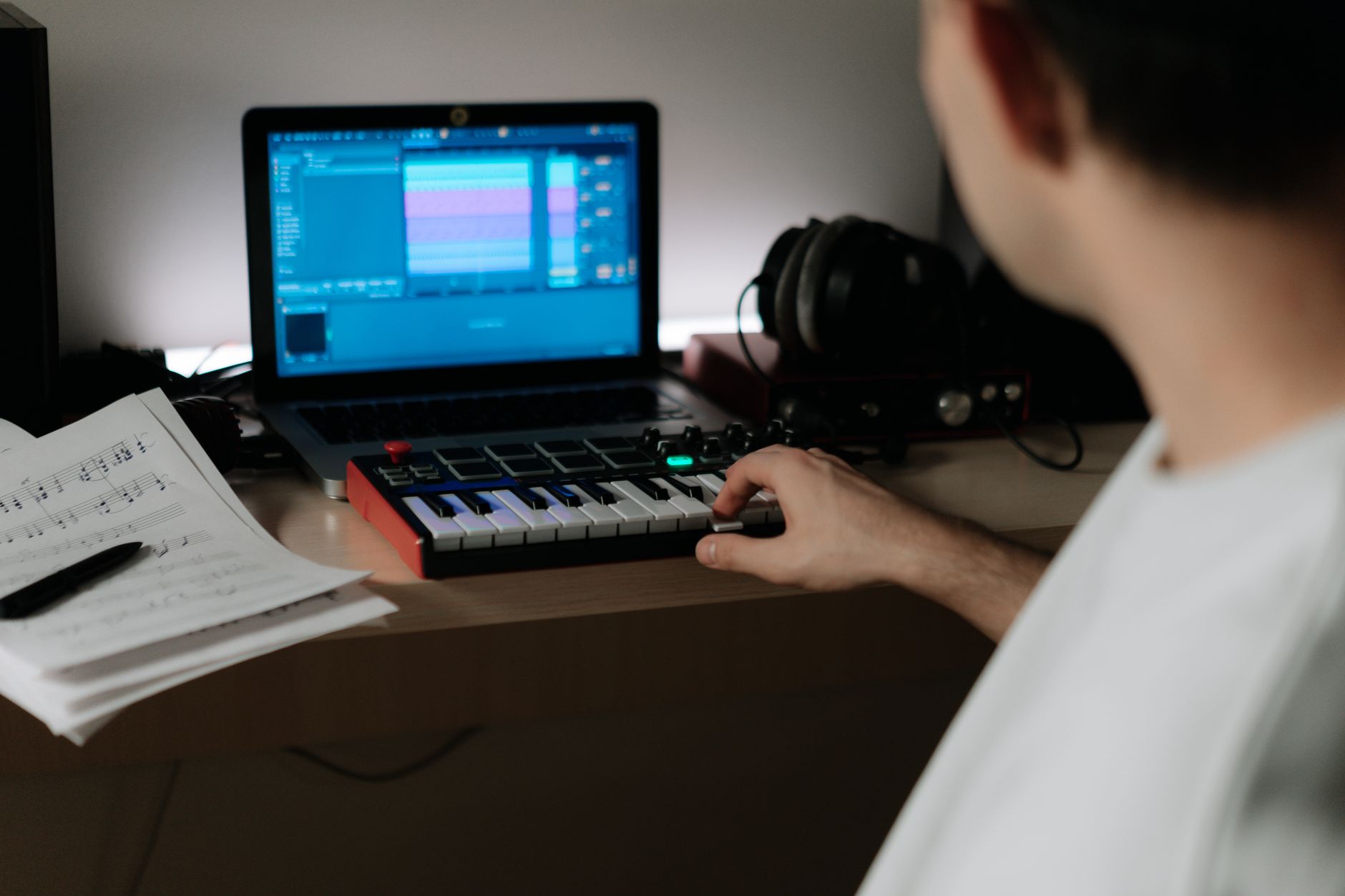
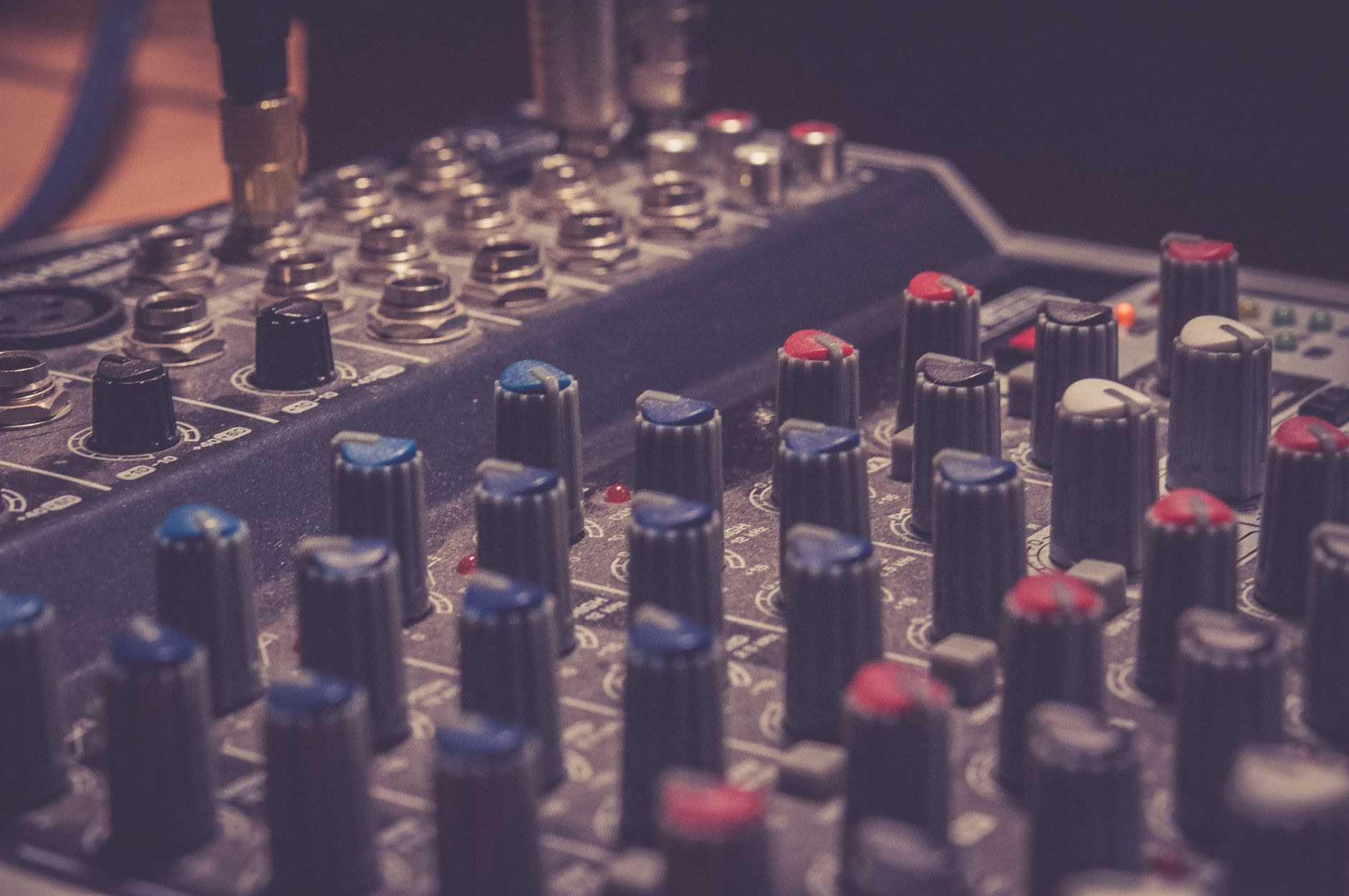 Photo: Hendrik B via Pexels
The UM2 has a well-documented driver history on Windows — older driver versions caused latency issues, but the current ASIO driver resolves this according to user reports spanning several years. On macOS and Linux it runs class-compliant with no driver install required.
If you find the UM2 out of stock, the Focusrite Scarlett Solo is the step up at $119 list but regularly discounts near the $50 ceiling on sale. Its Air mode and lower-noise preamp make it worth watching for deals if you’re patient.
UM2 vs. Alternatives
| Product | Price | Inputs | Phantom Power | Bus Power | Best For |
|---|---|---|---|---|---|
| Behringer UM2 | ~$30 | 1x XLR/TRS + 1x TS | Yes (48V) | Yes | First interface, vocals, guitar |
| Behringer UMC22 | ~$35 | 1x XLR/TRS + 1x TS | Yes (48V) | Yes | Marginal preamp improvement |
| M-Audio M-Track Solo | ~$50 | 1x XLR/TRS + 1x TS | Yes | Yes | Slightly cleaner monitoring |
The UM2 wins at the lowest price. The UMC22 and M-Track Solo offer incremental improvements that are difficult to hear at this quality tier.
Best Budget Dynamic Microphone Under $50
The Audio-Technica ATR2100x-USB and the Shure PGA48 are the two mics that dominate beginner recommendations at this price. The ATR2100x connects via both USB and XLR, making it the more versatile pick if you don’t yet own an interface. The PGA48 is XLR-only but benefits from Shure’s build quality and documented cardioid pattern for rejecting room noise.
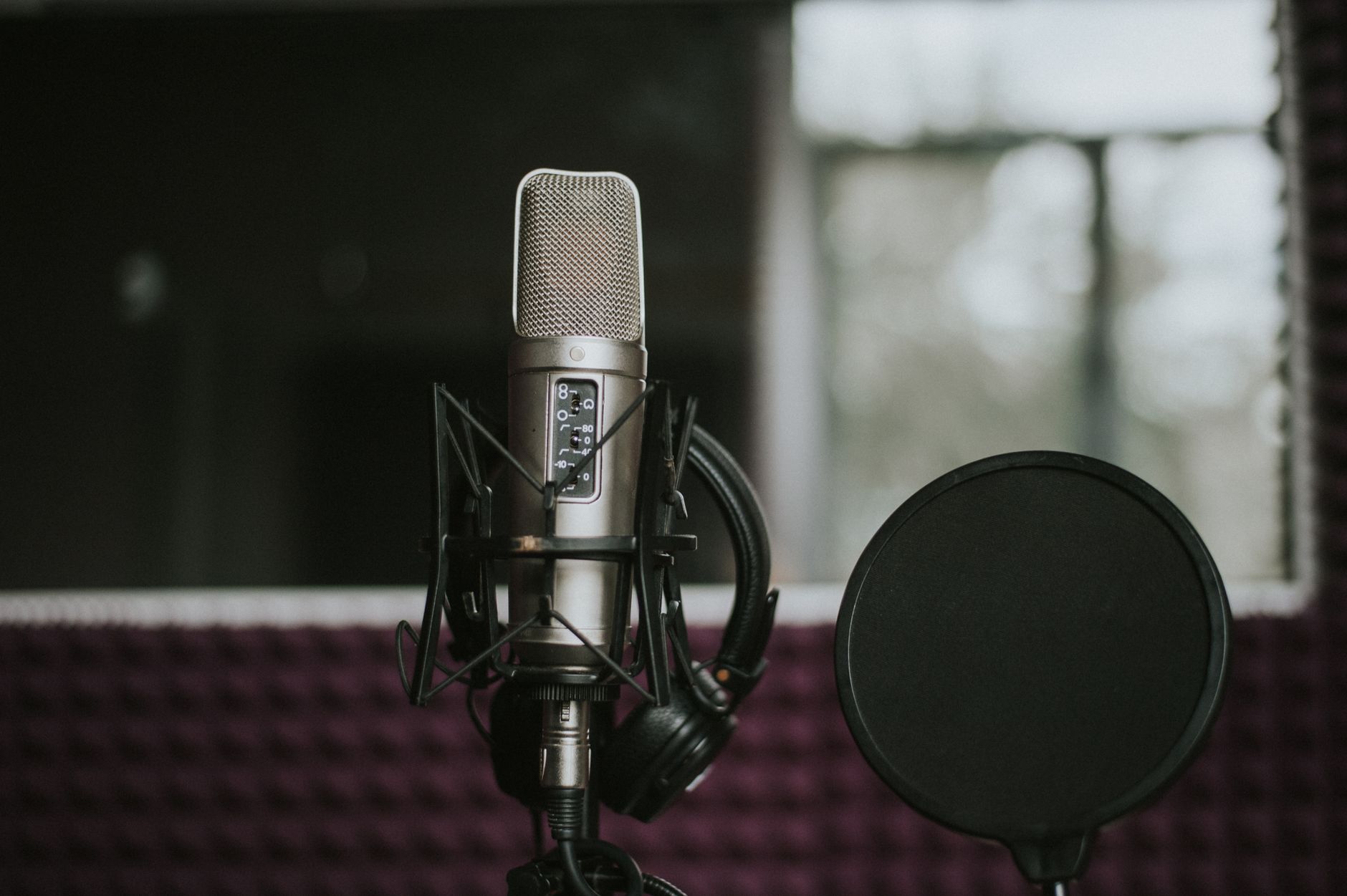
 Photo: Chelsey Horne via Pexels
Dynamic mics at this price point are the right choice for untreated rooms. Condensers are more sensitive — they’ll pick up your mic with more clarity, and your HVAC, traffic, and room reflections with equal clarity. A dynamic cardioid mic pointed at your mouth or instrument is forgiving of bad acoustics.
Microphone Specs
| Spec | ATR2100x-USB | Shure PGA48 |
|---|---|---|
| Connections | USB + XLR | XLR |
| Pattern | Cardioid | Cardioid |
| Frequency Response | 50Hz–15kHz | 50Hz–16kHz |
| SPL Handling | 144dB | Not published |
| Best For | Vocals, podcasting, no interface needed | Vocals, live use |
The ATR2100x-USB wins on flexibility. If you already own an interface, the PGA48’s build quality is hard to beat for the price.
The SM58 Question
The Shure SM58 is the industry-standard dynamic vocal mic at $99 list — occasionally found refurbished for under $50. If you find a genuine used SM58 at that price, buy it over anything else on this list. Documented performance data across decades of professional use makes it the most de-risked purchase in recording. Counterfeit SM58s are common on secondary markets; buy from authorized resellers only.
Best Budget Headphones Under $50
The Sony MDR-7506 sits at $99 list but remains the gold standard of reference headphones under $100. For strictly under $50, the Audio-Technica ATH-M20x is the most-cited choice: closed-back, 40mm drivers, and a frequency response of 15Hz–20kHz per published specifications. It’s used for tracking and rough mixing, not mastering.
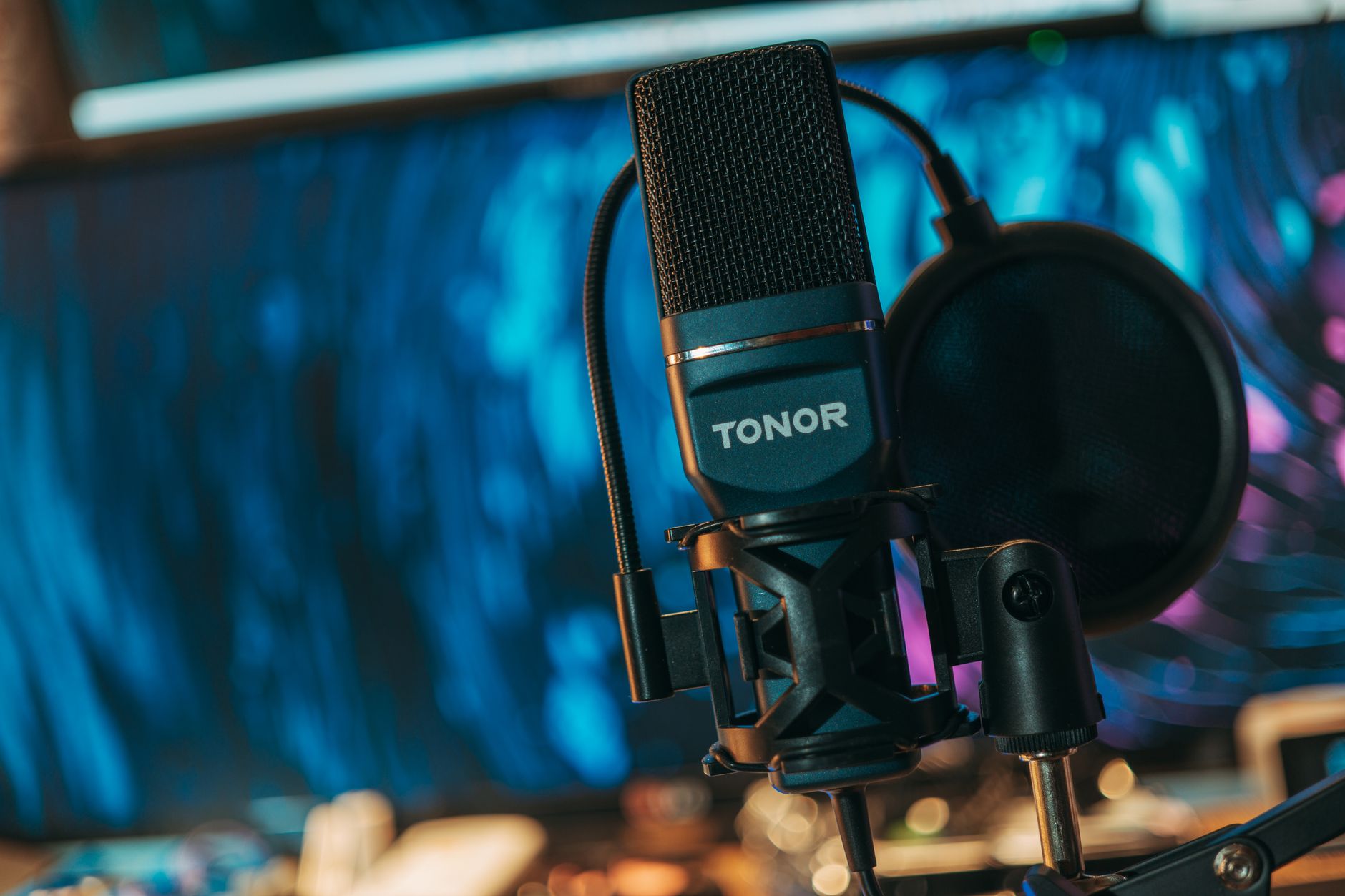
 Photo: alleksana via Pexels
For recording, closed-back is non-negotiable. Open-back headphones bleed into your mic during tracking. The ATH-M20x and similar closed-back designs in this range keep bleed manageable and give you enough isolation to hear what you’re recording without affecting the mic signal.
Headphone Comparison
| Product | Price | Type | Driver Size | Impedance | Best For |
|---|---|---|---|---|---|
| Audio-Technica ATH-M20x | ~$49 | Closed-back | 40mm | 47Ω | Tracking, beginner monitoring |
| Samson SR850 | ~$35 | Semi-open | 50mm | 32Ω | Mixing reference, not tracking |
| Behringer BH470 | ~$29 | Closed-back | 40mm | 32Ω | Absolute budget tracking |
The Samson SR850 gets frequent praise for its semi-open soundstage, making it useful for mixing reference. It’s not a tracking headphone — bleed will be audible. Use it for mixing; use the ATH-M20x or BH470 when a mic is open.
Best Budget Accessories Under $50
Accessories are where many beginners waste money and where you can recover it. A pop filter, a mic stand, and a set of cables are mandatory purchases — and none of them need to cost more than $10–$15 each. Total accessory spend under $30 is achievable without sacrificing functionality.
Pop Filter
The Aokeo AK-35 and similar two-layer nylon pop filters from Amazon are functionally identical to filters costing 5× more. Published acoustic data on pop filter designs shows the nylon mesh construction does the work — the brand doesn’t. Budget $8–$12.
Mic Stand
A desktop boom stand handles most home-recording scenarios. The On-Stage DS7200B is the most-cited durable option at around $20. Cheaper stands exist, but user reports consistently note instability and thread-stripping at the sub-$15 tier. One solid stand at $20 beats replacing a flimsy one twice.
XLR Cables
The cable doesn’t color your signal at home-recording distances (under 15 feet). Buy a no-name balanced XLR at $8–$10, not a $40 “audiophile” cable. The one exception: avoid the absolute cheapest cables with no strain relief — connector failure is the primary point of failure according to user reports, not the wire itself.
Budget Acoustic Treatment
Acoustic foam panels from brands like Foamily run $20–$30 for a six-pack and demonstrably reduce flutter echo in untreated rooms per documented room acoustics principles. They don’t replace proper bass trapping — corner frequencies below ~300Hz require mass, not foam — but for vocal recording, reducing flutter echo in the reflection zone behind and beside your mic matters.
Complete $50 Starter Kits by Use Case
For Vocals / Podcasting (No Interface Yet)
| Item | Product | Price |
|---|---|---|
| USB Mic | Audio-Technica ATR2100x-USB | ~$49 |
| Pop Filter | Aokeo AK-35 | ~$9 |
| Total | ~$58 |
This gets you recording into any DAW today. Add a stand if you don’t want to handheld the mic.
For Guitar / Instrument Recording
| Item | Product | Price |
|---|---|---|
| Audio Interface | Behringer UM2 | ~$30 |
| XLR Cable | Generic balanced XLR | ~$9 |
| Headphones | Behringer BH470 | ~$29 |
| Total | ~$68 |
One $10 sacrifice (skip the cable, use your existing headphones) gets this under $50.
Absolute Minimum to Record Anything
| Item | Product | Price |
|---|---|---|
| USB Mic | Audio-Technica ATR2100x-USB | ~$49 |
| Total | ~$49 |
The ATR2100x-USB goes directly into your computer’s USB port and works with free DAWs (GarageBand, Audacity, Reaper in trial mode). This is the one-purchase path to recording.
Gear Review: Behringer UM2
Specifications
| Spec | Detail |
|---|---|
| Connections | 1x XLR/TRS combo, 1x TS instrument, 2x RCA output |
| I/O Count | 2-in / 2-out |
| Preamps | 1x XENYX (XLR input) |
| Bit Depth / Sample Rate | 16-bit / 48kHz |
| Bus Power | Yes (USB) |
| Best For | Vocals, acoustic guitar, podcasting, first interface |
Verdict by User Archetype
First-time beginner: Buy it. At $30 it removes every barrier — XLR phantom power, USB bus power, direct monitoring, and a gain knob. You will outgrow it, but not before you know whether recording is worth investing more in.
Bedroom producer: Acceptable as a second interface or scratch device. The preamp noise floor is audible at high gain. If you’re tracking vocals at high gain or recording very quiet instruments, this will be a limiting factor.
Gigging musician: Not a gigging device. No rugged chassis, no live I/O configuration. Use it at home only.
Prosumer: Skip it. The Focusrite Scarlett 2i2 at $119 is the clear next step with significantly better preamps, lower latency drivers, and a two-year track record of driver stability across platforms per user consensus.
→ See also:
- The Complete Budget Home Studio Guide (2026) — full room-to-room setup walkthrough
- Cheapest Way to Start Recording Music — single-purchase paths for each instrument type
- Best Home Recording Gear Under $100 — the next tier up, with step-up preamps and condensers
FAQ
Can I record professional-quality audio with gear under $50? “Professional quality” depends on the application. Podcast producers, singer-songwriters, and voiceover artists consistently publish commercial-quality work using gear at this price point. The limits show in high-gain scenarios, dense mix work, and comparison to studio-tracked recordings — but for the output most home-recording setups target, $50 gear is not the bottleneck. Room acoustics almost always are.
Do I need an audio interface if I buy a USB microphone? No. A USB microphone like the ATR2100x-USB connects directly to your computer and bypasses the need for a separate interface. The tradeoff: you can only record one source at a time, and you can’t plug in a guitar or second mic simultaneously. An interface becomes necessary when you need to record multiple inputs or connect XLR-only gear.
Is the Behringer UM2 reliable enough for regular use? According to long-running community discussion across Reddit’s r/homerecording and Gearslutz (now Gearspace), the UM2’s hardware is generally reliable — the primary reported failure point is driver stability on older Windows versions, which current drivers address. Build quality is plastic and light, which user reports describe as functional rather than durable under heavy physical use.
What free DAW should I use with budget gear under $50? GarageBand (Mac/iOS, free) is the most beginner-accessible option with a complete feature set for tracking and basic mixing. Audacity (Windows/Mac/Linux, free) covers recording and editing without MIDI or virtual instruments. Reaper ($60 license, indefinite free trial) is the most capable free-to-try option and is widely used professionally — its learning curve is steeper but it scales further than either alternative.
Should I buy a condenser or dynamic mic at this price point? Dynamic mic, almost always. Condensers at the sub-$50 price point (e.g., the Fifine K669) are built to a cost that often shows in self-noise and off-axis coloration. More importantly, condensers require treated acoustic environments to sound their best — they’ll pick up your room as faithfully as your voice. A dynamic cardioid like the PGA48 is more forgiving of reflective rooms and gives you a usable result before you’ve addressed acoustics.
What’s the one best recording gear under $50 purchase for a complete beginner? The Audio-Technica ATR2100x-USB. It’s a single purchase that plugs into any computer via USB, includes an XLR output for later when you buy an interface, and is backed by years of positive user consensus in the podcasting and home-recording communities. If you can only spend $50, spend it here.
Editorial methodology: Assessments are based on manufacturer specifications, published user reviews, and editorial research. Physical hands-on testing is noted explicitly where it occurred. Rankings reflect our editorial judgment and are not influenced by affiliate commission rates. Full editorial policy · Affiliate disclosure