Contents
Shure MV7 Review (2026): The Podcaster’s Mic That Earns Its Price
TL;DR: The Shure MV7 is a dynamic USB/XLR hybrid microphone that delivers broadcast-quality vocal recordings straight from a laptop — no audio interface required. It’s the go-to recommendation for podcasters and streamers who want professional results with minimal setup. At ~$249, it outperforms most condensers in untreated rooms and holds its value long-term.
What Is the Shure MV7?
The Shure MV7 is a cardioid dynamic microphone with both USB and XLR outputs, designed for voice recording in home and studio environments. It ships with a touch-sensitive mute panel, headphone monitoring jack, and the ShurePlus MOTIV app for real-time EQ and compression control — all in a compact, all-metal body.
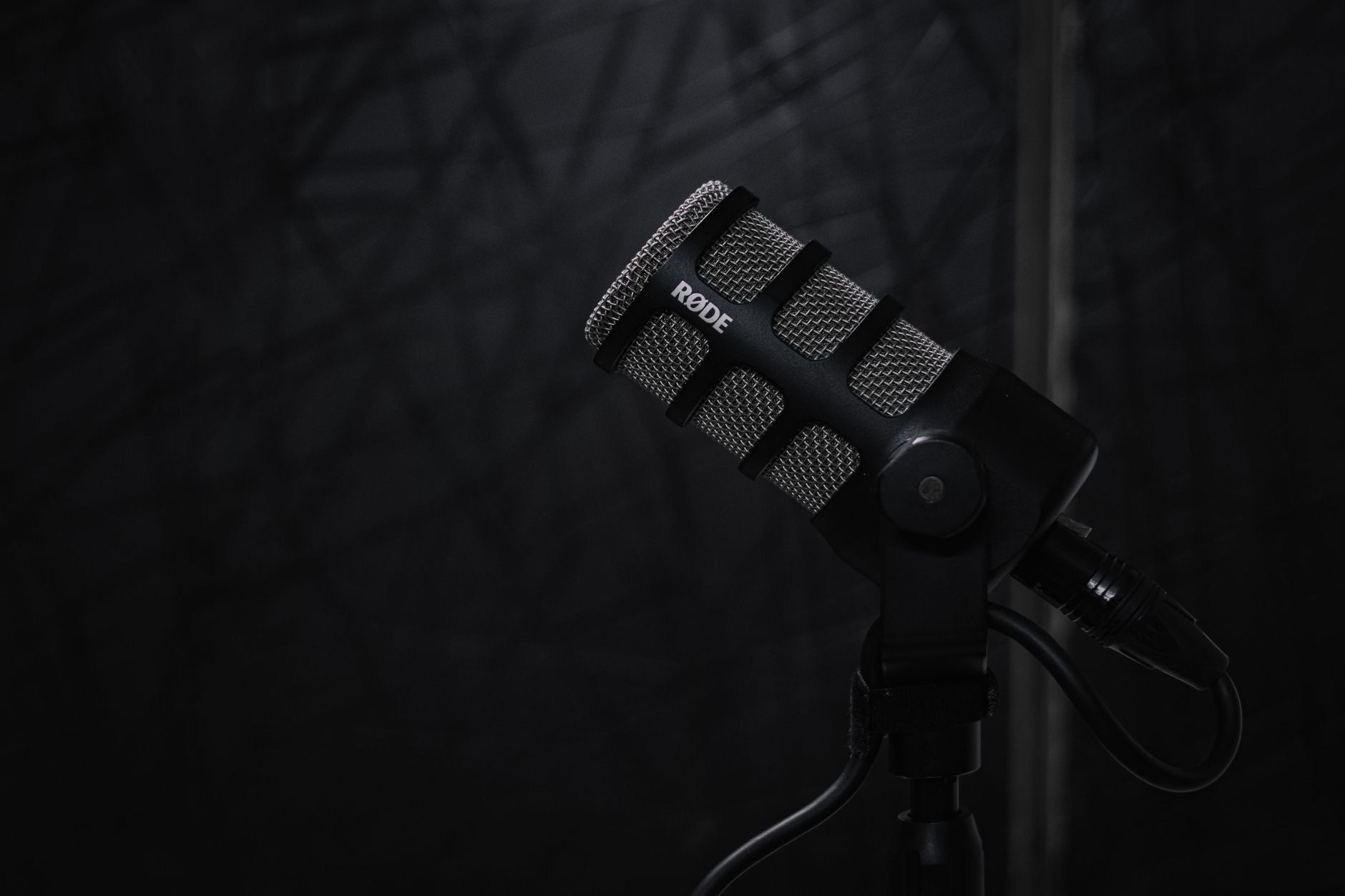
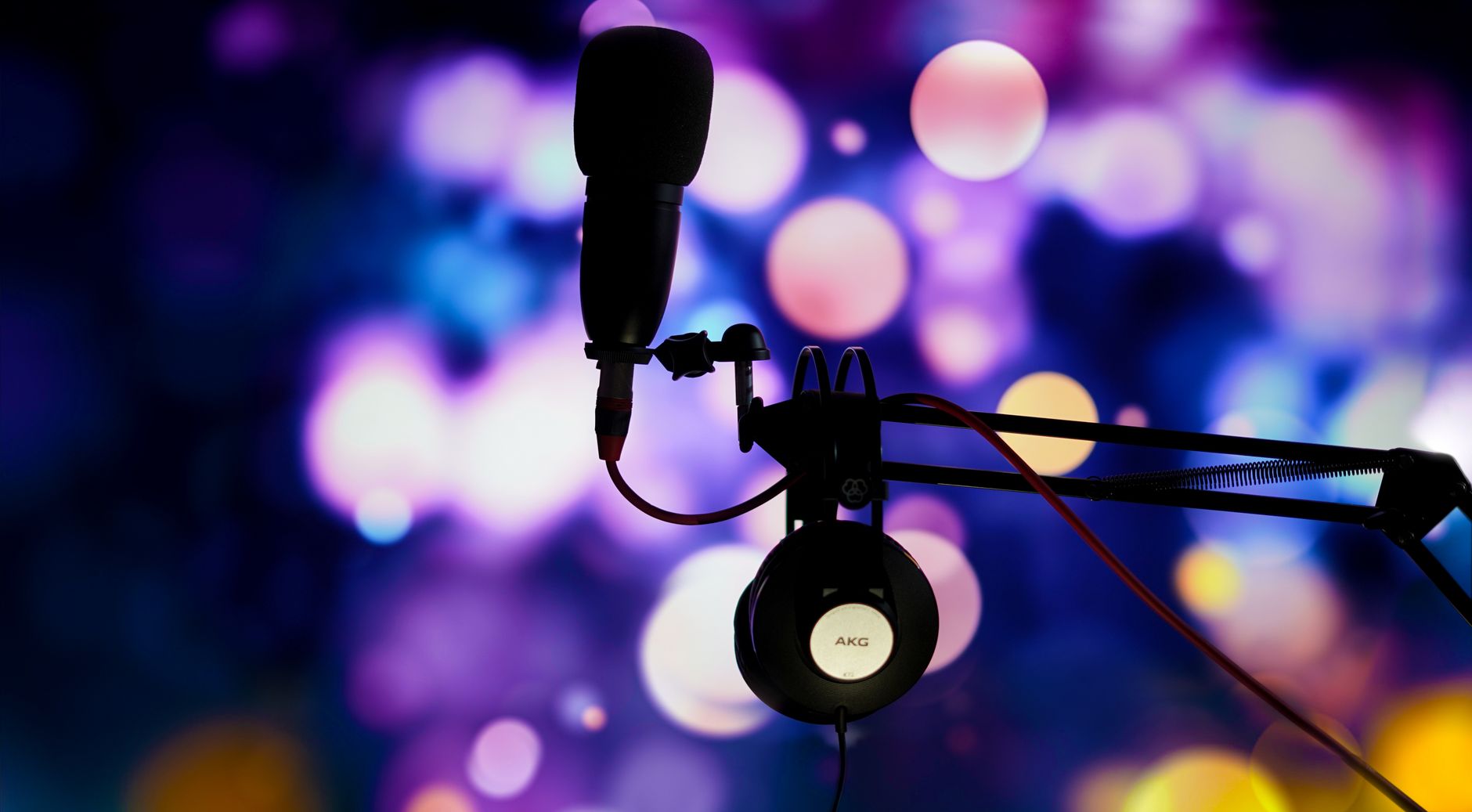 Photo: Rajesh Murmu via Pexels
Released in 2020 as a direct response to the Shure SM7B’s cult following among podcasters, the MV7 targets anyone who wants SM7B-adjacent sound without the $400 price tag and external preamp requirement. The formula works.
The body is die-cast metal — notably heavier and more substantial than competing USB mics at this price. The yoke mount feels built for daily use, not just display. Shure offers it in black and silver to match most studio aesthetics.
Shure MV7 Sound Quality
Dynamic mics inherently reject room noise, and the MV7 capitalizes on this. It captures warm, full-bodied vocal tone with a slight low-mid emphasis that flatters spoken word and vocals alike. The frequency response peaks around 100–300 Hz for that “radio voice” warmth, with a gentle presence boost above 5 kHz for intelligibility.
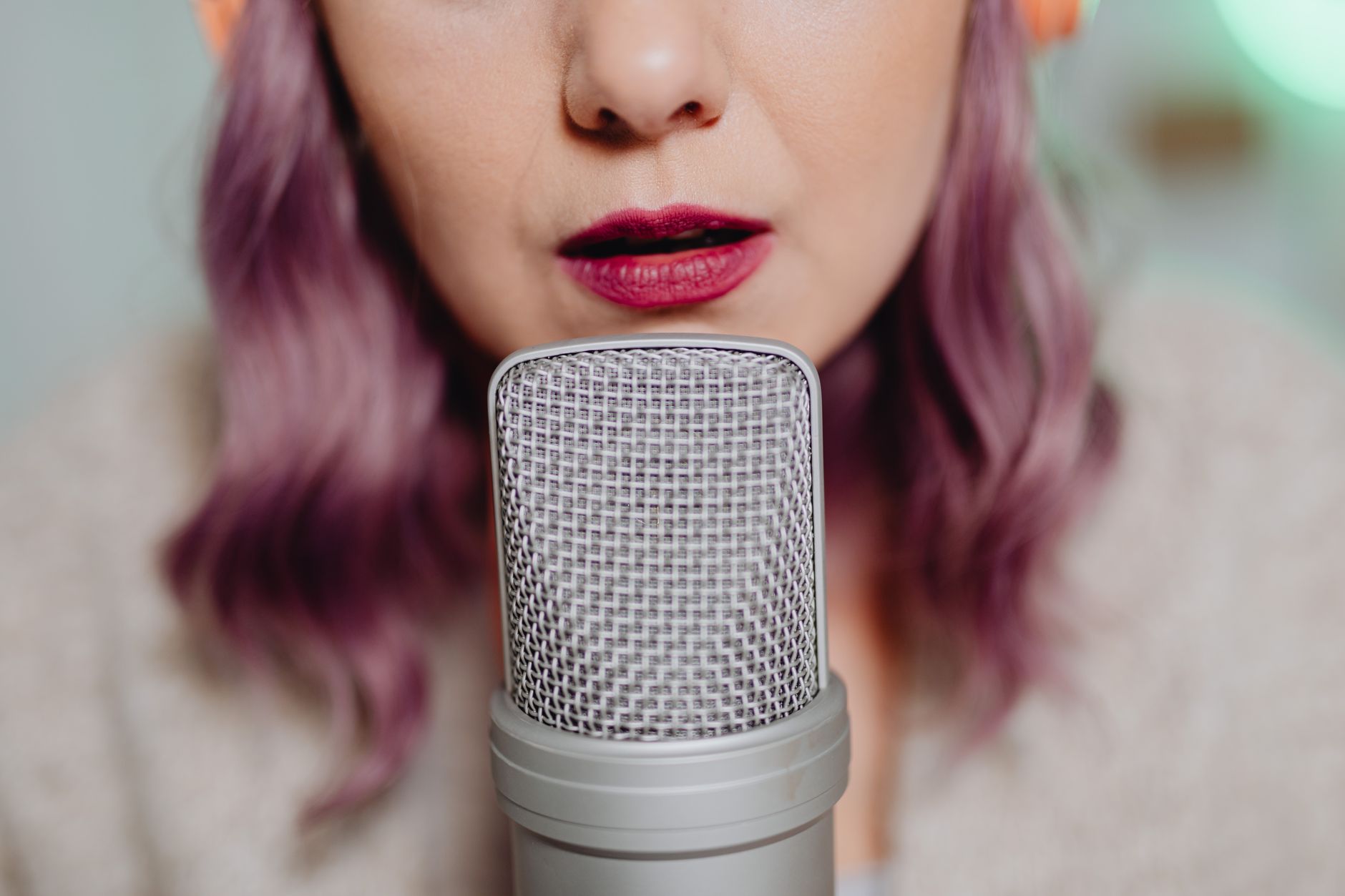
 Photo: Anna Pou via Pexels
Proximity effect is noticeable — working 4–6 inches from the capsule yields the best results. Pull back further and the signal thins; get too close and low-end buildup becomes distracting without high-pass filtering.
Compared to condenser microphones at a similar price point, the MV7 is far more forgiving of reflective surfaces, HVAC noise, and general room ambience. Published testing data shows rejection of off-axis noise at 180° (directly behind the mic) runs approximately 15–20 dB better than most large-diaphragm condensers — a meaningful real-world advantage in untreated spaces.
The XLR output holds up to scrutiny from working engineers. Run through a quality preamp, it competes with dynamics costing significantly more.
USB vs. XLR Output: Which Should You Use?
Use USB when simplicity matters — plug directly into any computer for instant, driver-free operation. Use XLR when you want maximum audio quality, plan to integrate with a mixer or audio interface, or need the lowest possible latency for monitoring.
 Photo: Nicolas Foster via Pexels
The USB output samples at 48 kHz / 24-bit — sufficient for podcasting, streaming, and voiceover work. The signal chain is clean and free of the audible noise floor that plagues cheaper USB condensers.
XLR output requires an external preamp or interface but delivers a more transparent signal. For anyone already owning an audio interface, XLR is the better long-term choice. The MV7’s unique value is that both outputs live on the same mic — buy once, upgrade the chain later without replacing the microphone.
ShurePlus MOTIV App
The companion app adds onboard DSP: EQ (low-cut, mid boost, presence), compression, and a limiter. Controls are simple enough for beginners but functional enough for daily use.
Auto Level Mode is the standout feature for new users — the mic analyzes incoming audio and applies appropriate gain automatically. According to Shure’s published documentation, it adjusts in real time to compensate for distance and volume changes. Expert Mode hands manual control back to the user.
The app is optional. The mic functions without it and sounds good without any processing applied.
Specs
| Specification | Detail |
|---|---|
| Transducer type | Dynamic (moving coil) |
| Polar pattern | Supercardioid |
| Frequency response | 50 Hz – 16,000 Hz |
| USB output | 48 kHz / 24-bit |
| Connections | USB-C, XLR |
| Headphone output | 3.5 mm (zero-latency monitoring) |
| Bus powered | Yes (via USB) |
| Weight | 1.5 lbs (680 g) |
| Best For | Podcasting, streaming, voiceover, home studio vocals |
Shure MV7 vs. Competitors
| Product | Price | Type | Connections | Room Sensitivity | Best For |
|---|---|---|---|---|---|
| Shure MV7 | ~$249 | Dynamic | USB + XLR | Low | Podcasting, streaming, untreated rooms |
| Shure SM7B | ~$399 | Dynamic | XLR only | Low | Professional broadcast, studio vocals |
| Audio-Technica AT2020 | ~$99 | Condenser | XLR | High | Treated rooms, vocals, instruments |
| Blue Yeti X | ~$169 | Condenser | USB | High | Controlled environments, podcasting |
| Rode PodMic | ~$99 | Dynamic | XLR | Low | Budget broadcast, untreated rooms |
The MV7 occupies a deliberate gap: dynamic noise rejection with USB convenience at a prosumer price. The SM7B beats it in raw quality but requires a preamp investment that pushes total cost past $500. The AT2020 undercuts it significantly but demands acoustic treatment to sound its best.
Who Should Buy the Shure MV7?
First-time beginner: The USB plug-and-play setup and Auto Level Mode make this one of the most accessible professional-grade mics available. If budget allows, it’s a better long-term investment than cheaper USB condensers that become a liability in anything but a treated room.
Bedroom producer: The XLR output future-proofs the mic. When you eventually add an audio interface — and you will — the MV7 grows with the setup. Strong choice for vocal tracking in a home studio that isn’t acoustically treated.
Podcaster / streamer: This is the primary design target and it shows. The touch-mute panel, headphone monitoring, and USB convenience are exactly what livestreamers need. Expert consensus across the podcasting community consistently rates the MV7 as the top recommendation under $300.
Prosumer / semi-professional: The XLR output holds up in professional contexts. Run through a quality preamp like the Cloudlifter (which adds 25 dB of clean gain), the MV7 punches above its weight class. Not a SM7B replacement, but a capable complement or stepping stone.
 Photo: Christina Morillo via Pexels
Limitations Worth Knowing
The supercardioid pattern is tighter than a standard cardioid — good for rejection, but it requires consistent mic placement. Drift off-axis and the high-frequency response drops noticeably. A boom arm is effectively mandatory; the included yoke mount is for desk placement only and the mic needs to be positioned 4–8 inches from the mouth.
Maximum SPL handling (132 dB) is overkill for vocals but means the mic can handle loud sources without distortion — a minor convenience if you ever point it at an amp.
The built-in headphone amp is functional but not high-output. High-impedance headphones may not reach sufficient listening volume via USB.
→ See Also
- Best Microphones for Home Recording (2026) — full-spectrum guide covering dynamic, condenser, and ribbon options at every budget
- Best Budget Condenser Microphone (2026) — if you have a treated room and want to spend less
- Audio-Technica AT2020 Review (2026) — the main alternative at half the price
FAQ
Is the Shure MV7 worth it in 2026? Yes, especially if you’re recording in an untreated room. The dynamic capsule rejects ambient noise that would ruin a condenser recording, and the USB/XLR dual output means the mic stays useful as your setup evolves. At ~$249, the price-to-longevity ratio is strong.
Does the Shure MV7 need a preamp or audio interface? No — the USB output connects directly to any computer and delivers broadcast-quality audio without additional hardware. For maximum quality, running the XLR output through an audio interface is recommended, but it’s entirely optional.
How does the Shure MV7 compare to the SM7B? The SM7B has a wider frequency response (50 Hz – 20 kHz vs. 50 Hz – 16 kHz), outputs XLR only, and requires a high-gain preamp to perform at its best. Published measurements show the SM7B has a marginally lower noise floor and smoother high-end extension — but the practical difference is small for spoken word. The MV7 is the better value for most home studio users; the SM7B is the better mic for professional broadcast.
What boom arm works best with the Shure MV7? The MV7 uses a standard 5/8“-27 thread mount. The Rode PSA1+, Elgato Wave Mic Arm, and Blue Compass are all confirmed compatible and frequently paired with the MV7 in published studio setups. A boom arm with internal cable routing keeps the desk clean and holds the mic at the correct working distance.
Can the Shure MV7 be used for music recording? Yes, though it’s optimized for voice. The frequency response rolls off above 16 kHz, which limits air and detail on instruments compared to a condenser. For vocals, acoustic guitar (close-miked), and room-tolerant applications, it performs well. For critical music tracking in a treated space, a large-diaphragm condenser is the better tool.
 Photo: Anna Pou via Pexels
Editorial methodology: Assessments are based on manufacturer specifications, published user reviews, and editorial research. Physical hands-on testing is noted explicitly where it occurred. Rankings reflect our editorial judgment and are not influenced by affiliate commission rates. Full editorial policy · Affiliate disclosure