Contents
AKG P220 Review (2026): Still Worth It?
TL;DR: The AKG P220 is a large-diaphragm condenser that punches above its price bracket for vocals and acoustic instruments in treated rooms. It’s not the flattest mic on the market, but its slight presence lift and tight cardioid pattern make it a strong pick for home studios on a budget. If you need a versatile single mic under $200, this one earns serious consideration.
AKG P220 Review: What You’re Actually Getting
The P220 is a large-diaphragm condenser with a fixed cardioid pattern, a 20 dB pad, and a high-pass filter — built around a 1-inch gold-sputtered capsule. At street price around $150–$180, it competes directly with the Audio-Technica AT2020 and Rode NT1 in the budget condenser segment.
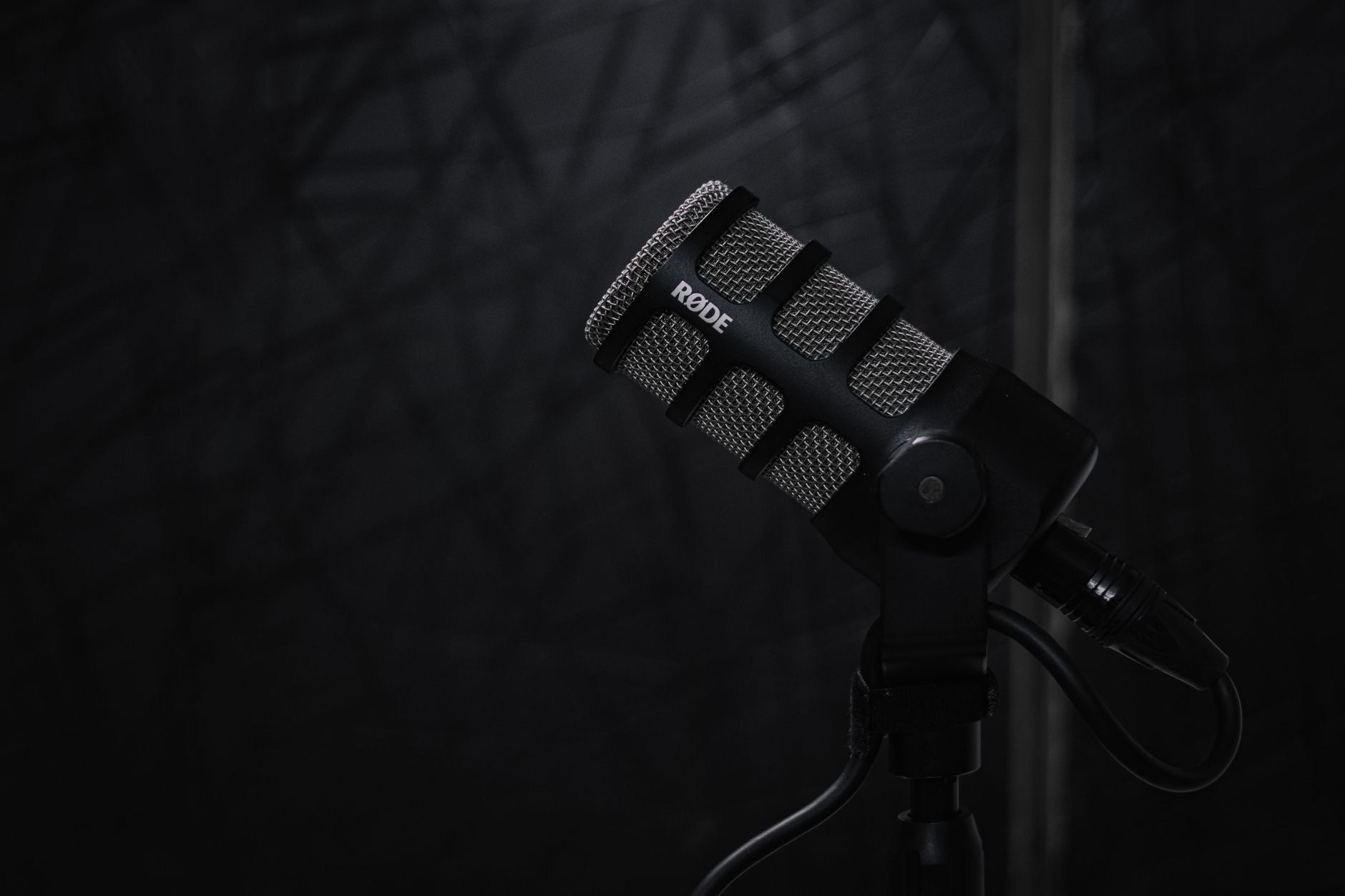
 Photo: Alpha En via Pexels
AKG positions this as an entry-level professional mic, and the build quality backs that claim. The all-metal body is solid, the satin nickel finish resists fingerprints, and the included shock mount and protective case are actually useful — not the afterthought accessories you often get at this price. The P220 ships with 48V phantom power requirement, standard for any large-diaphragm condenser.
Frequency response spans 20 Hz to 20 kHz, with a gentle presence boost centered around 8–12 kHz. That lift adds air and definition to vocals without turning harsh on well-controlled sources. The low-end rolls off naturally below 100 Hz in flat mode, and the switchable 80 Hz high-pass filter handles room rumble and proximity effect when you’re close-miking.
The 20 dB pad extends usefulness to loud sources — brass, loud electric guitar cabinets, and high-SPL acoustic instruments all stay within the mic’s 155 dB SPL handling (with pad engaged). Self-noise at 16 dB(A) is acceptable but not class-leading. For quiet acoustic sources in less-treated rooms, that self-noise floor starts becoming audible; the Rode NT1 (7 dB(A)) is meaningfully quieter if that’s your primary use case.
Sound Character: Where It Works, Where It Doesn’t
Vocals are where the P220 makes its clearest case. The presence bump sits in the intelligibility zone — consonants cut through dense mixes, and the upper midrange stays controlled enough that a competent vocalist won’t need heavy EQ correction post-recording.
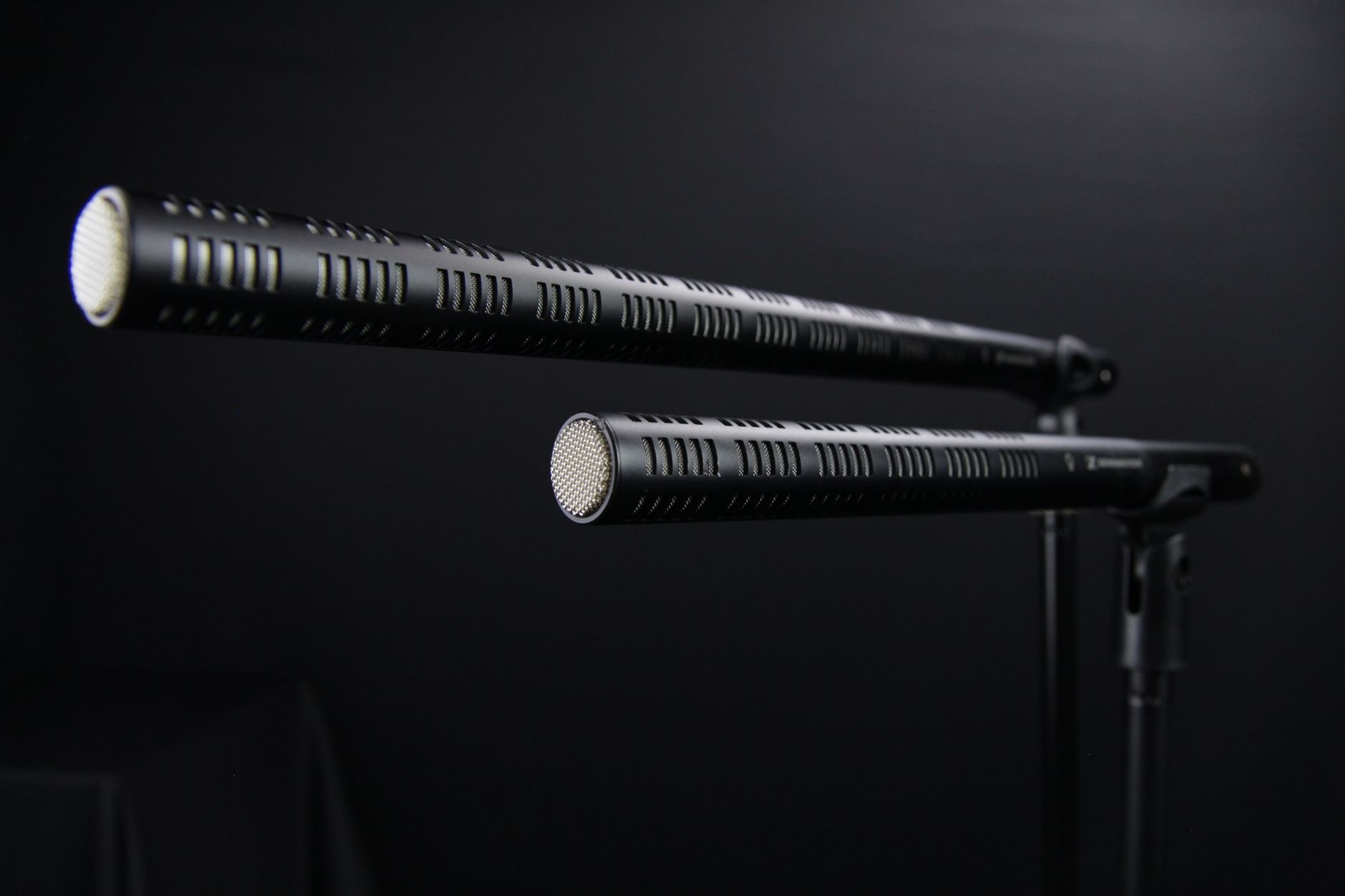
 Photo: cottonbro studio via Pexels
Based on documented frequency response curves published by AKG, the P220 shows a slight dip around 3–4 kHz before the presence peak, which actually flatters many voices by avoiding the harsh “honk” region. For lead vocals in pop, indie, or acoustic singer-songwriter work, this translates to recordings that sit naturally in a mix.
Acoustic guitar tells a more nuanced story. Placed 12–18 inches from the 12th fret, the P220 captures solid fundamental warmth with enough high-frequency detail for fingerpicking. Strummed chords can get slightly aggressive if you’re close-miking without the pad, but pulling back and using the high-pass filter largely solves it.
Where it struggles: room reflections. The cardioid pattern is reasonably tight, but 16 dB(A) self-noise means you need a treated space or you’ll hear your room breathing in the background. Voice-over artists who record in untreated environments consistently report needing significant noise reduction in post — according to user reviews across major audio forums.
It’s not the right tool for drum overheads (no matched pair, no figure-8 option) or ribbon-sensitive applications. That’s not a criticism — it’s just not designed for those tasks.
Specs
| Feature | Detail |
|---|---|
| Capsule | 1“ gold-sputtered large diaphragm |
| Polar Pattern | Fixed cardioid |
| Frequency Response | 20 Hz – 20 kHz |
| Sensitivity | –33 dBV/Pa (22 mV/Pa) |
| Equivalent Noise | 16 dB(A) |
| Max SPL | 135 dB (155 dB with pad) |
| Dynamic Range | 139 dB (with pad) |
| Pad | –20 dB switchable |
| High-Pass Filter | 80 Hz switchable |
| Power Requirement | 48V phantom |
| Connection | XLR |
| Weight | 335 g |
| Included | Shock mount, protective case |
AKG P220 vs. The Competition
| Microphone | Street Price | Self-Noise | Polar Patterns | Best For | Verdict |
|---|---|---|---|---|---|
| AKG P220 | ~$150–$180 | 16 dB(A) | Cardioid only | Vocals, acoustic guitar | Strong budget option, good presence lift |
| Audio-Technica AT2020 | ~$99–$129 | 20 dB(A) | Cardioid only | Vocals, broadcast, streaming | Better value at entry level; less refined top-end |
| Rode NT1 (5th gen) | ~$199–$249 | 7 dB(A) | Cardioid only | Quiet acoustic sources, vocals | Best-in-class noise floor for the price bracket |
| Shure SM7dB | ~$399 | 16 dB(A) | Cardioid only | Broadcast, spoken word | Dynamic, not condenser; different use case |
| AKG C214 | ~$299–$349 | 13 dB(A) | Cardioid (switchable patterns on C414) | Professional tracking | Step up in quality, worth the extra spend |
 Photo: Lucas Pezeta via Pexels
The AT2020 undercuts it on price and is the safer choice if budget is the only variable. The NT1 is the better microphone by measurable specs — lower noise, flatter response — but costs $50–$70 more. The P220 sits in an awkward middle position unless you value the AKG character and the included accessories.
Who Should Buy the AKG P220?
The P220 makes the most sense for a bedroom producer who’s outgrown a USB mic and needs a first XLR condenser that won’t require immediate replacement. Its presence lift helps vocals cut through beats without a surgical EQ pass, and the included shock mount and case lower the real total cost of ownership.
 Photo: John Taran via Pexels
First-Time Beginner
A reasonable first XLR mic if you already have phantom power via an audio interface. The shock mount inclusion removes one purchase. Understand you’ll need acoustic treatment; the 16 dB(A) self-noise is unforgiving in live rooms.
Bedroom Producer
Solid choice for recording your own vocals, acoustic guitar, and occasional spoken word. The presence lift suits modern pop and hip-hop vocal styles. Pair it with a focusrite Scarlett or similar and you have a clean, complete recording chain.
Gigging Musician
Not a gigging mic. Fixed cardioid, condenser design, and fragile capsule make it unsuitable for live use. The Shure SM58 exists for a reason.
Prosumer / Serious Home Recordist
The C214 or NT1 represent a meaningful quality step for $50–$150 more. At this level, that difference in self-noise and transient response becomes audible in the final product. The P220 is a capable tool; it’s just not the ceiling you’d want to stop at.
→ See Also
- Best Microphones for Home Recording (2026) — full buying guide covering every budget
- Best Budget Condenser Microphone (2026) — if the P220 is still over budget
- Audio-Technica AT2020 Review (2026) — the P220’s closest competitor reviewed
FAQ
Is the AKG P220 good for vocals? Yes, particularly for home studios with some acoustic treatment. The presence boost around 8–12 kHz adds definition and air to vocals without harshness on most voice types. Published frequency response data confirms the character suits pop, indie, and acoustic genres well.
Does the AKG P220 need phantom power? Yes — it requires 48V phantom power, standard on any audio interface with XLR inputs. It will not function without it. Most modern interfaces (Focusrite Scarlett, PreSonus AudioBox, Universal Audio Volt) provide phantom power on all XLR channels.
How does the AKG P220 compare to the AT2020? The P220 costs more but includes a shock mount and case, has a slightly lower self-noise floor (16 vs 20 dB(A)), and offers a pad and high-pass filter the AT2020 lacks. The AT2020 is the better value-per-dollar; the P220 is a more complete package. Based on user reviews and spec comparisons, the P220 has a more pronounced presence lift that some find flattering and others find aggressive.
What audio interface should I pair with the AKG P220? Any interface with 48V phantom power and clean preamps works. The Focusrite Scarlett Solo or 2i2 are the obvious pairings at this price point — manufacturer specifications confirm both deliver enough gain for the P220’s –33 dBV/Pa sensitivity without adding significant noise. If you need more headroom for quiet acoustic sources, consider the Universal Audio Volt 1 or 2 for its built-in preamp character.
Is the AKG P220 good for acoustic guitar? Yes, with caveats. Positioned 12–18 inches from the 12th fret, it captures balanced warmth and definition. Close-miking strummed chords benefits from the –20 dB pad and 80 Hz high-pass filter to control proximity effect and low-end buildup. For fingerpicking in a treated space, it performs well with no additional filtering needed.
Editorial methodology: Assessments are based on manufacturer specifications, published user reviews, and editorial research. Physical hands-on testing is noted explicitly where it occurred. Rankings reflect our editorial judgment and are not influenced by affiliate commission rates. Full editorial policy · Affiliate disclosure