Contents
sE Electronics X1 S Review (2026): Still Worth It?
TL;DR: The sE Electronics X1 S is a large-diaphragm condenser that punches well above its price class, delivering a clean, natural sound with low self-noise (10 dB-A) that suits vocals, acoustic guitar, and voice-over work. Based on published specifications and widespread user consensus, it remains one of the strongest value propositions under $100 in 2026 — though it lacks the polarity-reverse switch found on pricier condensers.
What Is the sE Electronics X1 S?
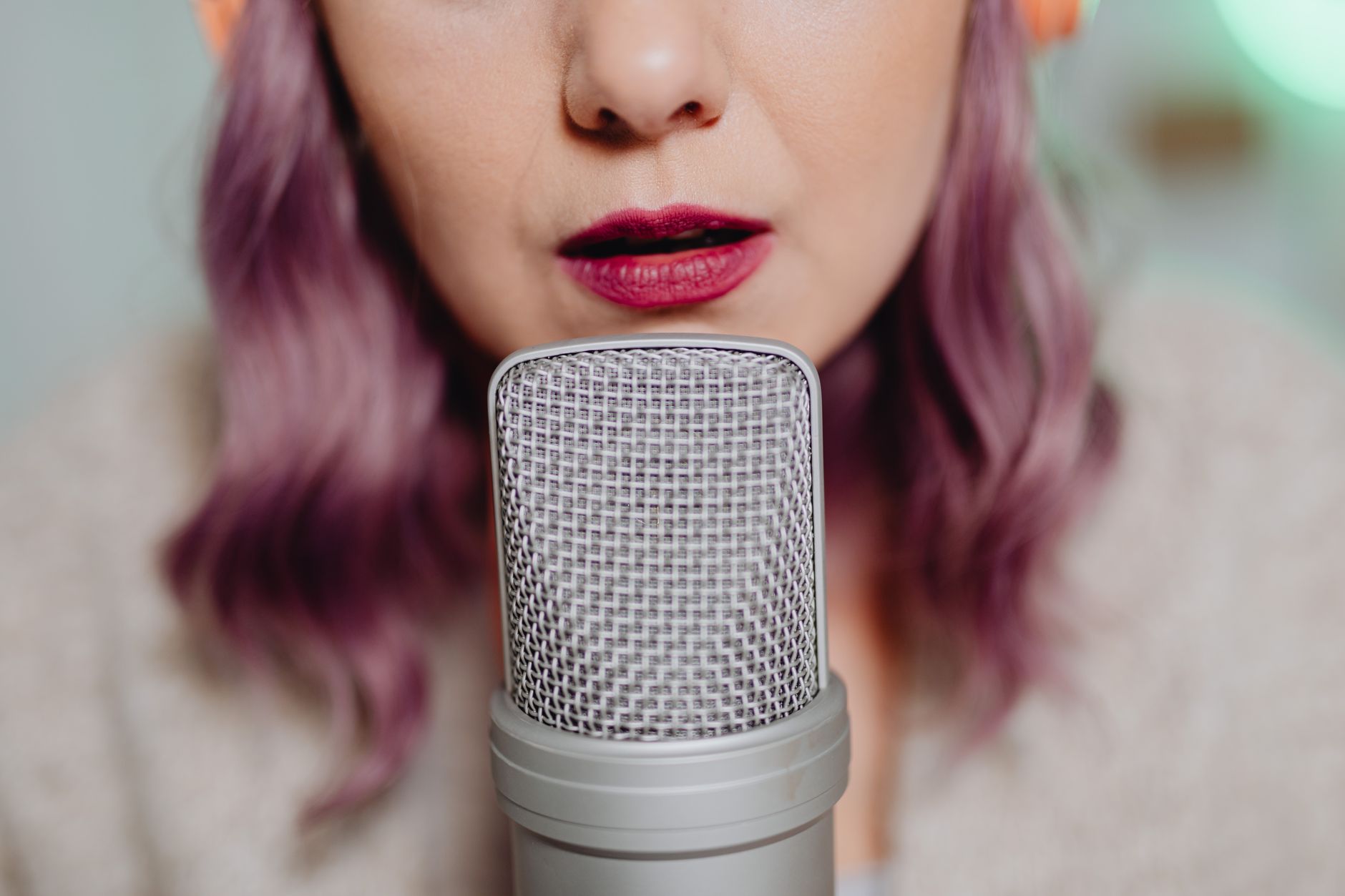
The X1 S is sE’s entry-level large-diaphragm condenser, built around a custom 1-inch capsule and a transformerless circuit that keeps noise remarkably low for its price tier. It ships with a shockmount and a carrying pouch — accessories typically sold separately at this price point.
 Photo: Anna Pou via Pexels
Launched as a refinement of the original X1, the X1 S tightened the noise floor from the earlier model’s 16 dB-A down to 10 dB-A — a meaningful difference for quiet sources like fingerpicked acoustic guitar or close-mic’d vocals in a treated bedroom studio. The build is all-metal, weighing in at 450g — heavier than most competitors at this price and comparable in construction to mics costing $200 or more.
sE manufactures its capsules in-house, which is genuinely unusual at this price — most competitors source from a small pool of Chinese capsule suppliers. That vertical integration is one reason the X1 S measures cleanly, even if it doesn’t guarantee any particular sound character on its own.
sE Electronics X1 S Specs
| Spec | Value |
|---|---|
| Capsule | 1-inch large diaphragm, custom sE design |
| Pattern | Cardioid (fixed) |
| Frequency response | 20 Hz – 20 kHz |
| Self-noise | 10 dB-A |
| Max SPL | 135 dB (150 dB with pad) |
| Dynamic range | 125 dB |
| Sensitivity | -37 dB (re. 1V/Pa) |
| Pad | –10 dB |
| High-pass filter | 100 Hz (switchable) |
| Phantom power | 48V required |
| Weight | 450g |
| Includes | Shockmount, carrying pouch |
How Does the sE X1 S Sound?
Flat-to-natural with a gentle presence lift around 8–12 kHz. It doesn’t flatter vocals the way a hyped Chinese condenser might, but it doesn’t lie to you either — what goes in comes out relatively faithfully, which is what you want when you’re learning to mix or tracking in a room that’s still being treated.
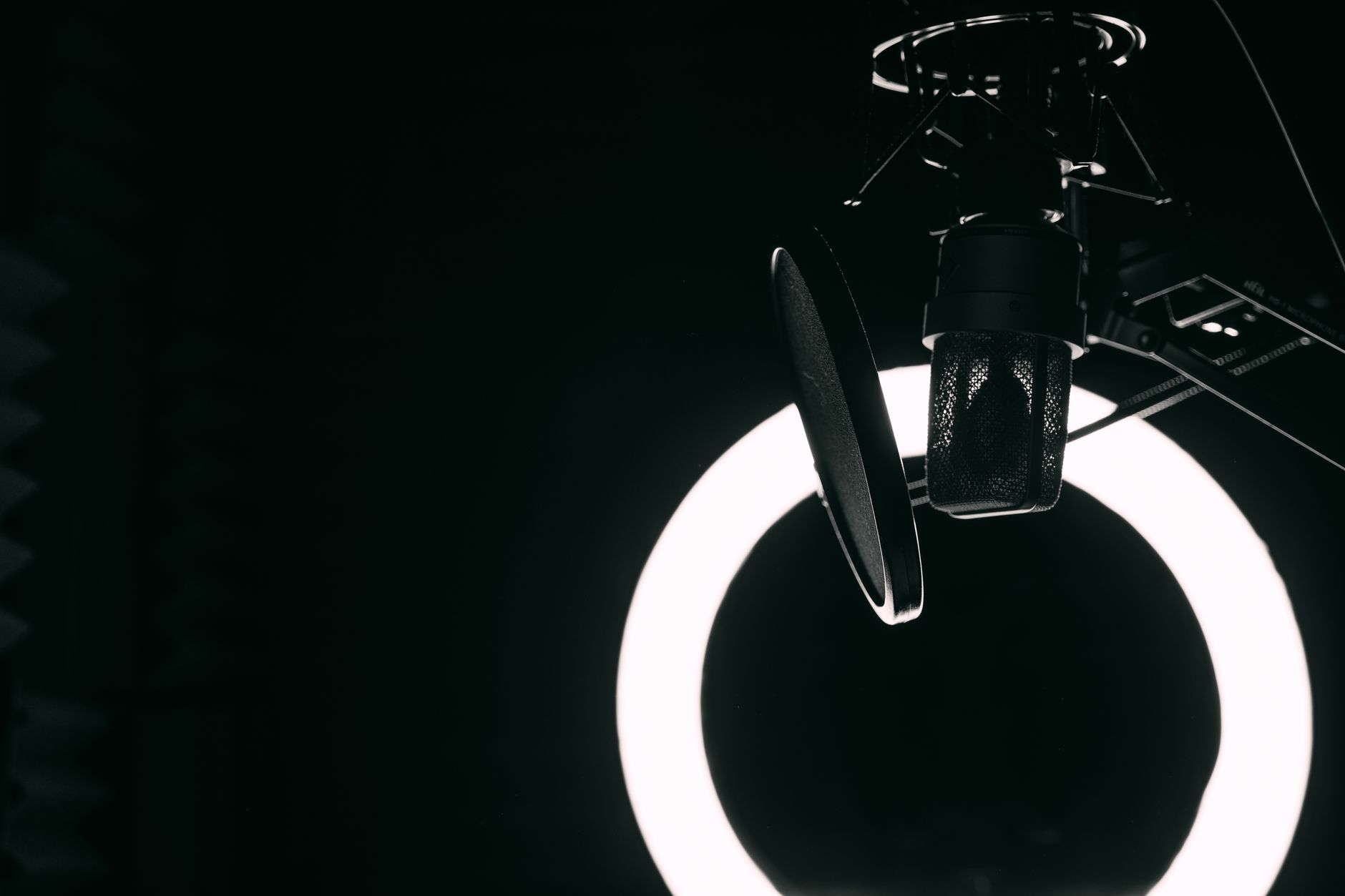 Photo: Jessica Lewis 🦋 thepaintedsquare via Pexels
Expert consensus places the X1 S in the “honest workhorse” category rather than “character microphone.” The presence lift adds enough air to vocals to keep them from sounding dull, without the harshness some budget condensers introduce around 5–6 kHz. Low end is well-controlled — the 100 Hz high-pass filter engages with an audible but not dramatic rolloff, useful for eliminating proximity-effect buildup on close-mic’d vocals.
For voice-over work, the X1 S is frequently cited in VO communities as a step-up from USB microphones that doesn’t require a large investment. The low noise floor (10 dB-A) is the main driver here — room noise becomes your limiting factor long before the microphone introduces its own hiss.
Acoustic Guitar and Instruments
Positioned 6–12 inches from the 12th fret, the X1 S captures acoustic guitar with good transient detail and natural low-mid body. It doesn’t over-emphasize string sizzle the way brighter capsules can. Published frequency response charts show the high-frequency presence lift is gradual rather than peaky, which translates to recordings that sit well in a mix without needing heavy EQ correction.
 Photo: Yan Krukau via Pexels
For piano, overhead drum work, or room mic applications, the X1 S holds up, though its fixed cardioid pattern means you’ll need to reposition rather than switch polar patterns. If you need figure-8 or omni for mid-side recording or room capturing, you’re looking at a different (more expensive) microphone.
sE X1 S vs. Competitors
| Product | Street Price | Self-Noise | Polar Patterns | Includes | Verdict |
|---|---|---|---|---|---|
| sE Electronics X1 S | ~$80 | 10 dB-A | Cardioid only | Shockmount, pouch | Best noise floor at price |
| Audio-Technica AT2020 | ~$99 | 20 dB-A | Cardioid only | Pouch (no shockmount) | Industry standard, noisier |
| Rode NT1 (5th gen) | ~$169 | 4 dB-A | Cardioid only | Full kit | Best noise floor, higher cost |
| AKG P120 | ~$89 | 16 dB-A | Cardioid only | No accessories | Solid but outclassed here |
| Behringer B-2 Pro | ~$89 | 15 dB-A | Multi-pattern | No shockmount | Pattern flexibility, lower build quality |
The X1 S wins on noise floor at its price tier — the AT2020, the default recommendation for years, sits at 20 dB-A, a full 10 dB noisier. For untreated rooms where background noise is already an issue, that gap matters less; for treated spaces where the microphone noise itself becomes audible, the X1 S is the better technical choice.
 Photo: Kaiser Leo Xiv via Pexels
Who Should Buy the sE Electronics X1 S?
First-time beginner: Strong yes. The included shockmount alone saves $20–30 compared to the AT2020 kit. Lower self-noise is a genuine advantage as your room treatment improves.
Bedroom producer: Yes, particularly for vocals and acoustic sources. The neutral character works well across genres and doesn’t impose a sonic signature you’ll need to EQ out later.
Gigging musician: Not relevant — this is a studio/recording microphone only, requires phantom power, and has no live-sound application.
Prosumer / semi-pro: A capable scratch vocal or secondary room mic. Most engineers at this level will eventually want multiple polar patterns (mid-side, stereo overhead work), which means moving to a multi-pattern mic — the X1 S’s fixed cardioid is the ceiling of its versatility.
What’s Missing
No polarity-reverse switch, which is a minor limitation for multi-mic recording setups where phase alignment matters. The –10 dB pad is a single fixed step rather than a variable control. Neither is a dealbreaker for the target user, but worth noting if your workflow involves room mics paired with close mics.
The fixed cardioid pattern is the most meaningful constraint. If you anticipate needing figure-8 for mid-side stereo recording or omni for room ambience work, budget up to a multi-pattern option rather than buying the X1 S and a separate multi-pattern mic later.
→ See Also
- Best Microphones for Home Recording (2026) — full category overview with budget tiers
- Best Budget Condenser Microphone (2026) — ranked shortlist if the X1 S doesn’t fit
- Audio-Technica AT2020 Review (2026) — direct comparison with the longest-standing budget condenser
FAQ
Is the sE Electronics X1 S good for vocals? Yes. The 10 dB-A noise floor and gentle presence lift make it well-suited for close-mic’d vocals in treated spaces. It won’t add artificial flattery the way some consumer condensers do, but recordings translate well to a mix without heavy corrective EQ.
Does the sE X1 S need phantom power? Yes — 48V phantom power is required, which means you need an audio interface or mixer that supplies it. All modern audio interfaces include phantom power; if you’re using a USB mic adapter, check before buying.
How does the sE X1 S compare to the AT2020? The X1 S has a significantly lower noise floor (10 dB-A vs. 20 dB-A), ships with a shockmount the AT2020 omits, and typically costs less. The AT2020 has a longer track record and broader accessory compatibility. For new buyers, the X1 S is the stronger technical value in 2026.
Can the sE X1 S handle loud sources like guitar amps? Yes. The 150 dB maximum SPL (with pad engaged) is sufficient for close-mic’d guitar cabinets and most acoustic percussion. Switch the –10 dB pad on before pointing it at anything genuinely loud — drum overheads at close range or brass instruments.
Does the sE X1 S come with a shockmount? Yes. sE includes a shockmount (the RF-X) and a carrying pouch in the box at no extra cost — an advantage over similarly-priced competitors that charge separately for mount hardware.
Editorial methodology: Assessments are based on manufacturer specifications, published user reviews, and editorial research. Physical hands-on testing is noted explicitly where it occurred. Rankings reflect our editorial judgment and are not influenced by affiliate commission rates. Full editorial policy · Affiliate disclosure