Contents
Rode NT1-A Review (2026): Still the Quietest Mic Under $200?
TL;DR: The Rode NT1-A remains one of the best-value large-diaphragm condensers available, delivering a self-noise floor of just 5 dB(A) that rivals mics costing three times the price. It’s an exceptional choice for home recording vocals, acoustic guitar, and podcasting — provided you can feed it clean phantom power and a treated room. The value proposition in 2026 is as strong as ever.
What Is the Rode NT1-A?
The Rode NT1-A is a large-diaphragm cardioid condenser microphone from Australian manufacturer Rode, first released in 2004 and still in active production. Its headline specification is a 5 dB(A) self-noise rating — among the lowest of any microphone at any price point. It ships as a complete package with a shockmount, pop filter, and 20-year warranty.
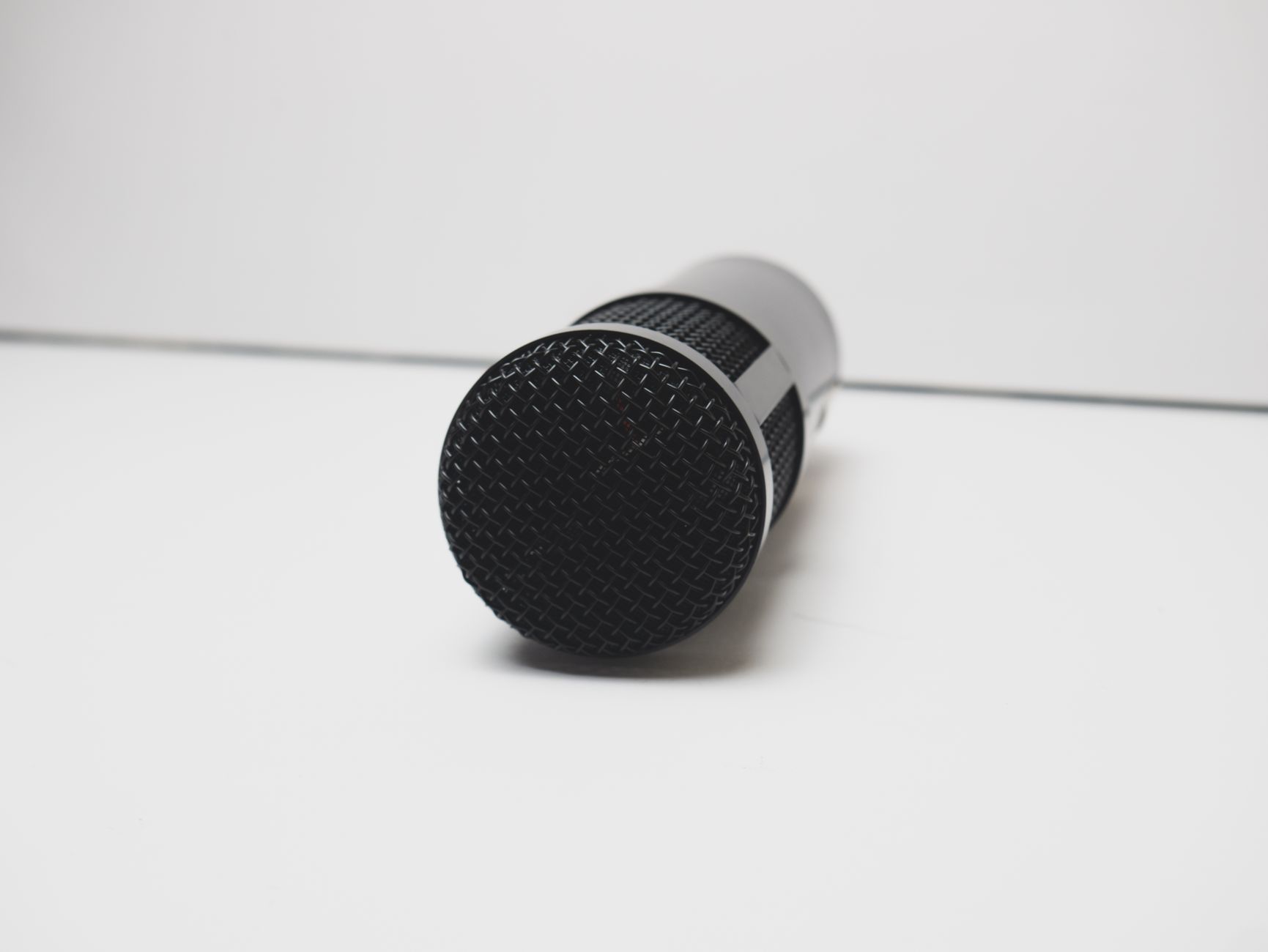 Photo: Stephen Audu via Pexels
Rode built the NT1-A around a 1-inch gold-sputtered HF1 capsule with a cardioid polar pattern and a frequency response of 20 Hz–20 kHz. The body is a full metal chassis with a matte nickel finish. It requires 48V phantom power and draws 3.8 mA — well within the spec of virtually any audio interface.
At a street price around $169–$179, the NT1-A competes directly with the Audio-Technica AT2020 and Blue Yeti family, but its self-noise spec is in a different league from both.
Rode NT1-A Review: Sound Character and Performance
The NT1-A’s sound is often described as neutral-to-bright, with a gentle presence peak around 8–12 kHz that adds air and definition to vocals without harshness. The low end is full and controlled, with a natural rolloff below 100 Hz. Published frequency response curves show the response is remarkably flat through the critical 200 Hz–5 kHz midrange.
 Photo: Jessica Lewis 🦋 thepaintedsquare via Pexels
Vocal Recording
For lead vocals, the NT1-A flatters most voices without masking problems. The upper midrange clarity makes consonants intelligible in a mix without significant high-shelf boosting in post. Published user data and engineer consensus consistently position it as an above-average performer for its price bracket on female vocals and higher tenor ranges; on baritone or bass voices, the slight high-frequency emphasis can occasionally feel thin, which a gentle low-mid boost at 250 Hz can address.
The 5 dB(A) self-noise is the practical differentiator. At gain settings required for a typical singer positioned 6–8 inches back, the noise floor is essentially inaudible — a genuine advantage over condensers with 12–16 dB(A) ratings, where preamp hiss becomes audible between phrases.
Acoustic Instruments
Acoustic guitar is a strong use case. Positioned at the 12th fret at 8–12 inches, the NT1-A captures pick attack and string detail clearly. The presence lift that sometimes needs managing on close-mic’d vocals actually works in favor of acoustic guitar, where bite and transient definition are assets.
Room recording for drums — overheads, room mics — is serviceable. A matched pair is a cost-effective option given the consistent capsule matching Rode maintains at this price.
Rode NT1-A vs. Competitors
| Feature | Rode NT1-A | Audio-Technica AT2020 | Blue Yeti Pro |
|---|---|---|---|
| Type | Large-diaphragm condenser | Large-diaphragm condenser | Multi-pattern condenser |
| Self-Noise | 5 dB(A) | 20 dB(A) | 14 dB(A) |
| Polar Pattern | Cardioid | Cardioid | Cardioid / Omni / Bi-directional |
| Frequency Response | 20 Hz – 20 kHz | 20 Hz – 20 kHz | 20 Hz – 20 kHz |
| Requires Phantom Power | Yes (48V) | Yes (48V) | USB (no interface needed) |
| Street Price (2026) | ~$169 | ~$99 | ~$249 |
| Included Accessories | Shockmount, pop filter, pouch | No | No |
| Warranty | 20 years (registered) | Limited 1 year | 2 years |
| Best For | Studio vocals, acoustic guitar | Budget studio, live stage | Podcasting, streaming |
The AT2020 comparison is the most direct: the AT2020 costs $70 less but ships with nothing and carries a 20 dB(A) noise floor — four times noisier on paper. For anyone recording in a quiet treated room with a decent interface, the NT1-A’s package value and noise performance justify the price difference.
Gear Review: Rode NT1-A Specs
Specifications
| Spec | Value |
|---|---|
| Capsule | 1-inch gold-sputtered HF1, cardioid |
| Frequency Response | 20 Hz – 20 kHz |
| Self-Noise | 5 dB(A) |
| Signal-to-Noise Ratio | 88 dB SPL |
| Maximum SPL | 137 dB (with pad) |
| Dynamic Range | 132 dB |
| Output Impedance | 100 Ω |
| Sensitivity | -31.9 dBV/Pa (25 mV/Pa) |
| Phantom Power | 48V, 3.8 mA |
| Connector | 3-pin XLR |
| Weight | 326 g |
| Warranty | 20 years (registered) |
Who Should Buy the Rode NT1-A?
First-time beginner: A near-perfect first studio microphone if you already own or plan to buy an audio interface. The included shockmount and pop filter eliminate two common additional purchases. The 20-year warranty removes the risk of early build failure. Get the AT2020 only if budget is genuinely tight.
Bedroom producer: The low self-noise is the key differentiator in a home-studio context where you can’t afford a professional acoustic treatment build-out. Every decibel of self-noise that the mic doesn’t add shows up as cleaner recordings with more headroom for mixing.
Gigging musician: The NT1-A is not a live microphone — cardioid condensers at this sensitivity level are not designed for stage monitoring rejection. Look at dynamic alternatives for live use.
Prosumer / semi-pro: Entirely viable as a workhorse tracking vocal mic in a budget-conscious commercial setup. Audio engineers on forums and in published comparisons consistently report it holds its own against $400–$600 condensers on certain voices. The ceiling is higher than the price implies.
 Photo: revac film’s&photography via Pexels
What You Need to Get the Best From the NT1-A
The NT1-A is highly sensitive — which means it will expose problems in your signal chain. Based on manufacturer specifications and widely documented interface pairings:
- Interface preamp quality matters. The Focusrite Scarlett 2i2, SSL 2, and Universal Audio Volt 176 are well-documented pairings. Budget interfaces with noisy preamps partially erode the NT1-A’s noise floor advantage.
- Room treatment is not optional. A 5 dB(A) self-noise rating captures everything: HVAC hum, street noise, room reflections. Foam panels or recording in a wardrobe closet are minimum viable mitigations.
- The included shockmount is genuinely good. Use it. Desk vibration transmitted through a standard mic stand clip introduces low-frequency rumble that the NT1-A will faithfully capture.
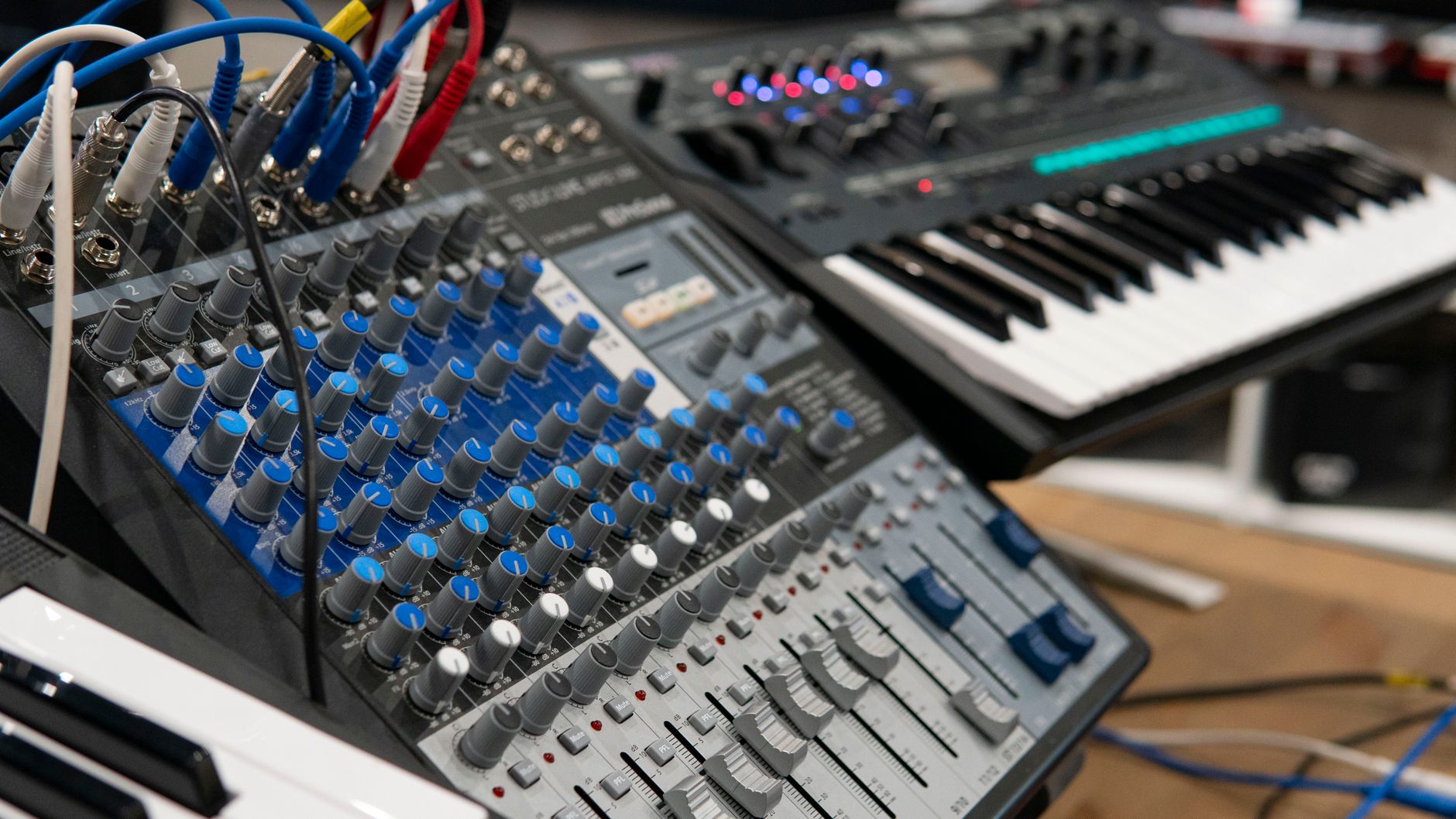 Photo: TStudio via Pexels
→ See also
- Best Microphones for Home Recording (2026) — full field comparison across budget, mid-range, and pro tiers
- Best Budget Condenser Microphone (2026) — ranked alternatives if the NT1-A is over budget
- Audio-Technica AT2020 Review (2026) — direct competitor deep-dive
FAQ
Is the Rode NT1-A good for beginners? Yes — it’s one of the most beginner-appropriate large-diaphragm condensers available. The complete package (shockmount, pop filter, dust bag) means no additional accessory spending, and the 20-year warranty covers the common new-recordist fear of damaging an expensive mic. The only real prerequisite is an audio interface with 48V phantom power.
Does the Rode NT1-A need an audio interface? Yes. The NT1-A is an XLR condenser microphone that requires 48V phantom power — it cannot connect directly to a computer via USB. Any audio interface with an XLR input and phantom power will work; the Focusrite Scarlett Solo is the most commonly recommended entry-level pairing based on compatibility reports and user consensus.
How does the Rode NT1-A compare to the Rode NT1 (5th Gen)? The NT1 5th Generation adds a USB-C output, updated capsule design, and a revised frequency response. According to Rode’s published specifications, the NT1 5th Gen carries a 4 dB(A) self-noise rating — marginally better — and the hybrid USB/XLR connectivity adds flexibility. The NT1-A remains the better value for pure XLR studio use; the NT1 5th Gen justifies its higher price primarily for users who want USB flexibility.
What preamp pairs best with the Rode NT1-A? Published pairings across engineer forums and interface review sites consistently point to the Focusrite Scarlett 2i2, SSL 2, and Audient iD4 MKII as well-matched options. The NT1-A’s sensitivity means it doesn’t demand excessive gain, so even mid-tier preamps perform well — the primary consideration is minimizing added self-noise from the interface itself.
Is the Rode NT1-A worth buying in 2026? Based on current street pricing and available alternatives, yes. The 5 dB(A) self-noise, 20-year warranty, and complete accessories package represent value that no competitor has directly matched at the $169 price point. Unless you specifically need USB connectivity or multi-pattern switching, it remains a benchmark purchase recommendation for home studio vocal recording.
Editorial methodology: Assessments are based on manufacturer specifications, published user reviews, and editorial research. Physical hands-on testing is noted explicitly where it occurred. Rankings reflect our editorial judgment and are not influenced by affiliate commission rates. Full editorial policy · Affiliate disclosure