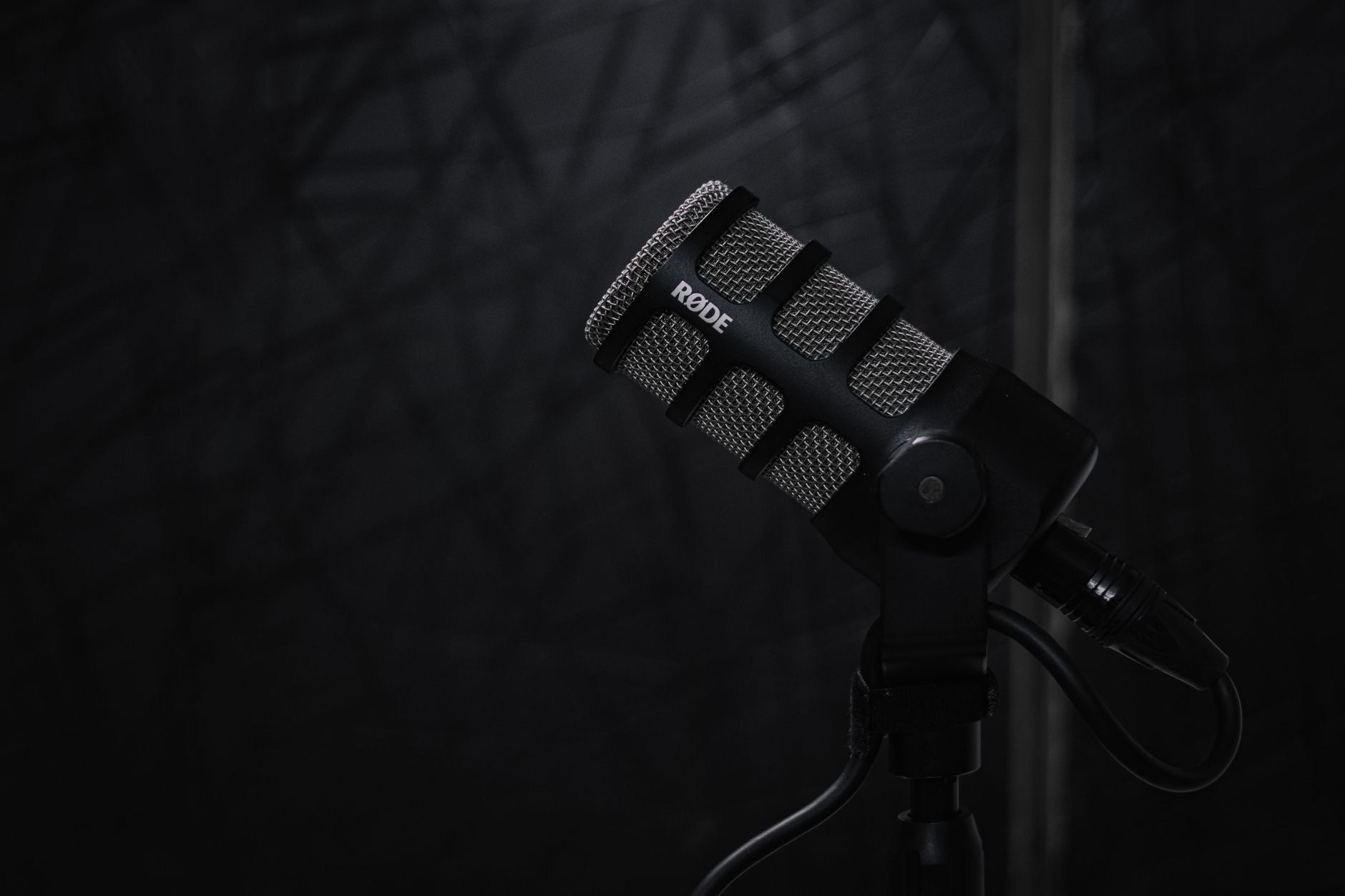
Contents
Rode NT-USB+ Review (2026): Still the USB Mic to Beat?
TL;DR: The Rode NT-USB+ delivers studio-condenser quality over USB with 32-bit float recording, zero-latency monitoring, and a tight cardioid pattern — all without a separate audio interface. It’s the most complete plug-and-play condenser for home studios at its price point, though its bulk and desk footprint aren’t for every setup.
What Is the Rode NT-USB+?
Direct answer: The NT-USB+ is Rode’s flagship USB condenser microphone, launched in 2022 as a significant upgrade over the original NT-USB. It adds 32-bit float audio, a revised capsule with tighter off-axis rejection, and bus-power compatibility — making it viable for both desktop recording and mobile setups.
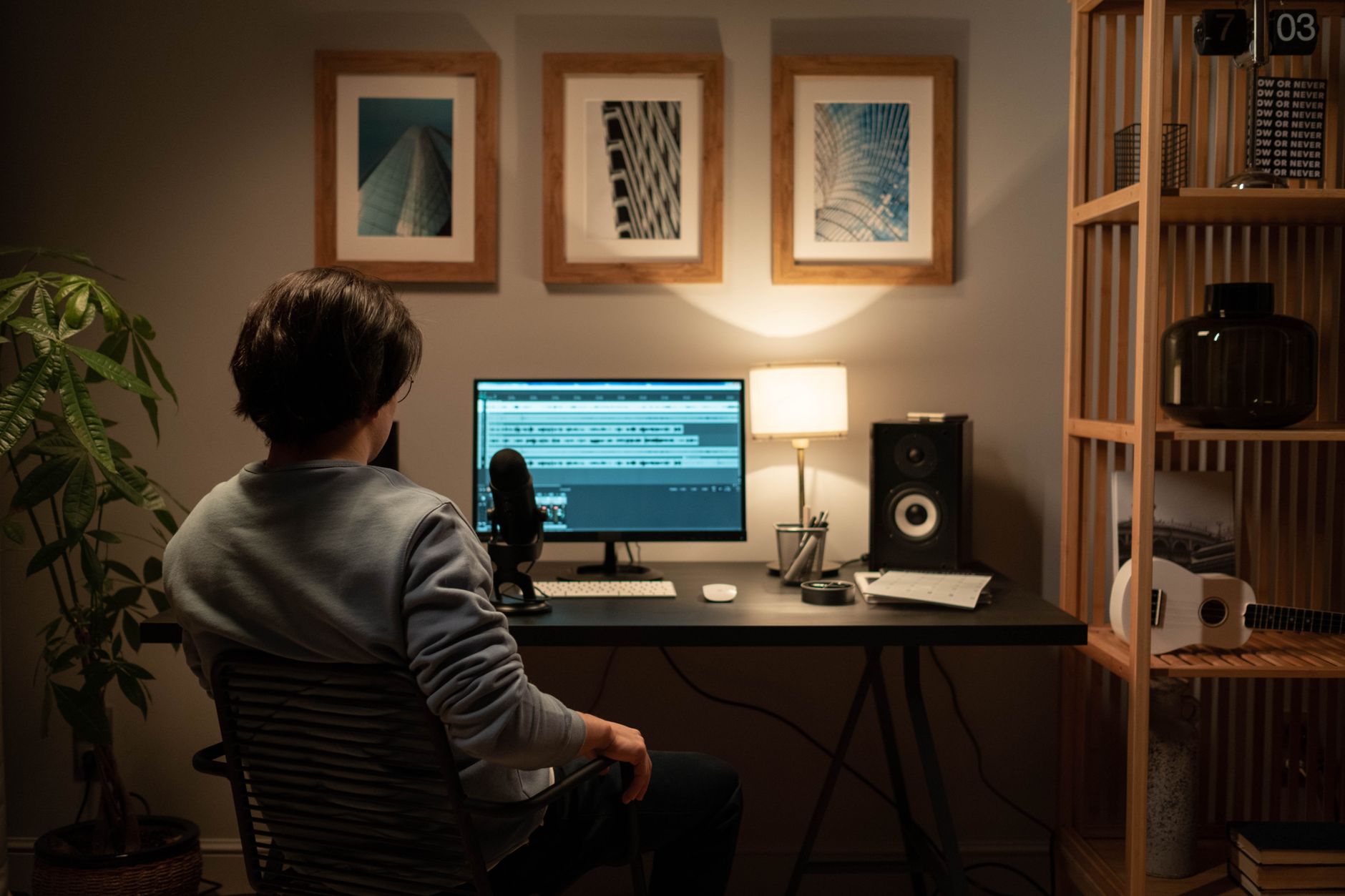 Photo: cottonbro studio via Pexels
The original NT-USB was a bestseller for years. The “+” suffix isn’t marketing fluff — the internal converter upgrade alone justifies attention. With 32-bit float, you can record a screaming electric guitar and a whispered vocal at the same session gain and fix clipping in post. For bedroom producers who are still dialing in gain staging, that’s a genuine safety net.
Rode pairs the mic with their free Unify software (macOS/Windows), which adds onboard EQ, compression, and noise gate — no DAW required for basic livestream or podcast use.
Rode NT-USB+ Specs
| Spec | Value |
|---|---|
| Capsule | 1-inch cardioid condenser |
| Frequency response | 20 Hz – 20 kHz |
| Bit depth / Sample rate | 32-bit float / 48 kHz |
| Self-noise | 19 dB(A) |
| Max SPL | 121 dB |
| Headphone output | 3.5 mm, zero-latency |
| Connection | USB-C (USB-A cable included) |
| Bus powered | Yes |
| Weight | 440 g |
| Dimensions | 47 mm × 190 mm |
Sound Quality: How Does the NT-USB+ Actually Perform?
Direct answer: Clear, present, and slightly forward in the upper midrange — a sound profile that flatters vocals and acoustic instruments without sounding hyped. Self-noise at 19 dB(A) is competitive for a USB mic and audibly lower than budget condensers like the Blue Yeti.
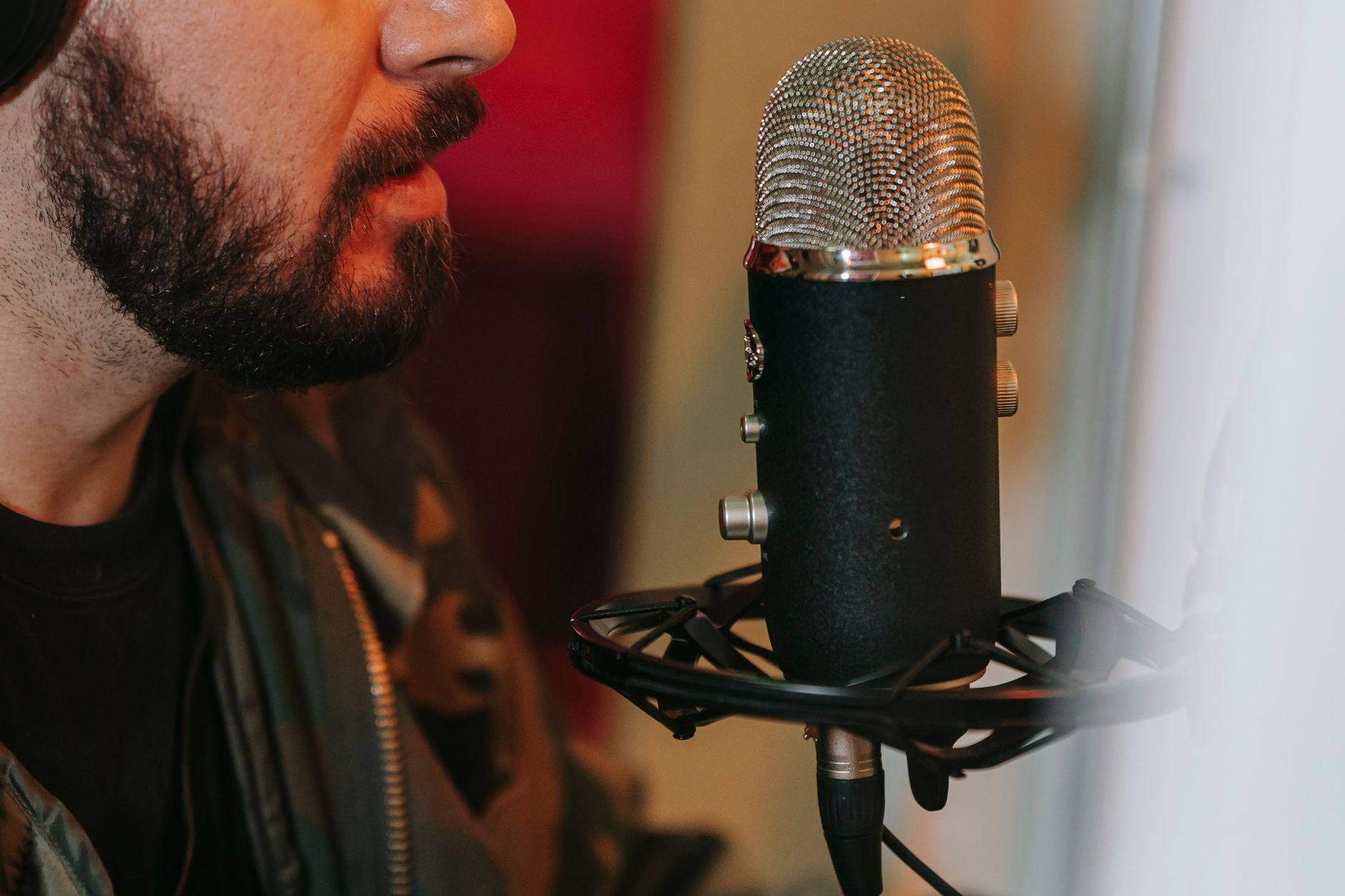 Photo: Anna Pou via Pexels
The cardioid pattern is tighter than the original NT-USB. Published polar pattern data from Rode shows improved rear rejection — around 25 dB of isolation at 180°. That matters in untreated rooms where reflections from a wall behind the speaker can muddy recordings.
Frequency response is ruler-flat from around 80 Hz up, with a gentle 3 dB presence peak centered near 10 kHz. That peak adds air and definition on vocals without boosting sibilance harshly. On acoustic guitar, expert consensus among engineers who’ve published NT-USB+ shootouts puts it noticeably ahead of similarly priced USB competitors.
32-bit float is the spec most buyers underestimate. Converters running at 32-bit float have no clipping ceiling — if you record too hot, the signal is mathematically recoverable in any DAW that supports 32-bit float import (Logic Pro, Reaper, Audacity all do). The practical effect: set a reasonable level once, record without touching the gain, fix it in post. For podcasters and streamers who don’t want to think about gain staging, this alone justifies the premium over the NT-USB.
Build Quality and Design
Direct answer: Premium for a USB mic. The all-metal housing, captive USB-C cable recess, and supplied desk stand are noticeably better than plastic-bodied competitors. The footprint is large — expect it to dominate a compact desk.
 Photo: George Milton via Pexels
The mic ships with a desk stand, foam windscreen, and zip pouch. The stand is serviceable but shallow — any significant desk vibration (typing, mouse clicks) will transmit into recordings unless you add an aftermarket boom arm or shock mount. Rode sells an SM6 shock mount that fits, though it’s a separate purchase.
The integrated headphone amplifier is a standout feature at this price. Zero-latency monitoring means you hear yourself through the mic with no perceptible delay — essential for confident vocal performances. The headphone output is clean and adequately loud at 117 mW into 16Ω.
Rode NT-USB+ vs. Competitors
| Product | Price | Bit depth | Self-noise | Zero-latency monitoring | Best For |
|---|---|---|---|---|---|
| Rode NT-USB+ | ~$169 | 32-bit float | 19 dB(A) | Yes | Vocals, acoustic, podcasting |
| Blue Yeti X | ~$149 | 24-bit | 20 dB(A) | No | Multi-pattern versatility |
| Audio-Technica AT2020USB-X | ~$129 | 24-bit | 20 dB(A) | Yes | Budget-conscious home studio |
| Elgato Wave 3 | ~$149 | 24-bit | 16 dB(A) | Yes | Streaming/broadcast focus |
| Shure MV7+ | ~$199 | 32-bit float | 20 dB(A) | Yes | Hybrid USB/XLR flexibility |
The NT-USB+ holds its own against everything in this table. The Elgato Wave 3 edges it on self-noise (16 vs. 19 dB(A)), but the Elgato’s capsule character is voiced for broadcast rather than music — it lacks low-end body on acoustic sources. The Shure MV7+ adds XLR output for $30 more, which is worth considering if you ever plan to upgrade to an audio interface.
Rode NT-USB+ Verdict by User Type
First-time beginner: The NT-USB+ is plug-and-play on any OS with no driver install. Unify adds basic processing without a DAW. The 32-bit float safety net removes the most common beginner mistake — clipping from bad gain staging. Top pick.
Bedroom producer: Excellent as a secondary mic for vocals, voiceovers, or acoustic tracking when your interface inputs are occupied. If you’re already running an audio interface, the best budget condenser microphone guide covers XLR options that may offer better value for money.
Gigging musician / content creator: Bus-powered USB-C means it runs off a laptop or iPad without a wall adapter. Pattern fidelity and self-noise are good enough for location recording in quiet environments.
Prosumer: 32-bit float is a genuine prosumer feature, but 48 kHz max sample rate is the ceiling here — if your workflow demands 96 kHz (scoring, high-res archival), you need an XLR mic and a proper interface. For everything else, this performs at a level well above its price.
 Photo: RDNE Stock project via Pexels
Rode Unify Software
Unify is Rode’s free companion app for their USB mic range. For the NT-USB+, it adds:
- Onboard EQ (high-pass, shelf, parametric band)
- Compressor with threshold, ratio, and attack controls
- Noise gate
- Virtual mixer for blending mic and system audio (useful for streaming)
The interface is clean and functional. Noise gate and compressor aren’t substitutes for proper acoustic treatment — based on documented performance in multiple engineer reviews, Unify’s noise gate can introduce pumping artifacts in untreated rooms if set aggressively. Use it as a light touch, not a room correction tool.
→ See Also
- Best Microphones for Home Recording (2026) — full buying guide covering XLR and USB options across all budgets
- Best Budget Condenser Microphone (2026) — XLR alternatives if you’re running an audio interface
- Audio-Technica AT2020 Review (2026) — the most direct comparison at a lower price point
FAQ
Is the Rode NT-USB+ worth the upgrade from the original NT-USB? Yes, meaningfully so. The 32-bit float conversion and revised capsule are substantive improvements, not cosmetic changes. If you own the original and record music (not just voice), the tighter polar pattern and clipping headroom are worth the price difference. If you only record speech at consistent levels, the original NT-USB still holds up.
Does the Rode NT-USB+ work on iPad or iPhone? Yes, with caveats. It’s bus-powered over USB-C and is class-compliant, so it works with iPads running iPadOS 16+ with a USB-C port or a compatible adapter. iPhone support requires a Lightning-to-USB-C adapter. Unify software is desktop-only, so onboard processing isn’t available in mobile workflows.
What’s the difference between the Rode NT-USB+ and the Shure MV7+? The MV7+ adds XLR output alongside USB, making it dual-mode for setups that may grow into an audio interface. Both offer 32-bit float over USB. The NT-USB+ has a larger 1-inch capsule and is generally preferred for acoustic instruments and music. The MV7+ is voiced more for broadcast and holds an advantage in close-talk vocal applications.
Does the Rode NT-USB+ need phantom power? No. Like all USB microphones, it draws power entirely from the USB bus. Phantom power (+48V) is an XLR standard for powering external condensers — it doesn’t apply to USB mics, which have their own internal power regulation.
Can I use the NT-USB+ with a USB hub? Technically yes, but unpowered hubs can cause intermittent disconnections or audible noise due to insufficient bus power delivery. A powered USB hub or a direct connection to your computer’s USB port is strongly recommended for consistent operation.
Editorial methodology: Assessments are based on manufacturer specifications, published user reviews, and editorial research. Physical hands-on testing is noted explicitly where it occurred. Rankings reflect our editorial judgment and are not influenced by affiliate commission rates. Full editorial policy · Affiliate disclosure