Contents
Novation Launchkey Mini MK3 Review (2026): Still the Best Compact MIDI Controller?
TL;DR: The Novation Launchkey Mini MK3 is the best compact MIDI keyboard under $100 for Ableton Live users, offering deep DAW integration, 16 velocity-sensitive pads, and a surprisingly playable 25-key mini keybed in a bus-powered package. It’s not a synth-action keyboard for pianists, but as a portable production tool it has no serious competition at the price.
What Is the Novation Launchkey Mini MK3?
The Launchkey Mini MK3 is a 25-key, bus-powered USB MIDI controller built for Ableton Live, with native Bitwig and Logic integration added in later firmware. At its core: a compact keybed, 16 RGB performance pads, eight encoders, and a transport strip — everything a portable production rig needs, nothing it doesn’t.
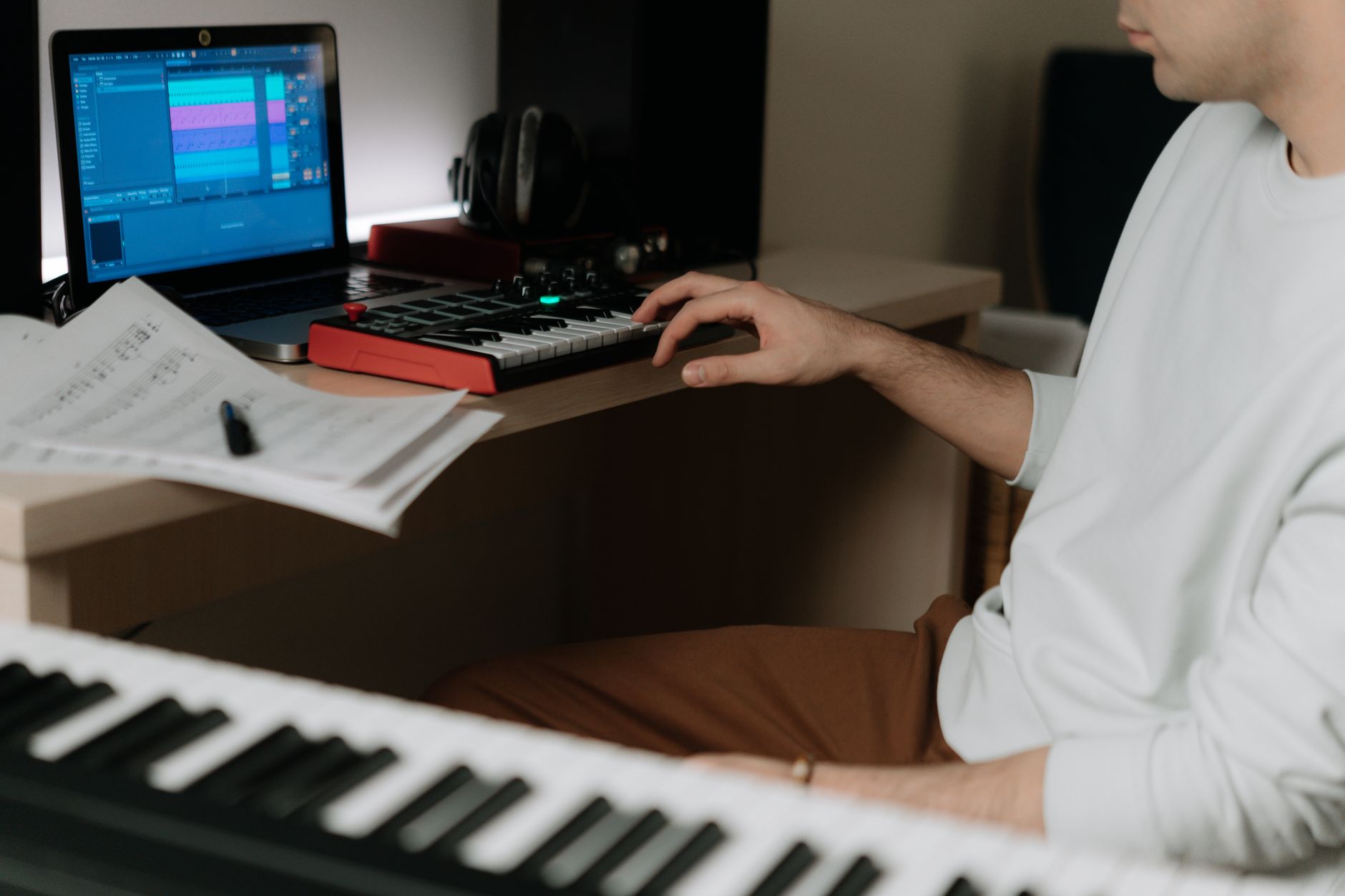 Photo: cottonbro studio via Pexels
Released in 2019 and still selling in 2026 without a successor, the Launchkey Mini MK3 has one of the longest uninterrupted runs of any entry-level controller. Novation has kept it relevant through firmware updates rather than hardware refreshes — a smart move that’s kept the price anchored near $99 while competitors have crept upward.
This novation launchkey mini mk3 review covers everything from the build quality and keybed feel to DAW integration, pad performance, and who it’s actually suited for.
Build Quality and Form Factor
Solid for the price point. The MK3 is primarily plastic — at 430 g and 355 mm wide, it fits in a backpack laptop sleeve without drama. Users report no flex issues. The mini keys use a rubberized coating for grip.
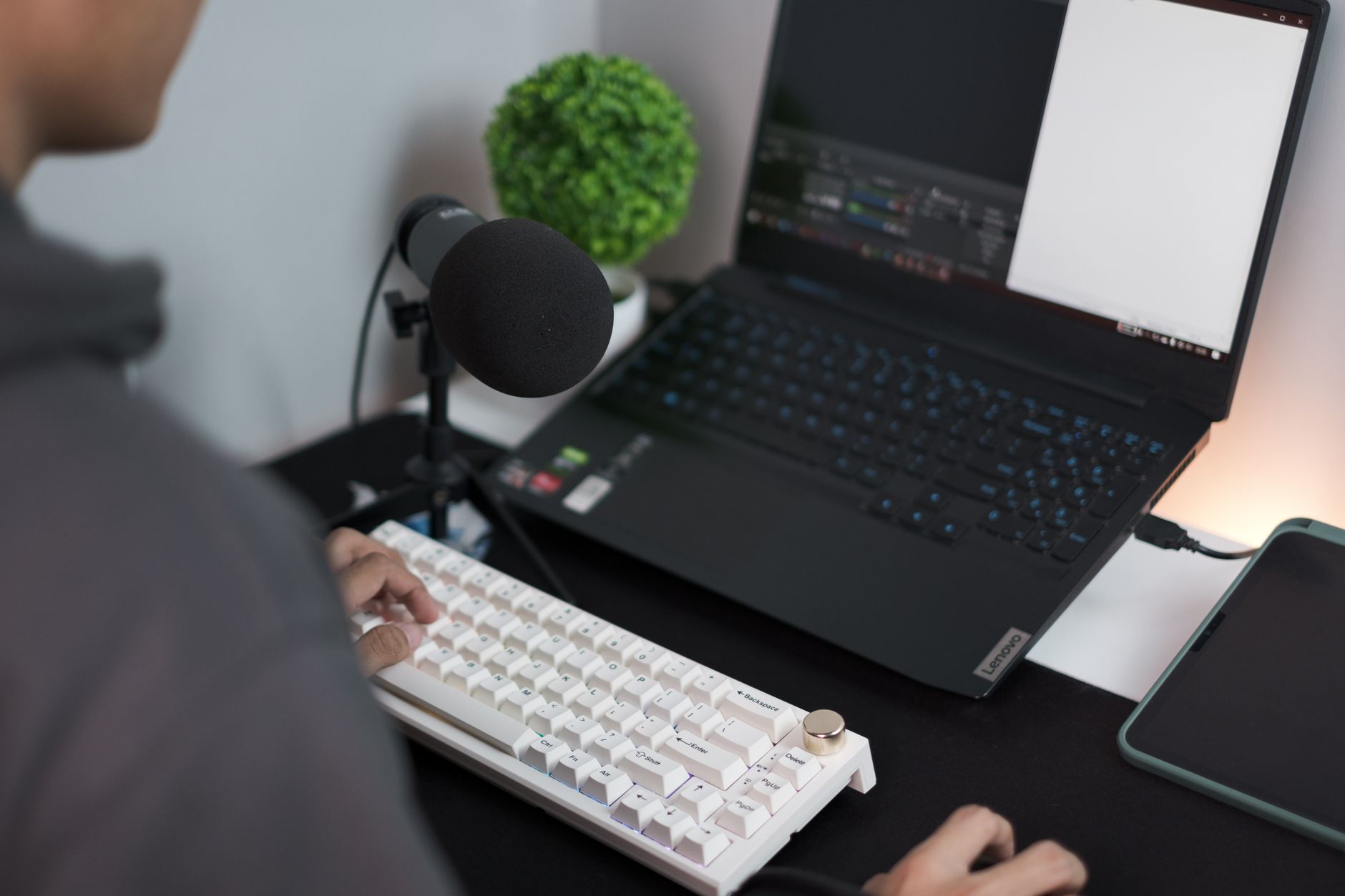 Photo: Lutfi Elyas via Pexels
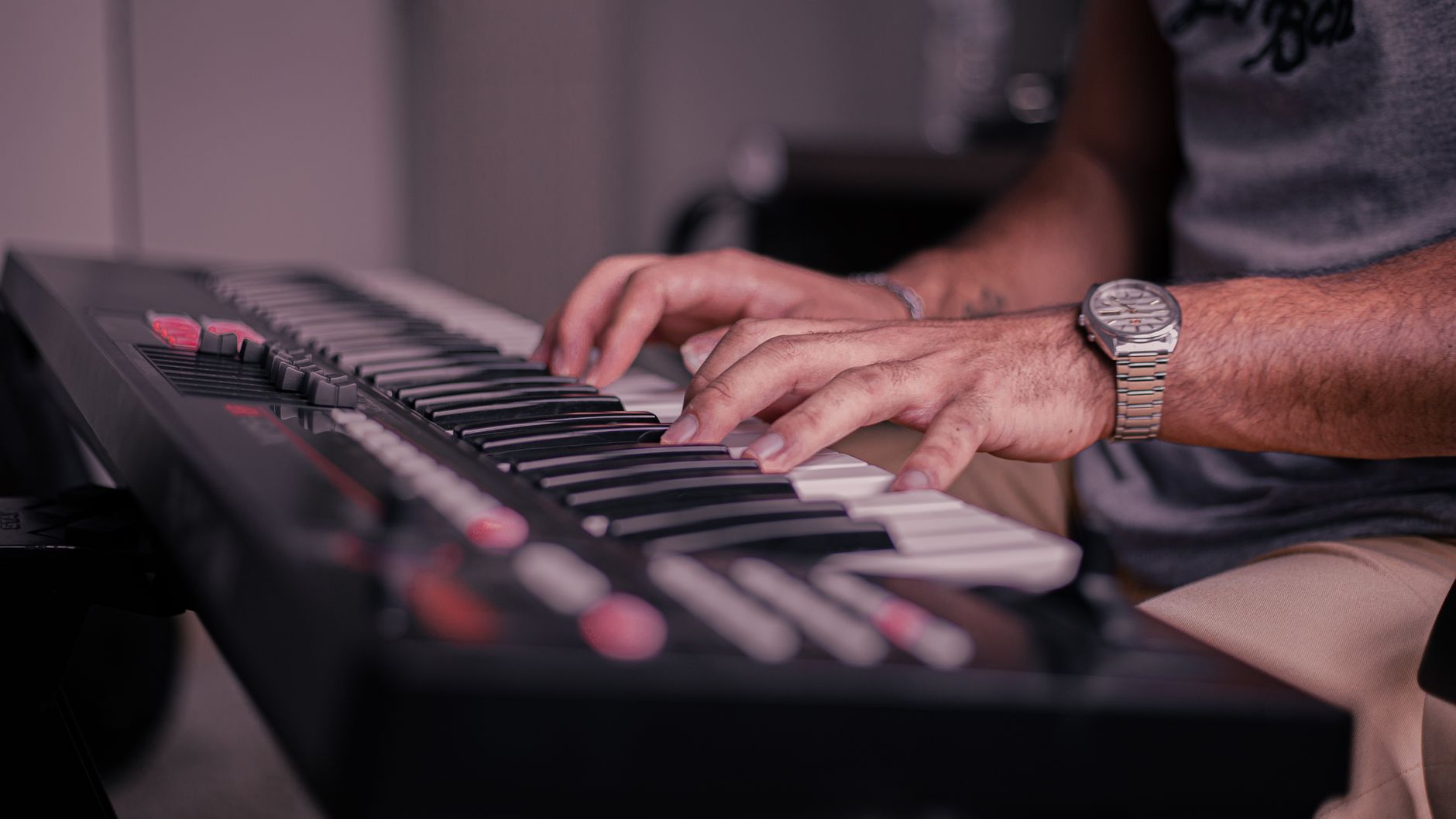
The 25 mini keys are velocity-sensitive and have a tighter key spacing than full-size controllers, which matters for chord voicings. Players who primarily use two-handed technique will find the layout limiting; producers who use their left hand for chords and right for melody adjustments will adapt quickly.
The 16 RGB pads sit in a 4×4 grid above the keybed and are noticeably better than the MK2-generation pads — firmer, more consistent velocity response across the surface, and the RGB lighting is bright enough to read in a lit room. According to documented user reports and forum consensus, pad sensitivity is competitive with the Arturia MiniLab 3 at the same price tier.
The eight rotary encoders are continuous (not potentiometers), which means no value jumps when you switch presets — a meaningful quality-of-life detail often missing at this price.
DAW Integration: Where the MK3 Earns Its Keep
Plug-in-and-it-works for Ableton Live. The MK3 enters Ableton’s Session View integration mode automatically on connection — clip launch, track selection, scene launch, and device parameter control all map without configuration. For Live users specifically, this out-of-box depth is the primary reason to buy this over a generic MIDI controller.
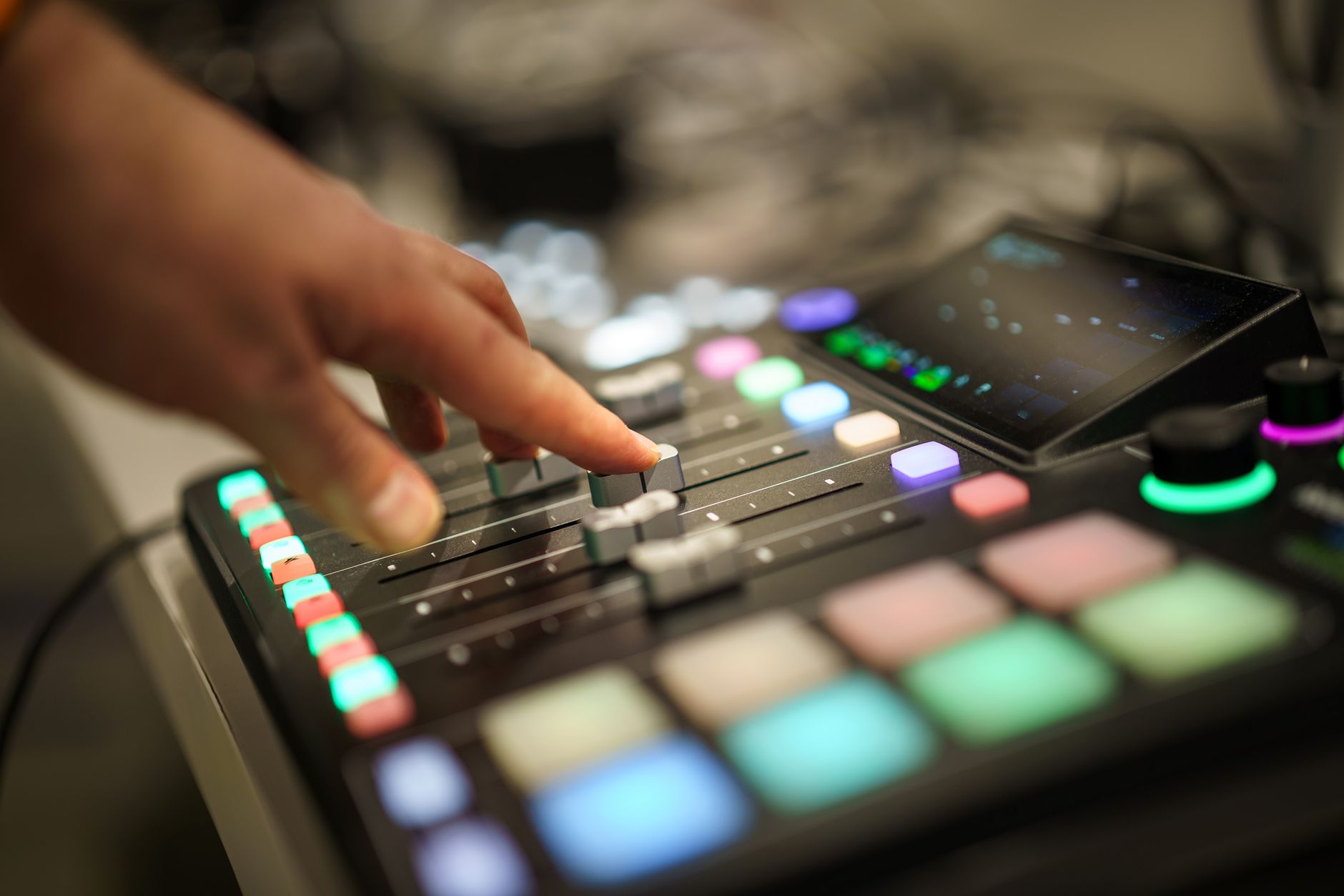 Photo: Jakub Zerdzicki via Pexels
Native integration covers:
| DAW | Integration Level | Setup Required |
|---|---|---|
| Ableton Live 10+ | Full — clips, devices, transport, mixer | None |
| Bitwig Studio | Full — device control, clips, transport | None |
| Logic Pro | Transport + basic control | None |
| FL Studio | HUI/generic MIDI | Manual map |
| Pro Tools | Generic MIDI only | Manual map |
For DAWs without native support, the MK3 works as a standard class-compliant MIDI device — all keys and pads send note/CC data without any driver install. The Novation Components browser-based editor lets you remap any control, though the default layout is sensible enough that most users never touch it.
The arpeggiator and chord mode deserve mention: both are hardware-level, so they work regardless of DAW. The chord mode lets you trigger full chords with a single key press — useful for producers who understand theory but are not strong keyboard players.
Pad Performance for Beat Making
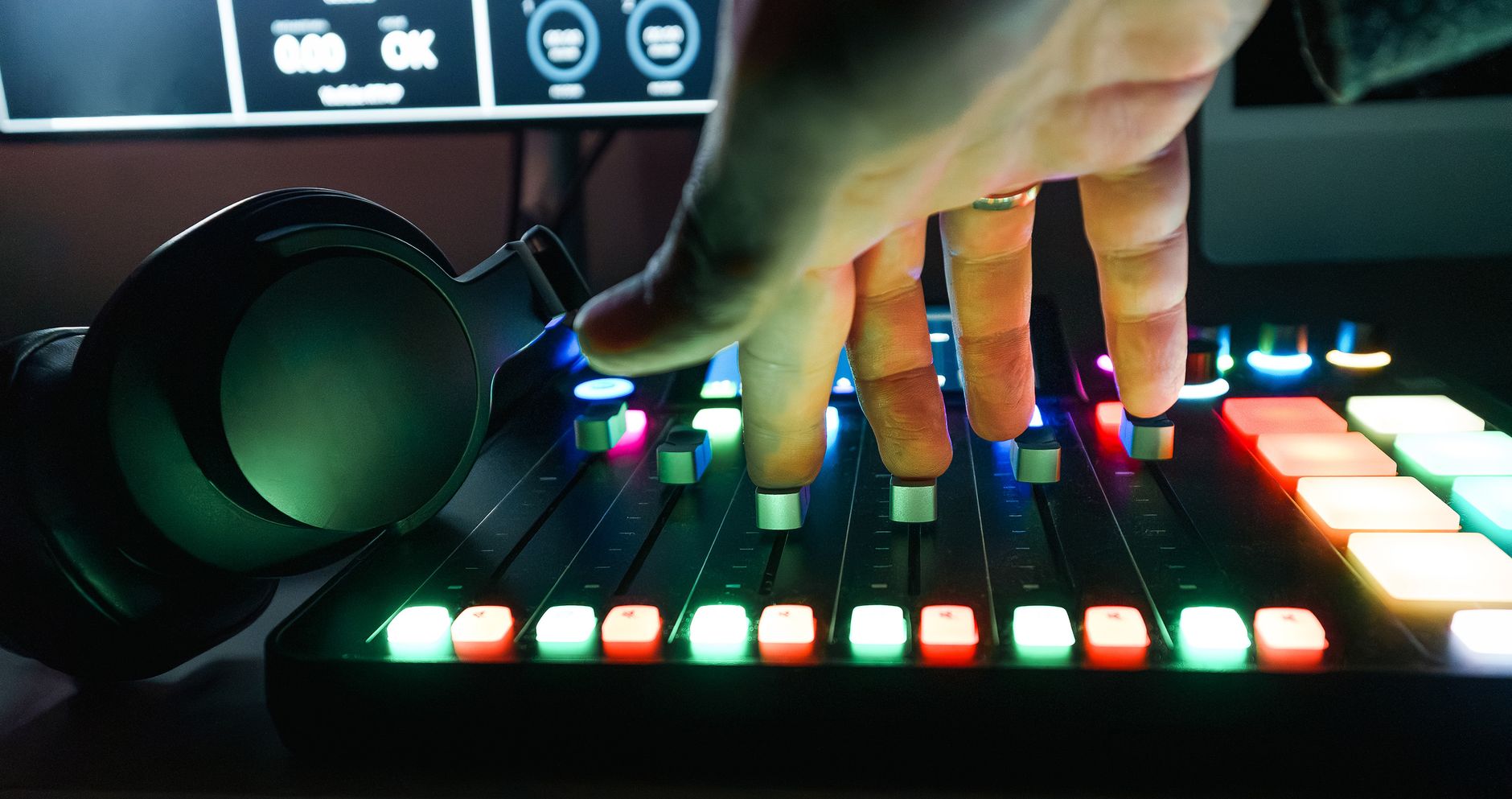
The pads are the strongest hardware feature on the MK3. Velocity and aftertouch response is consistent from corner to corner, and the four pad modes — drum, session, chord, custom — cover the main production workflows without menu-diving.
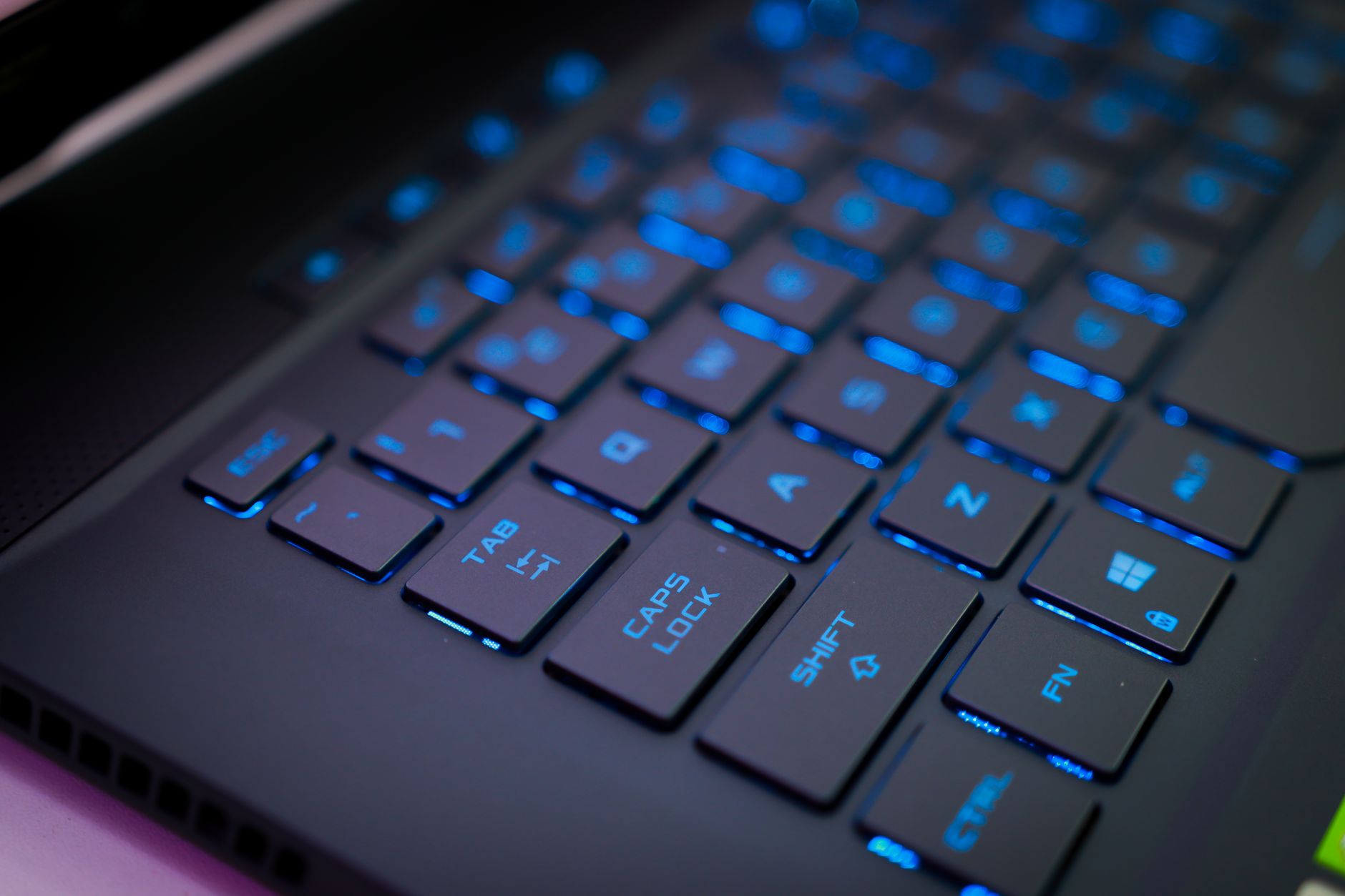 Photo: Foysal Ahmed via Pexels
Pad size is the one compromise: at roughly 28 mm square, they’re smaller than dedicated pad controllers like the Akai MPD218. For intricate finger drumming patterns, that footprint limits fast lateral movement. For triggering clips in Ableton or programming drum patterns at slower tempos, the size is entirely workable.
The MK3’s scale and chord modes, accessible via the pad grid, are a genuine differentiator. Scale mode locks the keys to any of 16 scales, making it significantly harder to play wrong notes. For beginners building their first beats and chord progressions, this is the single feature most likely to keep them making music instead of getting frustrated.
Specs
| Spec | Detail |
|---|---|
| Keys | 25 mini, velocity-sensitive |
| Pads | 16 RGB, velocity-sensitive |
| Encoders | 8 × continuous rotary |
| Connections | USB-B (power + MIDI), 3.5 mm TRS MIDI out |
| Bus power | Yes — no power adapter needed |
| DAW Integration | Ableton Live, Bitwig (native); Logic, generic MIDI |
| Pad modes | Drum, Session, Chord, Custom |
| Arpeggiator | Yes — hardware level |
| Dimensions | 355 × 195 × 45 mm |
| Weight | 430 g |
| Price (2026) | ~$99 USD |
How It Compares
| Product | Price | Keys | Pads | Best DAW | Bus Power | Verdict |
|---|---|---|---|---|---|---|
| Novation Launchkey Mini MK3 | ~$99 | 25 mini | 16 RGB | Ableton, Bitwig | Yes | Best for Live users |
| Arturia MiniLab 3 | ~$99 | 25 mini | 8 RGB | Universal | Yes | Better for multi-DAW |
| Akai MPK Mini 3 | ~$99 | 25 mini | 8 MPC-style | Generic | Yes | Better pads, less DAW depth |
| Korg nanoKEY Studio | ~$120 | 25 slim | 8 | Generic | Yes | Best for portability |
The MK3 wins on Ableton/Bitwig integration depth. The Arturia MiniLab 3 is the better pick if you switch DAWs regularly or run hardware synths (it includes a 5-pin DIN MIDI out). The Akai MPK Mini 3’s MPC-style pads are physically larger and arguably better for pure beat programming, but lack the session clip-launch integration.
Verdict by User Type
First-time beginner: The best starting point under $100. Scale lock and chord mode reduce the learning curve; Ableton Live Lite is included; setup is plug-and-play.
Bedroom producer (Ableton/Bitwig): Buy it. The DAW integration alone justifies the price over generic alternatives. Pair it with a small audio interface and you have a complete production input chain.
Gigging musician: Not the right tool. Live performance needs full-size keys, more zones, and higher build resilience. Look at the full-size Launchkey 49 MK3 or Arturia KeyLab series instead.
Prosumer / multi-DAW power user: It depends on your DAW. If you run Ableton or Bitwig as your primary, the MK3 is still excellent. If you split time between Live and Pro Tools or hardware sequencers, the Arturia MiniLab 3’s DIN MIDI out and more neutral mapping profile is the better fit.
→ See Also
- Best MIDI Keyboards and Controllers (2026) — full-range buyer’s guide covering every budget and use case
- Best MIDI Keyboard for Beginners — focused recommendations for first-time buyers
- Best MIDI Keyboard Under $100 — head-to-head comparison of every serious option at this price point
FAQ
Is the Novation Launchkey Mini MK3 good for beginners? Yes — it’s one of the most beginner-friendly MIDI controllers at the price. Scale mode and chord mode let new players make musical-sounding sequences before they’ve learned theory, and Ableton Live Lite is included in the box. Setup requires no driver installation on Mac or Windows.
Does the Launchkey Mini MK3 work with FL Studio? It works as a generic class-compliant MIDI device in FL Studio, so all keys, pads, and encoders send MIDI data. However, the deep session-view integration is Ableton and Bitwig-specific — FL Studio users won’t get automatic mapping and will need to manually assign controls in the FL MIDI settings panel.
Does the Launchkey Mini MK3 have aftertouch? No — neither channel aftertouch nor polyphonic aftertouch is available on the keys or pads. This is a known limitation at the price point. If aftertouch is important for expressive synth control, the Arturia MiniLab 3 also lacks it; you’d need to step up to something like the Arturia KeyStep or Roli Seaboard for that feature.
Is there a newer version — a Launchkey Mini MK4? As of mid-2026, Novation has not released a MK4. Novation has instead extended the MK3’s lifespan through firmware updates, adding Bitwig integration and additional scale modes post-launch. The MK3 remains the current production model and is still actively sold and supported.
Editorial methodology: Assessments are based on manufacturer specifications, published user reviews, and editorial research. Physical hands-on testing is noted explicitly where it occurred. Rankings reflect our editorial judgment and are not influenced by affiliate commission rates. Full editorial policy · Affiliate disclosure