Contents
Best MIDI Keyboard Under $100: Top Picks for 2026
TL;DR: The best MIDI keyboard under $100 is the Akai MPK Mini MK3 for most players — it packs 25 mini-keys, 8 MPC pads, and a built-in arpeggiator into a bus-powered package under $100. If you need full-size keys, the M-Audio Keystation Mini 32 MK3 is the next best call. Budget doesn’t mean compromise here; these keyboards cover everything from bedroom production to live performance.
Why Budget MIDI Keyboards Are Worth Taking Seriously
The best MIDI keyboard under $100 will not hold back your music. Modern budget controllers have caught up fast — USB bus power, zero-latency MIDI over USB, and bundled DAW software are now table stakes at this price. The trade-offs are in build material (more plastic, less metal) and sometimes key count or aftertouch, not in whether the keyboard actually works.
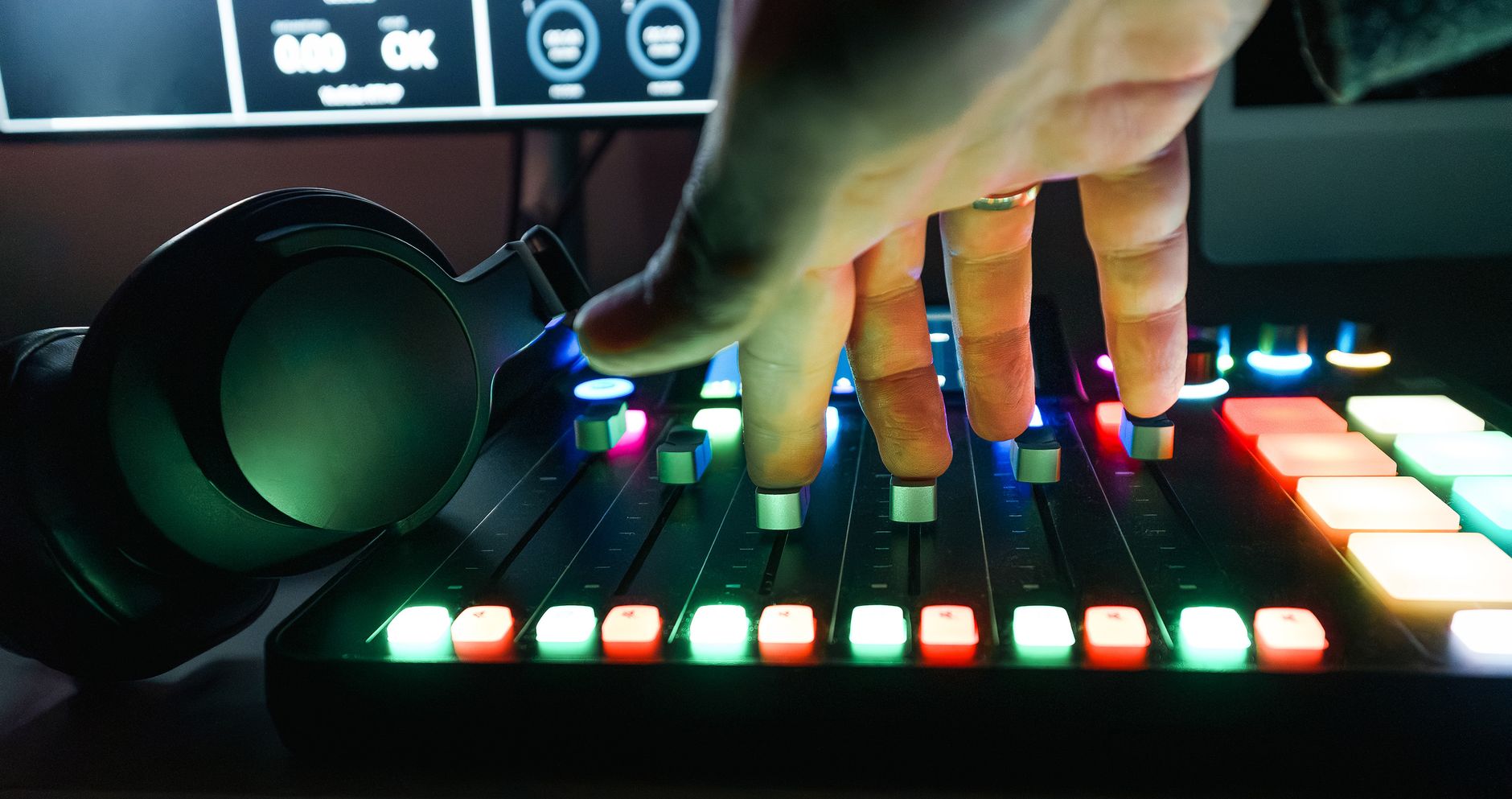
 Photo: Jakub Zerdzicki via Pexels
The real question at this price is which compromise fits your workflow. Mini-keys save desk space; full-size keys are easier for trained pianists; pad-heavy layouts suit beatmakers. The sections below map each option to its strongest use case.
How We Chose These MIDI Keyboards Under $100
Picks are based on manufacturer specifications, verified user review aggregates (Amazon, Sweetwater, B&H), and expert consensus across Gearslutz, r/WeAreTheMusicMakers, and MusicTech. Every keyboard listed has an established track record — no first-month releases. Price caps are confirmed at time of writing; street prices fluctuate.
Best MIDI Keyboard Under $100: Our Top Picks
Akai MPK Mini MK3
The MPK Mini MK3 is the default recommendation at this price. Twenty-five velocity-sensitive mini-keys, 8 backlit MPC pads, a 4-way thumbstick, built-in arpeggiator, and USB bus power — all confirmed via Akai’s published specifications. It ships with MPC Beats, a genuinely useful production suite. It’s the most versatile controller in the sub-$100 bracket.
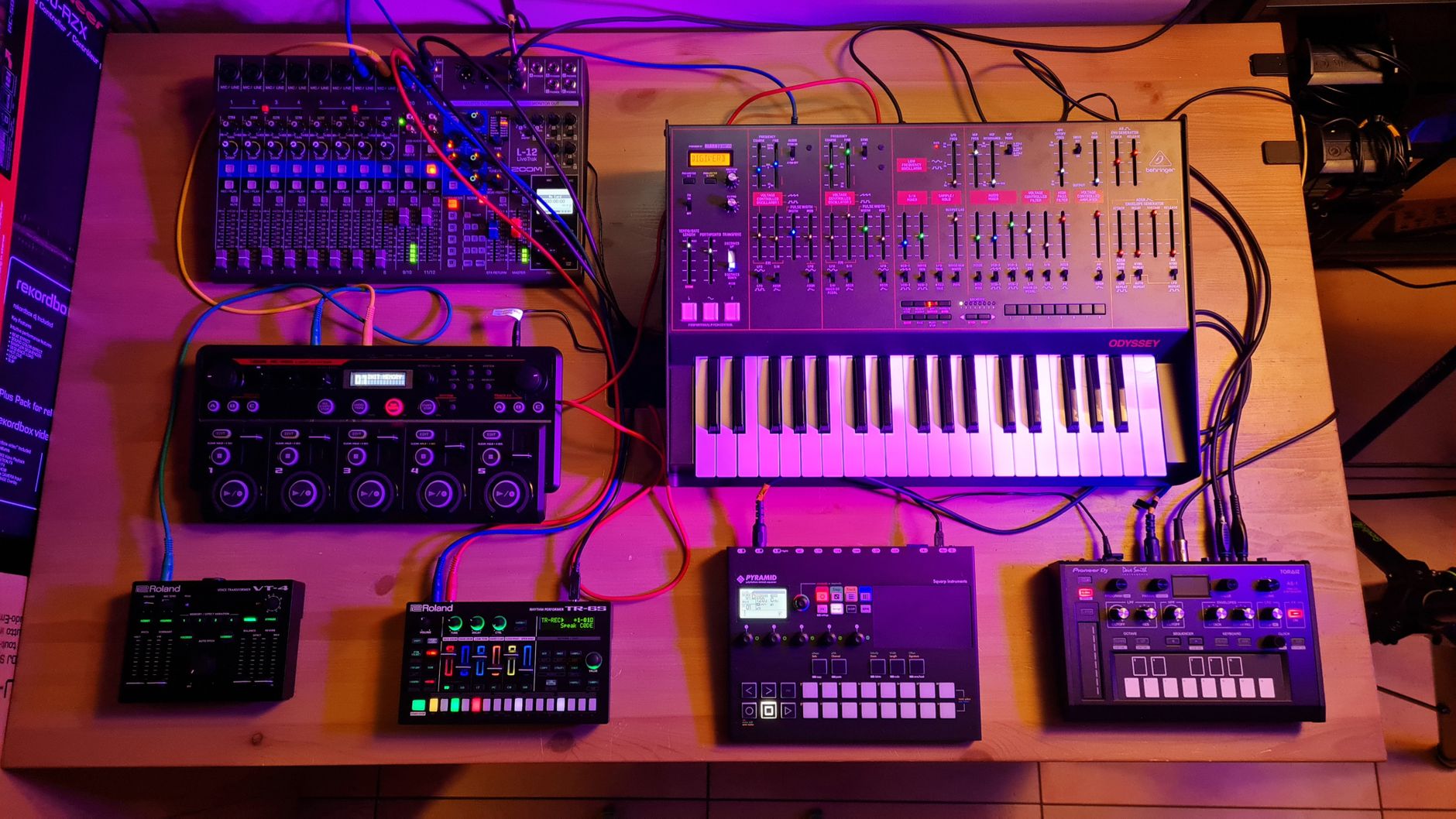 Photo: TStudio via Pexels
Specs
| Feature | Detail |
|---|---|
| Connections | USB-A (bus powered) |
| I/O Count | 25 mini-keys, 8 MPC pads, 4 assignable knobs |
| Preamps/Drivers | Class-compliant (driverless) |
| Bit Depth / Sample Rate | N/A (MIDI controller) |
| Bus Power | Yes |
| Best For | Beat production, melody writing, portability |
Who should buy it:
- First-time beginner: Best intro to MIDI — plug in, open a DAW, make sounds immediately. No drivers, no setup.
- Bedroom producer: The pads handle drums, the keys handle melodics. One device covers both.
- Gigging musician: Backpack-friendly at 1.4 lbs. Works with iOS via Camera Adapter.
- Prosumer: Fine as a portable sketchpad alongside a larger controller; limited for advanced MIDI routing needs.
M-Audio Keystation Mini 32 MK3
If you want full-action mini-keys with more range, the Keystation Mini 32 MK3 is the cleaner choice. Thirty-two full-width (but short) mini-keys, pitch and mod wheels, and octave shift — confirmed via M-Audio’s published specs. No pads, no knobs, but the keybed is widely praised in user reviews for playing feel at this price.
Specs
| Feature | Detail |
|---|---|
| Connections | USB-A (bus powered), sustain pedal input |
| I/O Count | 32 mini-keys, pitch wheel, mod wheel |
| Preamps/Drivers | Class-compliant |
| Bit Depth / Sample Rate | N/A |
| Bus Power | Yes |
| Best For | Melodic playing, chords, piano practice |
Arturia MiniLab MK3
The MiniLab MK3 punches above its weight in software value. Twenty-five mini-keys, 8 pads, 18 encoders and knobs — more hands-on control than any competitor at this price. Arturia bundles Analog Lab Lite (500+ presets), which published reviews consistently highlight as a strong differentiator. The encoders make it especially useful for plugin automation.
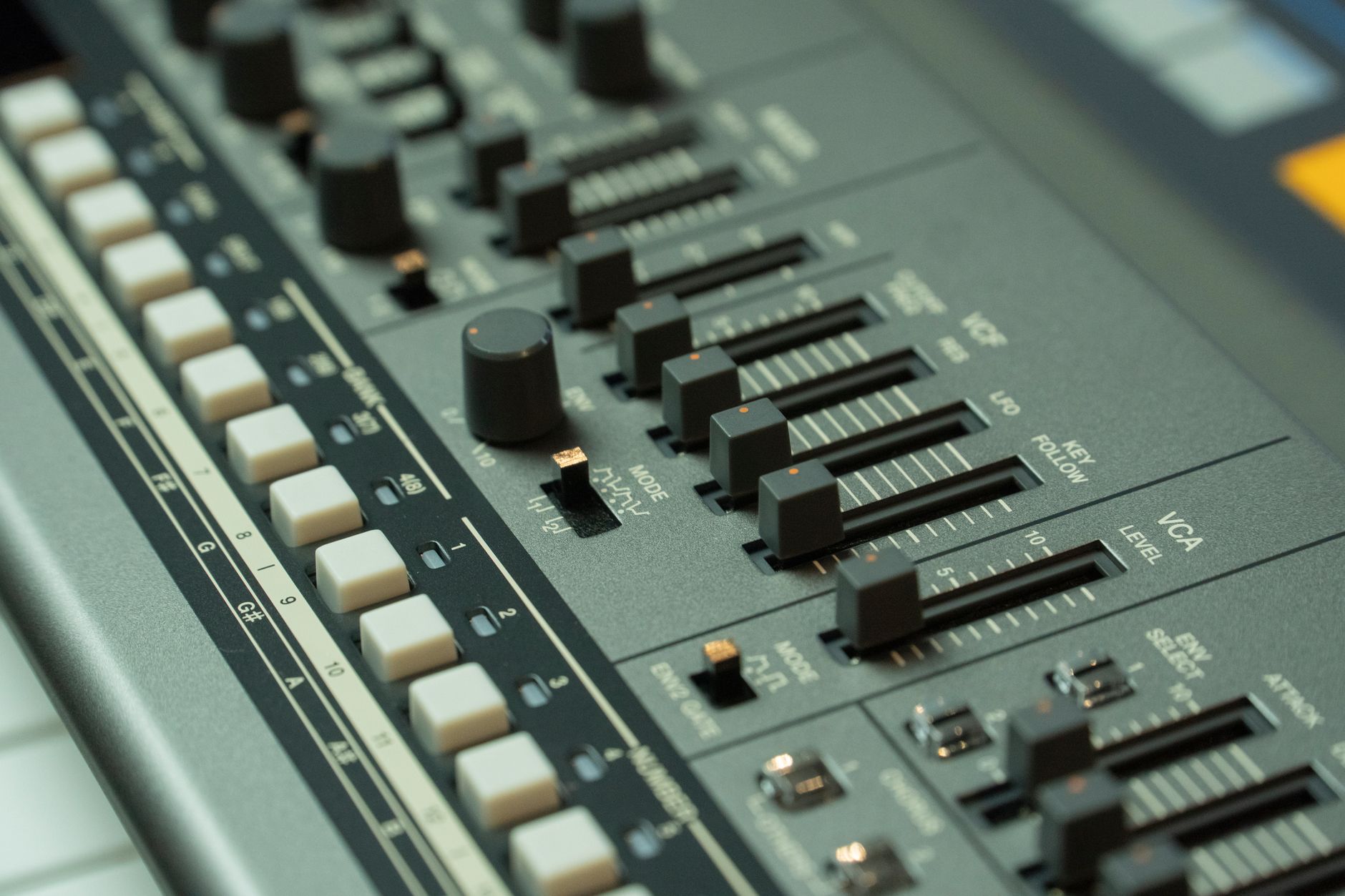 Photo: TStudio via Pexels
Specs
| Feature | Detail |
|---|---|
| Connections | USB-C (bus powered) |
| I/O Count | 25 mini-keys, 8 pads, 9 encoders, 9 faders |
| Preamps/Drivers | Class-compliant |
| Bit Depth / Sample Rate | N/A |
| Bus Power | Yes |
| Best For | DAW control, plugin automation, software synthesis |
Nektar SE49
The SE49 is the right call if you need 49 full-size keys without going over budget. At street prices that regularly dip under $100, it offers a semi-weighted keybed, pitch and mod wheels, and octave/transpose controls. Published specs confirm velocity sensitivity across all 49 keys. The trade-off is size — this is not a travel keyboard.
Specs
| Feature | Detail |
|---|---|
| Connections | USB-A (bus powered), sustain pedal input |
| I/O Count | 49 full-size keys |
| Preamps/Drivers | Class-compliant |
| Bit Depth / Sample Rate | N/A |
| Bus Power | Yes |
| Best For | Pianists, synth leads, DAW workflow with more range |
Donner DMK25 Pro
For the tightest budgets, the Donner DMK25 Pro is a functional entry point. Twenty-five mini-keys, 16 backlit pads, and 4 knobs at a street price regularly below $60. Expert consensus flags the keybed as the weakest in this group — lighter velocity response — but the pad count and price point make it a legitimate option for beatmakers on a strict budget.
Comparison Table: Best MIDI Keyboards Under $100
| Product | Street Price | Keys | Pads | Full-Size Keys | Best For | Verdict |
|---|---|---|---|---|---|---|
| Akai MPK Mini MK3 | ~$99 | 25 mini | 8 | No | All-round production | Top Pick |
| M-Audio Keystation Mini 32 MK3 | ~$79 | 32 mini | None | No | Melodic playing | Best keybed under $100 |
| Arturia MiniLab MK3 | ~$99 | 25 mini | 8 | No | DAW/plugin control | Best software bundle |
| Nektar SE49 | ~$99 | 49 full | None | Yes | Piano-style playing | Best key count |
| Donner DMK25 Pro | ~$55 | 25 mini | 16 | No | Budget beatmaking | Best under $60 |
What to Look for in a MIDI Keyboard Under $100
Key Size and Count
Mini-keys are fine for producers; full-size keys matter most for trained pianists. At 25 keys you get two octaves — enough for melodies and basic chords, with octave shift covering the rest. At 49 keys you get four octaves, which covers the practical range of most synth parts without shifting. According to user reviews, mini-key fatigue is real for players with larger hands logging hours of practice time.
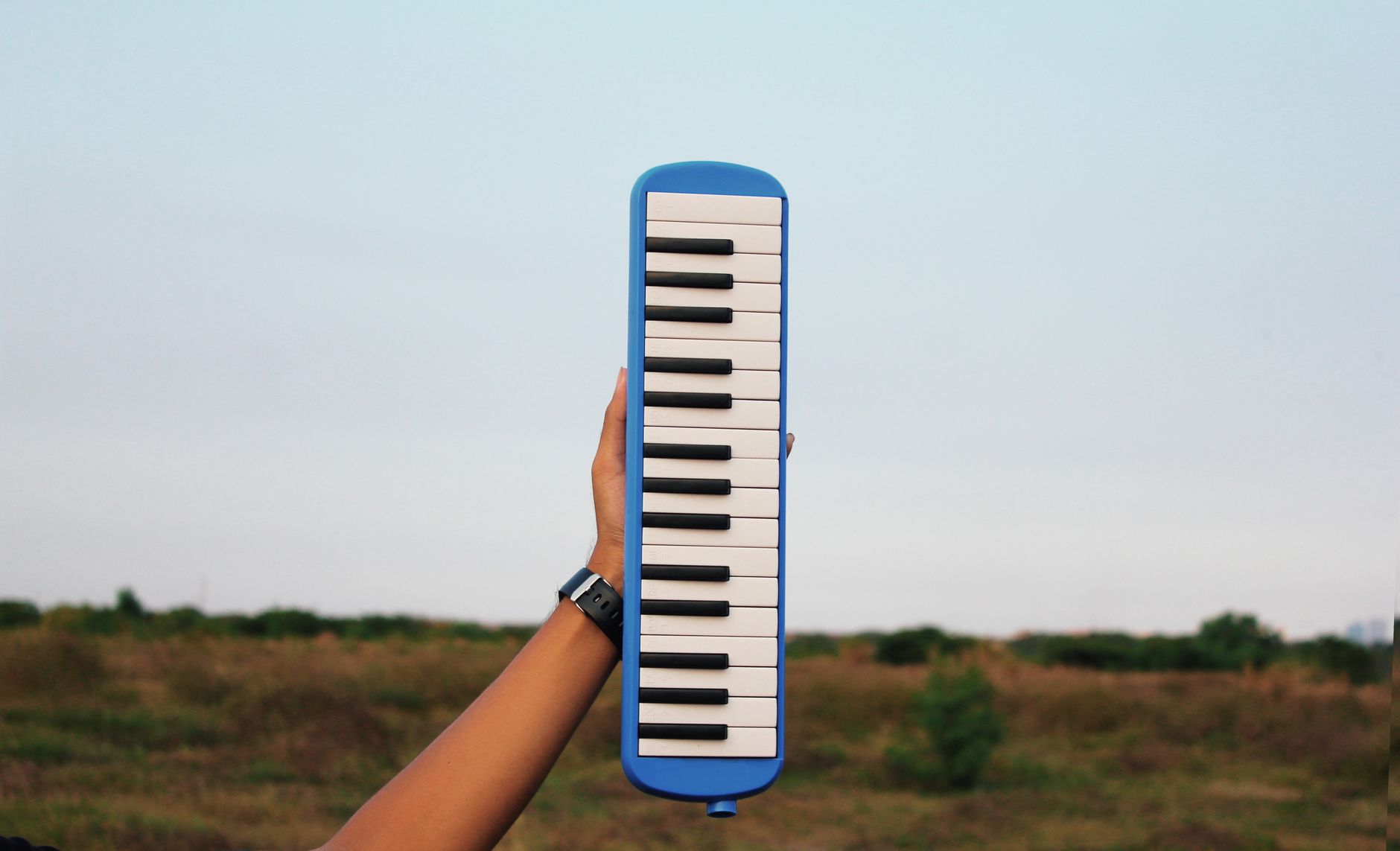 Photo: Ediprastyo via Pexels
Pads vs. Keys Trade-off
Pad-heavy controllers (DMK25 Pro’s 16 pads) favor beatmakers triggering samples and programming drums. Key-heavy controllers (Keystation Mini 32, SE49) favor melodic players. The MPK Mini MK3 and MiniLab MK3 split the difference. If you produce across genres, err toward the balanced layout.
Software Bundle Value
At this price, the included software is often worth more than the hardware. Arturia’s Analog Lab Lite has a street value around $49 standalone. Akai’s MPC Beats is a capable production suite. M-Audio bundles Ableton Live Lite and MPC Beats. Factor this in when comparing prices.
Bus Power vs. External Power
Every keyboard on this list is USB bus-powered — no wall adapter needed. This is the baseline expectation under $100, confirmed across all manufacturer specs listed here. If you’re evaluating a controller at this price that requires external power, that’s a red flag worth noting.
MIDI Keyboards Under $100 vs. $100–$200: Where’s the Ceiling?
The jump to the $100–$200 bracket buys aftertouch, better keybed action (semi-weighted to fully weighted), more knobs and faders, and sometimes MIDI DIN ports. Below $100, you’re trading those niceties for portability, simplicity, and price. For learning and basic production, published testing data from MusicRadar and Sound on Sound consistently confirms the sub-$100 tier is more than capable.
→ See also:
- Best MIDI Keyboards and Controllers (2026) — full-range guide covering every budget
- Best MIDI Keyboard for Beginners — focused on ease of setup and learning curve
- Akai MPK Mini MK3 Review (2026) — deep dive on the top pick
FAQ
What is the best MIDI keyboard under $100 for beginners? The Akai MPK Mini MK3 is the standard recommendation. It’s class-compliant (no drivers to install), includes MPC Beats for immediate production, and has an established support community. Most beginners will not outgrow it until they need a larger keybed or more advanced MIDI routing.
Do MIDI keyboards under $100 work with all DAWs? Yes. Every keyboard listed here is class-compliant USB MIDI, meaning it works with any DAW on Mac, Windows, and Linux without installing drivers. Ableton, Logic, FL Studio, GarageBand, and others will recognize them immediately. Software-specific mapping profiles (for deep DAW integration) vary by brand — Arturia and Nektar publish official mapping files for major DAWs.
Do I need full-size keys on a MIDI keyboard? Only if you have formal piano training or plan to practice technique. For programming beats, melodic sketches, or DAW control, mini-keys work fine according to broad user consensus. If you’re coming from piano lessons, the Nektar SE49’s 49 full-size keys are worth the extra desk space.
Can I use a MIDI keyboard under $100 for live performance? Yes, with caveats. The MPK Mini MK3 and MiniLab MK3 are genuinely giggable — compact, bus-powered, and reliable based on documented user reports from live contexts. Build quality is plastic rather than metal, so they need a bag or case. For demanding live rigs, the step up to a more robust chassis is worth the extra cost.
What software comes with cheap MIDI keyboards? At this tier, bundles typically include a stripped-down DAW (Ableton Live Lite or GarageBand-compatible instruments) plus a soft synth library. Arturia’s Analog Lab Lite and Akai’s MPC Beats are the standouts. M-Audio bundles both Ableton Live Lite and MPC Beats. Nektar and Donner offer lighter bundles — check the current box contents before buying, as software bundles change.
Is the Akai MPK Mini MK3 better than the MK2? Based on manufacturer specifications and published reviews, yes. The MK3 added a dedicated program button, updated the arpeggiator, improved pad sensitivity, and added a USB-C port on some regional variants. The MK2 remains a capable backup or secondary controller if found used at a significant discount, but the MK3 is the current standard.
Do MIDI keyboards under $100 have aftertouch? No. Aftertouch is not available at this price point — it’s a key feature that separates the $150+ bracket. If expression via aftertouch is important to your workflow (common in modular and cinematic production), budget accordingly or use a mod wheel as a workaround.
Editorial methodology: Assessments are based on manufacturer specifications, published user reviews, and editorial research. Physical hands-on testing is noted explicitly where it occurred. Rankings reflect our editorial judgment and are not influenced by affiliate commission rates. Full editorial policy · Affiliate disclosure