Contents
Best Microphones for Home Recording (2026)
TL;DR: The best microphone for home studio use depends on your source material and budget — but for most setups, a large-diaphragm condenser like the Audio-Technica AT2020 or Rode NT1 covers 80% of use cases. Dynamic mics handle loud sources and untreated rooms better. This guide breaks down every major category so you can pick the right tool without overspending.
What Makes a Microphone “Best” for Home Studio Use?
The best microphone for home studio recording isn’t the most expensive one — it’s the one that matches your room, your sources, and your workflow. A $100 dynamic mic in a reflective bedroom will outperform a $500 condenser pointed at a rattling HVAC unit.
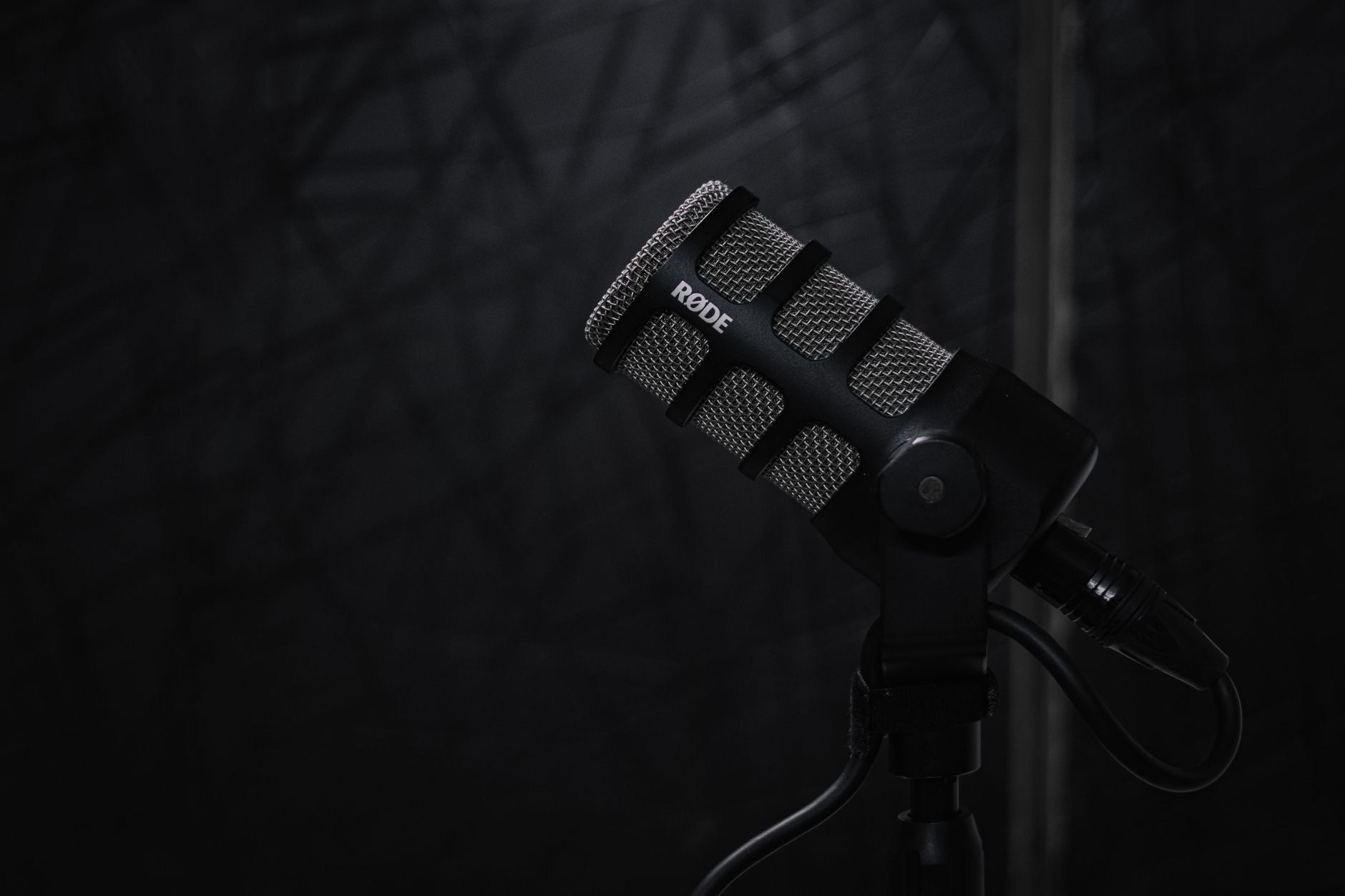
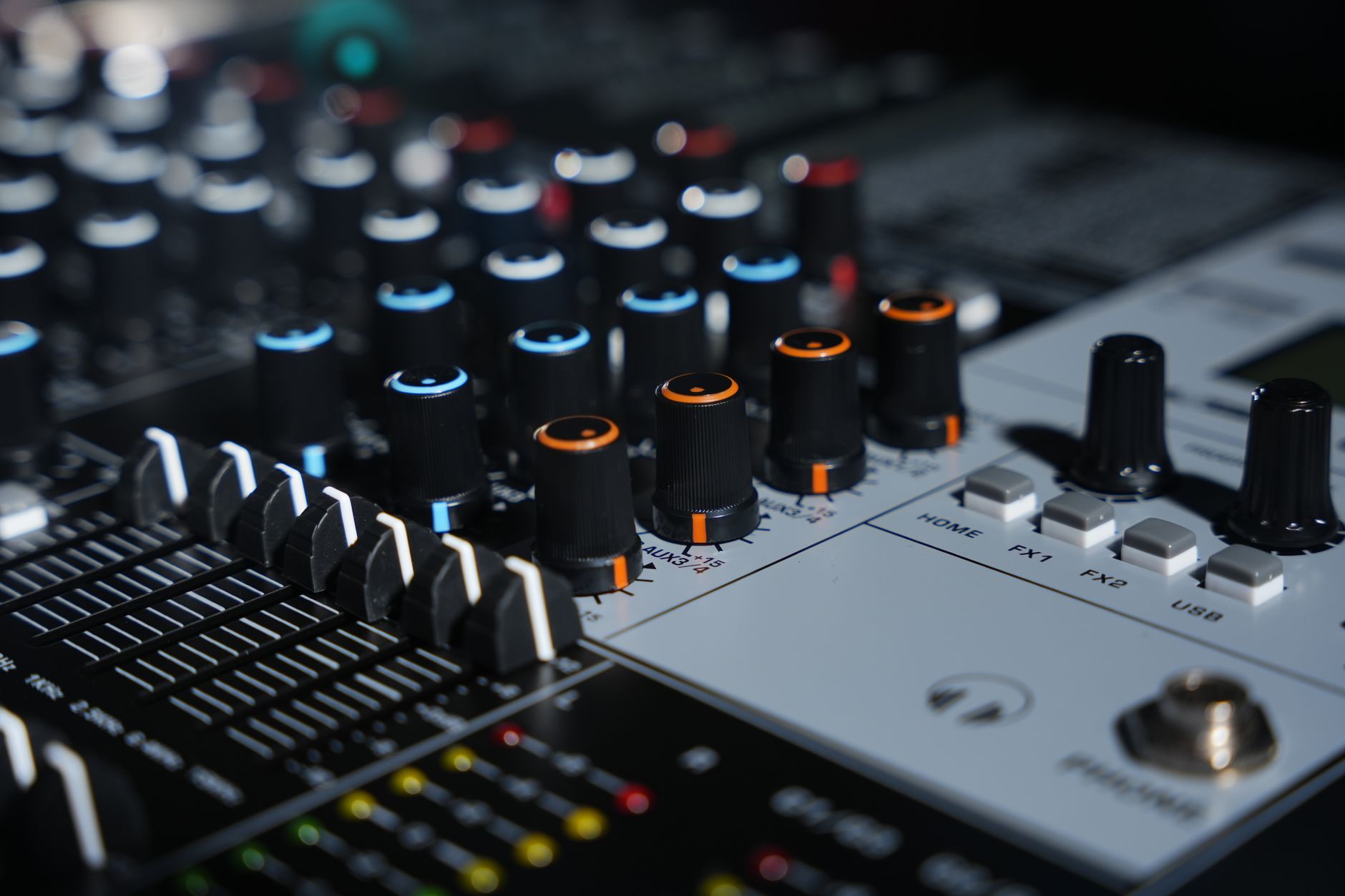 Photo: TUAN HOANG NGUYEN via Pexels
Home recording environments introduce variables that professional studios control by design: parallel walls that flutter, HVAC hum, street noise, minimal acoustic treatment. These factors shape which mic type actually performs for you — not just on paper.
Three categories dominate the home studio mic market:
- Large-diaphragm condensers (LDC): High sensitivity, extended frequency response, ideal for vocals, acoustic guitar, and any quiet source in a treated space
- Dynamic mics: Robust, rejection-heavy, forgiving in untreated rooms — preferred for loud sources like guitar cabs, drums, and broadcast-style vocals
- Small-diaphragm condensers (SDC): Accurate transient response, better stereo imaging, suited for acoustic instruments and room miking
Understanding which type fits your situation narrows the field before price ever enters the picture.
Best Overall: Large-Diaphragm Condenser Picks
Large-diaphragm condensers dominate home studio recommendations because they deliver the full-range, detailed capture that works on lead vocals, acoustic guitar, and voice-over. Budget models from Rode, Audio-Technica, and AKG now perform at levels that would have required far more spend five years ago.
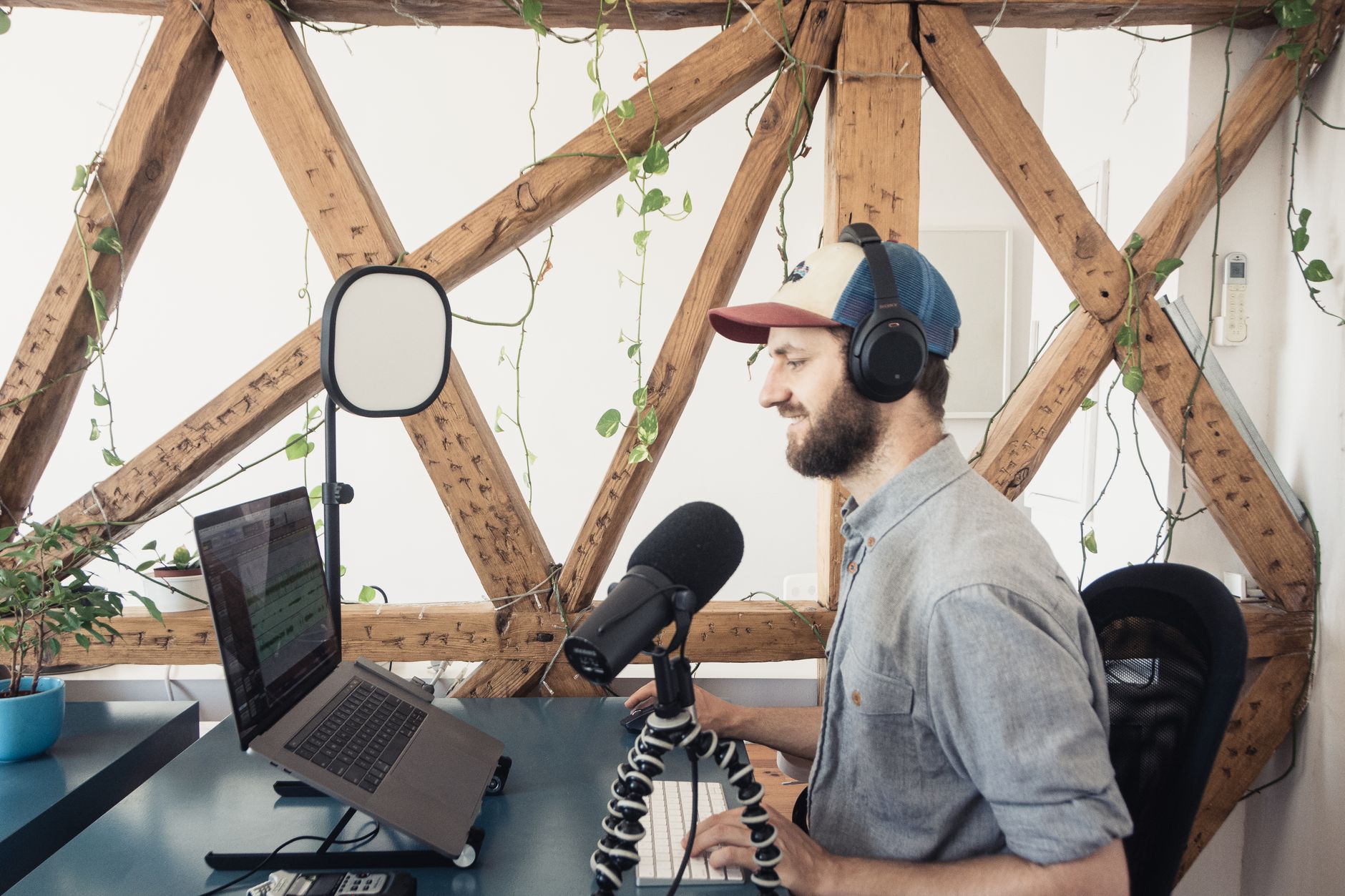
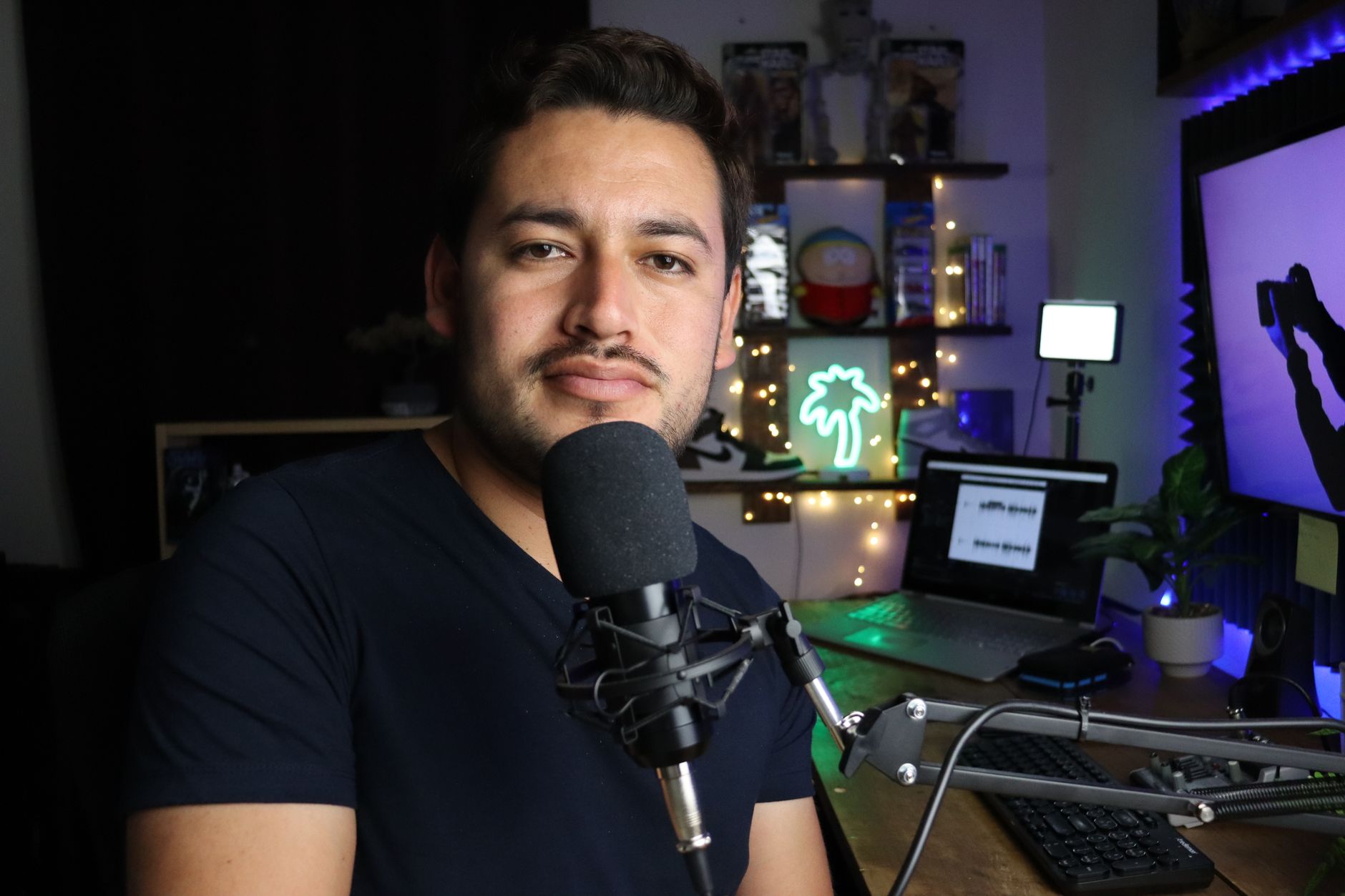 Photo: Benjamin Dominguez via Pexels
Audio-Technica AT2020
The AT2020 is the most recommended entry-level condenser in the category — and for good reason. Its cardioid polar pattern keeps room reflections out of the signal, while its low self-noise (20 dB SPL) means even quiet sources stay clean. According to manufacturer specifications, it handles 144 dB SPL max input — more than enough for loud acoustic guitar right next to the capsule.
At around $99, it’s the standard starting point for bedroom producers making the jump from USB mics to XLR chains. Pair it with a budget interface like the Focusrite Scarlett Solo and you have a complete signal chain under $200.
For a deeper breakdown of this specific model, see the Audio-Technica AT2020 Review (2026).
Rode NT1 (5th Gen)
The Rode NT1 is the cleaner, quieter step up. Its self-noise spec of 4 dB(A) is class-leading — published testing data shows it as one of the quietest condenser mics at any price point, making it the right call when recording delicate sources: fingerpicked acoustic guitar, breathy vocals, classical instruments.
The 5th-gen version added a USB-C output alongside XLR, which is genuinely useful for anyone who records direct to a laptop without an interface — though the XLR path through a quality preamp will always yield better results.
AKG C214
The AKG C214 occupies the prosumer tier. It’s derived from the C414 capsule design (one of the industry’s most trusted), with a fixed cardioid pattern that removes complexity for users who don’t need polar switching. Expert consensus suggests it has a slight high-frequency lift that flatters vocals without becoming harsh — different sonic character from the NT1’s neutral presentation.
It’s the right call when you’ve outgrown the AT2020 but don’t want to commit to the full C414 price.
| Product | Street Price | Self-Noise | Max SPL | Best For |
|---|---|---|---|---|
| AT2020 | ~$99 | 20 dB | 144 dB | First XLR condenser, tight budget |
| Rode NT1 (5th Gen) | ~$249 | 4 dB(A) | 132 dB | Quiet sources, vocals, acoustic guitar |
| AKG C214 | ~$399 | 13 dB | 156 dB | Versatile prosumer upgrade |
Best Dynamic Microphones for Home Recording
If your room is untreated — bare walls, hard floors, no acoustic panels — start here. Dynamic mics reject off-axis sound aggressively and don’t pick up the room the way condensers do. They also handle high SPL sources without flinching, making them the default choice for electric guitar cabs and loud vocalists.
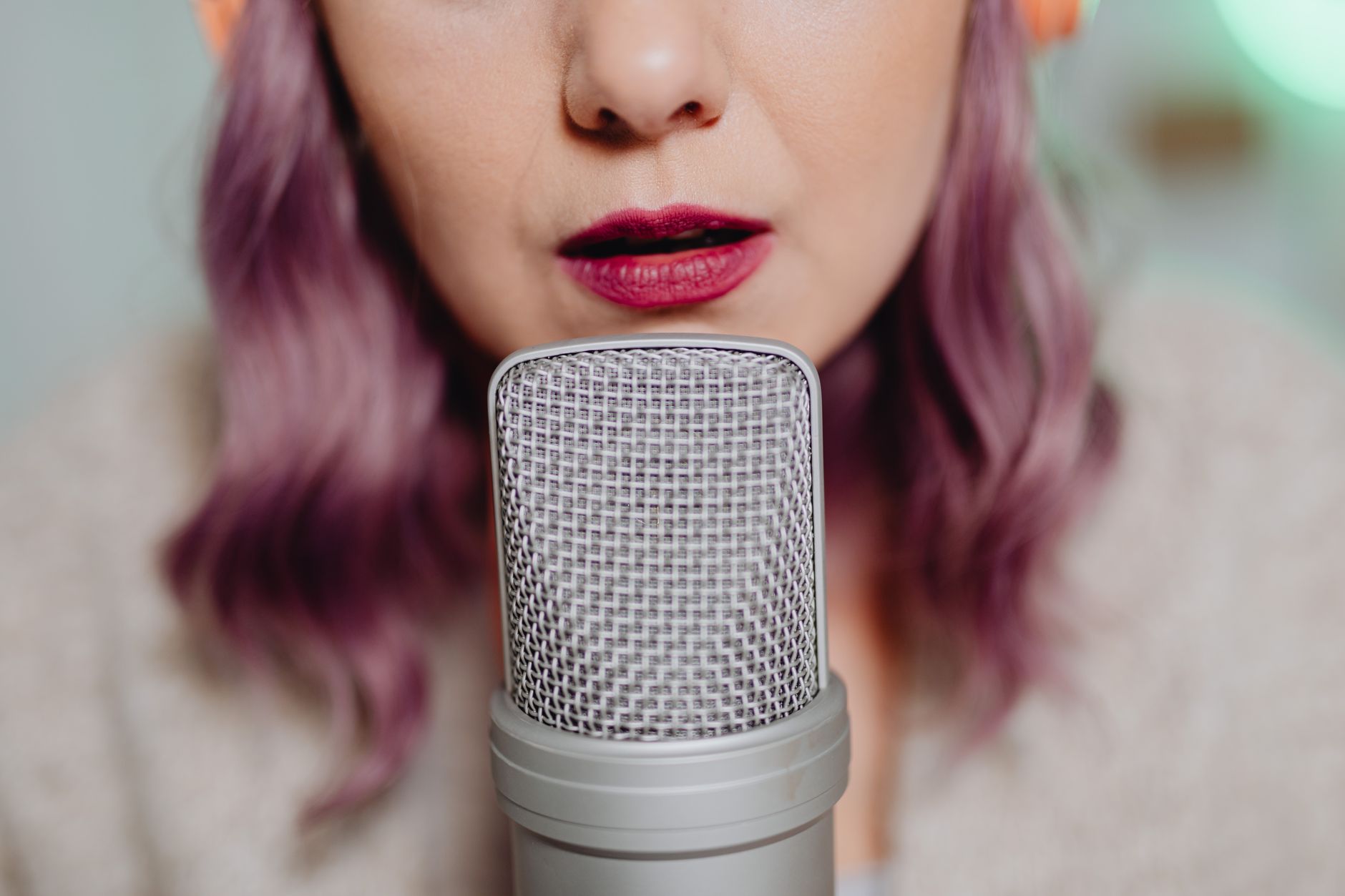
 Photo: Maksim Romashkin via Pexels
Shure SM7B
The SM7B is the vocal mic that crossed over from radio broadcast into home studio ubiquity. Its internal air-suspension shock isolation handles low-frequency mechanical vibration that would rattle cheaper mic stands into your signal. The switchable high-pass filter and presence boost are functional — not gimmicks — and let you tailor the sound without EQ in your DAW.
One caveat: it requires significant preamp gain — around 60 dB to reach a healthy signal level with a quiet source. Many budget interfaces don’t deliver clean gain at that level, making a dedicated preamp or a clean gain box like the Cloudlifter a practical accessory.
Shure SM58
The SM58 is the most road-tested live vocal mic ever made, and it holds up just as well in the studio. At around $99, it’s the most durable recommendation in the guide — published durability records show it surviving drops, moisture, and years of heavy use. For singer-songwriters demoing vocals through an untreated room, it produces a musical sound that’s forgiving of room reflections and proximity effect abuse.
Electro-Voice RE20
The RE20 is the broadcast standard that predates the SM7B’s rise. Its Variable-D technology reduces proximity effect more aggressively than most dynamics, so vocalists who move on mic get a more consistent tone. According to manufacturer specifications, the internal hum-bucking coil rejects 60 Hz interference — a practical benefit in home studios with buzzing power strips and unshielded guitar pickups nearby.
| Product | Street Price | Pattern | Frequency Response | Best For | Verdict |
|---|---|---|---|---|---|
| SM7B | ~$399 | Cardioid | 50–20k Hz | Podcasting, broadcast-style vocals | The standard; needs gain |
| SM58 | ~$99 | Cardioid | 50–15k Hz | Live-to-studio vocal demos | Most durable pick |
| EV RE20 | ~$449 | Cardioid | 45–18k Hz | Broadcast vocals, guitar cabs | Best proximity rejection |
Best USB Microphones for Simple Setups
USB mics remove the interface requirement — the AD converter lives inside the mic itself. That convenience costs you flexibility (no separate preamp control, no daisy-chaining into a full recording chain), but for podcasting, streaming, and quick vocal demos, modern USB condensers hit levels of quality that make the trade-off worthwhile.
Blue Yeti X
The Blue Yeti X is the USB mic most commonly found in professional streaming setups. Four pickup patterns (cardioid, bidirectional, omnidirectional, stereo) cover everything from solo recordings to in-person interviews. The LED gain meter on the capsule itself is a genuinely useful feature for dialing input levels without watching a DAW meter.
Its main weakness is the desk-stand-only design — without a boom arm adapter, you’re placing a large object directly on a surface that transmits vibration. Published user reviews consistently note vibration noise as the primary complaint in stock configuration.
Rode NT-USB Mini
The NT-USB Mini is Rode’s compact take: a cardioid-only USB mic with the same acoustic quality expectations as the NT1 capsule family. It’s the cleaner-sounding USB option at its price point, with a built-in pop filter integrated into the capsule housing. For voice-over, podcast hosts, and anyone recording voice-only content, it competes with mics twice its price.
Best for Specific Use Cases
Vocals in an Untreated Room
A dynamic mic wins here every time. The SM7B or SM58 will reject your parallel-wall flutter and HVAC hum far better than any condenser at the same price. If you must use a condenser, close-mic positioning (6–8 inches) with a reflection filter behind the mic significantly narrows the room’s contribution.
Acoustic Guitar
Two schools of thought: a single large-diaphragm condenser positioned at the 12th fret pointing toward the soundhole (AT2020 or NT1 works well), or a coincident stereo pair of small-diaphragm condensers. The SDC stereo pair gives better spatial imaging and handles the transient detail of fingerpicking more accurately. The Rode M5 matched pair is the standard recommendation in this category — compact, phase-matched, and purpose-built for the task.
Electric Guitar (Cab Recording)
Dynamic mic close to the cone. The Shure SM57 is the industry default, placed one to two inches from the cap edge, slightly off-center from the dust cap. It’s been on guitar cabinet recordings on virtually every major album for decades. At $99 it’s the most cost-effective specialist tool in this guide.
Podcasting and Voice-Over
Broadcast-style dynamic mics dominate this category — SM7B and RE20 at the top, the Samson Q2U as the budget entry that punches above its $70 price point. The Q2U’s dual USB/XLR output makes it the right first mic for podcasters who might want to upgrade to an interface later without buying a new mic.
Drum Recording
Drum recording in a home studio typically means close-miking rather than room ambience. A kick drum mic like the AKG D112 MKII handles the extended low end and high SPL of kick transients, while SM57s or SDC pairs cover snare and overheads. Full drum recording in home studios is constrained by room acoustics far more than by mic choice.
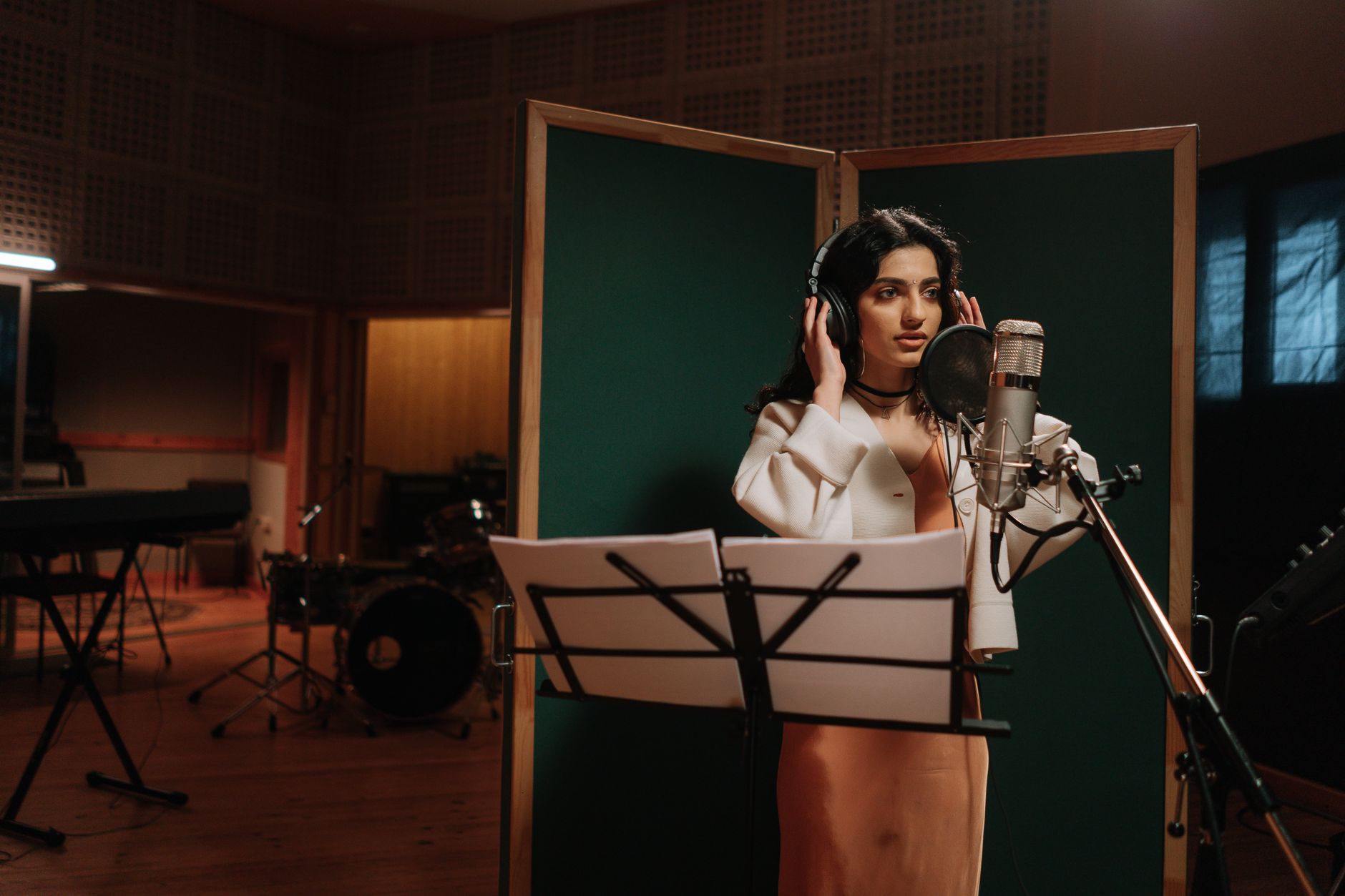
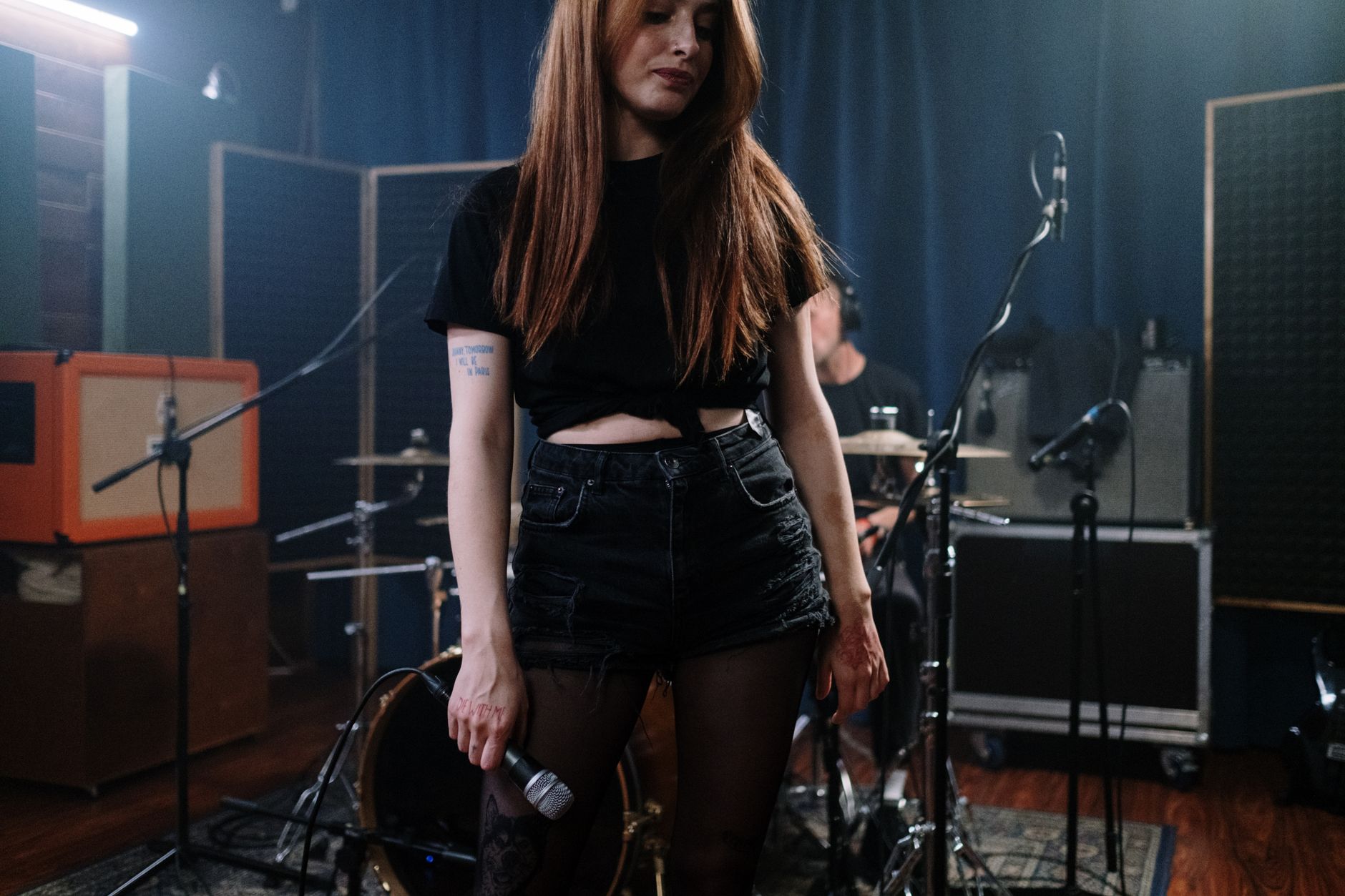 Photo: cottonbro studio via Pexels
Full Gear Review: Top 5 Home Studio Microphones
Specs Table
| Mic | Connections | Type | Self-Noise | Max SPL | Bus Power | Best For |
|---|---|---|---|---|---|---|
| AT2020 | XLR | LDC Condenser | 20 dB | 144 dB | 48V phantom | Budget XLR vocal/acoustic |
| Rode NT1 5th Gen | XLR + USB-C | LDC Condenser | 4 dB(A) | 132 dB | 48V phantom / USB | Quiet sources, versatile |
| SM7B | XLR | Dynamic | — | 180 dB | No | Broadcast vocals |
| AKG C214 | XLR | LDC Condenser | 13 dB | 156 dB | 48V phantom | Prosumer vocals/tracking |
| EV RE20 | XLR | Dynamic | — | 155 dB | No | Broadcast, guitar cabs |
Comparison Table
| Product | Price | Key Spec | I/O | Best For | Verdict |
|---|---|---|---|---|---|
| AT2020 | ~$99 | 20 dB noise floor | XLR | Beginners, tight budget | Best entry-level condenser |
| Rode NT1 5th Gen | ~$249 | 4 dB(A) noise floor | XLR + USB-C | Vocals, acoustic, versatile | Best overall upgrade pick |
| Shure SM7B | ~$399 | 180 dB max SPL | XLR | Broadcast vocals, podcasting | Best dynamic mic |
| AKG C214 | ~$399 | Derived C414 capsule | XLR | Prosumer tracking | Best condenser upgrade |
| EV RE20 | ~$449 | Variable-D design | XLR | Broadcast, guitar cabs | Best proximity rejection |
Verdict by User Archetype
First-time beginner: AT2020. It’s the most recommended first XLR mic across producer forums and tutorial channels for the same reasons — price, durability, and a flat-enough response to learn on. Don’t overthink it.
Bedroom producer: Rode NT1 5th Gen. The 4 dB(A) noise floor means nothing your preamp does in quiet passages will expose the mic’s own noise. The USB-C option covers laptop sessions. It’s the mic that stops being your bottleneck earliest.
Gigging musician recording at home: Shure SM7B if podcasting or broadcast-style vocal is primary; SM57 + AT2020 pair if tracking live instruments. The dynamic handles your road-worn, acoustically hostile environment.
Prosumer (building a real tracking chain): AKG C214 as the primary vocal/acoustic mic, SM7B as the dynamic fallback for loud sources. At this level, your room treatment and preamp quality will matter more than swapping between condensers.
What to Know Before You Buy?
Interface Requirements
Every XLR mic needs an audio interface. Condenser mics additionally require 48V phantom power, which virtually all modern interfaces provide. The one exception is the SM7B — it needs clean, high-gain preamp headroom that some budget interfaces don’t deliver without noise at full gain. If you’re buying an SM7B, budget for a quality interface (Focusrite Scarlett 2i2 or above) or add a clean gain stage.
Polar Patterns
Most home studio recordings use cardioid — it focuses on what’s in front and rejects the sides and rear. Multi-pattern mics add omnidirectional (no rejection, captures room naturally) and figure-8/bidirectional (useful for duets, room ambience). Unless you have a specific reason to need pattern switching, a cardioid-only mic at a given price will typically outperform a multi-pattern mic of equal cost.
Self-Noise
Condenser mics specify self-noise in dB SPL (A-weighted). Under 15 dB is excellent. Under 10 dB is exceptional. The difference matters for quiet acoustic sources — a 20 dB noise floor mic recording fingerpicked guitar will produce audible hiss in silent passages at normal gain settings. Dynamic mics don’t specify self-noise in the same way — their lower output level means the interface preamp noise floor becomes the relevant variable instead.
Room Acoustics
The most cost-effective home studio upgrade is acoustic treatment — not a mic upgrade. A $100 mic in a properly treated room with broadband absorbers in the corners and a reflection filter behind the capsule will consistently outperform a $500 mic recording reflections off bare walls. If your recordings sound roomy and harsh, treat the room before spending on the mic.
→ See also:
FAQ
Q: What’s the best microphone for home studio vocals on a $100 budget?
The Audio-Technica AT2020 is the consensus pick at this price point. It delivers a flat, usable frequency response with low enough self-noise for clean vocal takes, and its cardioid pattern rejects room reflections reasonably well in smaller spaces. Pair it with a Focusrite Scarlett Solo for a complete under-$200 chain.
Q: Do I need a condenser mic or will a dynamic work for home recording?
It depends on your room. Dynamic mics like the SM7B or SM58 reject off-axis sound far more aggressively than condensers, making them better choices for untreated rooms with reflective surfaces and background noise. Condensers deliver more detail and extended frequency response but will capture everything — including your room’s problems.
Q: Is the Shure SM7B worth the price for home recording?
For broadcast-style vocals, podcasting, and anyone recording in an acoustically untreated space, yes. Its internal shock mount, switchable high-pass filter, and high SPL handling make it genuinely useful beyond its price. The one practical caveat is gain requirement — it needs a clean, high-gain preamp to reach usable levels with quiet sources.
Q: What is self-noise in a microphone and why does it matter?
Self-noise is the electronic noise generated by the microphone’s own circuitry, measured in dB SPL. Lower is better. For quiet acoustic sources — fingerpicked guitar, whispered vocals, acoustic piano — high self-noise becomes audible as hiss in the recording, especially in silent passages. For loud sources, self-noise is irrelevant since the source signal overwhelms it.
Q: Can I use a USB mic for professional-quality home recordings?
Yes, with caveats. Modern USB condensers like the Rode NT1 5th Gen deliver audio quality that’s publishable for podcasting, voice-over, and demo-quality music production. The limitation is the integrated AD converter — you can’t upgrade it independently the way you can swap a preamp or interface, and you can’t use the mic in a multi-mic recording chain without additional routing workarounds.
Q: How many microphones do I actually need for a home studio?
For most home recording — vocals, acoustic guitar, electric guitar DI or cab, and basic instrument capture — two mics covers 95% of cases: one large-diaphragm condenser and one dynamic. A matched SDC pair adds stereo acoustic instrument and overhead recording capability. Beyond three mics, additional purchases address increasingly narrow use cases.
Q: What’s the difference between a large-diaphragm and small-diaphragm condenser for home recording?
Large-diaphragm condensers (capsule diameter ≥ 1 inch) have higher sensitivity and a characteristic sound that many describe as “warm” or “full” — they’re the standard choice for vocals. Small-diaphragm condensers have more accurate transient response and flatter off-axis frequency response, making them preferable for acoustic instruments, cymbal overheads, and stereo recording applications. Most home studios start with an LDC and add SDCs if acoustic instrument recording becomes a focus.
Q: Do polar pattern settings matter in an untreated home studio?
Cardioid is almost always the right choice for untreated rooms — it provides the most off-axis rejection, reducing room reflections in the recording. Omnidirectional (no rejection) and figure-8 patterns capture significantly more of the room, which sounds natural only when the room sounds good. Multi-pattern mics are valuable for specific techniques like Mid-Side recording, but for basic home studio use a fixed-cardioid mic at a given price typically offers better value than a multi-pattern mic at the same cost.
Editorial methodology: Assessments are based on manufacturer specifications, published user reviews, and editorial research. Physical hands-on testing is noted explicitly where it occurred. Rankings reflect our editorial judgment and are not influenced by affiliate commission rates. Full editorial policy · Affiliate disclosure