Contents
Best Mic for Rap Vocals: Top Picks for Every Budget
TL;DR: The best mic for rap vocals depends on your budget and setup, but the Audio-Technica AT2035 and Shure SM7B cover the widest range of rap vocal styles. For under $150, the AT2035 delivers clean, detailed capture ideal for punchy rap delivery; the SM7B is the go-to for professional booths and polished broadcast-quality tone. Match the mic to your room treatment level — large-diaphragm condensers reward treated spaces, dynamics forgive untreated ones.
What Makes a Great Mic for Rap Vocals?
Direct Answer: Rap vocals demand transient clarity, proximity-effect control, and rejection of background noise. Unlike sung vocals that benefit from extended warmth, rap requires tight low-mids and fast attack response so consonants — the t’s, k’s, and s’s that define lyrical clarity — cut through the mix without added artifacts. Your room acoustics dictate whether you reach for a condenser or dynamic.
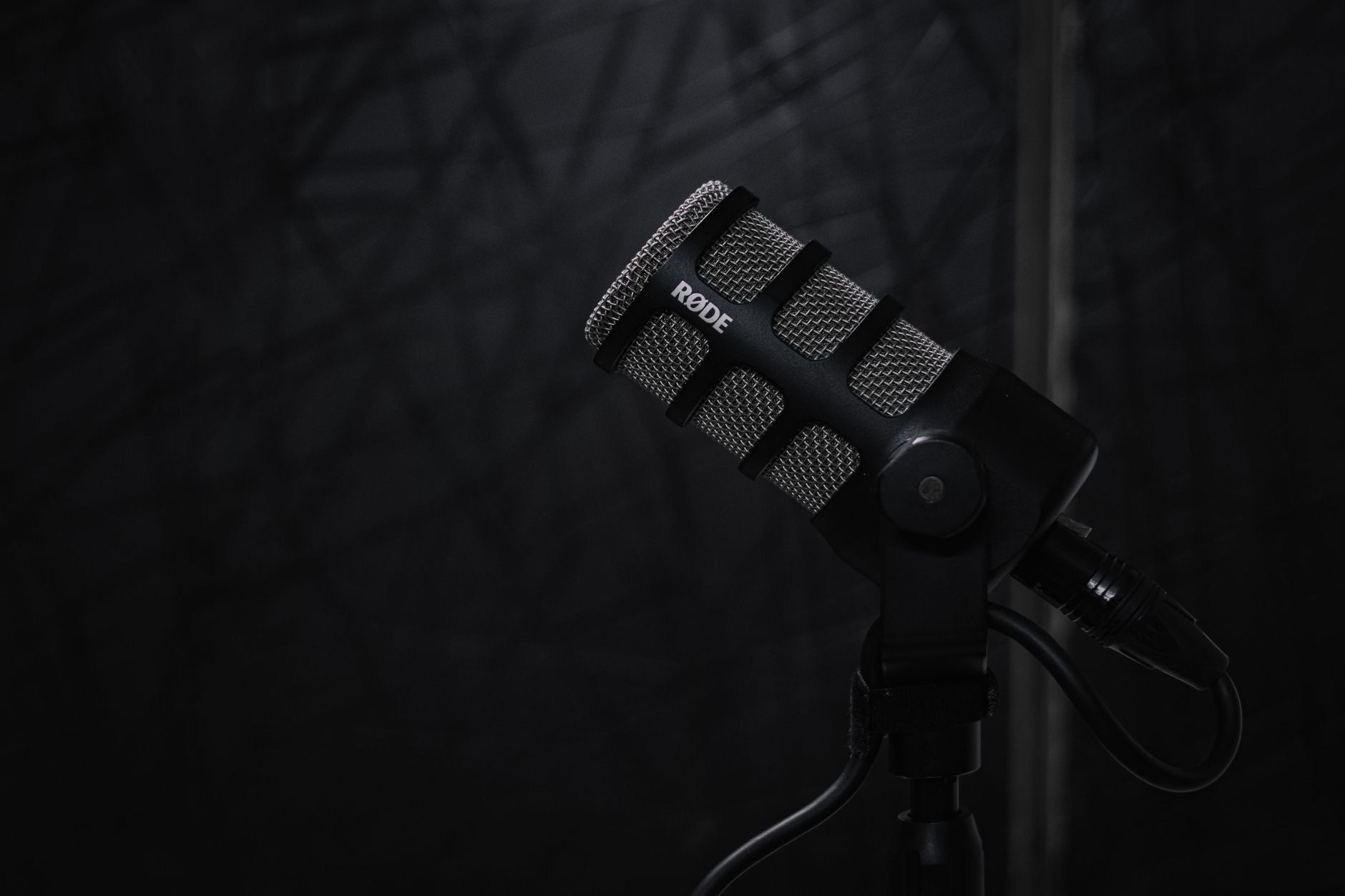
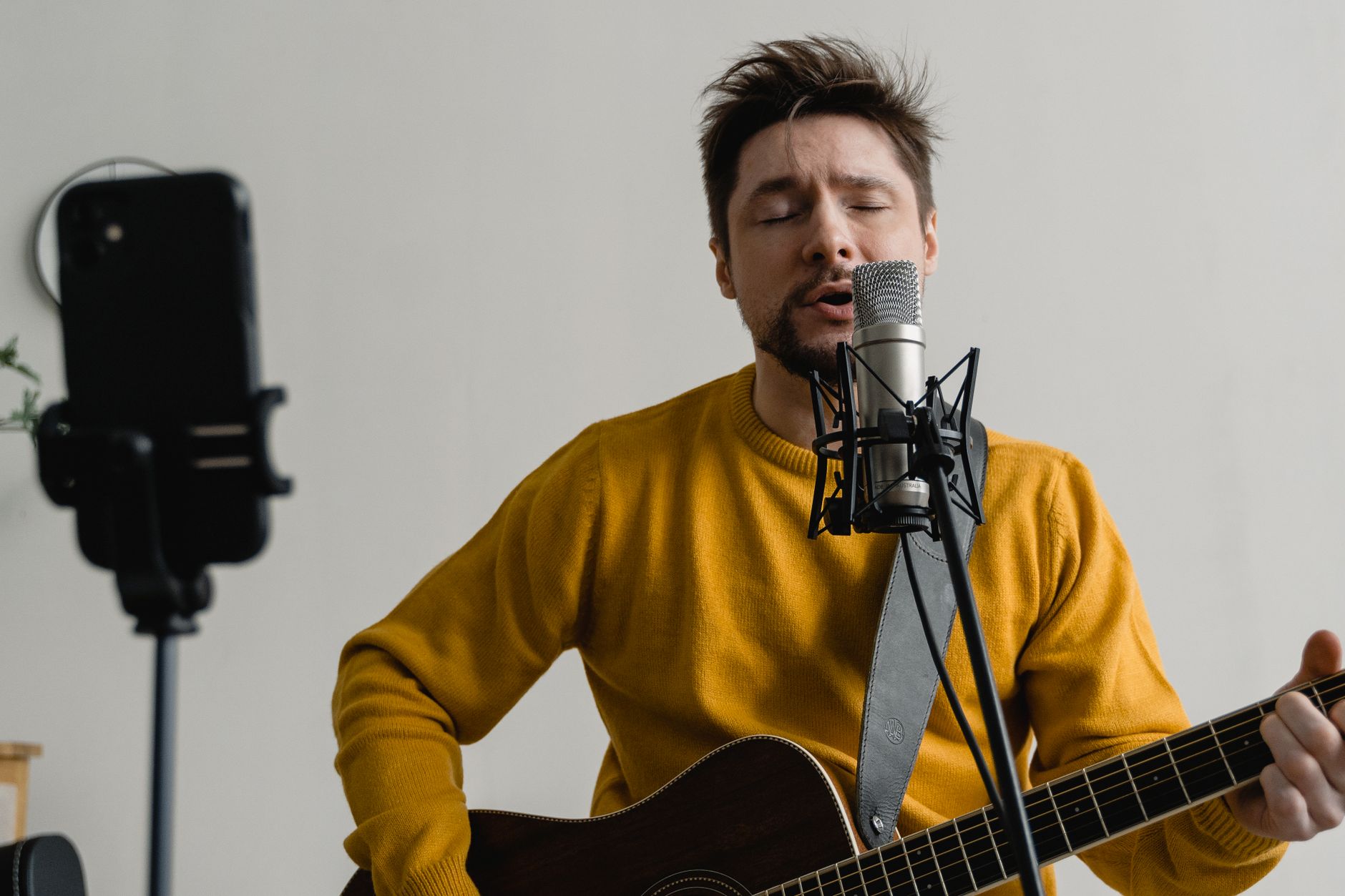 Photo: Tima Miroshnichenko via Pexels
Rap delivery is percussive. Plosives hit hard, verses move fast, and engineers need clean, usable takes without constant de-essing and transient sculpting in post. The best mic for rap vocals captures that energy without blurring syllables or adding a hyped top-end that turns bright mixes harsh.
Three factors narrow the decision:
- Room treatment — untreated rooms favor dynamic mics (Shure SM7B, Electro-Voice RE20) because they reject room reflections. Treated rooms let condensers shine.
- Interface preamp quality — the SM7B needs 60–70 dB of clean gain. A budget interface without a Cloudlifter will audibly noise-floor your signal.
- Vocal delivery style — close-mic aggressive delivery works well on dynamics; airy, melodic-rap or trap flows often benefit from condenser detail.
Best Mics for Rap Vocals: Top Picks
Shure SM7B — Best Overall for Professional Rap Vocals
Direct Answer: The Shure SM7B is the most widely used mic for rap vocals in both professional and home studios. Its dynamic capsule rejects background noise, handles high SPL without distortion, and produces a mid-forward character that sits naturally in dense, 808-heavy rap mixes. Requires 60+ dB of clean gain — pair it with a Cloudlifter or a high-gain preamp.
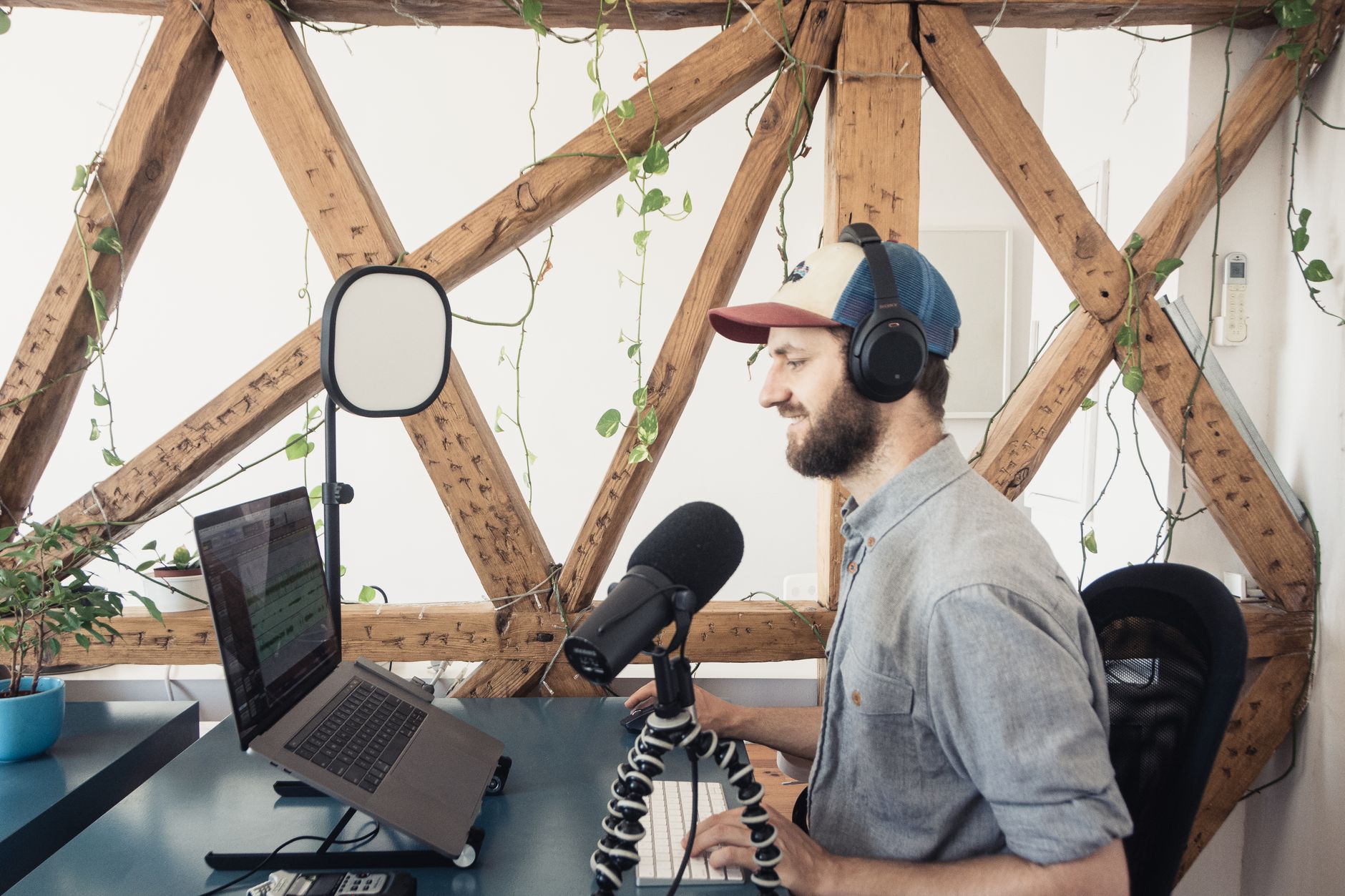
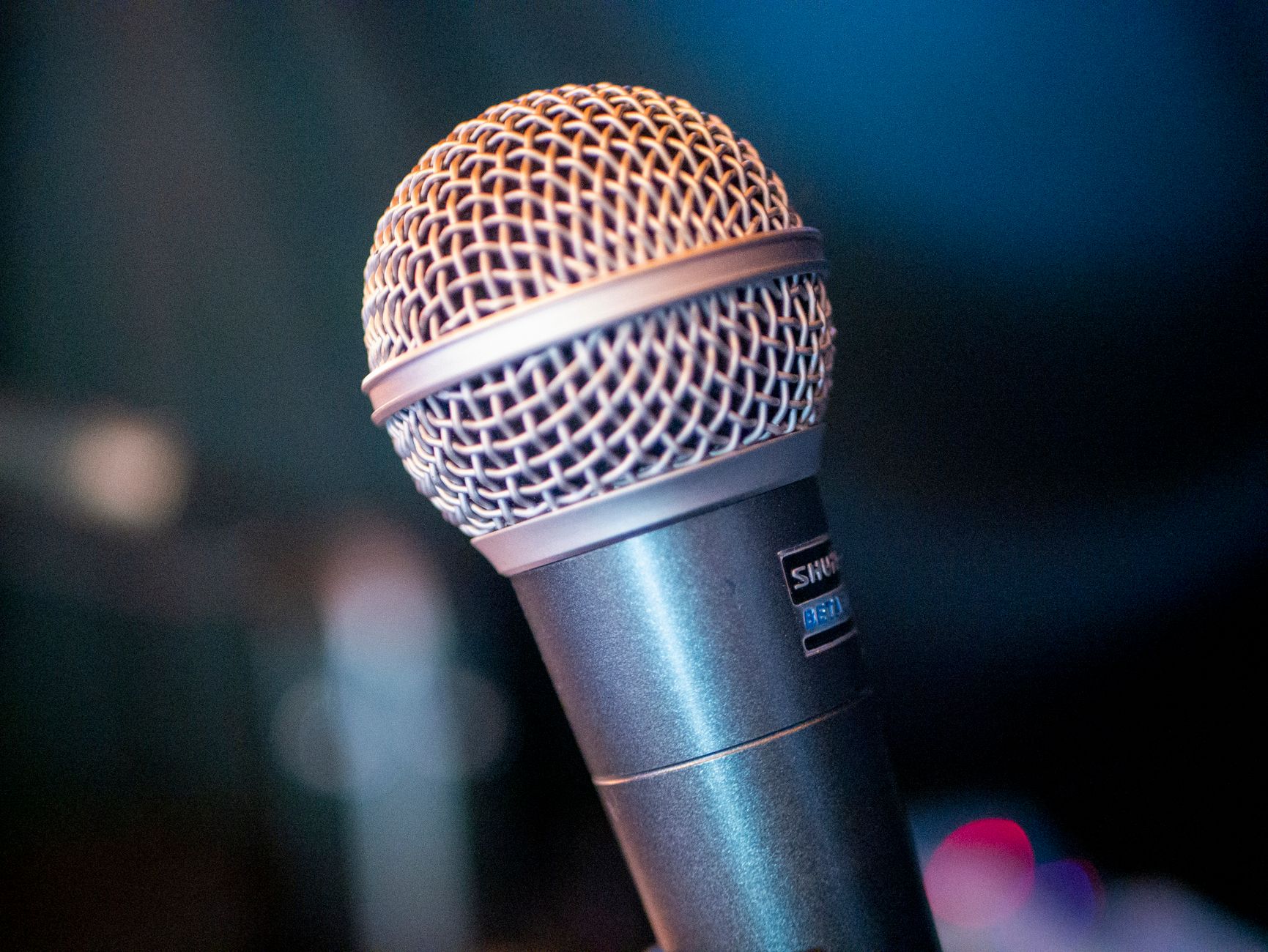 Photo: Patricio Quintana via Pexels
The SM7B became iconic through broadcast (it recorded Michael Jackson’s Thriller), and rap engineers have adopted it precisely because it doesn’t flatter — what you hear is what you get, with a natural presence peak around 5 kHz that adds articulation without artificially brightening sibilants.
Specs Table:
| Spec | Detail |
|---|---|
| Type | Dynamic, moving-coil |
| Polar pattern | Cardioid |
| Frequency response | 50 Hz – 20 kHz |
| Sensitivity | -59 dBV/Pa |
| Gain requirement | 60–70 dB recommended |
| Switches | High-pass filter, presence boost |
| Best For | Home studios, untreated rooms, aggressive delivery |
The built-in pop filter and A/B switchable presence boost give engineers flexibility without additional hardware. For untreated bedrooms or basement studios, no other mic in this price tier punishes reflections less.
Verdict by archetype:
- First-time beginner: Only if you have a quality interface — the gain requirement is real.
- Bedroom producer: Ideal. Forgives untreated rooms, works across subgenres.
- Gigging musician: Not a live mic — studio only.
- Prosumer: Starting point for a polished chain. Upgrades come from preamps and processing, not the capsule.
Audio-Technica AT2035 — Best Condenser Under $150
Direct Answer: The Audio-Technica AT2035 is the best condenser mic for rap vocals under $150. It delivers low self-noise (12 dB-A), a flat midrange, and a gentle air peak above 10 kHz that adds presence without harshness. Works best in acoustically treated rooms or with a reflection filter.
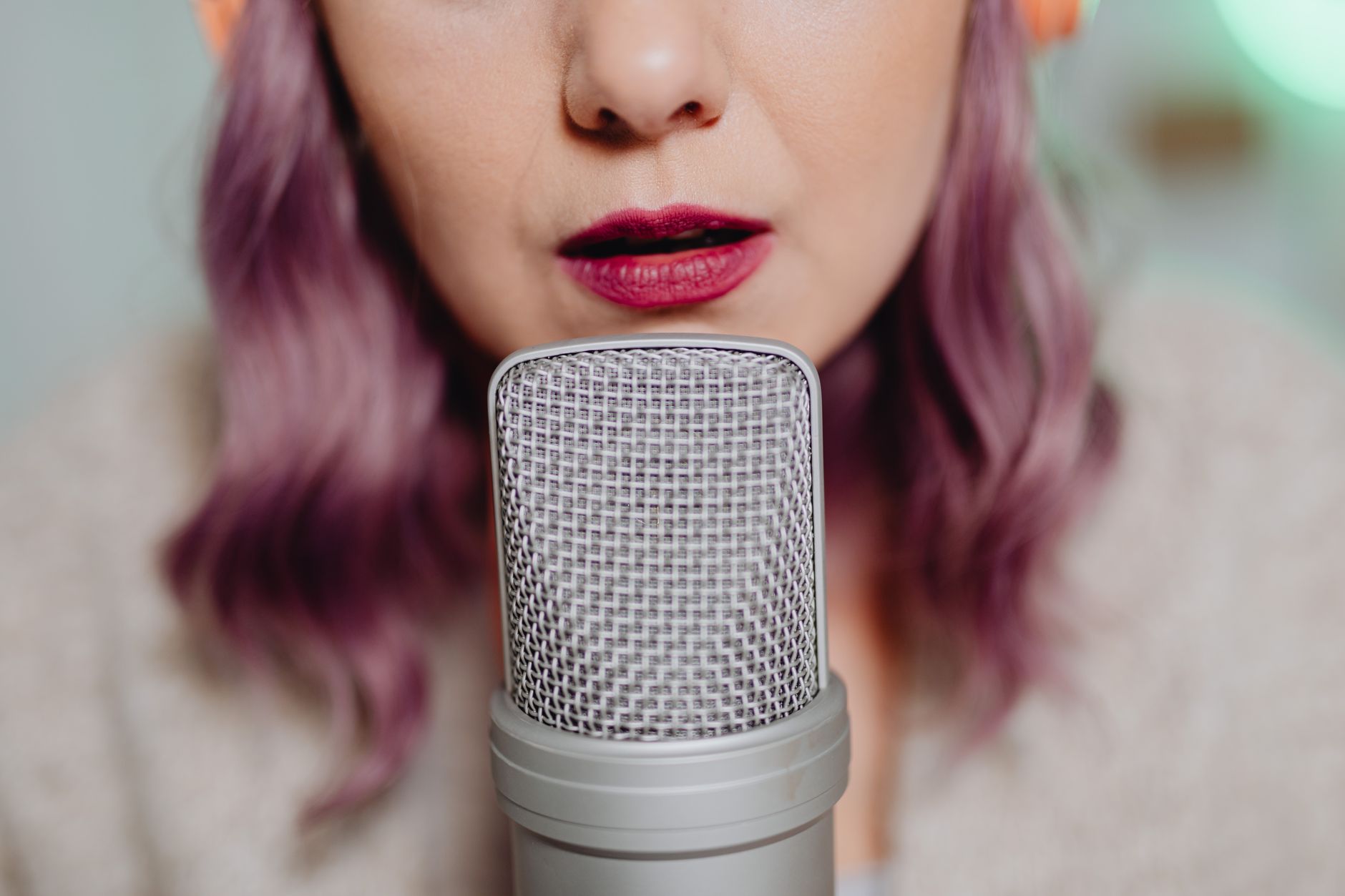
 Photo: Moses Londo via Pexels
The AT2035 handles 148 dB SPL max, meaning aggressive, close-mic rap delivery won’t clip the capsule. Its cardioid pattern has tight, consistent rejection at the rear — useful in semi-treated spaces. The switchable 80 Hz high-pass filter removes rumble from HVAC and floor vibration cleanly.
Published frequency response data shows a slightly scooped low-mid (around 200–400 Hz) that naturally thins out boxy buildup, a common problem in bedroom studios where standing waves accumulate in that range. This makes the AT2035 more mix-ready for rap than warmer condensers like the Blue Yeti Pro that often require corrective EQ.
Specs Table:
| Spec | Detail |
|---|---|
| Type | Large-diaphragm condenser |
| Polar pattern | Cardioid |
| Frequency response | 20 Hz – 20 kHz |
| Self-noise | 12 dB-A |
| Max SPL | 148 dB (with pad) |
| Phantom power | 48V required |
| Best For | Treated rooms, melodic rap, budget home studios |
Rode NT1 (2023) — Best for Crystal-Clear Articulation
Direct Answer: The Rode NT1 (2023 version) has a self-noise floor of 4 dB-A — among the lowest of any large-diaphragm condenser at this price. For rap vocals where every word needs to register, this translates to clean takes even in quiet passages, and an extended top end that captures consonant attack with precision.
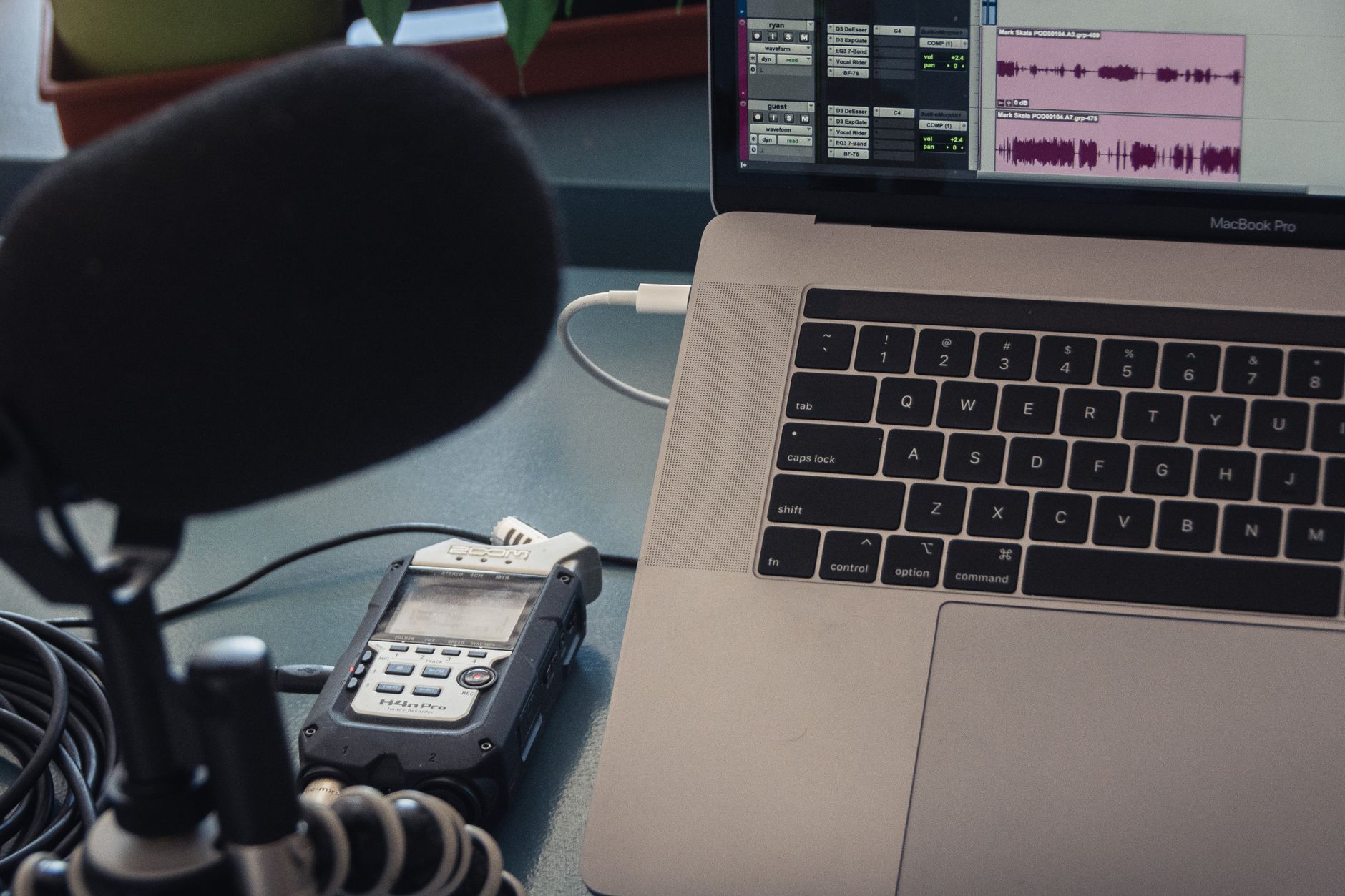 Photo: Jeremy Enns via Pexels
Rode’s HF1 capsule in the 2023 revision introduced a USB-C output alongside XLR, making it interface-independent for producers working ITB. Expert consensus across recording forums and engineer reviews consistently places the NT1’s noise floor and transient response ahead of comparably priced competitors.
The trade-off: the NT1’s sensitivity and extended HF response are more demanding of room acoustics. In an untreated space, parallel reflections and flutter echo appear clearly in the recording. A reflection filter behind the capsule or basic acoustic panels behind the vocalist are non-negotiable.
Specs Table:
| Spec | Detail |
|---|---|
| Type | Large-diaphragm condenser |
| Polar pattern | Cardioid |
| Frequency response | 20 Hz – 20 kHz |
| Self-noise | 4 dB-A |
| Max SPL | 142 dB |
| Outputs | XLR + USB-C (2023) |
| Best For | Treated studios, technically demanding flows, prosumer setups |
Electro-Voice RE20 — Best for Low-Proximity Coloration
Direct Answer: The Electro-Voice RE20 uses Variable-D technology to suppress proximity effect — the bass buildup that occurs when vocalists work close to the capsule. For rappers who move during takes or work at varying distances, the RE20 delivers more consistent low-end across the session than any standard cardioid pattern mic.
Used extensively in broadcast and radio, the RE20’s published specs show a flat frequency response from 45 Hz to 18 kHz with minimal pattern deviation at off-axis angles. Aggressive deliveries that would cause proximity-induced low-mid buildup on a standard cardioid remain controlled and consistent. The downside is price — at $450+, it’s a professional investment that’s only justified when consistency and low-mid control are chronic problems in your workflow.
Aston Microphones Origin — Best Mid-Tier British Character
Direct Answer: The Aston Origin offers a distinctive rolled-steel mesh head and a voicing characterized by a 3 kHz presence lift that adds forward aggression to rap vocal delivery. Published testing data from independent reviewer measurements shows consistent cardioid pattern integrity and low coloration in the 200–800 Hz range, which keeps rap vocals from sounding congested.
At $200, the Origin sits between budget condensers and prosumer options, and performs consistently above its price in user-reported comparisons. It ships with a proprietary pop filter built into the head — one less accessory to budget for.
Full Comparison Table
| Product | Price | Type | Self-Noise | Max SPL | Best For | Verdict |
|---|---|---|---|---|---|---|
| Shure SM7B | ~$360 | Dynamic | 33 dB-A equiv. | High SPL | Untreated rooms, broadcast | Best overall |
| Audio-Technica AT2035 | ~$130 | Condenser | 12 dB-A | 148 dB | Budget treated rooms | Best under $150 |
| Rode NT1 (2023) | ~$270 | Condenser | 4 dB-A | 142 dB | Quiet, precise recording | Best articulation |
| Electro-Voice RE20 | ~$450 | Dynamic | N/A | High SPL | Variable-distance vocalists | Best low coloration |
| Aston Origin | ~$200 | Condenser | 16 dB-A | 135 dB | Mid-tier treated rooms | Best British character |
Dynamic vs. Condenser: Which Is Right for Rap?
Direct Answer: Dynamic mics win in untreated rooms. Condenser mics win in treated rooms. This isn’t a preference — it’s acoustics. Large-diaphragm condensers are more sensitive to everything in the room; dynamics pattern-reject room noise by design. If you haven’t treated at least the first reflection points behind and beside the vocalist, a dynamic mic produces cleaner recordings regardless of spec-sheet comparisons.
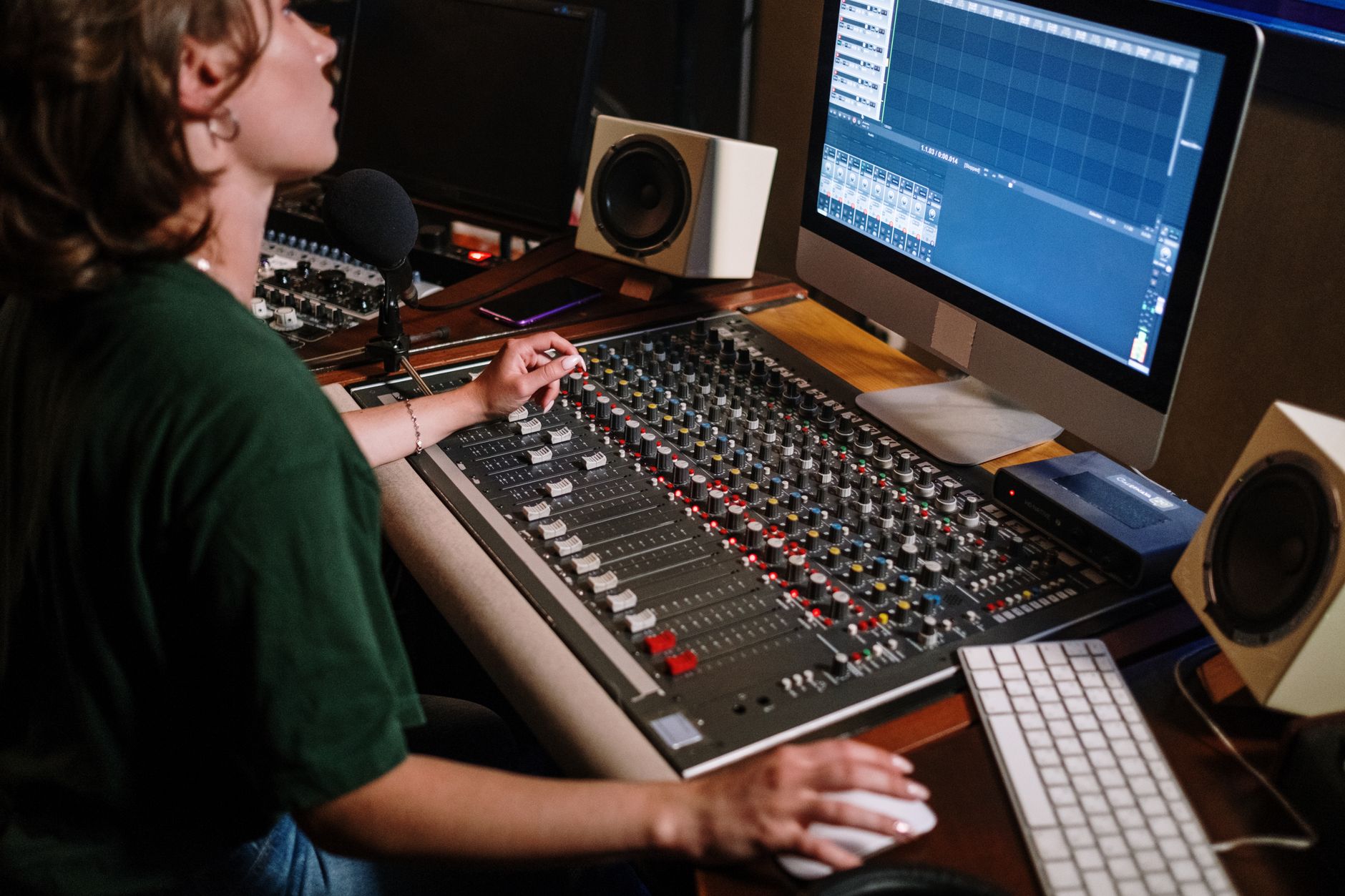 Photo: cottonbro studio via Pexels
Expert consensus among recording engineers is consistent on this point: a Shure SM7B in an untreated bedroom beats an expensive condenser in the same room. Once you’ve added mass-loaded vinyl on walls, absorption panels at reflection points, and a bass trap in at least one corner, the calculation reverses — condensers’ extended frequency response and lower noise floors make them the correct tool.
Key heuristics:
- Clap your hands in the recording space. If you hear flutter echo (rapid repetitive decay), treat first, upgrade mic second.
- Budget acoustic treatment before upgrading the capsule. A $300 AT2035 in a treated space outperforms a $1,000 mic in a reflective one.
- If you can’t treat the room, the SM7B or RE20 are not compromises — they’re correct engineering decisions.
What Interface Do You Need?
The SM7B and RE20 require significant gain — published specifications show 60 dB and 63 dB respectively to reach nominal operating levels. Most budget interfaces (Focusrite Scarlett 2i2 first/second generation) top out at 56 dB clean gain. Solutions:
- Cloudlifter CL-1 — adds 25 dB of passive gain inline. Simple and effective.
- Focusrite Scarlett 4th Gen — achieves 69 dB gain, eliminating the need for an inline preamp.
- Universal Audio Volt 176 — 60+ dB with a vintage-style compressor on the preamp path, useful for shaping rap vocal dynamics at the tracking stage.
Condenser mics (AT2035, NT1, Aston Origin) run well on any 48V phantom-capable interface at standard gain settings.
→ See Also
- Best Microphones for Home Recording (2026)
- Best Budget Condenser Microphone (2026)
- Audio-Technica AT2020 Review (2026)
FAQ
Q: Is the Shure SM7B worth it for home rap recording? Yes, if your interface can supply 60+ dB of clean gain. The SM7B’s noise rejection and consistent cardioid pattern make it the most practical choice for untreated rooms, which describes most home studios. Pair it with a 4th-gen Focusrite Scarlett or a Cloudlifter to avoid noise floor issues.
Q: Can I use a USB mic for rap vocals professionally? USB mics introduce a fixed analog-to-digital conversion stage that can’t be bypassed or upgraded. For demo-quality material or content creation, the Rode NT1 (2023) USB-C output is sufficient. For professionally released music, XLR into a quality interface remains standard because it keeps the conversion stage upgradeable and latency manageable.
Q: What’s the best mic for trap vocals specifically? Trap vocal production — melodic hooks, pitched-up ad libs, compressed doubles — benefits from a condenser’s extended high-frequency response. The AT2035 or NT1 both capture the airy top-end common in trap mixing. For more aggressive, spoken-word-adjacent trap flows, the SM7B’s mid-forward character sits better in the production.
Q: Does mic technique matter as much as the mic itself? According to engineer consensus and documented recording methodology, mic technique — distance from capsule, angle relative to polar pattern, use of a pop filter — has as much impact on the recorded signal as the capsule choice. Working 6–8 inches from the capsule at a 15-degree off-axis angle reduces plosive energy significantly without adding proximity-effect bass buildup.
Q: What’s the difference between the AT2020 and AT2035 for rap vocals? The AT2035 adds a 10 dB pad and an 80 Hz high-pass filter that the AT2020 lacks. For rap vocals, both filters are regularly useful — the pad handles high-SPL aggressive delivery without clipping, and the high-pass removes low-frequency room rumble. Published frequency response comparisons show the AT2035 has slightly lower self-noise (12 vs. 20 dB-A). For $30–50 more, the AT2035 is the better investment for rap-specific use cases.
Q: Do I need acoustic treatment if I’m using a dynamic mic? Dynamic cardioid mics significantly reduce rear and side rejection compared to condensers, but they don’t eliminate room acoustics entirely. According to manufacturer polar pattern specifications, the SM7B still picks up sound from the front 120-degree arc — meaning parallel wall reflections in front of the vocalist still appear in recordings. Minimal treatment (a reflection filter behind the mic, absorption panel behind the vocalist) improves any dynamic recording, even if the gains are less dramatic than with condensers.
Editorial methodology: Assessments are based on manufacturer specifications, published user reviews, and editorial research. Physical hands-on testing is noted explicitly where it occurred. Rankings reflect our editorial judgment and are not influenced by affiliate commission rates. Full editorial policy · Affiliate disclosure