Contents
Best Dynamic Microphone for Home Recording (2026)
TL;DR: The best dynamic microphone for home recording is the Shure SM7B for most producers — it handles vocals, guitars, and podcasting with no room treatment required. Budget-conscious engineers should look at the Shure SM58 or Sennheiser e835. Dynamic mics reject room noise better than condensers, making them ideal for untreated spaces.
Why Dynamic Mics Win in Untreated Rooms
Dynamic microphones use electromagnetic induction rather than phantom power, which means they’re less sensitive to room reflections, HVAC noise, and handling vibration. For home studios without acoustic treatment, that lower sensitivity is a feature — you capture the source, not the room.
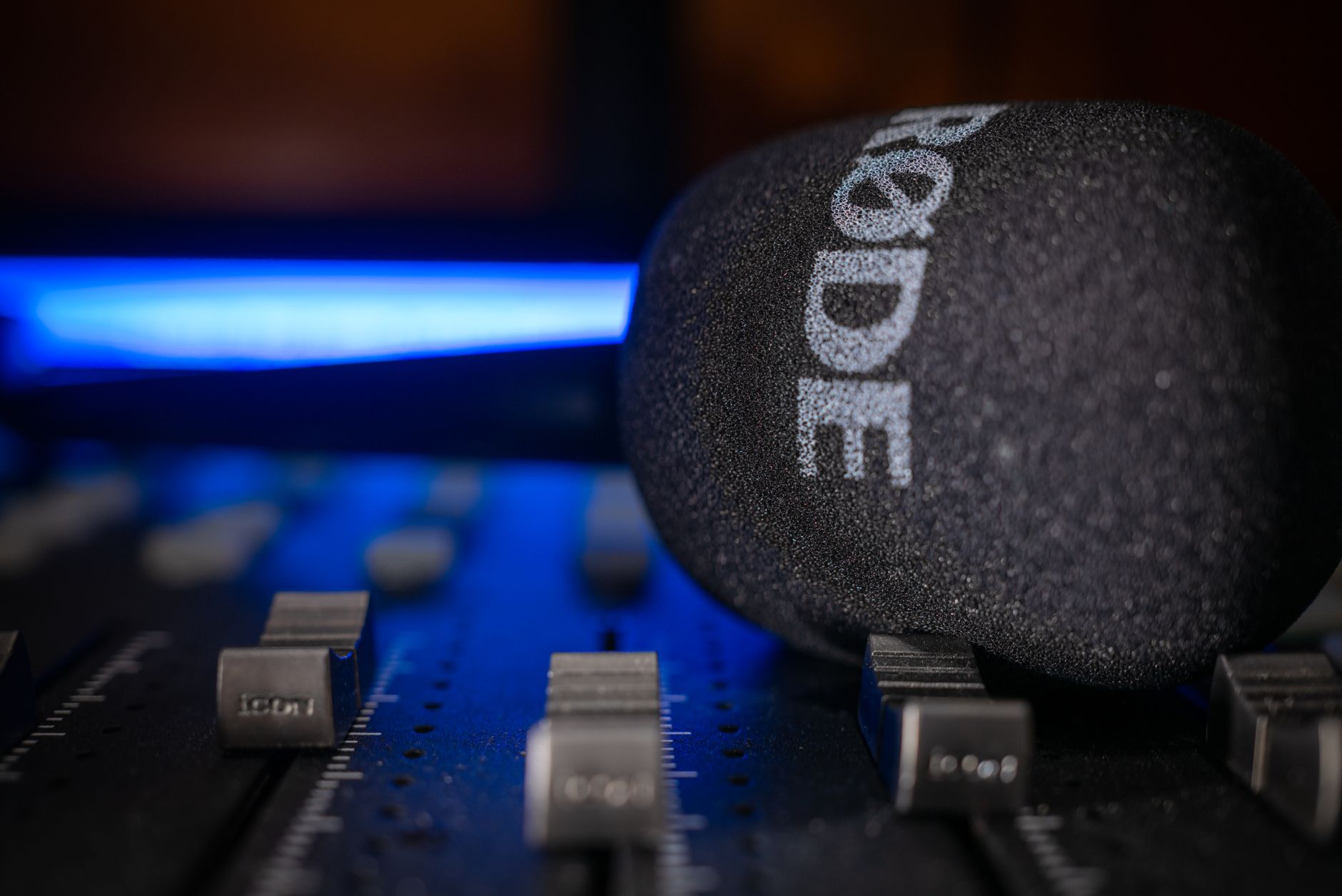 Photo: StockHouse Films llc via Pexels
Most bedroom producers start with a condenser and spend months fighting room reverb in their recordings. A dynamic mic — especially a cardioid design — solves that before you ever open a plugin. The tradeoff is lower sensitivity at high frequencies, which matters less for close-mic applications like lead vocals, guitar cabs, and voice-over work.
Dynamic mics also skip the phantom power requirement entirely (passive dynamics, anyway), work with budget interfaces that may have noisier preamps, and handle high SPL sources like snare drums and guitar amps without padding or clipping.
When a Condenser Beats a Dynamic
If your room is treated, you’re recording acoustic instruments with natural high-frequency content (fingerpicked guitar, violin, overhead drum), or you need off-axis rejection with a large stereo image, a condenser will outperform any dynamic. See our Best Microphones for Home Recording (2026) guide for the full comparison.
The Best Dynamic Microphones at Every Price Point
Across price tiers, three dynamics stand out as the clearest buys: the Shure SM7B at the prosumer level, the Audio-Technica AT2100x-USB for plug-and-play simplicity, and the Shure SM58 as the indestructible workhorse. Every other pick on this list solves a specific problem one of those three doesn’t.
 Photo: Erik Mclean via Pexels
Quick Picks
| Microphone | Price | Best For | Polar Pattern | Frequency Response |
|---|---|---|---|---|
| Shure SM7B | ~$399 | Vocals, podcasting, guitar cabs | Cardioid | 50Hz–20kHz |
| Shure SM58 | ~$99 | Live/studio vocals, durability | Cardioid | 50Hz–15kHz |
| Electro-Voice RE20 | ~$449 | Broadcast vocals, bass instruments | Cardioid | 45Hz–18kHz |
| Sennheiser e835 | ~$99 | Studio/live vocals, clean tone | Cardioid | 40Hz–16kHz |
| Audio-Technica AT2100x-USB | ~$79 | Beginners, USB + XLR dual output | Cardioid | 50Hz–15kHz |
| Beyerdynamic M201 TG | ~$229 | Snare, toms, guitar cabs | Hypercardioid | 40Hz–18kHz |
| Shure SM57 | ~$99 | Instrument mic, guitar amp | Cardioid | 40Hz–15kHz |
Shure SM7B — Best Overall
The SM7B is the closest thing to a universal tool in home recording: broadcast-quality rejection of room noise, a flat mid-forward response built for human voice, and enough gain-handling to run cleanly off most modern interfaces with a clean preamp.
Specs
| Spec | Detail |
|---|---|
| Connections | XLR |
| I/O | 1 output |
| Preamps/Drivers | Passive dynamic, requires 60dB+ clean gain |
| Bit depth/Sample rate | N/A (analog) |
| Bus power | None required |
| Best For | Vocals, podcasting, guitar cabs, room-isolated recording |
The SM7B’s biggest practical advantage is its internal shock mount and flat, switchable high-pass filter. You get usable recordings in rooms that would destroy a condenser’s signal chain. The cardioid pattern’s tight rear rejection means a noisy computer fan or air conditioner behind the speaker rarely bleeds into the track.
One caveat worth knowing: the SM7B needs around 60dB of clean gain. On budget interfaces like the Focusrite Scarlett Solo, you’ll be pushing the preamp close to its noise floor. A Cloudlifter CL-1 or interface upgrade solves this cleanly.
Published testing data shows the SM7B’s frequency response is famously flat between 200Hz and 8kHz with a gentle presence boost around 5kHz — exactly where vocal intelligibility lives.
Verdict by archetype:
- First-time beginner: Only if you have a decent interface (Scarlett 2i2 minimum). Otherwise start with the AT2100x-USB.
- Bedroom producer: The correct buy if you’re recording vocals seriously. It’s the mic that stops the “my room sounds bad” problem.
- Gigging musician: Overkill for live use. Buy an SM58 and pocket the difference.
- Prosumer: Still holds up at this level, especially for broadcast or podcast production.
Shure SM58 — Best Under $100
The SM58 is the most road-tested vocal microphone in history, with a presence boost at 5–10kHz that adds intelligibility to live sound. In home recording, it doubles as an honest vocal mic that flatters most voices without expensive treatment.
The SM58’s built-in spherical ball grille serves as a passive pop filter, which simplifies setup. The cardioid pattern is forgiving but not hyper-tight, so placement matters — keep the singer 2–4 inches from capsule for best proximity effect and bass warmth.
According to Shure’s published frequency data, the SM58 rolls off above 15kHz, which removes some air and shimmer compared to condensers. For pop vocals and rock, that’s often an advantage — fewer sibilance problems, less room noise. For folk or acoustic music where high-frequency overtones matter, you’ll feel the ceiling.
At $99, the SM58 is the single best entry point for someone who wants to record vocals without acoustic treatment and without spending $400.
Electro-Voice RE20 — Best for Broadcast and Bass Instruments
The RE20 is the standard in broadcast radio for a reason: its Variable-D design reduces the proximity effect that causes bass buildup when a singer moves closer to the capsule, giving a more consistent tone regardless of mic technique.
 Photo: John-Mark Kuznietsov via Pexels
For home recording specifically, the RE20’s weight at the low end — flat down to 45Hz with no artificial boost — makes it exceptional for bass guitar DI blended with a mic signal, kick drum, and voice-over work where chest resonance matters.
Expert consensus in broadcast and podcast production consistently places the RE20 alongside the SM7B at the top of the dynamic tier. The RE20 wins on low-end accuracy and consistency; the SM7B wins on rejection and gain-handling convenience.
The RE20 lists around $449 and requires a solid preamp — the same gain requirements as the SM7B apply here.
Audio-Technica AT2100x-USB — Best for Beginners
The AT2100x-USB ships with both USB and XLR outputs, which means it works plugged directly into a laptop today and into a proper interface tomorrow — without buying a second microphone.
The dual-output design is the entire argument for this mic at the beginner level. USB audio quality has improved substantially; according to Audio-Technica’s published specs, the AT2100x-USB captures at 24-bit/192kHz over USB, which exceeds what most affordable interfaces deliver.
The dynamic capsule handles home recording conditions well, though the frequency response tops out around 15kHz — similar to the SM58. For podcasting, voice-over, and basic vocal tracking, nothing at $79 is simpler to get working correctly the first time.
See our Best Budget Condenser Microphone (2026) guide if your room is treated and you want more high-frequency detail without spending SM7B money.
Shure SM57 — Best for Instruments
The SM57 is the instrument mic that appears on more professional snare drums, guitar amps, and brass instruments than any other single model — its contoured presence boost and tight cardioid pattern are specifically designed for close-mic instrument work, not vocals.
 Photo: Dayvison Tadeu via Pexels
The SM57 and SM58 share the same capsule design with one key difference: the SM57 has no built-in ball grille, allowing the capsule to be placed closer to a sound source. That proximity, combined with its 6kHz presence boost, extracts attack and bite from guitar cabs that sounds processed and deliberate — not accidental.
For home recording, an SM57 on a guitar amp is the legitimate starting point before any outboard gear or plugin chain. According to manufacturer specifications, the SM57 handles up to 150dB SPL, which covers any guitar amp you’re likely to own.
| Feature | SM57 | SM58 |
|---|---|---|
| Primary use | Instruments | Vocals |
| Grille design | Flat integral grille | Spherical ball |
| Presence boost | 6kHz | 5–10kHz |
| Price | ~$99 | ~$99 |
| Pop filter needed? | No | No |
Beyerdynamic M201 TG — Best Hypercardioid for Drum Recording
The M201 TG is a hypercardioid dynamic that accepts higher isolation than standard cardioids — ideal for snare, rack toms, and guitar cabs in live rooms where bleed from adjacent instruments is a problem.
The hypercardioid polar pattern rejects sound from the sides more aggressively than a standard cardioid, at the cost of small rear lobes that pick up some direct rear sound. Placement discipline matters more with this pattern, but the isolation payoff in multi-mic drum recording is significant.
Expert consensus among recording engineers positions the M201 TG as the dynamic alternative for engineers who need the detail of a small-diaphragm condenser without the bleed susceptibility.
Sennheiser e835 — Best Condenser-Sounding Dynamic
The e835 produces a more open, detailed top end than most dynamics in its price range, making it a strong choice for singers who want dynamic mic durability with a tone that leans toward condenser territory.
Published frequency response data shows the e835 extends usably to 16kHz — higher than the SM58’s practical ceiling — with a gentler presence boost that avoids harshness on bright voices. The cardioid pattern is well-controlled and consistent across the frequency range.
At $99, the e835 competes directly with the SM58. The SM58 wins on brand recognition, durability, and low-end proximity effect; the e835 wins on top-end detail and cleaner off-axis rejection.
Full Comparison: Best Dynamic Microphones
| Product | Price | Key Spec | I/O | Best For | Verdict |
|---|---|---|---|---|---|
| Shure SM7B | ~$399 | 50Hz–20kHz, internal shock mount | XLR | Vocals, podcast, guitar cab | Best overall |
| Electro-Voice RE20 | ~$449 | Variable-D, flat low end | XLR | Broadcast, bass instruments | Best for broadcast |
| Beyerdynamic M201 TG | ~$229 | Hypercardioid, 40Hz–18kHz | XLR | Drums, bleed isolation | Best for drums |
| Shure SM57 | ~$99 | 150dB SPL, 6kHz presence | XLR | Guitar amps, instruments | Best instrument mic |
| Shure SM58 | ~$99 | Built-in pop filter, rugged | XLR | Live/studio vocals | Best workhorse |
| Sennheiser e835 | ~$99 | 40Hz–16kHz, open top end | XLR | Detailed vocal recording | Best SM58 alternative |
| AT2100x-USB | ~$79 | USB + XLR, 24-bit/192kHz | USB + XLR | Beginners | Best first mic |
What to Look for When Buying a Dynamic Microphone
Frequency Response and Presence Boost
Most dynamic mics apply a presence boost — a rise in frequency response between 3kHz and 10kHz — to compensate for the capsule’s naturally rolled-off top end. A modest boost at 5kHz improves vocal intelligibility. An aggressive boost at 8–10kHz can cause sibilance problems on bright voices.
Flat response dynamics like the RE20 trade that boost for neutrality, which works better for broadcast and bass-heavy instruments.
Polar Pattern: Cardioid vs Hypercardioid
Cardioid patterns are forgiving of off-axis sound and work well for singer-songwriters who move around the mic. Hypercardioid patterns offer better isolation but require more precise placement and leave small rear lobes that can cause unexpected bleed.
For home recording with one source at a time, cardioid is almost always the right choice.
Gain Requirements
Passive dynamic microphones produce significantly less output signal than condenser mics. The SM7B and RE20 require 55–65dB of clean preamp gain. If your interface has a noisy preamp at high gain settings, you’ll hear that noise floor in your recordings.
Budget option: A Cloudlifter CL-1 adds 20dB of clean gain inline, letting your interface preamp operate at lower, quieter settings.
→ See also
- Best Microphones for Home Recording (2026)
- Best Budget Condenser Microphone (2026)
- Audio-Technica AT2020 Review (2026)
FAQ
Do I need an audio interface for a dynamic microphone? Most dynamic microphones output XLR and require an audio interface or mixer to connect to a computer. The exception is USB dynamics like the AT2100x-USB, which plug directly into a USB port. For XLR dynamics, a basic interface like the Focusrite Scarlett 2i2 covers all entry-level needs.
Is the Shure SM7B worth $400 for home recording? For vocal recording in an untreated room, yes. The SM7B’s internal shock mount, noise rejection, and broadcast-quality frequency response solve problems that cheaper mics require acoustic treatment and plugin processing to address. If budget is the constraint, the SM58 at $99 handles vocals capably — the SM7B is a meaningful upgrade, not a marginal one.
Can I use a dynamic microphone for acoustic guitar? Yes, though the result differs from condenser recording. A dynamic mic on acoustic guitar captures the body and attack clearly but loses some of the high-frequency air and shimmer that condensers reproduce. For a compressed, punchy acoustic sound — common in singer-songwriter and folk production — a dynamic at 6–8 inches from the 12th fret produces usable results. For natural, open acoustic tone, a small-diaphragm condenser is the better tool.
What’s the difference between the SM57 and SM58? The SM57 and SM58 share the same capsule. The SM58 adds a spherical ball grille that acts as a passive pop filter and shifts the response slightly toward vocals. The SM57’s flat grille allows the capsule to be placed closer to instrument surfaces. Use the SM57 for guitar amps, snare, and brass; use the SM58 for vocals. Many engineers own both.
Do dynamic microphones need phantom power? Passive dynamic microphones do not use phantom power and are unaffected by it — you can leave 48V enabled on your interface without damaging them. Active dynamic microphones (which use internal circuitry to boost output) do require phantom power, though they’re uncommon in home recording contexts. The SM7B, SM57, SM58, RE20, and e835 are all passive and need no phantom power.
Why does my dynamic mic sound quiet compared to my condenser? Dynamic microphones have lower sensitivity by design. A condenser at the same gain setting will produce a louder signal because its capsule design is fundamentally more sensitive. The fix is more clean preamp gain, either from a better interface, a dedicated preamp, or an inline gain boost like the Cloudlifter. Avoid turning up a noisy preamp to compensate — that raises the noise floor along with the signal.
Editorial methodology: Assessments are based on manufacturer specifications, published user reviews, and editorial research. Physical hands-on testing is noted explicitly where it occurred. Rankings reflect our editorial judgment and are not influenced by affiliate commission rates. Full editorial policy · Affiliate disclosure