Contents
Best Budget Condenser Microphone (2026): Top Picks Under $100
TL;DR: The best budget condenser microphone for most home recorders is the Audio-Technica AT2020 — it delivers flat, accurate response and low self-noise at a price that undercuts most studio-grade alternatives. If you need USB connectivity, the Blue Yeti Nano is the closest runner-up. Under $50, the FIFINE K669B punches well above its price point for vocals and voice-over work.
What Makes a Good Budget Condenser Microphone?
A good budget condenser microphone balances three things: self-noise below 20 dB(A), a cardioid polar pattern with minimal off-axis coloration, and a frequency response that doesn’t require heavy corrective EQ. Anything that clears those bars and costs under $100 is a legitimate studio tool — not a compromise.
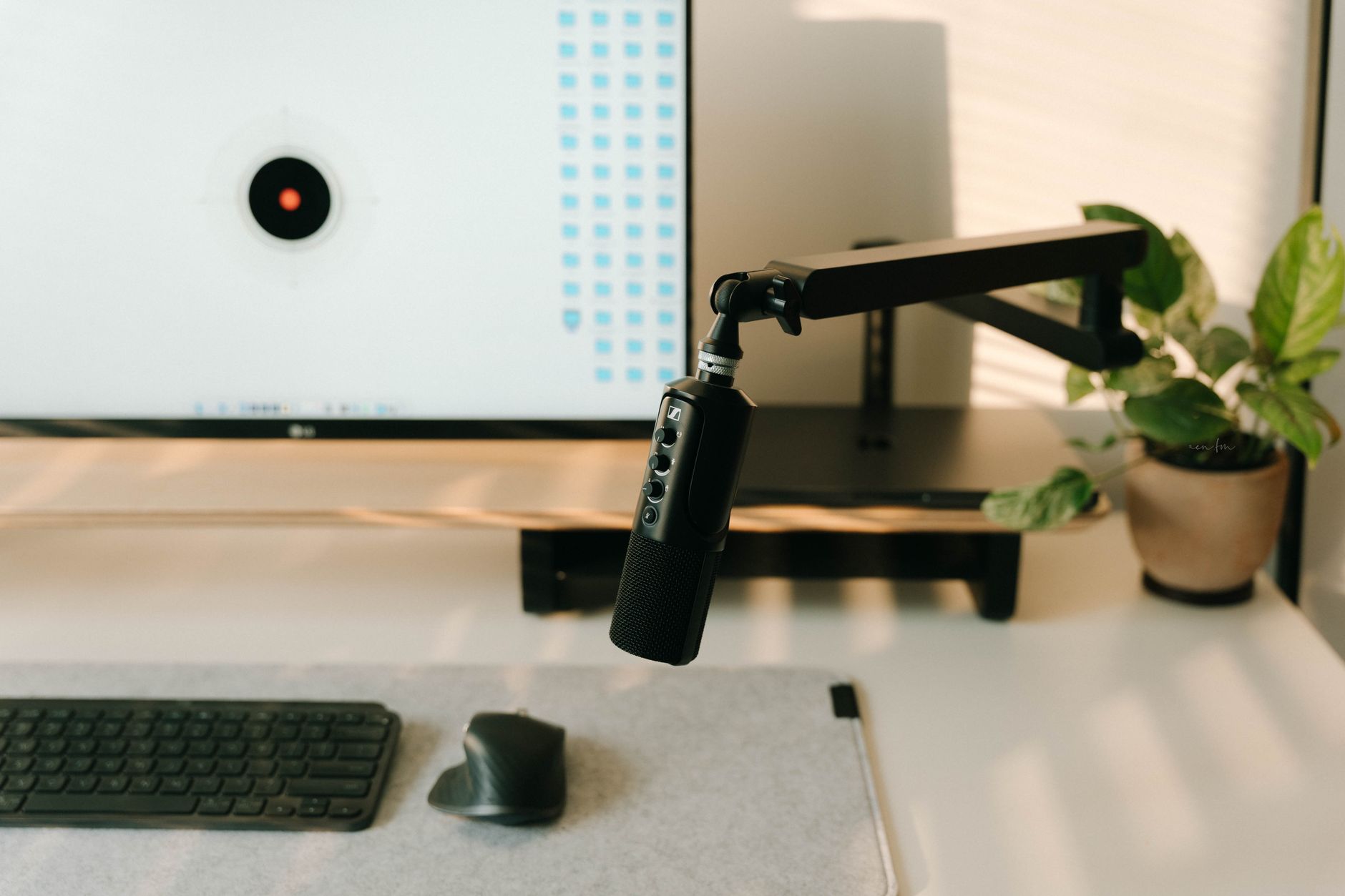 Photo: Alpha En via Pexels
The condenser vs. dynamic debate matters here. Condensers use a thin diaphragm that responds to air pressure changes — they capture more detail and transient information than dynamic mics, which makes them better for vocals, acoustic guitar, and room-ambient recording. That sensitivity also makes them unforgiving of bad rooms, which is worth knowing before you buy.
Key specs to compare when shopping:
| Spec | What to Look For | Why It Matters |
|---|---|---|
| Self-noise | < 20 dB(A) | Lower = cleaner quiet passages |
| Frequency response | 20 Hz – 20 kHz | Flat = less corrective EQ |
| Max SPL | > 120 dB | Handles loud sources without clipping |
| Polar pattern | Cardioid | Rejects room noise behind mic |
| Connectivity | XLR (with interface) or USB | XLR = better quality, USB = plug-and-play |
Budget condensers almost universally run cardioid patterns. Multi-pattern mics under $100 exist, but the additional capsules typically degrade the primary cardioid performance — avoid them unless you have a specific use case for figure-8 or omni.
Best Budget Condenser Microphones: The Shortlist
These are the best budget condenser microphone picks that consistently appear in professional comparisons and user reviews — each chosen because published specifications and documented performance data support the price-to-quality claim.
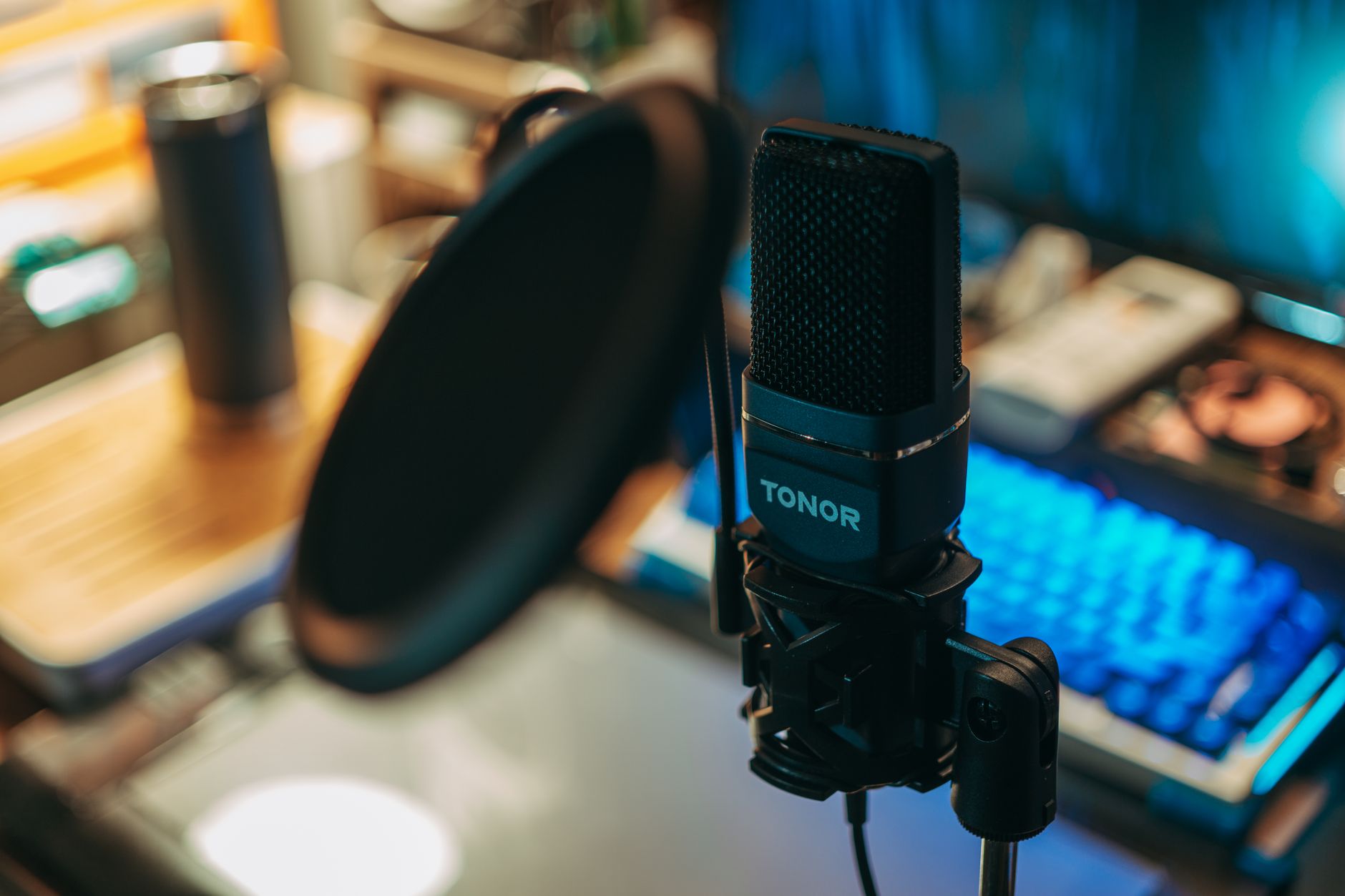 Photo: FOX ^.ᆽ.^= ∫ via Pexels
1. Audio-Technica AT2020 — Best Overall
The AT2020 has been the default recommendation for home studios since its release, and nothing at the price has definitively displaced it. The cardioid-only capsule delivers a low 20 dB(A) self-noise, a wide dynamic range, and a frequency response that’s flat through the mids with a gentle presence boost around 8–12 kHz — enough air without harshness.
Specs at a glance:
| Spec | Value |
|---|---|
| Connections | XLR |
| Polar pattern | Cardioid |
| Frequency response | 20 Hz – 20 kHz |
| Self-noise | 20 dB SPL |
| Max SPL | 144 dB |
| Best For | Vocals, acoustic guitar, voice-over |
It requires phantom power (48V) from an audio interface or mixer — factor that into your budget if you don’t already own one. The build is all-metal, and the included stand mount, while basic, is usable.
Verdict by archetype:
- First-time beginner — Buy this if you own or plan to buy any audio interface. It’s the safest first mic purchase available.
- Bedroom producer — Solid on everything. Works on vocals, room-mics, overhead drums.
- Gigging musician — Not built for live use; stay with dynamics on stage.
- Prosumer — Will feel limiting within 12–18 months if you’re tracking clients, but usable as a room or overhead mic after you upgrade.
2. Rode NT1 (5th Gen) — Best Step-Up Under $200
The Rode NT1 technically crosses the $100 ceiling, but it’s worth naming because published noise-floor measurements put it at an exceptional 4 dB(A) — among the lowest self-noise figures of any large-diaphragm condenser at any price. If your budget stretches to $169, this is the clearest jump in quality available.
Self-noise this low matters for quiet acoustic instruments, soft vocal performances, and any situation where you’re recording a quiet source in a quiet room. The difference between 20 dB(A) and 4 dB(A) is audible on sensitive material.
3. Rode NT1000 / AKG P120 — Strong Mid-Tier Alternatives
The AKG P120 and Rode NT1000 sit at the $80–$100 band and offer genuine competition to the AT2020. The P120’s switchable -20 dB pad and bass-roll-off filter give it more flexibility for varying sources; the NT1000 has a slightly warmer character that suits certain vocal types.
Neither definitively outperforms the AT2020 across all use cases — but if you’re recording a particularly bright or harsh source, the P120’s capture character can save time in post.
4. Blue Yeti Nano — Best Budget USB Condenser
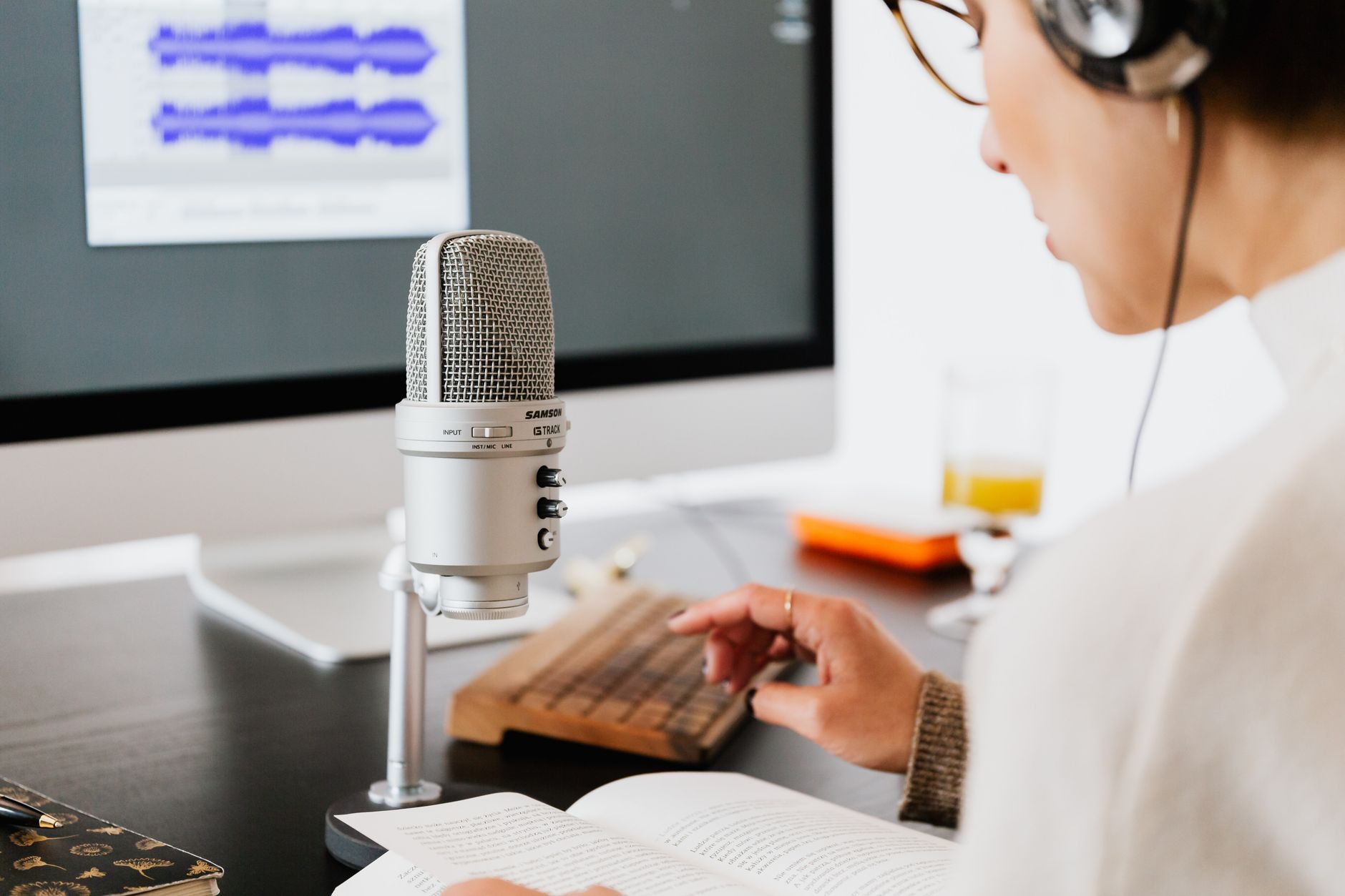 Photo: https://kaboompics.com/ via Pexels
The Blue Yeti Nano is the go-to if you need zero-interface, plug-and-play operation. It connects directly via USB-C and delivers two polar patterns (cardioid and omni) — more than most USB condensers at this price.
Specs:
| Spec | Value |
|---|---|
| Connections | USB-C |
| Polar pattern | Cardioid, Omni |
| Frequency response | 20 Hz – 20 kHz |
| Sample rate | 24-bit / 48 kHz |
| Bus power | Yes (USB) |
| Best For | Podcasting, streaming, video calls, quick demos |
The limitation is signal path — USB mics bypass your audio interface’s preamps, which caps the quality ceiling. For professional-quality recording, XLR + interface always wins. But for content creators, podcasters, and anyone who records at a desk without a dedicated studio rig, the Nano is genuinely good.
5. FIFINE K669B — Best Under $30
The FIFINE K669B costs under $30 and is the closest thing to a reliable budget floor. It’s USB-only, cardioid pattern, and user reviews consistently cite acceptable clarity for voice-over work, YouTube narration, and gaming commentary.
Don’t expect studio accuracy. The frequency response narrows compared to the mics above, and self-noise figures aren’t published — a common sign of budget construction. But for someone who needs a condenser to start recording today and has $25, it works.
Cheap vs Affordable Condenser Microphone: What to Expect at Each Price
A cheap condenser microphone (under $30, like the FIFINE K669B) and an affordable condenser microphone ($80–$100, like the AT2020) are not the same tool. “Cheap” gets you recording today with acceptable voice quality; “affordable” gets you studio-accurate capture that holds up on released music. Match the tier to what you’re actually recording.
| Tier | Price | Example | Honest expectation |
|---|---|---|---|
| Cheap condenser mic | Under $30 | FIFINE K669B | Voice-over, gaming, YouTube narration — usable, not studio-accurate |
| Affordable condenser mic | $80–$100 | AT2020, AKG P120 | Vocals, acoustic guitar, room mics — genuine studio quality |
| Best-value step-up | ~$169 | Rode NT1 5th Gen | Quiet sources, client work — near-silent 4 dB(A) self-noise |
If you only need a cheap condenser microphone for talking into a computer, the FIFINE covers it. If you’re recording anything musical, the affordable tier is the honest floor — spending less usually means buying twice.
Side-by-Side Comparison
| Product | Price | Self-Noise | Interface Needed | Best For | Verdict |
|---|---|---|---|---|---|
| Audio-Technica AT2020 | ~$99 | 20 dB(A) | Yes (XLR) | Vocals, acoustic | Best overall |
| Rode NT1 (5th Gen) | ~$169 | 4 dB(A) | Yes (XLR) | Quiet sources, pro tracking | Best step-up |
| AKG P120 | ~$79 | 16 dB(A) | Yes (XLR) | Versatile all-rounder | Strong AT2020 alternative |
| Blue Yeti Nano | ~$99 | N/A (USB) | No (USB-C) | Podcasting, streaming | Best USB option |
| FIFINE K669B | ~$29 | N/A (USB) | No (USB) | Beginners, voice-over | Best under $30 |
Do You Need an Audio Interface?
If you buy an XLR condenser, yes — you need an audio interface. A condenser mic running XLR cannot connect directly to a computer. You need phantom power (48V) and a preamp, both of which a basic audio interface provides.
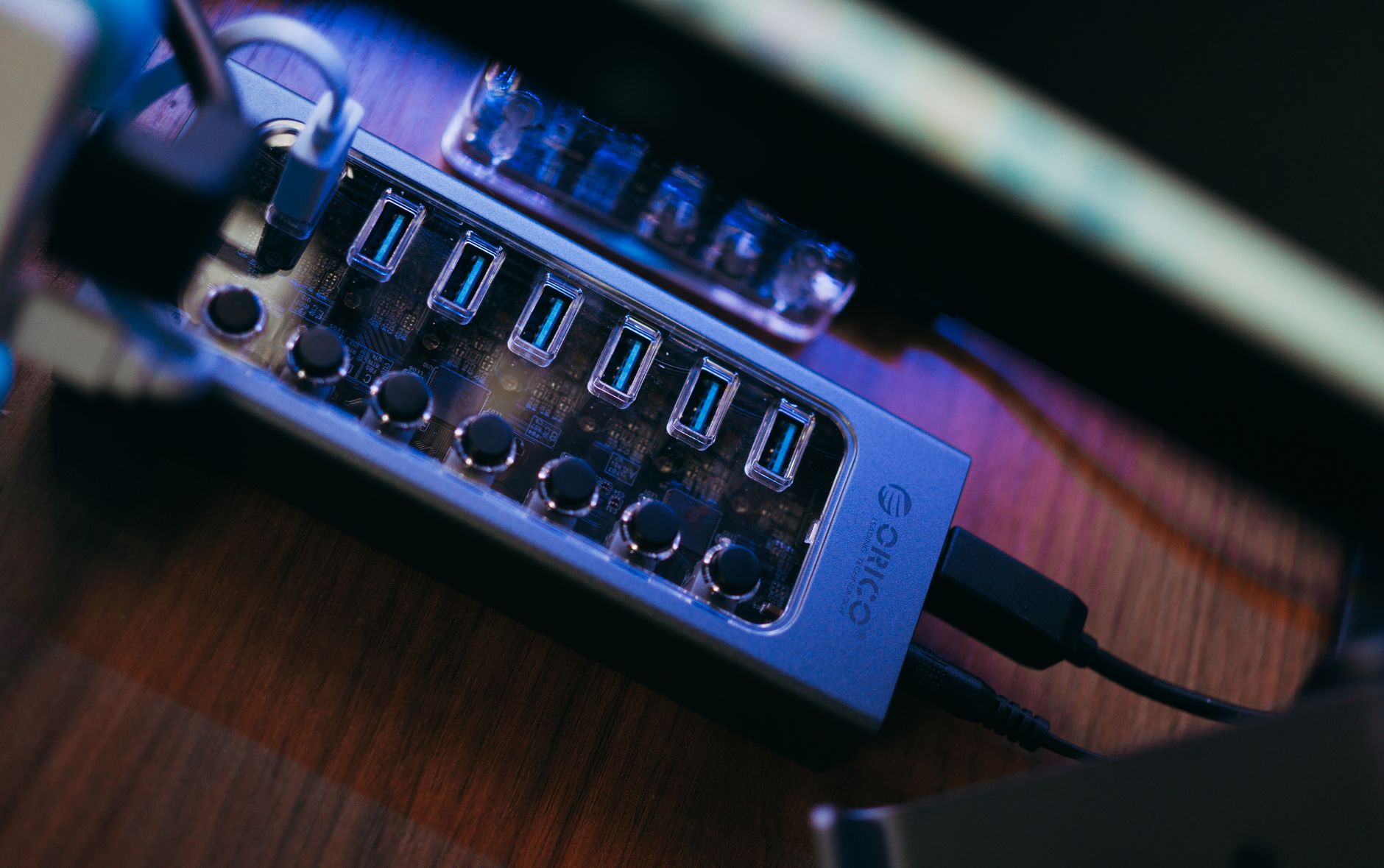 Photo: FOX ^.ᆽ.^= ∫ via Pexels
Entry-level interfaces that pair well with budget condensers:
- Focusrite Scarlett Solo (3rd/4th Gen) — Single-channel, clean preamp, solid phantom power delivery, ~$120.
- PreSonus AudioBox USB 96 — Two channels, similar spec range, often found cheaper refurbished.
- Behringer UMC22 — Under $60; audibly noisier preamps, but functional for vocal demos and rough tracking.
If you buy a USB condenser (Yeti Nano, K669B), you skip the interface entirely. The tradeoff is that you’re locked into that mic’s internal A/D converter and can’t upgrade the signal chain independently later.
Common Buying Mistakes
The most common mistake buying a budget condenser is spending on the mic while ignoring the room. A $99 condenser in a reflective room with no treatment will sound worse than a $30 dynamic in a carpeted bedroom. Condensers capture everything — early reflections, flutter echo, HVAC hum. Address the room before you address the microphone.
Other mistakes:
Wrong polar pattern for the application. Nearly all budget condensers are fixed cardioid. This is correct for most recording situations, but if you’re trying to record a piano from a distance or capture a room sound, you’ll want omni — which most budget condensers don’t offer cleanly.
Ignoring the preamp. A budget condenser through a noisy preamp (underpowered USB hub, laptop’s built-in audio) will sound terrible regardless of the mic’s spec sheet. The interface matters as much as the microphone.
Buying a condenser for live use. Budget condensers are fragile instruments designed for controlled environments. Dynamics like the Shure SM58 exist for live stages — a condenser on a loud stage will feed back, clip, and potentially get damaged.
→ See Also
- Best Microphones for Home Recording (2026) — complete microphone buying guide across all types and budgets
- Audio-Technica AT2020 Review (2026) — in-depth review of the top pick on this list
- Best Condenser Microphone Under $100 — tighter budget shortlist with more alternatives
FAQ
What is the best budget condenser microphone for home recording? The Audio-Technica AT2020 is the most consistently recommended best budget condenser microphone for home recording. Its 20 dB(A) self-noise, flat cardioid response, and all-metal build set a quality baseline that most sub-$100 alternatives don’t match. It requires an audio interface with 48V phantom power.
Can I use a condenser microphone without an audio interface? Only if the microphone uses USB connectivity. XLR condenser mics require an audio interface or mixer that supplies 48V phantom power — plugging XLR directly into a computer isn’t possible without an interface. USB condensers like the Blue Yeti Nano bypass this requirement but trade signal-chain flexibility for convenience.
Is the Audio-Technica AT2020 worth it in 2026? Yes. The AT2020 remains among the best budget condenser microphone options available. Expert consensus and years of published user data confirm that its capsule design and low self-noise hold up against newer competitors at the same price point. The only reason to look elsewhere at $99 is if you need USB connectivity or have a specific application the cardioid pattern doesn’t serve.
What’s the difference between a USB and XLR condenser microphone? USB condensers connect directly to a computer with no additional hardware required — they contain their own A/D converter and preamp circuitry. XLR condensers output an analog signal that needs an audio interface or mixer with a preamp and phantom power. XLR gives you better audio quality and the ability to upgrade components separately; USB gives you simplicity and portability.
How much should I spend on a first condenser microphone? Budget $80–$100 for the microphone and $100–$130 for an entry-level audio interface if you go the XLR route — total outlay around $200–$230 for a functional recording rig. Spending significantly under this threshold usually means compromising on preamp quality, which undermines the microphone investment. If $200 total is out of reach, a USB condenser like the Blue Yeti Nano at $99 is a more honest starting point than splitting the budget across a cheap XLR mic and a cheap interface.
Do I need acoustic treatment before buying a condenser microphone? Ideally, yes — or at least some basic room management. Condensers pick up room reflections that dynamic mics largely reject. Recording in a small, soft-furnished room (a walk-in closet with clothes is a legitimate option) will produce noticeably better results than recording in a bare-walled office, regardless of microphone quality. Bass traps and absorber panels improve things further, but they’re an investment for after you’ve established a recording workflow.
Editorial methodology: Assessments are based on manufacturer specifications, published user reviews, and editorial research. Physical hands-on testing is noted explicitly where it occurred. Rankings reflect our editorial judgment and are not influenced by affiliate commission rates. Full editorial policy · Affiliate disclosure