Contents
SSL 2 Review (2026): The Best Budget Interface Under $200?
TL;DR: The SSL 2 delivers genuine SSL preamp character, class-leading headphone output, and a dead-simple two-in/two-out layout at around $150–$170. For bedroom producers and singer-songwriters who want professional signal quality without a steep learning curve, it’s the strongest option in its price bracket.
SSL 2 Audio Interface: What You Actually Get
The SSL 2 gives you two SSL-designed Legacy 4K preamps, 24-bit/192kHz conversion, and an exceptionally clean headphone amp — in a bus-powered interface that costs less than most microphone cables. The preamp quality punches well above this price point; the trade-off is a minimal feature set with no MIDI, no DSP, and only two inputs.
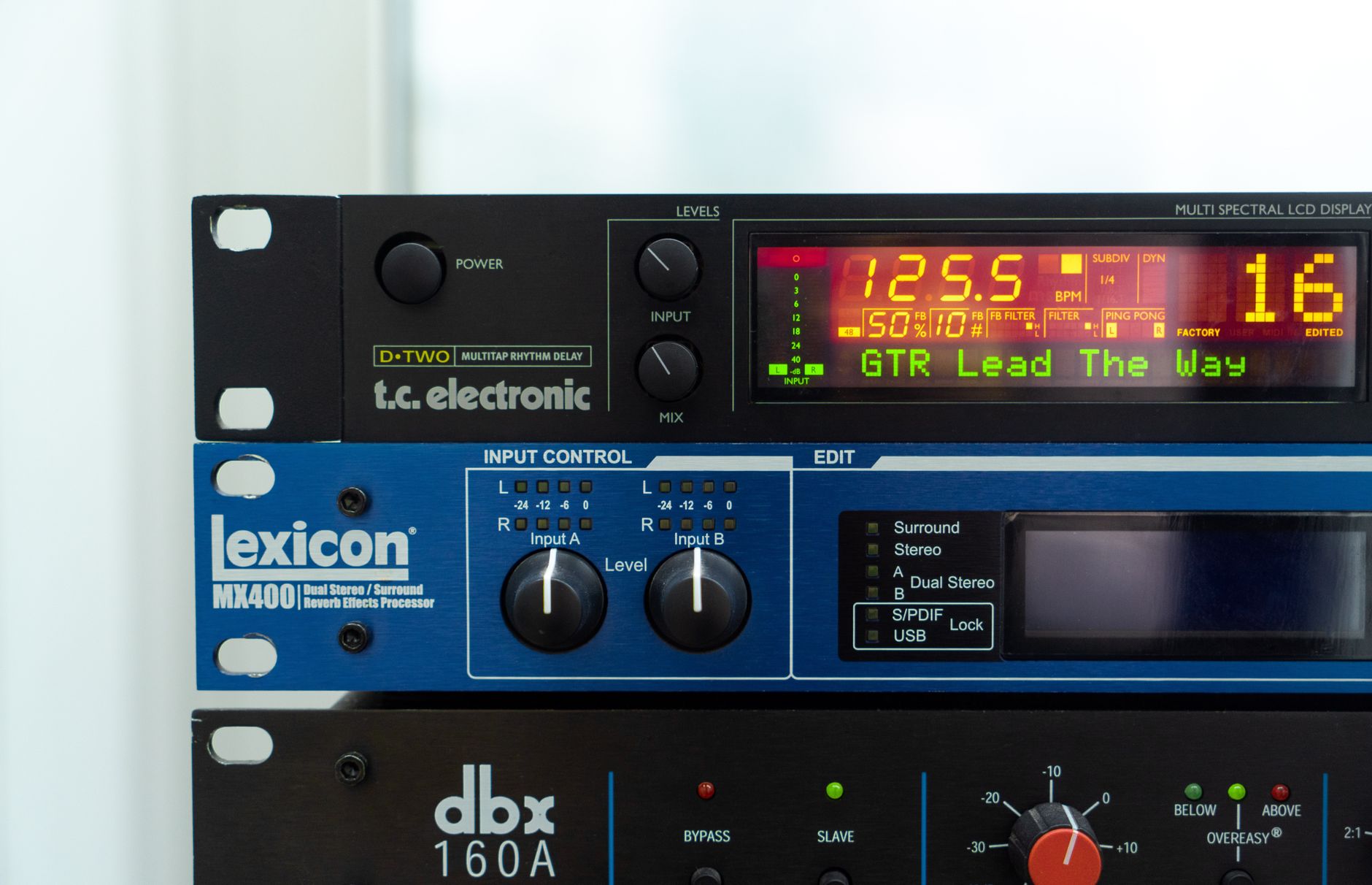 Photo: Alena Sharkova via Pexels
Solid State Logic built its reputation on large-format consoles that defined the sound of commercial records for four decades. The SSL 2 is a deliberate attempt to bottle some of that preamp DNA into a sub-$200 box — and based on published measurements and wide consensus from working engineers, it mostly succeeds.
The headline feature is the Legacy 4K circuit, a simplified implementation of the harmonic enhancement found in SSL’s classic 4000-series consoles. Engage the 4K button and you get a subtle high-frequency air lift and a touch of even-harmonic saturation. It doesn’t transform a mediocre signal, but on acoustic guitars, vocals, and room microphones, it adds a pleasing openness without sounding processed.
The headphone output is the other standout. Manufacturer specifications rate the SSL 2’s headphone amp at over 110 mW — notably louder and more resolving than most competitors at the price. For performers tracking with headphones, this matters: you can drive demanding cans to a monitoring level without the bass thinning out or the stereo image collapsing.
Specifications at a Glance
| Spec | SSL 2 |
|---|---|
| Connections | 2× XLR/TRS combo, 2× TRS monitor out, USB-C |
| I/O Count | 2 in / 2 out |
| Preamps | 2× SSL Legacy 4K mic/line/instrument |
| Bit Depth / Sample Rate | 24-bit / 192kHz |
| Bus Power | Yes (USB bus-powered) |
| Best For | Solo musicians, podcasters, singer-songwriters |
SSL 2 vs. The Competition
At this price, the SSL 2’s primary rivals are the Focusrite Scarlett Solo Gen 4 and the Universal Audio Volt 176. The SSL 2 wins on headphone output quality and two-mic capability; it loses on bundled software and ecosystem breadth.
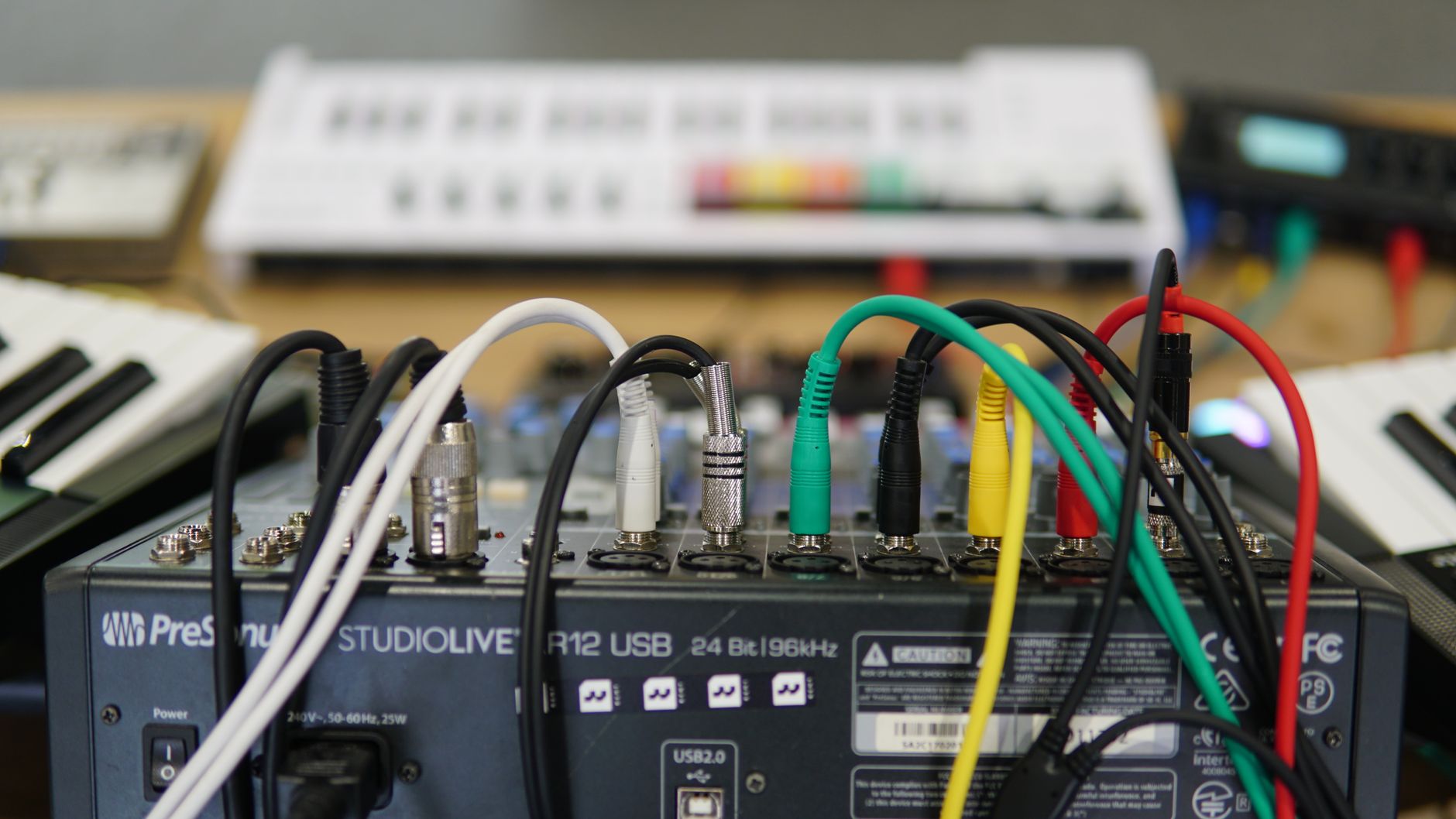 Photo: TStudio via Pexels
| Product | Price | Preamps | Headphone Out | MIDI | Best For |
|---|---|---|---|---|---|
| SSL 2 | ~$150 | 2× Legacy 4K | Excellent | No | Dual-mic recording, headphone mix quality |
| Focusrite Scarlett Solo Gen 4 | ~$130 | 1× Air | Good | No | Single-mic beginners, Focusrite bundle |
| Universal Audio Volt 176 | ~$150 | 1× 76-style | Good | No | Vintage compression character |
| PreSonus AudioBox USB 96 | ~$100 | 2× XMAX | Average | Yes | MIDI users on a tight budget |
The Scarlett Solo is a natural comparison given the price overlap, but it offers only one mic input. If you ever need to record two sources simultaneously — vocals and acoustic guitar, drum overhead and room, two vocalists — the SSL 2 is the more capable tool. The Volt 176’s built-in 76-style compressor is a legitimate creative option, but it’s hardware-fixed and can’t be bypassed fully; the SSL 2’s 4K circuit is more subtle and more broadly useful.
Preamp Quality: The 4K Circuit Under the Hood
The Legacy 4K preamps are not a marketing gimmick. Published testing data from independent audio engineers confirms low noise floor, transparent gain staging, and a measurable (if subtle) harmonic profile when the 4K button is engaged. For home recording, this translates to cleaner takes and less corrective work in the mix.
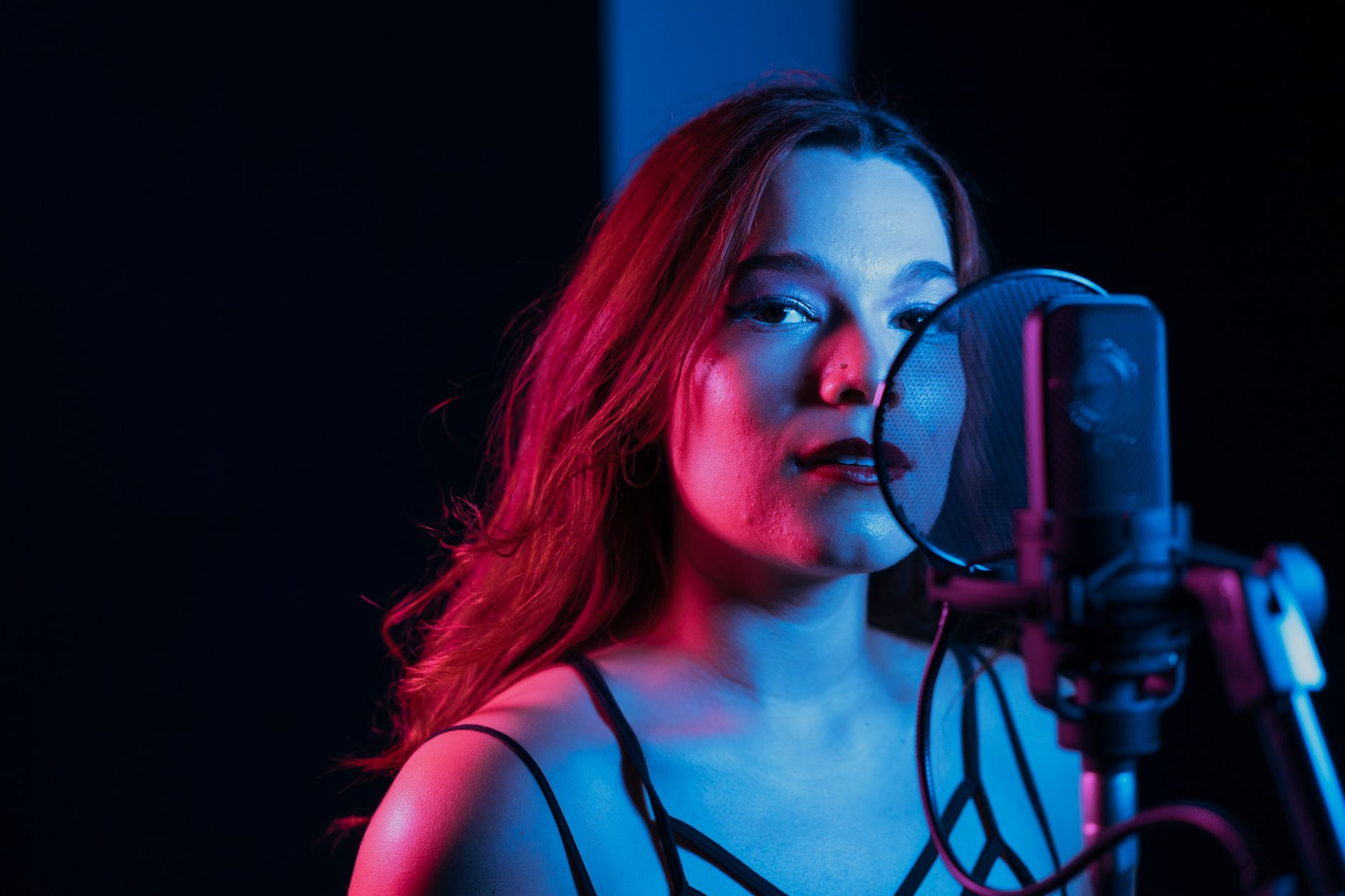 Photo: Los Muertos Crew via Pexels
Gain range runs from about +6 dB to +62 dB — sufficient for most dynamic microphones, though users of very low-output ribbons or passive ribbons may want to factor in a Cloudlifter or similar inline preamp. The phantom power implementation is reliable; the 48V switch is global, covering both channels together, which is worth noting if you’re running a ribbon and a condenser simultaneously.
The instrument input on Channel 1 handles guitar and bass direct-in cleanly. The input impedance is high enough that passive pickups sound natural rather than loaded-down, which is a common failure point on budget interfaces. Recorded DI tracks sit well in a mix and take amp simulation plugins without fighting back.
Who Should Buy the SSL 2?
The SSL 2 is purpose-built for two use cases: solo recording and acoustic recording with two sources. Here’s how it maps to different producers.
First-time beginner: Plug in, install the class-compliant driver, open your DAW. Bus power means no wall adapter. The 4K button gives you a single creative variable to explore without being overwhelming. A strong first interface.
Bedroom producer: Two channels is limiting if you’re tracking a full band, but for stacking parts one at a time, the headphone quality and preamp character are genuinely satisfying. It keeps pace with interfaces a tier up.
Gigging musician: The form factor is compact and bus-powered, which makes it legitimate for mobile recording rigs. The headphone output is strong enough for in-ear monitoring applications.
Prosumer / home studio owner: You’ll outgrow two inputs. The SSL 2+ (four inputs, MIDI) or a move to something like the Focusrite Scarlett 4i4 makes more sense if you’re running outboard gear or tracking live drums.
What the SSL 2 Gets Wrong
No interface at this price is perfect. The SSL 2’s weak points are worth naming plainly.
No MIDI I/O. If you’re running hardware synths, drum machines, or MIDI controllers that need a hardware connection rather than USB, you’ll need a separate MIDI interface. The PreSonus AudioBox USB 96 at a lower price point includes MIDI — a legitimate reason to pick it over the SSL.
The bundled software is thin compared to Focusrite. SSL includes Ableton Live Lite, SSL’s own plug-in suite, and a few third-party items, but Focusrite’s Creative Pack historically includes more usable content for new producers who don’t yet have a plugin library.
The monitor output control and headphone output share the same main volume knob with a physical toggle switch — functional, but less elegant than interfaces that offer independent control of each.
 Photo: Anna Pou via Pexels
→ See Also
- Best Audio Interfaces: The Complete Buyer’s Guide (2026)
- Best Audio Interface for Beginners (2026)
- Best Audio Interface Under $100
FAQ
Is the SSL 2 good for recording vocals? Yes — the Legacy 4K preamp handles vocals well, and the 4K button’s high-frequency enhancement suits voice recordings that need presence without EQ. It pairs cleanly with most large-diaphragm condensers and handles dynamic microphones like the SM7dB without requiring external gain.
Does the SSL 2 work on Mac and Windows without drivers? It operates as a USB class-compliant device on macOS with no driver installation required. Windows users should install SSL’s ASIO driver for low-latency performance in a DAW; without it, the interface falls back to WDM, which introduces higher latency.
What’s the difference between the SSL 2 and SSL 2+? The SSL 2+ adds two additional line inputs (for a total of four), MIDI in/out, and a second headphone output — useful for tracking with a separate cue mix for the performer. The price difference is approximately $30–50. If you collaborate with others or use hardware synthesizers, the 2+ is worth the step up.
Is the SSL 2 worth it over the Focusrite Scarlett 2i2? According to expert consensus and published measurements, the two interfaces trade advantages: the SSL 2 has a better headphone output and more character in the preamps; the Scarlett 2i2 Gen 4 has a stronger software bundle and broader community support. Both are excellent for the price — the SSL 2 edges ahead for headphone-centric workflows and producers who want a subtly colored sound.
Can the SSL 2 handle low-output microphones like the Shure SM7B? The SSL 2 provides adequate gain for the SM7B at maximum gain settings, though the headroom is tighter than on higher-end preamps. Users who record in louder environments or prefer working with gain headroom to spare should consider pairing the SM7B with an inline preamp booster. Cleaner mic placement and room treatment reduce the demand on available gain.
Editorial methodology: Assessments are based on manufacturer specifications, published user reviews, and editorial research. Physical hands-on testing is noted explicitly where it occurred. Rankings reflect our editorial judgment and are not influenced by affiliate commission rates. Full editorial policy · Affiliate disclosure