Contents
Sony MDR-7506 Review (2026): Still Worth It?
TL;DR: The Sony MDR-7506 remains one of the most reliable closed-back studio headphones under $100. Flat-ish frequency response, durable coiled cable, and decades of professional trust make it a legitimate choice for tracking, rough mixing, and broadcast work — though its hyped high-mids will mislead you on final mixes.
Sony MDR-7506 Review: What You Actually Get
The MDR-7506 delivers accurate-enough monitoring for tracking and editing at a price that’s hard to argue with. It’s not a flat reference headphone, but its forward midrange and extended highs reveal recording flaws clearly — which is exactly what you need when tracking vocals or checking for noise.
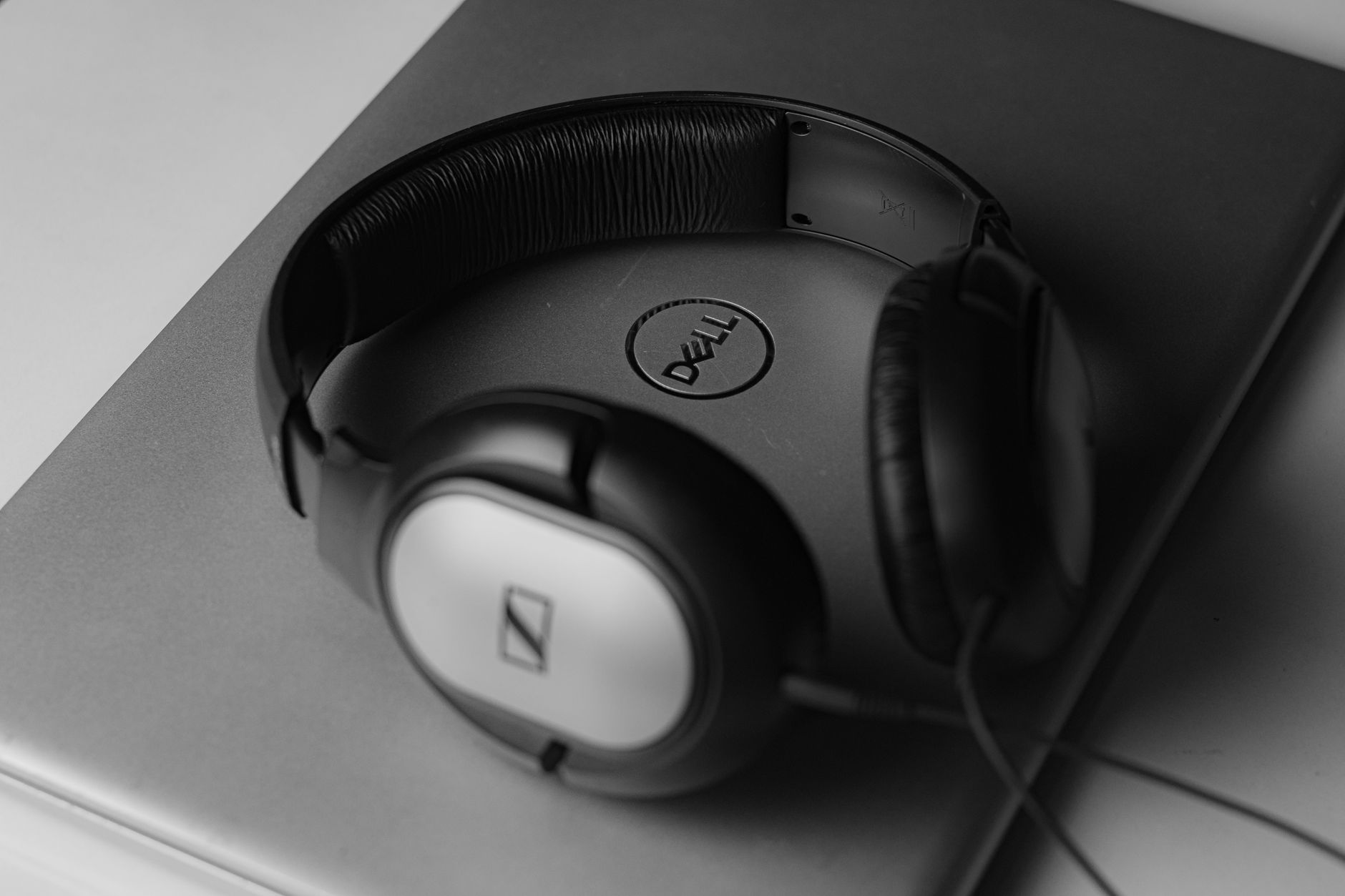
 Photo: Luis Miguel P. Bonilla via Pexels
Sony introduced the MDR-7506 in 1991, and the design has barely changed since. That’s either a red flag or a badge of honor depending on who you ask. In practice, it’s the latter: broadcast studios, film sets, and home recording rigs have been using these for 35 years because they work.
The 40mm neodymium drivers deliver a frequency response of 10Hz–20kHz. The impedance sits at 63 ohms — low enough to drive from a phone or audio interface headphone output without a dedicated amp, high enough to avoid noise floor issues on consumer gear.
The ear cups fold flat for transport, and the carrying pouch that ships in the box is actually useful. The cable is a coiled 9.8-foot terminated in a 3.5mm plug with an included screw-on 6.35mm adapter — standard for studio use.
Sound Character: Accurate or Colored?
The MDR-7506 is not ruler-flat. It has a presence boost in the 6–10kHz range that adds air and detail, but will make mixes sound brighter than they are. Use it for tracking and diagnostic listening; trust open-back or reference monitors for final mix decisions.
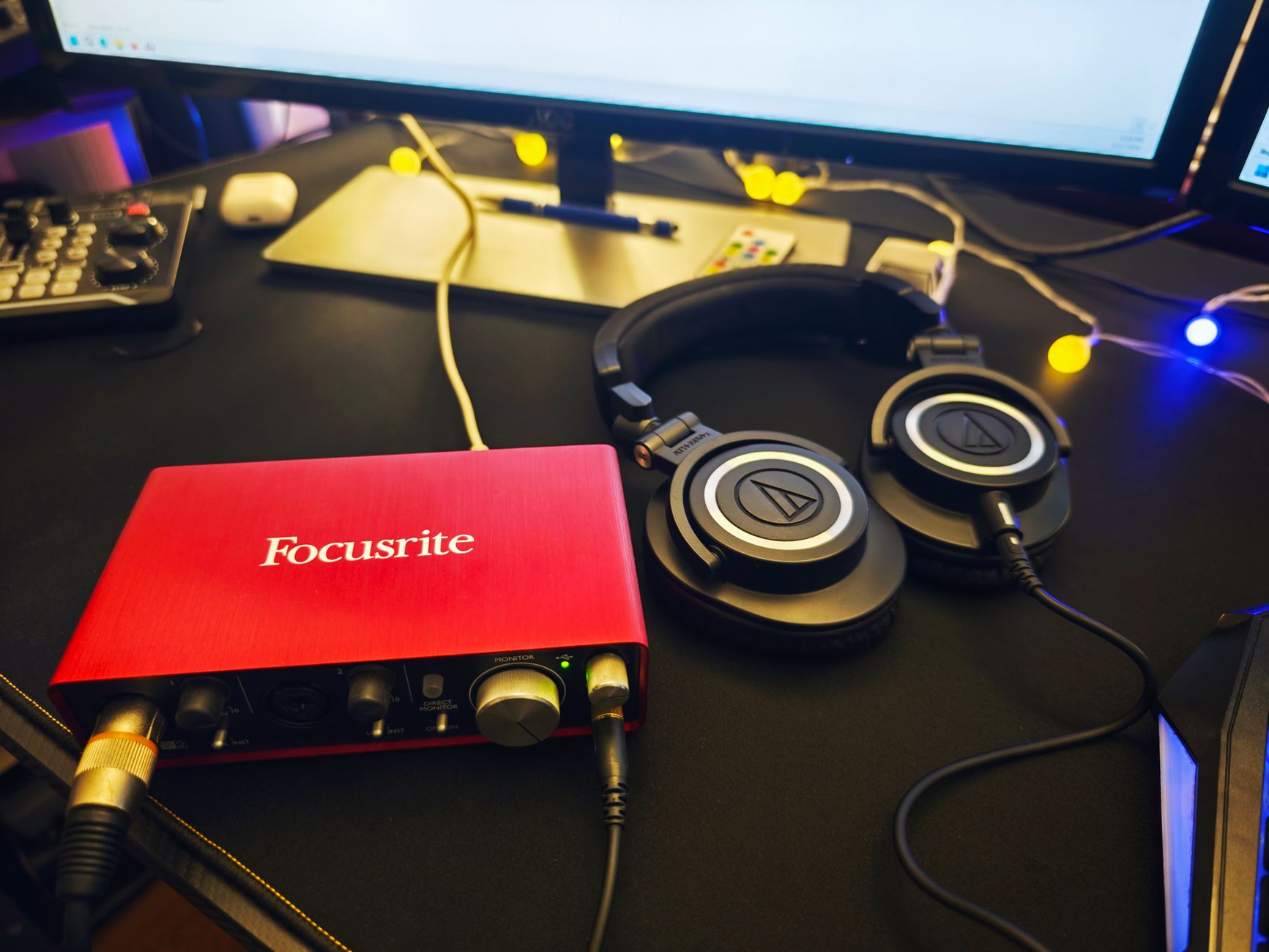
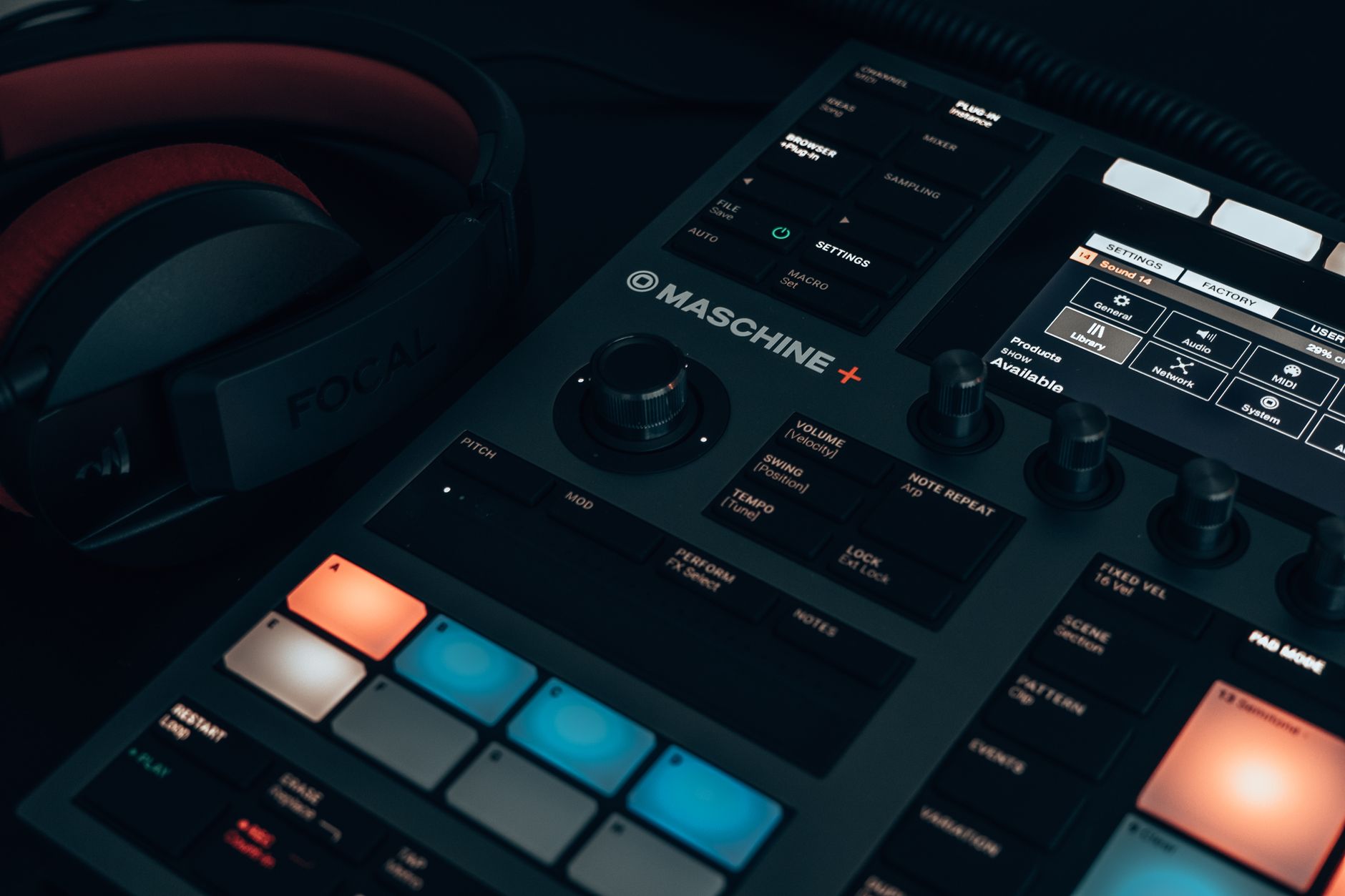 Photo: Egor Komarov via Pexels
Published frequency response measurements from Rtings and other independent labs consistently show the MDR-7506’s upper-midrange and high-frequency emphasis. The bass rolls off gently below 60Hz — not absent, but not extended.
What this means practically:
- Tracking vocals and acoustic instruments: The high-mid presence helps you catch sibilance, room noise, and mic placement issues immediately.
- Editing and comping: Detail retrieval is excellent for this price. You’ll hear breath sounds, fret noise, and timing issues clearly.
- Mixing: Use with caution. The brightness will make your mix sound more polished than it is. Cross-reference on monitors or a flatter headphone like the Beyerdynamic DT 770 Pro.
- Broadcast and podcasting: The MDR-7506 is the industry standard in many broadcast environments precisely because of this forward character — dialogue sounds present and intelligible.
Build Quality and Long-Term Durability
The MDR-7506 is built to survive daily professional use. The headband padding flattens over time, and the ear pads will need replacement every 2–3 years under heavy use — but third-party replacements are cheap and widely available.
 Photo: Orione Conceição via Pexels
The plastic construction looks utilitarian, but the internal structure is reinforced at the stress points. The swivel mechanism on the ear cups has a positive detent feel and holds up under the repeated folding that road and studio use demands.
The coiled cable is permanently attached — the MDR-7506’s one genuine weakness versus newer competitors. A detachable cable is standard on the Audio-Technica ATH-M50x and Beyerdynamic DT 770 Pro at similar price points. If the cable goes, you’re looking at a soldering job or sourcing a third-party repair.
Clamping force is firm but not fatiguing for sessions under two hours. Extended sessions — four-plus hours of tracking — will cause ear fatigue faster than open-back alternatives. The ear cups are circumaural (around-ear), but the pad depth is shallower than more expensive headphones.
MDR-7506 Specs
| Spec | Value |
|---|---|
| Driver size | 40mm neodymium |
| Frequency response | 10Hz–20kHz |
| Impedance | 63Ω |
| Sensitivity | 106dB/mW |
| Cable | 9.8ft coiled, permanently attached |
| Connector | 3.5mm + 6.35mm adapter |
| Weight | 230g (without cable) |
| Foldable | Yes |
How It Compares
| Headphone | Price | Impedance | Cable | Frequency Response | Best For |
|---|---|---|---|---|---|
| Sony MDR-7506 | ~$90 | 63Ω | Coiled, fixed | 10–20kHz | Tracking, broadcast |
| Audio-Technica ATH-M50x | ~$150 | 38Ω | Detachable | 15–28kHz | Mixing, versatile use |
| Beyerdynamic DT 770 Pro | ~$130–170 | 32/80/250Ω | Coiled, fixed | 5–35kHz | Critical monitoring |
| Sennheiser HD 280 Pro | ~$100 | 64Ω | Coiled, fixed | 8–25kHz | Isolation, tracking |
Who Should Buy the MDR-7506
First-time beginner: Yes. This is one of the best entry points into studio monitoring. The learning curve is low, the sound reveals problems clearly, and the price doesn’t sting if you upgrade in a year.
Bedroom producer: Conditionally. If you’re tracking and editing more than mixing, it earns its place. For mixing-heavy workflows, the brightness will mislead you. Pair it with reference monitors or add a flatter open-back.
Gigging musician: Yes for IEM-free monitoring on set. The isolation is solid (approximately 10dB passive attenuation) and the coiled cable stays out of the way. Durability holds up on the road.
Prosumer/engineer: Situational. Most professional studios own a pair for tracking booths and client headphone mixes — not for critical A/B or mastering work. If you already have reference monitors, one MDR-7506 for the tracking chain is a reasonable addition.
→ See Also
- Best Studio Headphones for Home Recording (2026)
- Best Studio Headphones Under $100
- Best Headphones for Music Production
FAQ
Does the Sony MDR-7506 need a headphone amp? No. At 63 ohms and 106dB/mW sensitivity, the MDR-7506 drives easily from any audio interface headphone output, laptop, or phone. A dedicated amp won’t hurt, but it’s not required and won’t meaningfully change the sound at this impedance level.
Is the Sony MDR-7506 good for mixing? It’s usable for rough mixing and checking specific elements, but expert consensus suggests it’s not ideal as your primary mix headphone. The boosted high-mids and high frequencies create a brighter image than most playback systems reproduce, which can lead to under-EQed low end in the final mix.
How long do the MDR-7506 ear pads last? Based on documented user experience across audio forums and repair communities, pads typically degrade noticeably after 2–3 years of regular use. Replacement pads are available from Sony and third-party suppliers for under $20, and the swap takes under five minutes.
What’s the difference between the Sony MDR-7506 and MDR-7510? The MDR-7510 is Sony’s updated model with improved low-frequency extension and a detachable cable, but it’s less widely available and costs more. The MDR-7506’s sound signature is more familiar to most engineers, and its availability and support ecosystem remain stronger as of 2026.
Is the MDR-7506 good for podcast recording and broadcast? Yes — this is one of its strongest use cases. Broadcast engineers and podcast producers have used the MDR-7506 as a standard monitoring headphone for decades. The forward midrange makes voice intelligibility easy to assess, and the durability holds up in daily production environments.
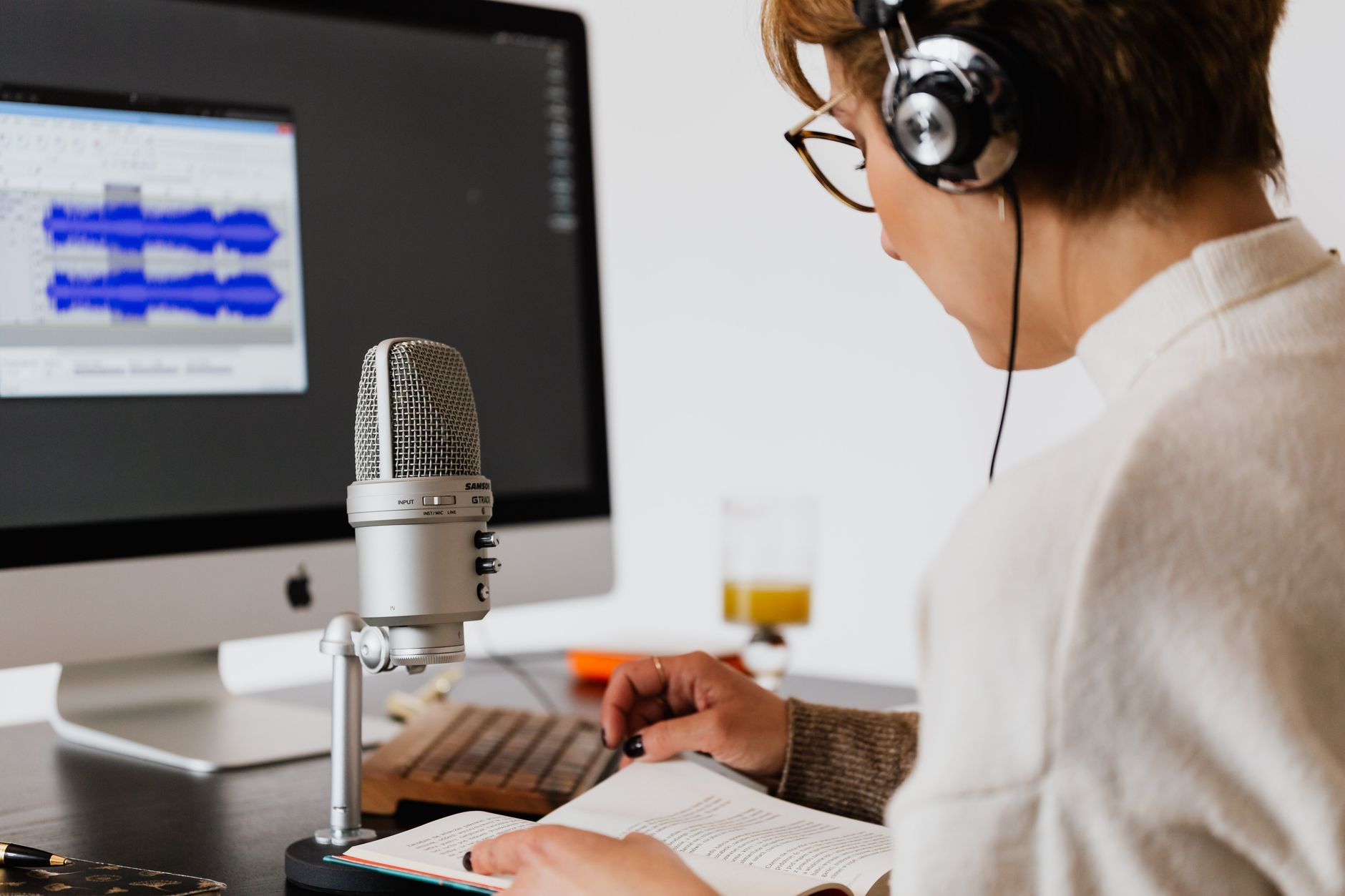 Photo: https://kaboompics.com/ via Pexels
Editorial methodology: Assessments are based on manufacturer specifications, published user reviews, and editorial research. Physical hands-on testing is noted explicitly where it occurred. Rankings reflect our editorial judgment and are not influenced by affiliate commission rates. Full editorial policy · Affiliate disclosure