Contents
Shure SM7B Review (2026): Still Worth the Hype?
TL;DR: The Shure SM7B is a large-diaphragm dynamic microphone built for broadcast, podcasting, and vocal recording in untreated rooms. It delivers warm, controlled sound with excellent off-axis rejection — but it needs a clean preamp with plenty of gain (at least 60 dB) to perform. If your signal chain can feed it, it earns every dollar.
What Is the Shure SM7B?
The SM7B is a cardioid dynamic microphone with a flat, wide-range frequency response and built-in air suspension shock isolation. Designed originally for broadcast, it became the go-to mic for podcasters, streamers, and home vocalists who record in rooms without acoustic treatment. Its biggest practical strength: it rejects room noise and handling vibration far better than any condenser at this price.
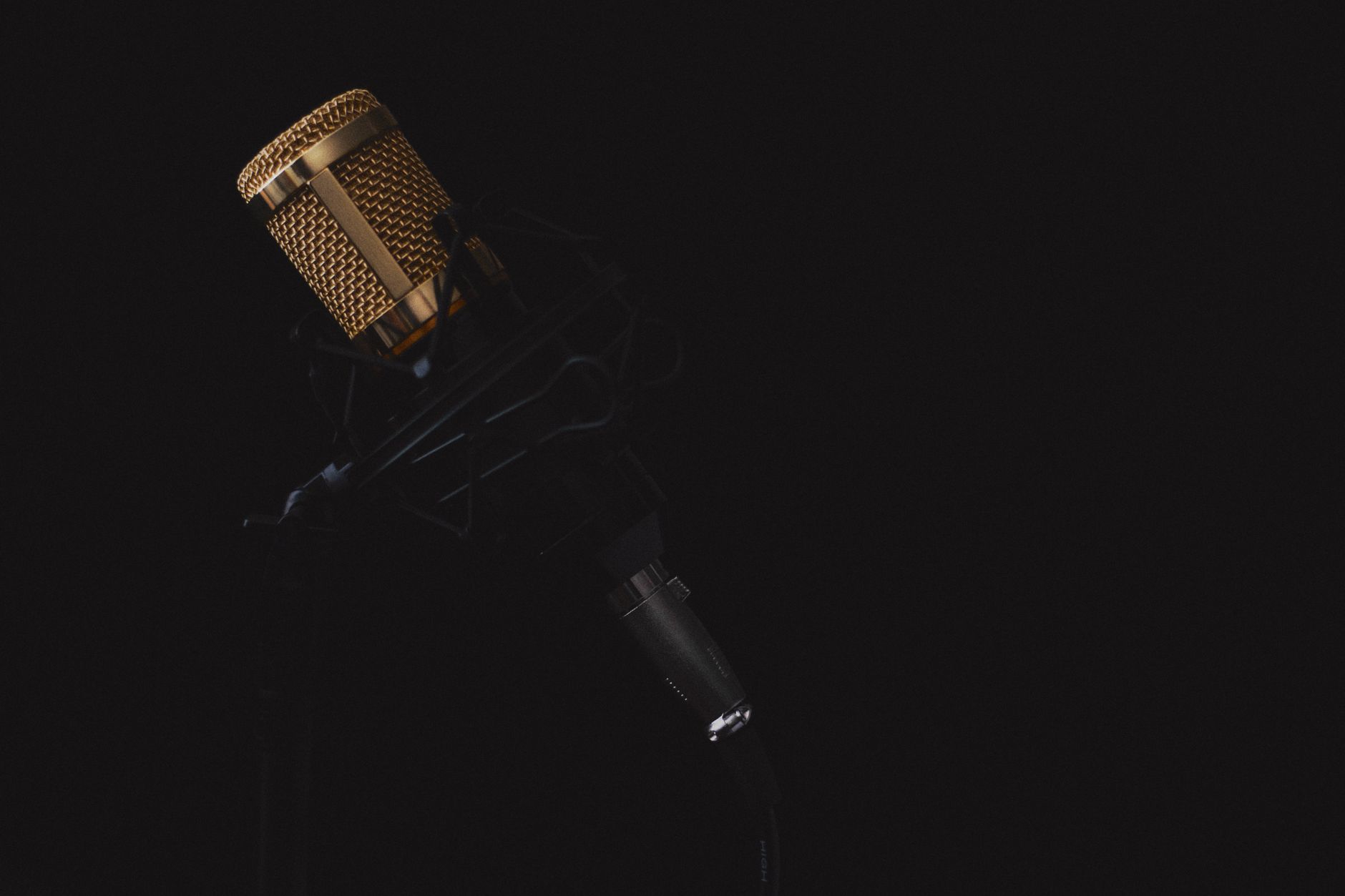
 Photo: Kenneth Surillo via Pexels
The SM7B has been in continuous production since 1973 in various iterations. The 2026 unit is functionally identical to the version Michael Jackson used on Thriller, which tells you something about how well Shure got this right the first time.
Frequency response runs 50 Hz–20 kHz. The cardioid polar pattern rejects sound arriving from the rear and sides, which is exactly what you want when recording vocals in a bedroom next to a running computer or HVAC unit.
The two built-in EQ switches — a low-frequency roll-off and a mid-range presence boost — are passive and engage via switches on the back of the mic body. Neither is dramatic, but both are useful.
SM7B Specs
| Specification | Value |
|---|---|
| Transducer Type | Dynamic (moving coil) |
| Polar Pattern | Cardioid |
| Frequency Response | 50 Hz – 20 kHz |
| Sensitivity | −59 dBV/Pa (1.12 mV) |
| Impedance | 150 Ω |
| Output Connector | XLR (3-pin) |
| Internal Shielding | Yes (against hum from lighting, computers) |
| Built-in EQ | Low-cut filter, presence boost (switchable) |
| Weight | 765 g (1.69 lbs) |
| Included | A7WS close-talk windscreen, close-talk foam windscreen, mounting yoke |
SM7B Sound Quality
The SM7B sounds controlled and warm without being dull. High-end detail is present but never harsh — a quality that makes it forgiving on sibilant vocals and bright sources. The proximity effect kicks in noticeably when you work within 2–3 inches of the capsule, adding low-end body that suits radio-style vocals and spoken word delivery.
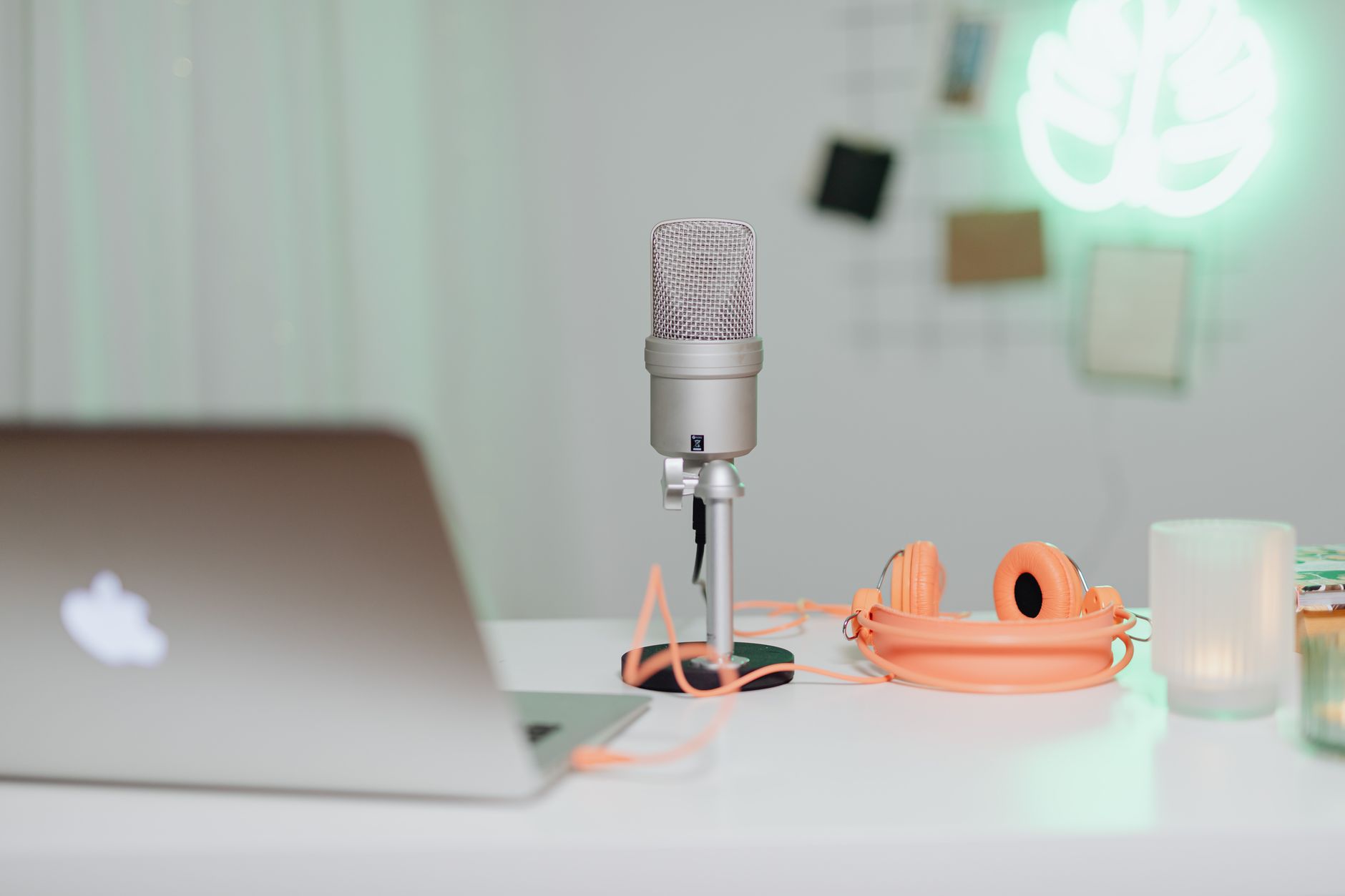 Photo: https://kaboompics.com/ via Pexels
For singing, the SM7B rewards close-mic technique. Back away past six inches and the top end loses presence, making it sound thin unless you engage the presence boost switch. That said, published capsule measurements show a smooth, gentle rise around 5–10 kHz that adds clarity without the edginess that plagues cheaper dynamics.
The low-frequency roll-off switch cuts below 100 Hz — useful in stands-on-desk setups where low-end room rumble or foot traffic bleeds in. User consensus across forums and published gear reviews consistently notes this makes a meaningful difference in untreated spaces.
Compared to condensers at the same price (around $400), the SM7B trades top-end detail and acoustic space for noise rejection and room forgiveness. It is a deliberate tradeoff. If your room sounds great, a condenser will likely give you more life and air. If your room sounds like a bedroom, the SM7B often produces better results straight out of the box.
The Gain Problem — and How to Solve It
This is the SM7B’s one real friction point. At −59 dBV/Pa, it is a low-output microphone. Budget audio interfaces typically supply 50–55 dB of clean gain, which is not enough. Push a weak preamp to its ceiling chasing SM7B output and you get audible hiss. You either need a clean interface with 60+ dB gain, or an inline preamp booster.
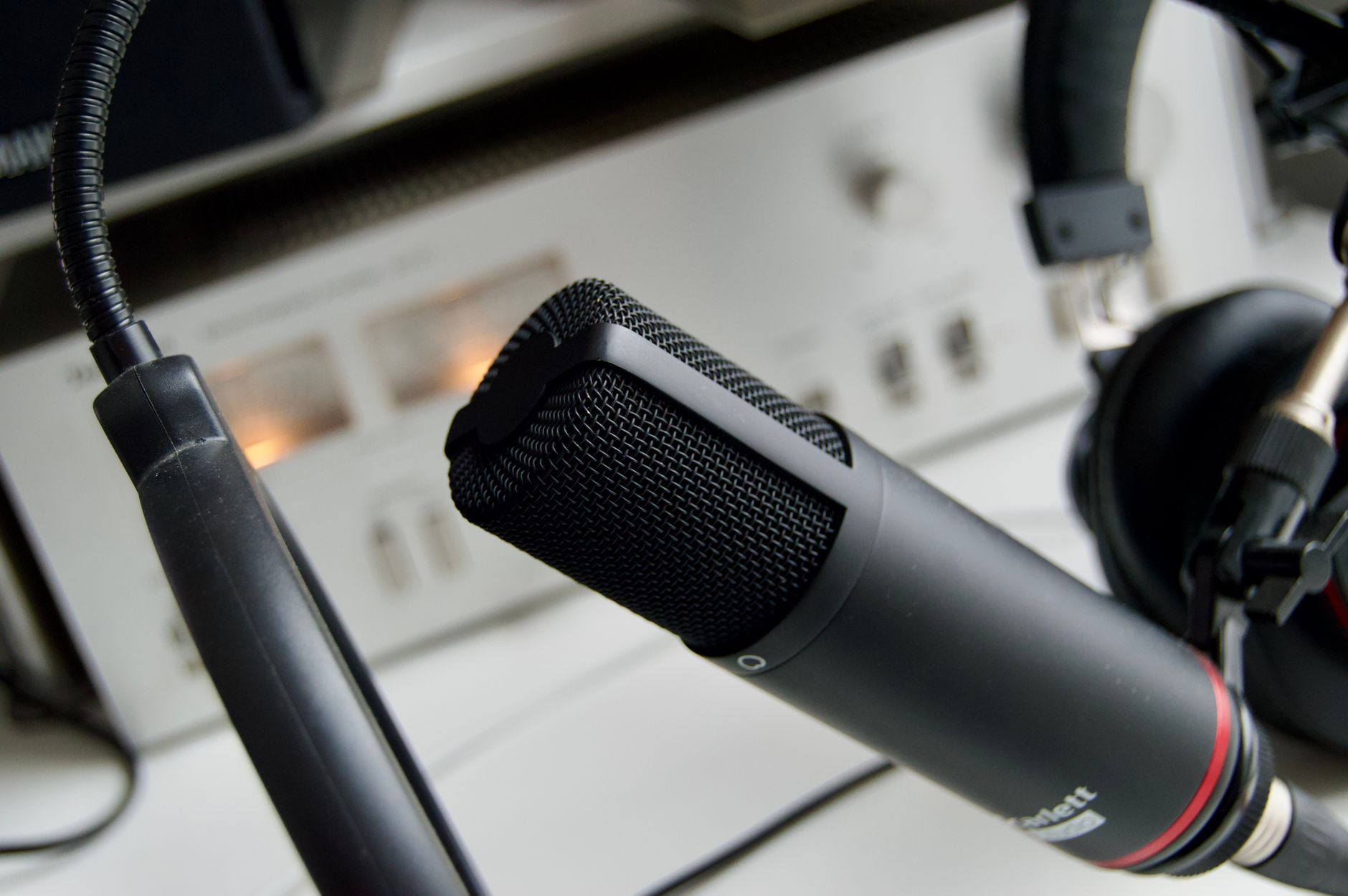
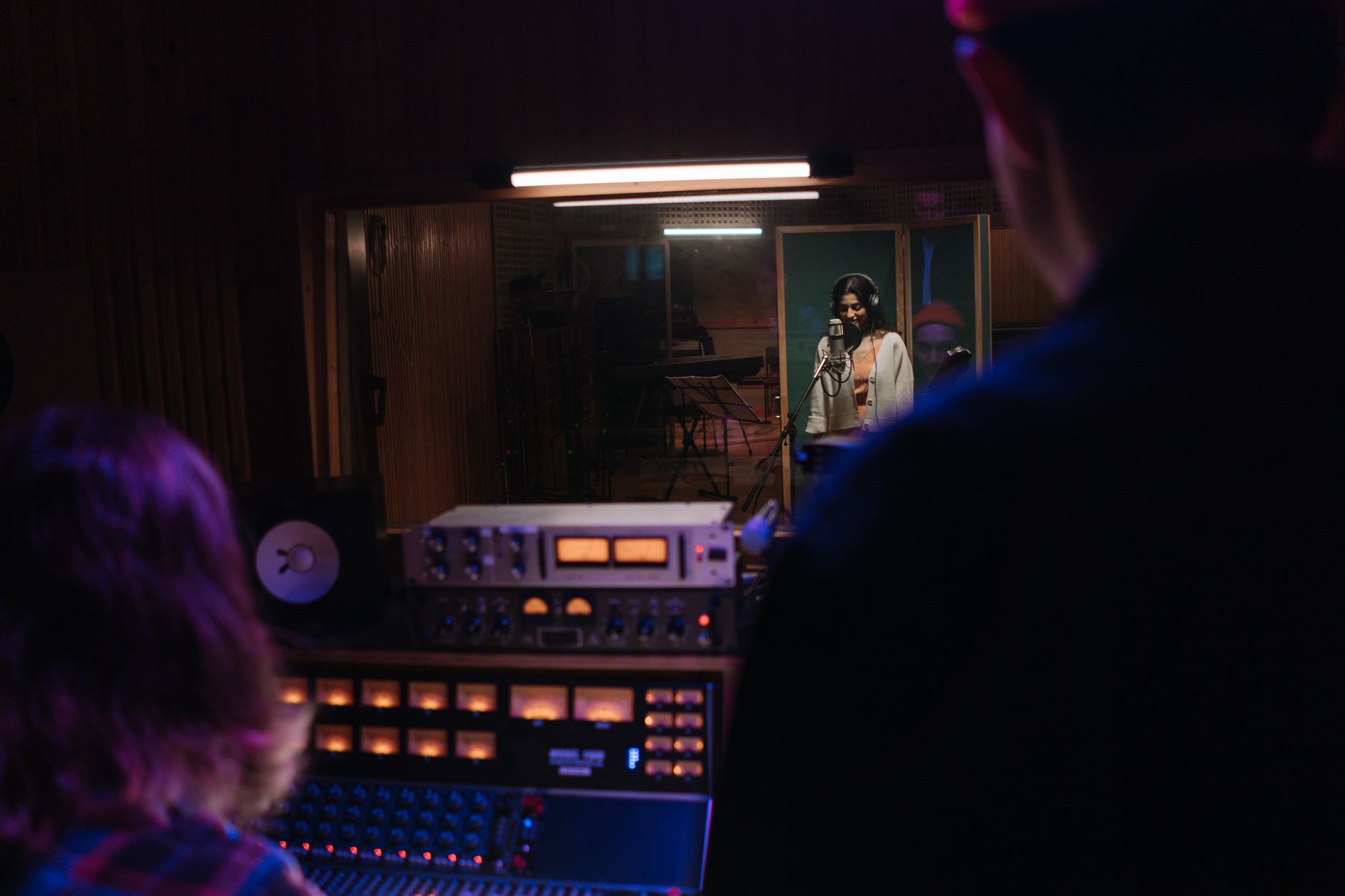 Photo: cottonbro studio via Pexels
The two common solutions:
| Option | Cost | What It Does |
|---|---|---|
| Focusrite Scarlett Solo (4th Gen) | ~$120 | 56 dB max gain — borderline; workable in a quiet room |
| Focusrite Scarlett 2i2 (4th Gen) | ~$160 | 56 dB — same caveat |
| Universal Audio Volt 2 | ~$200 | 60 dB, clean headroom — comfortable with SM7B |
| Cloud Microphones Cloudlifter CL-1 | ~$150 | +25 dB passive boost, works with any interface |
| Triton Audio FetHead | ~$60 | +27 dB inline gain, lower noise floor than CL-1 per published specs |
The FetHead is the most cost-efficient path if you already own a decent interface but need more gain. The Cloudlifter is more widely available and the industry default recommendation, though the FetHead measures slightly quieter in published audio testing data.
Who Should Buy the SM7B?
The SM7B makes most sense for vocalists, podcasters, and streamers who record in untreated rooms and already own (or are buying) a capable preamp. It is not the right tool for acoustic instrument recording, room ambience capture, or anyone working with a budget interface and no gain supplement plan.
 Photo: https://kaboompics.com/ via Pexels
Verdict by User Archetype
| Archetype | Verdict |
|---|---|
| First-time beginner | Wait. Pair it with a low-gain budget interface and you will chase noise problems before you learn to use the mic itself. Start with a USB condenser and return to the SM7B when your signal chain is sorted. |
| Bedroom producer / home vocalist | Strong fit if your interface has 60+ dB clean gain, or you add a Cloudlifter/FetHead. The room rejection alone justifies the price for untreated spaces. |
| Podcaster / streamer | Natural home. The SM7B’s broadcast heritage shows — it handles close-mic vocal delivery, mouth movement noise, and background rejection better than most alternatives. |
| Prosumer / semi-professional | Solid workhorse for spoken word, lead vocals, and broadcast-style applications. Not a replacement for a high-end condenser on sources that need air and detail, but earns its place in a multi-mic locker. |
SM7B vs. Competitors
| Product | Price | Type | Gain Required | Room Forgiveness | Best For |
|---|---|---|---|---|---|
| Shure SM7B | ~$399 | Dynamic | High (60+ dB) | Excellent | Vocals, podcast, broadcast |
| Audio-Technica AT2020 | ~$99 | Condenser | Standard | Moderate | Home studio, acoustic instruments |
| Rode PodMic | ~$99 | Dynamic | Standard | Good | Budget podcast |
| Electro-Voice RE20 | ~$449 | Dynamic | High | Excellent | Broadcast, voiceover |
| Shure SM58 | ~$99 | Dynamic | Standard | Good | Live vocal, stage |
The RE20 is the SM7B’s closest competitor in broadcast applications. Published comparisons show the RE20 with a slightly flatter proximity effect response, which some engineers prefer for voiceover. The SM7B wins on availability, community support, and accessory ecosystem.
→ See Also
- Best Microphones for Home Recording (2026) — full comparison across all types and budgets
- Best Budget Condenser Microphone (2026) — if the SM7B’s gain requirements or price are a barrier
- Audio-Technica AT2020 Review (2026) — the condenser alternative for treated rooms
FAQ
Does the Shure SM7B need phantom power? No. The SM7B is a dynamic microphone and does not use or require phantom power (+48V). You can leave phantom power off when using it. However, if you use an inline booster like the Cloudlifter CL-1, that device does require phantom power from your interface — the SM7B itself remains unaffected.
Is the SM7B good for singing, or just podcasting? It works well for singing, particularly on vocals that benefit from warmth and controlled high-end rather than airy detail. Published recordings across genres confirm it on lead vocals in country, hip-hop, and metal production. For acoustic-heavy genres or vocals that need extended top-end presence, a large-diaphragm condenser in a treated space will often outperform it.
What is the best audio interface to pair with the SM7B? Based on manufacturer specifications and independent gain testing data, interfaces delivering 60 dB or more of clean gain are the minimum target. The Universal Audio Volt 2, Focusrite Clarett+ 2Pre, and Motu M2 all meet this threshold. The standard Scarlett Solo/2i2 4th Gen units hit 56 dB — workable, but adding a FetHead or Cloudlifter is the safer long-term setup.
How close should you be to the SM7B when recording? Two to four inches is the common working distance for vocal recording. Expert consensus from audio engineers and Shure’s own published usage guidance points to this range for balanced proximity effect without excessive plosives. A pop filter or the included windscreen manages plosives at this distance. Back off past six inches and you may need to engage the presence boost switch to recover high-end clarity.
Has the SM7B changed in 2025 or 2026? No. Shure has not released a hardware revision to the SM7B capsule or circuit in recent years. The current production unit is functionally identical to prior versions. Cosmetic packaging and accessory bundle contents are the only documented changes across recent production runs.
Editorial methodology: Assessments are based on manufacturer specifications, published user reviews, and editorial research. Physical hands-on testing is noted explicitly where it occurred. Rankings reflect our editorial judgment and are not influenced by affiliate commission rates. Full editorial policy · Affiliate disclosure