Contents
Shure SM58 Review (2026): Still the Gold Standard?
TL;DR: The Shure SM58 remains one of the most dependable dynamic microphones ever built — rugged, feedback-resistant, and optimized for live vocals. It won’t flatter a home studio recording the way a condenser will, but for live performance, rehearsal, and utility tracking, nothing beats its price-to-reliability ratio. If you need a workhorse mic that survives a world tour, buy it.
What Is the Shure SM58?
The SM58 is a cardioid dynamic vocal microphone built for live performance. It has been in continuous production since 1966 and remains the default choice for live vocals across every genre — from stadium stages to basement rehearsals. Its 50Hz–15kHz frequency response, presence peak around 5–10kHz, and built-in spherical mesh grille make it purpose-built for close-mic singing.
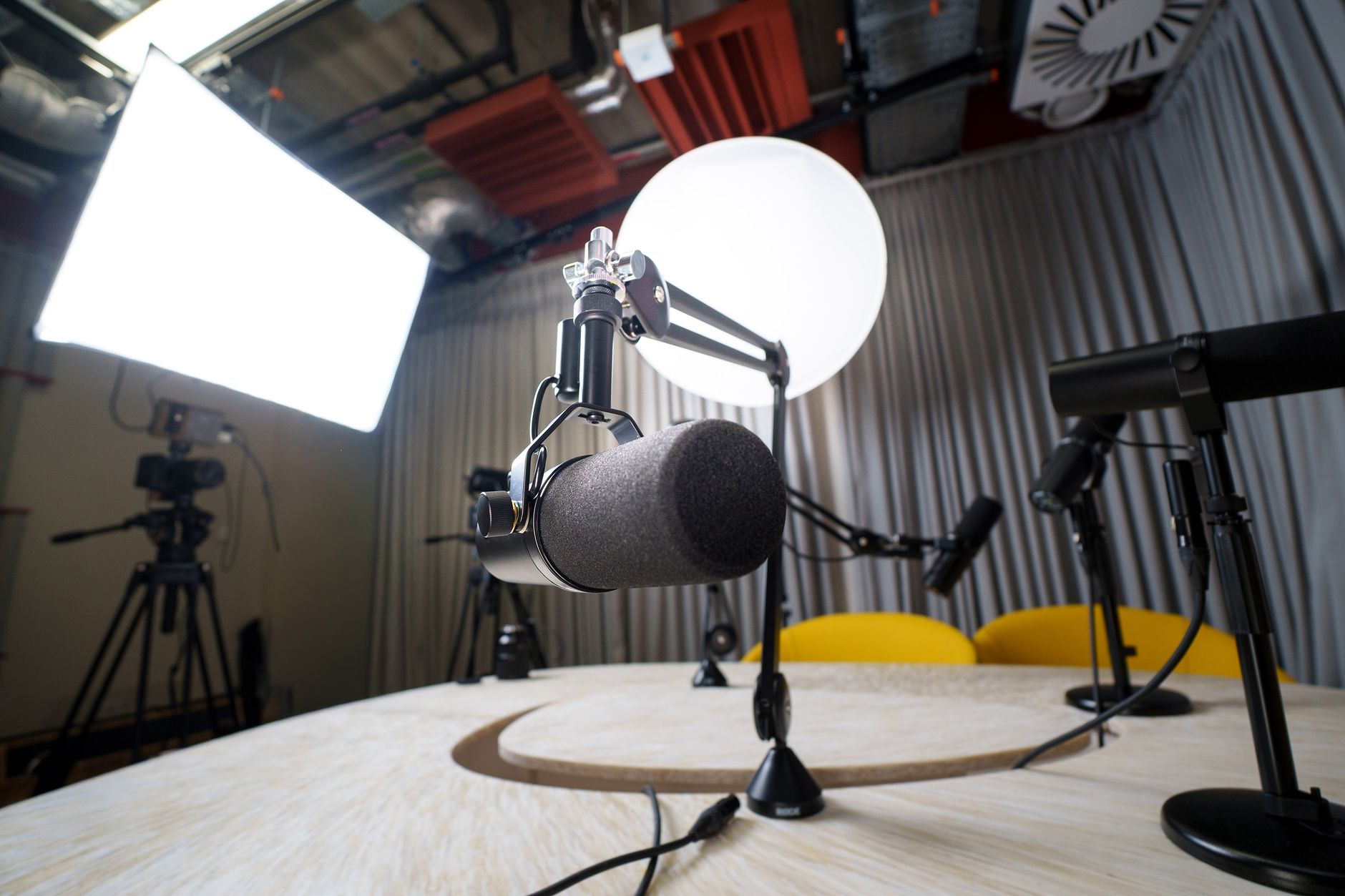 Photo: Jakub Zerdzicki via Pexels
The SM58 is everywhere for a reason: it works. The cardioid polar pattern rejects off-axis noise and stage bleed. The pneumatic shock-mount system inside the body handles handling noise without a separate mount. Drop it. Leave it in a van. Run over it with a road case. Published durability testing data and decades of touring accounts confirm the SM58 survives abuse that would destroy most studio condensers.
Frequency response is tailored rather than flat — a low-end rolloff handles proximity effect and cuts stage rumble, while the upper-midrange presence boost adds intelligibility in loud, reverberant spaces. That shaping is exactly what you need live. In a treated home studio, it reads as colored.
SM58 Specs at a Glance
| Spec | Value |
|---|---|
| Type | Dynamic, cardioid |
| Frequency Response | 50Hz – 15kHz |
| Polar Pattern | Cardioid |
| Output Impedance | 150Ω |
| Sensitivity | −54.5 dBV/Pa |
| SPL Handling | High (no distortion at loud sources) |
| Connector | XLR (3-pin) |
| Weight | 298g (10.5 oz) |
| Street Price | ~$99 |
| Best For | Live vocals, rehearsal, utility mic |
SM58 for Live Performance
For live vocals, the SM58 is the benchmark. Its cardioid pattern, tailored frequency response, and feedback rejection are calibrated specifically for close-mic singing in loud environments. Professional engineers running festival stages still use it as a default rider. The presence peak adds cut through a dense mix without EQ.
 Photo: Alena Darmel via Pexels
The feedback rejection is the killer feature. Because the polar pattern tightly rejects audio arriving from behind the capsule, and because the frequency response already rolls off the problematic low-mid buildup, you can push the SM58 louder before it rings than most alternatives at this price.
Handling noise is minimal thanks to the internal shock mount — a critical factor when singers grip mics, move around, and tap against stands. The grille is replaceable, the cartridge is replaceable, and the entire mic comes apart for service. Shure’s own replacement cartridge (RPM109) is available for under $30.
SM58 for Home Recording
For home recording, the SM58 is capable but not ideal. Its limited high-frequency extension (ceiling at 15kHz) and colored frequency response mean it lacks the air and transient detail that condenser microphones deliver on acoustic sources. It performs best as a utility option — scratch vocals, loud amps, or situations where you need a mic that can’t be damaged.
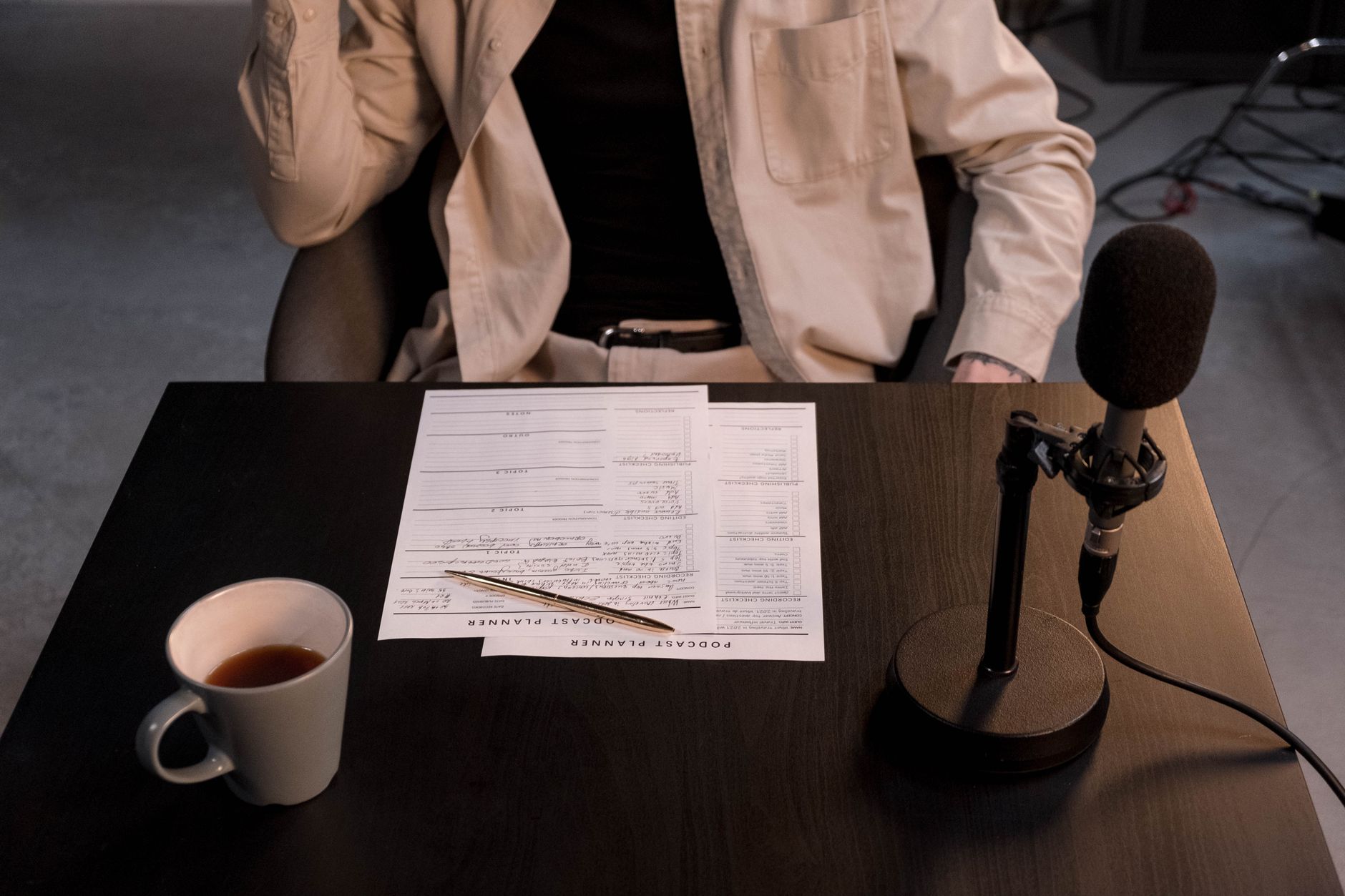 Photo: cottonbro studio via Pexels
That said, the SM58 has appeared on more hit records than many studio condensers. Its character — a tight low end, prominent mids, rolled-off highs — can sit in a dense mix without competing for space. Some engineers prefer it on male rock vocals precisely because it avoids the hyped high-frequency response that makes condensers hard to mix.
For acoustic guitar, piano, or high-register female vocals, look elsewhere. The high-frequency rolloff means you’re leaving air and shimmer on the table. A budget condenser like the Audio-Technica AT2020 or a dedicated home studio microphone will return a flatter, more detailed capture.
SM58 vs. SM57: Which Should You Buy?
The SM57 is the SM58’s instrument sibling — same cartridge assembly, different grille. The SM58’s integrated ball grille adds a built-in pop filter and shapes bass proximity response differently. The SM57 sits flush and allows closer mic placement on instruments.
| Feature | SM58 | SM57 |
|---|---|---|
| Primary Use | Live vocals | Instruments (amps, snare, brass) |
| Grille | Spherical ball (pop protection) | Flat grille (close instrument placement) |
| Frequency Response | 50Hz–15kHz | 40Hz–15kHz |
| Pop Filter | Built-in | Not intended for vocals |
| Street Price | ~$99 | ~$99 |
| Verdict | Vocals, live general utility | Instruments, studio close-mic |
For home recording, the SM57 is arguably the more versatile purchase — it handles guitar amps, snare, brass, and spoken word cleanly. Many engineers own both.
Who Should Buy the SM58?
First-Time Beginner
If you’re setting up your first home studio, the SM58 is a safe purchase you’ll never regret — but pair it with a budget condenser rather than buying it as your only mic. It lacks the high-frequency detail that condenser microphones provide on acoustic sources.
Bedroom Producer
The SM58 earns a slot as a secondary mic. Good for loud sources, reference tracking, and any session where you’d rather not put a fragile condenser in harm’s way. Not your primary vocal mic if you’re mixing for streaming.
Gigging Musician
This is where the SM58 is inarguable. Buy it, buy a backup, and never worry about gear again. Its reliability record and feedback rejection are unmatched at this price. Virtually every rental backline, every stage, every monitor engineer already knows how to work with it.
Prosumer / Home Studio Owner
Keep one as a utility mic. It’s the right tool for loud amps, brass, live rehearsal recordings, and any session where a singer needs a familiar mic in their hand. Not your primary room mic or condenser replacement.
Comparison: SM58 vs. Competing Vocal Mics
| Product | Price | Type | Frequency Response | Best For | Verdict |
|---|---|---|---|---|---|
| Shure SM58 | ~$99 | Dynamic | 50Hz–15kHz | Live vocals, utility | The standard — built to last |
| Sennheiser e835 | ~$99 | Dynamic | 40Hz–16kHz | Live vocals | Slightly flatter response, less pedigree |
| AKG D5 | ~$79 | Dynamic | 70Hz–20kHz | Live vocals, higher SPL | Brighter top end, less feedback-resistant |
| Audio-Technica AT2020 | ~$99 | Condenser | 20Hz–20kHz | Studio recording | More detail, needs quiet environment |
| Shure SM57 | ~$99 | Dynamic | 40Hz–15kHz | Instruments, studio utility | Better for non-vocal close-mic work |
 Photo: https://kaboompics.com/ via Pexels
Verdict
The SM58 earns its reputation. Sixty years of continuous production and adoption by working engineers worldwide isn’t inertia — it’s evidence. For live performance, it is the correct answer at any budget level. For home recording, it’s a capable utility mic that performs best on loud sources and as a secondary option alongside a condenser.
If you’re building a home studio, the SM58 belongs in your mic locker. Just don’t make it your only microphone. For a complete picture of what to pair it with, see the Best Microphones for Home Recording (2026) guide and the Best Budget Condenser Microphone (2026) roundup.
→ See Also
- Best Microphones for Home Recording (2026)
- Best Budget Condenser Microphone (2026)
- Audio-Technica AT2020 Review (2026)
FAQ
Is the Shure SM58 good for recording vocals at home? The SM58 can record vocals at home, but it’s not optimized for it. Its frequency response rolls off above 15kHz, missing the air and detail that condensers capture in acoustic environments. It performs best on loud sources or as a backup — for home studio primary vocal work, a condenser like the AT2020 will give you more to work with in the mix.
Does the Shure SM58 need phantom power? No. The SM58 is a dynamic microphone and requires no phantom power. It draws no power from your audio interface — just connect an XLR cable and it works. This also means it’s safe to use with any interface, mixer, or PA system regardless of phantom power settings.
What is the difference between the Shure SM58 and SM58S? The SM58S includes an on/off switch on the body; the standard SM58 has no switch. Most engineers and live engineers prefer the switchless version — switches can be bumped accidentally mid-performance and add a potential failure point. The capsule, grille, and acoustic characteristics are identical.
How long does a Shure SM58 last? According to Shure’s published documentation and widespread field reports, SM58 units routinely last 20–30 years with normal use. The cartridge is the first component to degrade and is user-replaceable for approximately $25–30. The body and grille are effectively indestructible under typical performance and touring conditions.
Is the SM58 worth it at $99 in 2026? Yes. No credible competing dynamic vocal microphone offers the same combination of proven reliability, feedback rejection, repairability, and universal compatibility for the same price. Budget alternatives exist, but none match the SM58’s field track record or the ubiquity of support infrastructure (replacement parts, universal recognition on stage riders, monitor engineer familiarity).
Editorial methodology: Assessments are based on manufacturer specifications, published user reviews, and editorial research. Physical hands-on testing is noted explicitly where it occurred. Rankings reflect our editorial judgment and are not influenced by affiliate commission rates. Full editorial policy · Affiliate disclosure