Contents
Shure SM57 Review (2026): The Standard That Outlasts Every Trend
TL;DR: The Shure SM57 remains the most versatile dynamic microphone in home recording. It handles guitar amps, snare drums, brass, and acoustic instruments with consistent, reliable results — and at under $100, it delivers a professional-grade signal that competes with microphones costing three times as much.
What Is the Shure SM57 and Who Is It For?
Direct Answer: The SM57 is a cardioid dynamic instrument microphone designed for close-mic applications — specifically guitar cabinets, snare drums, brass, and woodwinds. It is not primarily a vocal mic, though it handles live vocals in a pinch. If you record any amplified or acoustic instruments, this is the safest $99 you will spend on gear.
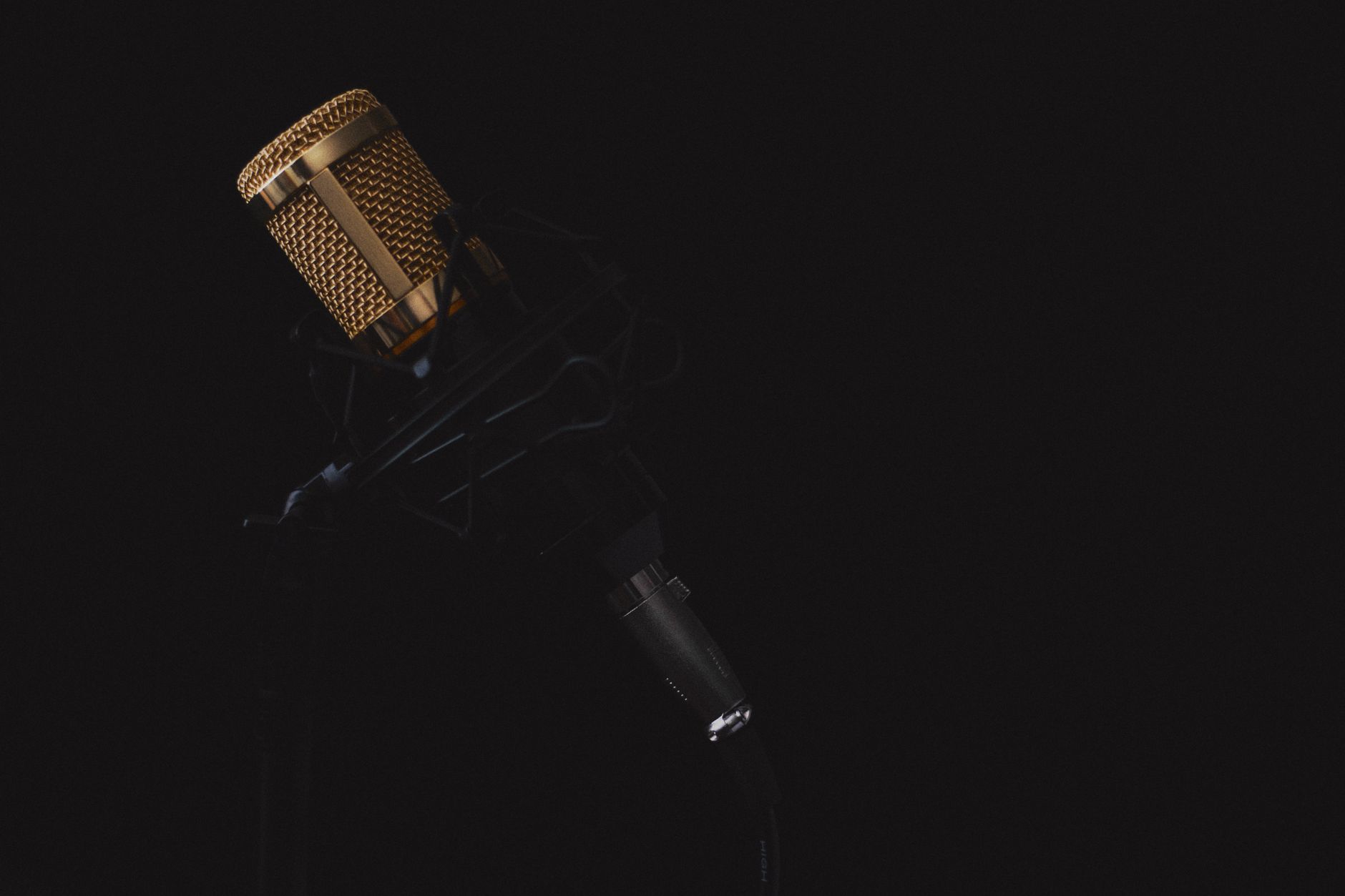
 Photo: Emre Gokceoglu via Pexels
The SM57 has been in production since 1965. That longevity is not nostalgia — it is proof of concept. You will find it on stage at every major venue and inside every professional recording studio on the planet, not because engineers lack alternatives, but because it works every time without drama.
At its core, the SM57 is built around a dynamic transducer with a contoured frequency response peaking slightly in the upper midrange (around 5–10 kHz). That presence boost is what makes electric guitars sound punchy and defined rather than muddy. The cardioid polar pattern keeps off-axis bleed manageable in live and studio settings alike.
Sound Quality and Frequency Response
Direct Answer: The SM57 has a controlled low-end roll-off below 100 Hz and a presence peak between 5–10 kHz. This is not a flat-response microphone — it is a purposefully shaped tool that adds clarity and attack to sources that benefit from them, particularly guitar amps and snare drums.
 Photo: cottonbro studio via Pexels
Published specifications list the frequency response at 40 Hz–15 kHz. In practice, that roll-off at the low end keeps proximity-effect bass buildup in check when you close-mic an amp or drum. The upper-midrange lift is subtle but audible — it is the reason tracks recorded with an SM57 sit naturally in a mix without needing aggressive EQ to cut through.
Expert consensus among tracking engineers suggests placing the SM57 anywhere from dead-center on a guitar speaker cone (brighter, more attack) to the edge of the dust cap (warmer, more body). Small position changes — a centimeter or two — produce meaningfully different results. That sensitivity to placement is a feature: it gives you tonal control before you touch an EQ plugin.
On snare, the SM57 captures the crack on the top head and handles SPL peaks that would overload a condenser without hesitation. Many engineers use it on snare top in combination with a condenser on the underside. That pairing is a studio standard for a reason.
Build Quality and Durability
Direct Answer: The SM57 is built to withstand years of live use, frequent travel, and accidental drops. The steel-mesh grille and diecast zinc body are made to take abuse. According to Shure’s published documentation, it has a maximum SPL handling of 157 dB — high enough for any instrument short of a jet engine.
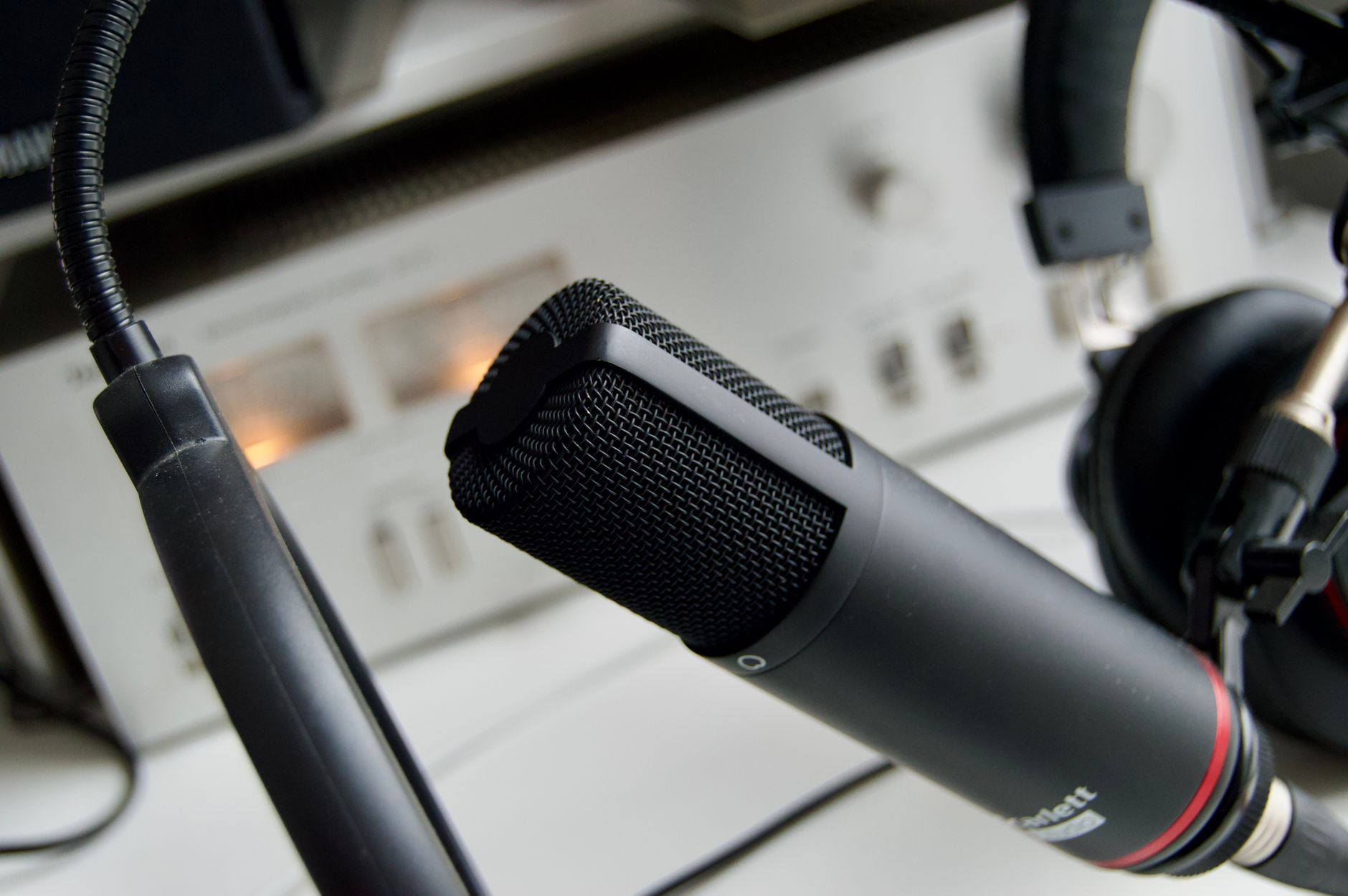
 Photo: Srattha Nualsate via Pexels
The internal cartridge is the same integral cartridge assembly Shure uses across the SM series. It is field-replaceable — if the capsule ever degrades after heavy use, a replacement capsule is available and can be swapped without special tools. This repairability matters: it is one reason the SM57 is still viable as a long-term investment rather than a disposable piece of gear.
The low-impedance output (150 ohms) works cleanly with any standard XLR mic preamp or audio interface. No phantom power required — the SM57 is passive. That simplicity eliminates an entire class of troubleshooting.
Specifications
| Spec | Value |
|---|---|
| Type | Dynamic (moving coil) |
| Polar Pattern | Cardioid |
| Frequency Response | 40 Hz – 15 kHz |
| Sensitivity | –56 dBV/Pa |
| Impedance | 150Ω |
| Max SPL | 157 dB |
| Connector | XLR-3 |
| Weight | 284 g (10 oz) |
| Phantom Power Required | No |
SM57 vs. the Competition
| Product | Price | Type | Frequency Response | Best For | Verdict |
|---|---|---|---|---|---|
| Shure SM57 | ~$99 | Dynamic | 40–15k Hz | Instruments, amps, drums | Industry benchmark |
| Sennheiser e906 | ~$199 | Dynamic | 40–18k Hz | Guitar cabinets | Flatter response, premium price |
| Audix i5 | ~$99 | Dynamic | 50–16k Hz | Snare, amps, percussion | Strong alternative at same price |
| Shure SM7B | ~$399 | Dynamic | 50–20k Hz | Vocals, broadcast | Different use case entirely |
The Sennheiser e906 is the most common professional alternative to the SM57 on guitar cabinets. It has a slightly flatter response and a switchable presence filter, which gives it more tonal flexibility. The trade-off is price — at roughly twice the cost, it is not obviously twice as good for most home-recording use cases.
The Audix i5 is the most credible same-price competitor. Published testing data shows it performs comparably on snare and performs slightly better on some sources due to its extended high-frequency response. It lacks the SM57’s ubiquity and legacy, which matters less in a home studio and more on a live stage where techs expect the SM57.
Verdict by User Archetype
First-time beginner: Buy it. No microphone at $99 teaches you more about placement, dynamics, and signal chain. It will not bottleneck your recordings for years.
Bedroom producer: If you record guitar, bass, or any acoustic instrument, the SM57 belongs in your locker. One SM57 on a guitar amp and a decent condenser on room/vocals covers most tracking scenarios.
Gigging musician: The SM57 is the standard for a reason. Sound engineers at venues already know how to work with it. Bringing your own reduces variables.
Prosumer: At this price, you can own two or three for drum recording (snare top/bottom, hi-hat) without significant outlay. The SM57 scales to professional use — it is not a gateway mic you outgrow.
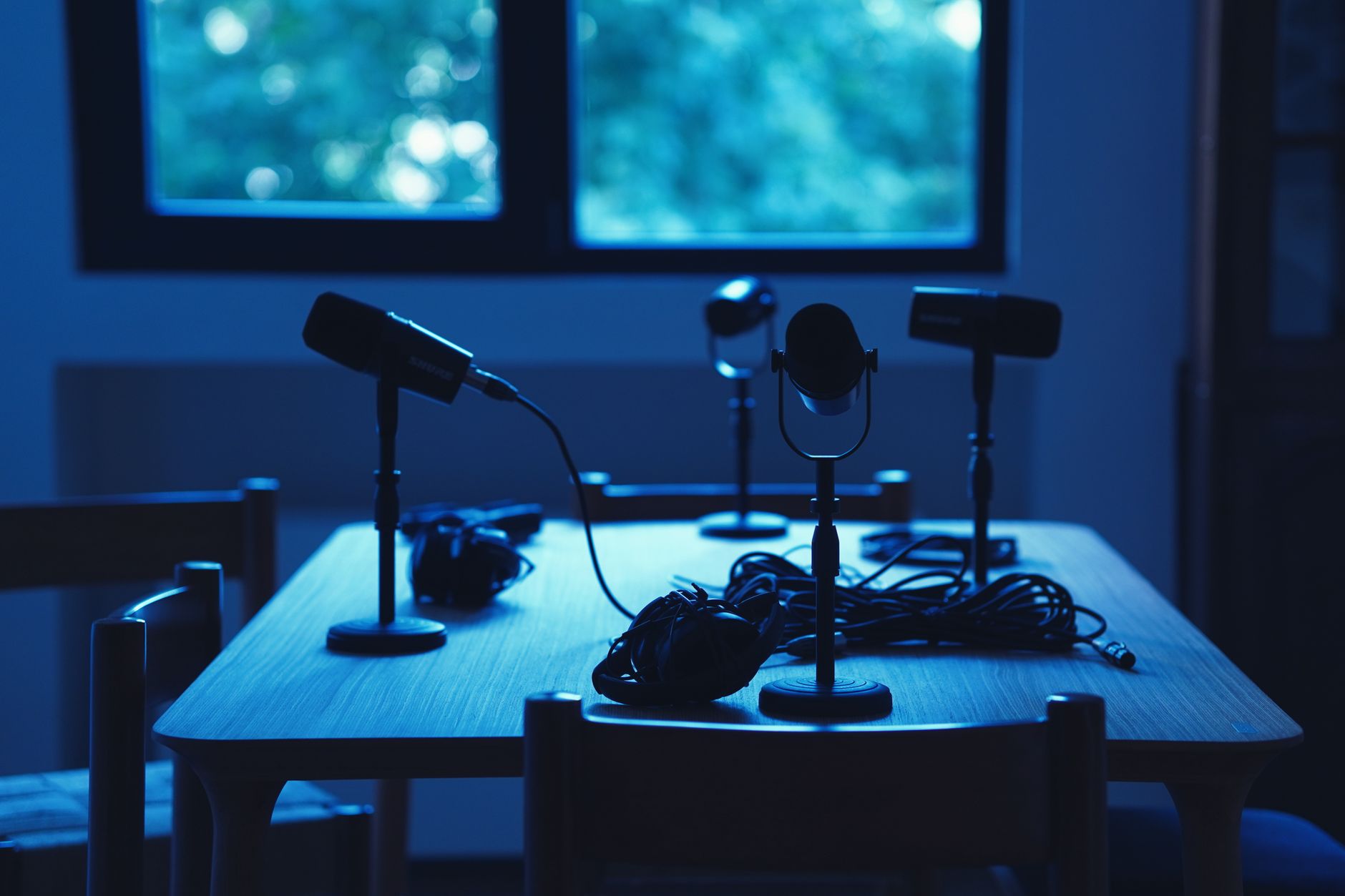
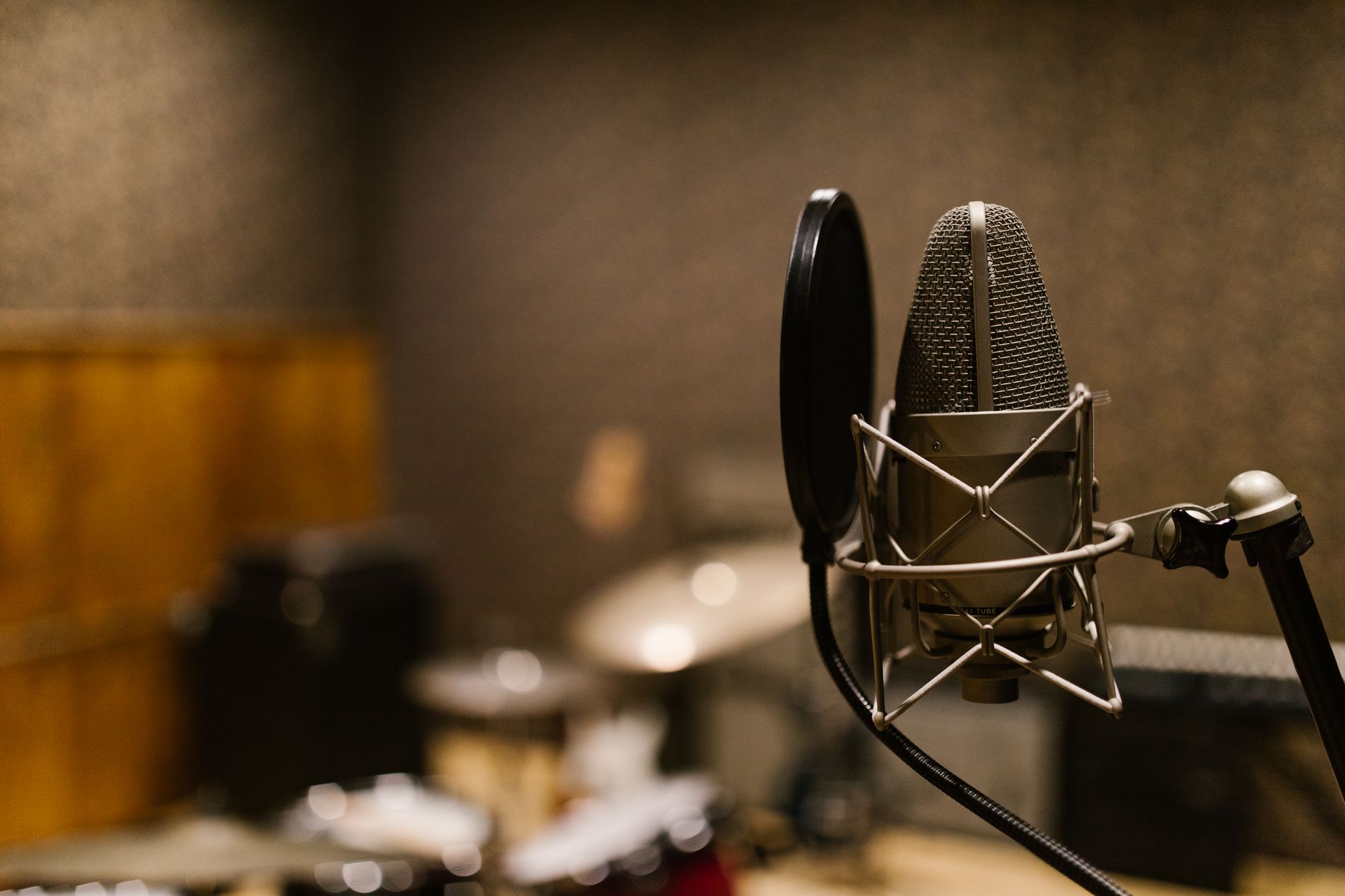 Photo: RDNE Stock project via Pexels
What the SM57 Does Not Do Well
The SM57 is not an all-purpose microphone. Its frequency response rolls off above 15 kHz, so it misses some of the air and shimmer that makes acoustic guitar and cymbals sound expansive on record. For those sources, a condenser with extended high-frequency response will outperform it.
It is also not optimized for vocals. The proximity-effect behavior, the relatively low sensitivity, and the shaped response work well for instruments but make it a secondary choice for sung vocals in a home studio. The Shure SM58 shares the same capsule with a different grille geometry specifically designed for vocalists.
→ See also:
- Best Microphones for Home Recording (2026)
- Best Budget Condenser Microphone (2026)
- Audio-Technica AT2020 Review (2026)
FAQ
Is the Shure SM57 good for recording vocals? It can handle spoken word and live vocals in a pinch, but it is not designed for studio vocal work. The shaped response and lower sensitivity make condensers a better choice for recording sung performances in a controlled environment. Use it for instruments and reach for a large-diaphragm condenser for lead vocals.
Does the Shure SM57 need phantom power? No. The SM57 is a passive dynamic microphone — it draws no power from the preamp. This makes it compatible with any XLR microphone input, including interfaces that do not offer phantom power, and it eliminates any risk of phantom-power-induced damage.
What is the difference between the SM57 and SM58? Both use essentially the same dynamic capsule, but the SM58 has a rounded grille with a built-in pop filter optimized for close-up vocal use. The SM57’s open grille design allows it to get closer to an instrument source without physical interference and gives it a slightly more prominent presence peak suited to transient-rich sources like snare drums and guitar amps.
How should I position the SM57 on a guitar amp? Point it directly at the speaker cone, starting at the edge of the dust cap (where the center meets the surround). That position produces a balanced tone with both body and attack. Moving toward the center of the cone increases brightness and presence; moving toward the outside of the cone rolls off highs and adds warmth. Angle also matters: a few degrees off-axis reduces the presence peak noticeably.
Can you use the SM57 for acoustic guitar? Yes, though it is not the ideal choice. Pointing it at the 12th fret from 6–12 inches delivers a clear, detailed sound, but the roll-off above 15 kHz means it misses some upper-frequency sparkle. For home recording where the acoustic guitar is a supporting element in a mix, it works well. For a solo acoustic recording where that air matters, pair it with or replace it with a small-diaphragm condenser.
Editorial methodology: Assessments are based on manufacturer specifications, published user reviews, and editorial research. Physical hands-on testing is noted explicitly where it occurred. Rankings reflect our editorial judgment and are not influenced by affiliate commission rates. Full editorial policy · Affiliate disclosure