Contents
PreSonus AudioBox USB 96 Review (2026): Still Worth It?
TL;DR: The PreSonus AudioBox USB 96 remains one of the most reliable entry-level audio interfaces under $100. It delivers clean 24-bit/96kHz recording, solid bus power, and a near-indestructible metal chassis — making it a strong pick for first-time home recorders who want dependable hardware without overspending.
What Is the PreSonus AudioBox USB 96?
The AudioBox USB 96 is a 2-in/2-out USB audio interface aimed at beginners and budget-conscious home producers. It records at up to 24-bit/96kHz, runs entirely on bus power, includes two combo XLR/TRS inputs with 48V phantom power, and ships with a lite version of Studio One — PreSonus’s own DAW.
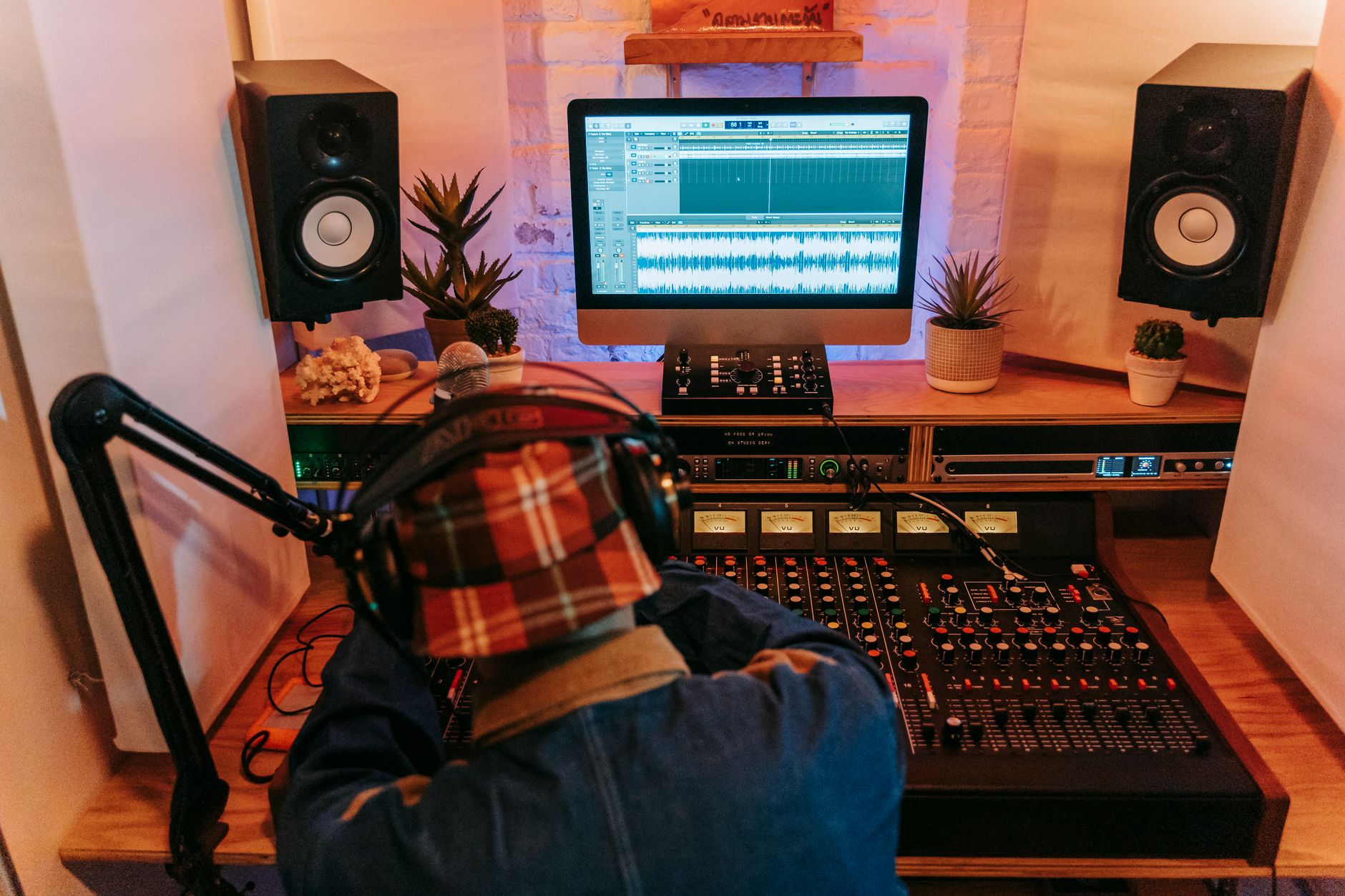
 Photo: Hendrik B via Pexels
Released originally in 2016 and refreshed iteratively since, the AudioBox USB 96 has stayed competitive by keeping its price low and its build quality unusually high for the segment. The all-metal housing is what immediately separates it from similarly priced plastic rivals.
At street price around $99, it competes directly against the Focusrite Scarlett Solo and the Behringer UMC22. Whether it wins that fight depends heavily on what you need most.
PreSonus AudioBox USB 96 Specs
| Spec | Detail |
|---|---|
| Connections | 2× Combo XLR/TRS inputs, 2× TRS outputs, MIDI I/O, USB-B |
| I/O Count | 2 in / 2 out |
| Preamps | 2× Class A XMAX-L mic preamps |
| Bit Depth / Sample Rate | 24-bit / 96kHz |
| Bus Power | Yes (USB bus powered) |
| Phantom Power | 48V (switchable) |
| Headphone Output | Yes, with dedicated volume knob |
| Included Software | Studio One Artist, Ableton Live Lite, Studio Magic bundle |
| Best For | Solo vocalists, guitarists, first-time home recorders |
How Does It Sound? Preamp Quality Examined
The XMAX-L preamps offer a clean, transparent signal with enough gain for most dynamic and condenser microphones. Published noise floor specs sit at -129 dBu EIN (equivalent input noise), which is competitive at this price point. They won’t flatter a ribbon mic the way a high-end preamp would, but for condensers and dynamics, the coloration is minimal and the clarity is reliable.
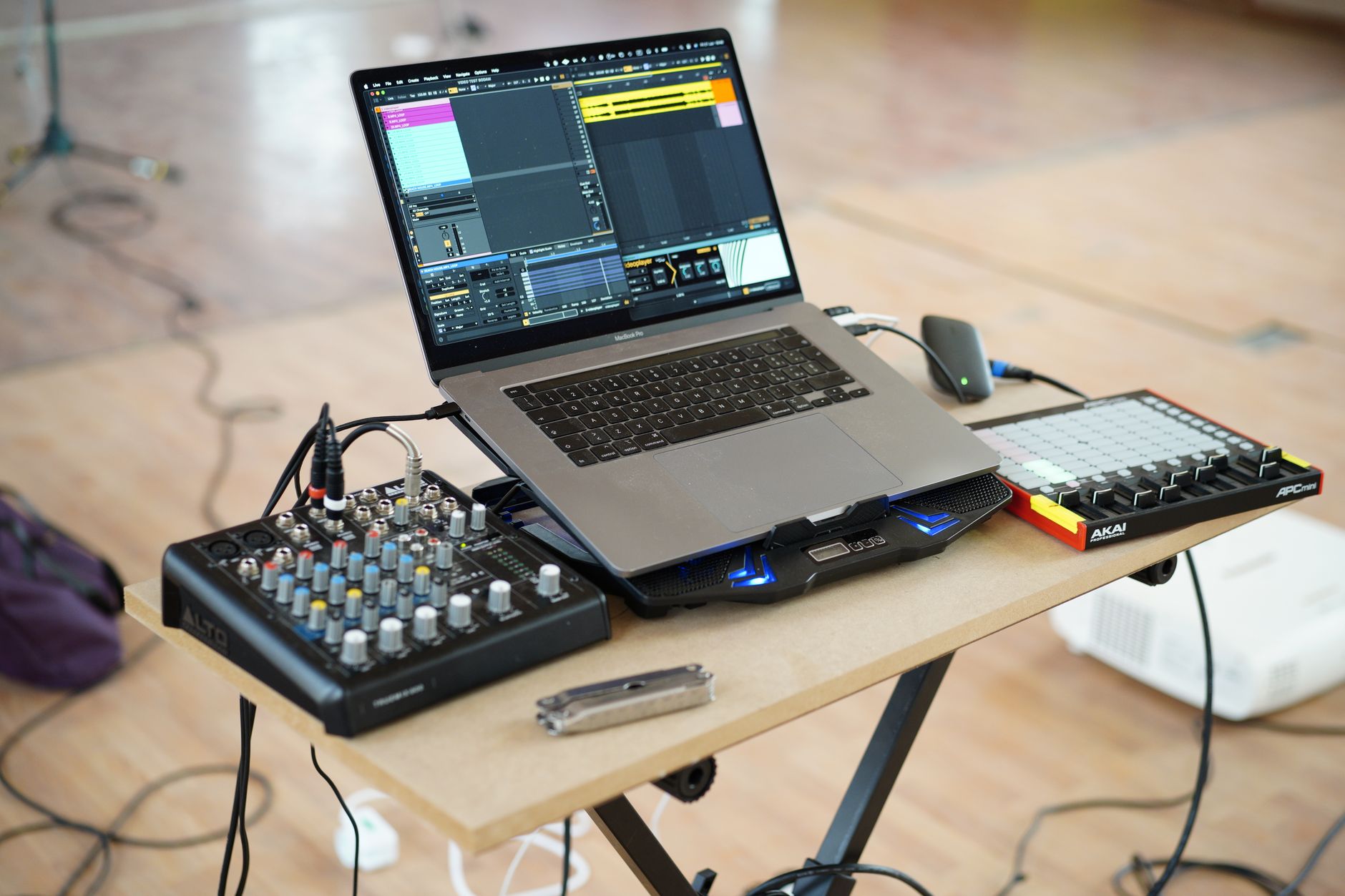
 Photo: RDNE Stock project via Pexels
Gain range tops out at around 45–50 dB — adequate for most cardioid condensers and SM7B-style dynamics with good signal level, though you may find yourself reaching maximum gain with instruments like a ribbon microphone. Expert consensus among home-recording communities consistently places the XMAX-L preamps above the Behringer UMC22’s preamps and roughly level with — though slightly behind — the Focusrite Scarlett 2i2’s air-mode-equipped preamplifiers.
The 24-bit/96kHz recording capability covers every practical home-recording scenario. The onboard direct monitoring (achieved via the MIX knob) introduces near-zero latency between input and headphone output.
Build Quality: Where the AudioBox Pulls Ahead
The AudioBox USB 96’s all-metal chassis is the defining physical characteristic in this price bracket. Most sub-$100 interfaces use plastic enclosures; PreSonus uses a rugged steel body that survives the transport abuse that regularly destroys plastic rivals. Knobs feel firm and well-dampened. Based on long-term user reviews, mechanical failure rates for the AudioBox line are markedly low.
 Photo: Sean P. Twomey via Pexels
This matters for gigging musicians who move gear frequently, and for beginners who set up and tear down a home studio repeatedly. The MIDI I/O (5-pin DIN in/out) is another differentiator — neither the Scarlett Solo nor the M-Audio Air 192|4 include hardware MIDI ports at this price, forcing keyboard players to buy an adapter or step up to a pricier model.
Software Bundle: Studio One Included
The AudioBox ships with Studio One Artist — a fully functional, commercial-grade DAW — alongside Ableton Live Lite and a Studio Magic bundle that includes a handful of virtual instruments and effects. For a complete beginner, this is genuinely useful: there’s no additional software spend to start recording.
Studio One Artist has some limitations compared to the Pro tier (limited third-party plugin formats natively), but for tracking vocals, guitar, and MIDI, it handles everything a beginner needs without a subscription fee.
AudioBox USB 96 vs. The Competition
| Product | Price | Preamps | MIDI I/O | Bus Power | Verdict |
|---|---|---|---|---|---|
| PreSonus AudioBox USB 96 | ~$99 | XMAX-L, 2× | Yes | Yes | Best build quality + MIDI at price |
| Focusrite Scarlett Solo (4th Gen) | ~$119 | ISA-derived, 1× | No | Yes | Slightly better preamp, no MIDI, one fewer input |
| Focusrite Scarlett 2i2 (4th Gen) | ~$169 | ISA-derived, 2× | No | Yes | Better preamps, stronger driver support, costs more |
| Behringer UMC22 | ~$49 | Midas-designed, 1× | No | Yes | Cheapest option; plastic build, weaker preamps |
| M-Audio Air 192|4 | ~$99 | Crystal preamps, 2× | No | Yes | Strong value; no MIDI |
The Scarlett 2i2 beats the AudioBox on preamp performance and driver maturity, but it costs $70 more and drops the MIDI ports. If your workflow includes a hardware synth or keyboard controller that uses 5-pin MIDI, the AudioBox USB 96 is the only option at this price that avoids an adapter.
Who Should Buy the PreSonus AudioBox USB 96?
First-time beginner: Yes — the included Studio One Artist DAW, durable build, and plug-and-play USB setup make this an ideal first interface. No driver headaches on Windows or macOS.
Bedroom producer: Strong yes if you use hardware MIDI gear. If you work entirely in-the-box with software synths, the Scarlett 2i2 is worth the extra spend for better preamps.
Gigging musician: The metal chassis earns its place in a gig bag. The AudioBox survives transport that destroys plastic interfaces.
Prosumer / upgrader: Probably not — at this level you’ll quickly notice preamp limitations on high-gain sources or ribbon mics. Step up to the Focusrite Scarlett 4i4 or Universal Audio Volt 476 for this use case.
Common Complaints Worth Knowing
Based on documented user reviews, the most frequently cited negatives are:
- Direct monitoring is stereo-only via the MIX knob — you cannot monitor only one input in isolation without going through the DAW.
- Gain range — tops out lower than some competitors; an inline preamp like a Cloudlifter may be needed for ribbon mics or low-output dynamics.
- USB-B connector — older standard; requires a USB-A to USB-B cable. Most users have one, but it’s a minor inconvenience.
None of these are dealbreakers at the price, but the gain ceiling is worth noting if your workflow relies on low-output microphones.
 Photo: Livian Ezaledo via Pexels
→ See Also
- Best Audio Interfaces: The Complete Buyer’s Guide (2026)
- Best Audio Interface for Beginners (2026)
- Best Audio Interface Under $100
FAQ
Is the PreSonus AudioBox USB 96 still worth buying in 2026? Yes, for its target audience. At around $99 with a bundled professional DAW, MIDI I/O, and a metal build, it outperforms its price in durability and completeness. If your budget stretches to $169, the Focusrite Scarlett 2i2 offers better preamps — but the AudioBox holds its ground below that threshold.
Does the AudioBox USB 96 work with iPad or iPhone? Not via standard USB-B connection alone — you need a USB-A to USB-B cable plus an Apple Camera Connection Kit (USB-A variant) for Lightning devices, or a USB-C adapter for modern iPads. Published compatibility data confirms Core Audio compliance on macOS/iOS, but mobile use requires adapters not included in the box.
How does the PreSonus AudioBox USB 96 compare to the Focusrite Scarlett Solo? The Scarlett Solo has one fewer XLR input but offers marginally better preamp performance according to published measurements. The AudioBox USB 96 provides two combo inputs and hardware MIDI I/O — a decisive advantage for producers using keyboard controllers or hardware synths. Price difference is typically $20–30 in the Solo’s favor.
Can the AudioBox USB 96 handle an SM7B or similarly high-gain microphone? With caution. The XMAX-L preamps reach their gain ceiling with low-output dynamics like the SM7B, and user reports consistently note that background noise becomes audible near maximum gain. An inline preamp (Cloudlifter CL-1 or similar) resolves this and is a common pairing recommended by the home-recording community for this interface.
Does the AudioBox USB 96 need drivers on Windows 11? PreSonus provides ASIO and WDM drivers for Windows; Class Compliant mode is available on macOS without additional installation. According to PreSonus documentation, Windows users should install Universal Control for full functionality, including low-latency ASIO performance. The interface does not operate fully in driverless mode on Windows the way some Class Compliant devices do.
Editorial methodology: Assessments are based on manufacturer specifications, published user reviews, and editorial research. Physical hands-on testing is noted explicitly where it occurred. Rankings reflect our editorial judgment and are not influenced by affiliate commission rates. Full editorial policy · Affiliate disclosure