Contents
Kali Audio LP-8 Review (2026): Still the Budget King?
TL;DR: The Kali Audio LP-8 is one of the best studio monitors under $200, delivering accurate, flat-response sound that punches well above its price. With built-in boundary EQ settings for desk placement and a wide sweet spot, it’s a legitimately professional tool for bedroom producers who can’t afford to acoustically treat a dedicated room.
What Is the Kali Audio LP-8?
The Kali LP-8 is an 8-inch powered studio monitor that delivers reference-grade frequency response at a price point most manufacturers reserve for 5-inch drivers. At roughly $150–$170 per speaker, it’s the monitor Genelec and Yamaha don’t want you to know exists at this budget.
 Photo: cottonbro studio via Pexels
The LP-8 is part of Kali Audio’s LP (Lone Pine) series, designed by engineers who previously worked on high-end JBL Professional monitors. That heritage shows in the specs: a 1-inch tweeter paired with an 8-inch woofer, powered by a 140W (peak) Class D amplifier, with a frequency response that published measurements put at 47Hz–25kHz (±6 dB).
What separates the LP-8 from similarly priced competitors isn’t just the driver size — it’s the onboard DSP. The rear panel houses boundary EQ switches that compensate for bass buildup caused by desk, wall, and corner placement. Most engineers working in professionally tuned rooms don’t need this. Most home producers absolutely do.
Kali LP-8 Sound Quality
Flat and accurate without being harsh. Based on published measurement data from sources like AudioScienceReview, the LP-8 shows a remarkably smooth frequency response for its price class — with low-frequency extension that genuinely reaches into the 50Hz range without the exaggerated bass bloom that plagues budget monitors.
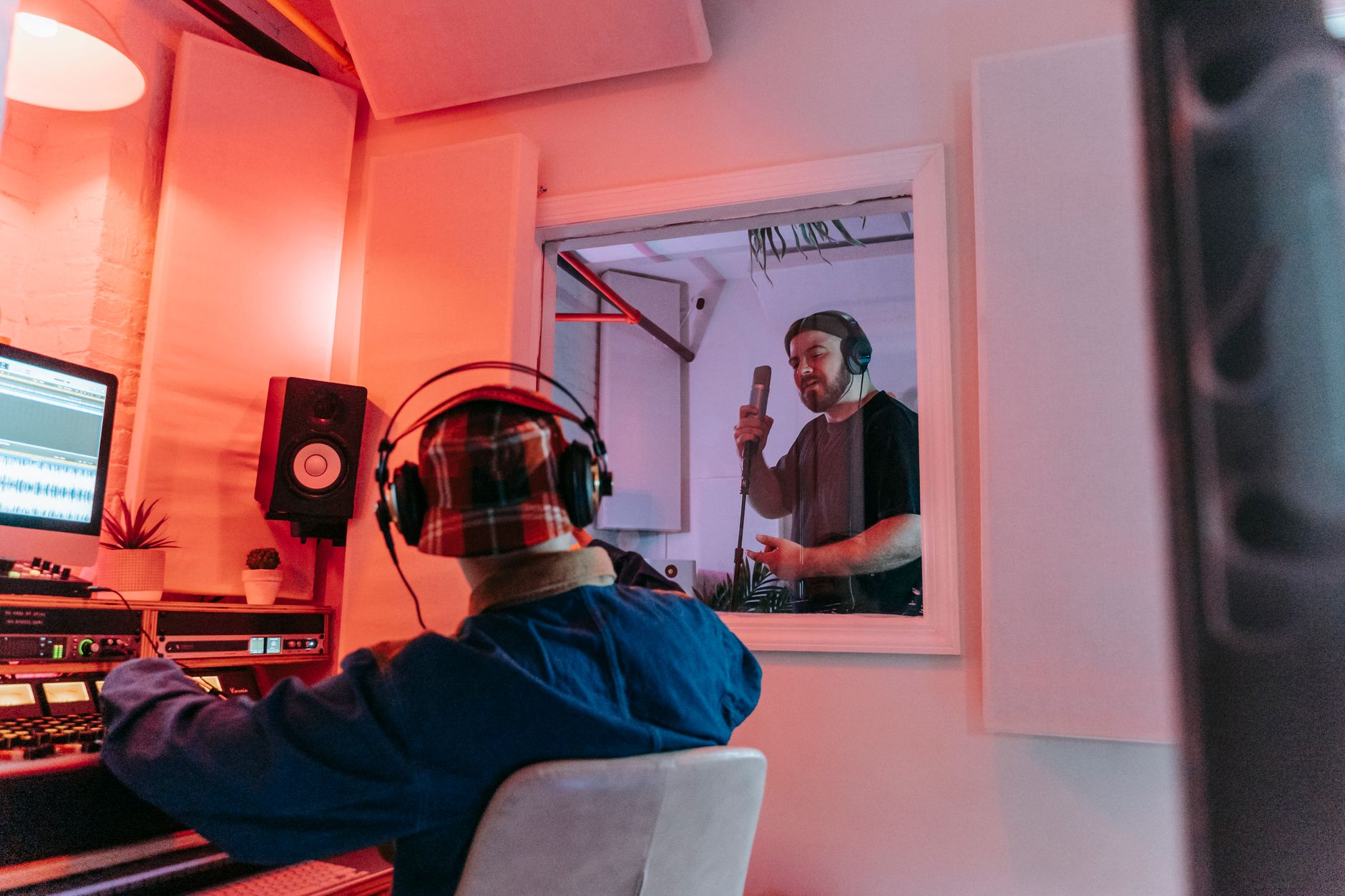 Photo: Anna Pou via Pexels
The high end is handled by a 1-inch textile dome tweeter that avoids the brittle, fatiguing quality you get from cheaper metal domes. Strings, cymbals, and vocal sibilance are reproduced honestly without hyping the upper midrange — a common budget monitor trick that makes mixes sound exciting at the desk but falls apart on other playback systems.
Low-mid clarity is the LP-8’s standout trait. Kick drum fundamentals, bass guitar body, and 200–500Hz buildup from room reflections are rendered with enough resolution to make mix decisions, not just listen decisions. That’s the real test.
One caveat: the 8-inch woofer needs room to breathe. In rooms smaller than roughly 10×10 feet, bass response becomes difficult to trust without the boundary EQ engaged — more on that below.
Boundary EQ: Kali’s Killer Feature
The boundary EQ switches on the LP-8’s rear panel are not a gimmick — they’re a calibration tool that addresses the single biggest problem in home studio monitoring: acoustic interaction with nearby surfaces. Use them.
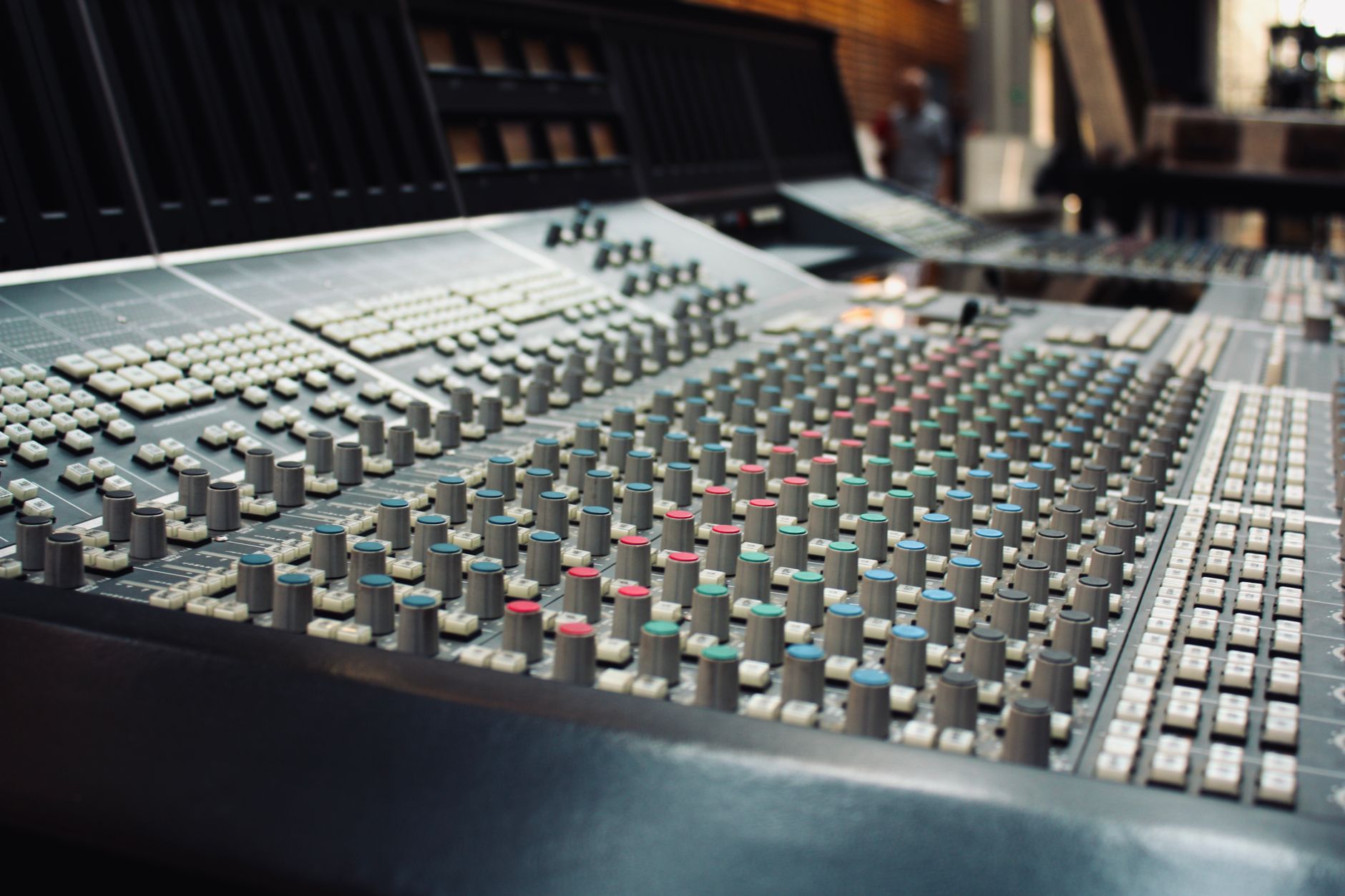 Photo: Dainé Zeferino via Pexels
There are three switches:
| Switch | Setting Options | What It Does |
|---|---|---|
| Desk | On / Off | Cuts a broad shelf around 160Hz to reduce reflections from the mixing desk surface |
| Wall | On / Off | Cuts bass energy that builds up near wall boundaries |
| Corner | On / Off | Additional cut for corner-loaded bass buildup |
The correct configuration depends on your placement. A monitor sitting on a desk, 12–18 inches from a back wall, typically benefits from both Desk and Wall engaged. Published comparisons between treated and untreated measurements confirm these switches can reduce room-induced coloration by 3–6 dB in problem frequency ranges.
This isn’t a substitute for room treatment. But it closes the gap meaningfully, and no competitor at this price offers equivalent onboard correction.
Kali LP-8 Specs
| Spec | Detail |
|---|---|
| Woofer | 8-inch glass-fiber composite |
| Tweeter | 1-inch textile dome |
| Amplifier Power | 140W peak (LF: 80W, HF: 60W) |
| Frequency Response | 47Hz–25kHz (±6 dB) |
| Max SPL | 109 dB SPL peak |
| Inputs | XLR balanced, TRS balanced, RCA unbalanced |
| Input Sensitivity | Switchable: +4 dBu / -10 dBV |
| Boundary EQ | 3-position DSP (desk, wall, corner) |
| Dimensions | 14.2“ × 9.4“ × 11.1“ |
| Weight | 17.6 lbs |
| Price (2026) | ~$149–$170 per unit |
Who Should Buy the Kali LP-8?
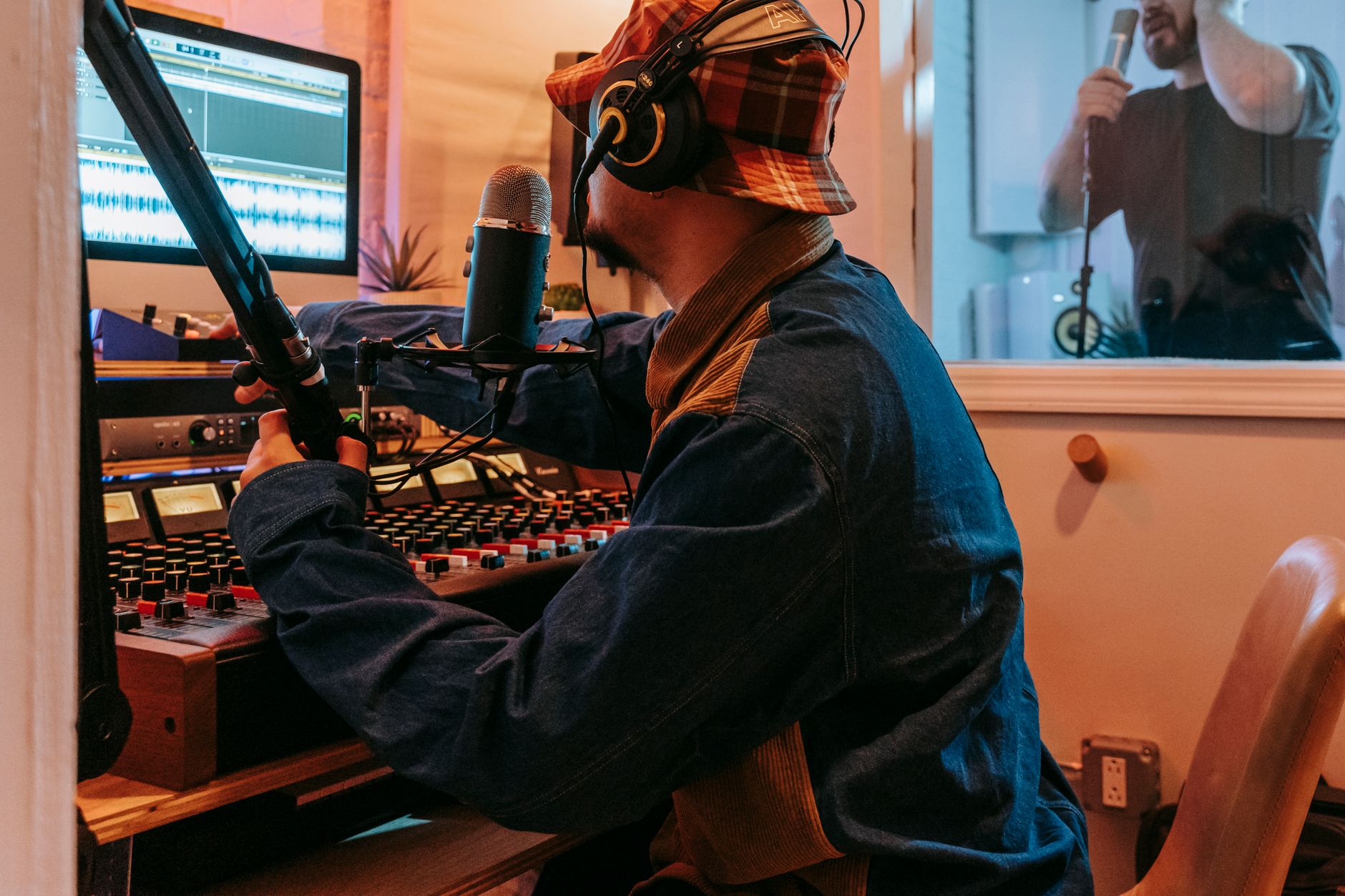 Photo: Anna Pou via Pexels
First-Time Buyers
If you’re coming from consumer speakers or headphone-only mixing, the LP-8 is the correct first reference monitor. The learning curve with any flat-response speaker is real, but the LP-8’s boundary EQ makes the transition more forgiving than most.
Bedroom Producers
This is the primary audience, and the LP-8 earns its reputation here. The combination of real low-frequency extension, accurate midrange, and onboard room correction makes it one of the most practical choices at any price under $200. Expert consensus in forums like Gearslutz and Reddit’s r/homerecording consistently places it at the top of this price bracket.
Gigging Musicians Doing Home Demos
If your monitoring needs are occasional and your budget is tight, a pair of LP-8s gives you a serious step up from consumer audio without requiring acoustic treatment investment. The wide sweet spot — a function of the waveguide geometry around the tweeter — means you get usable stereo imaging even slightly off-axis.
Prosumer / Home Studio Operators
The LP-8 makes an honest secondary reference monitor for producers who already own NS-10s, Focals, or Genelecs. Checking mixes on a budget speaker with a different coloration profile is a legitimate A/B monitoring strategy, and the LP-8 is flat enough to be useful rather than misleading.
Kali LP-8 vs. Competitors
| Monitor | Price (per unit) | Woofer | Low End | Boundary EQ | Verdict |
|---|---|---|---|---|---|
| Kali LP-8 | ~$150–$170 | 8“ | 47Hz | Yes (3-position) | Best value at size |
| Yamaha HS8 | ~$399 | 8“ | 38Hz | No | Better extension, 2.5× price |
| JBL 308P MkII | ~$149 | 8“ | 37Hz | No | Similar price, similar driver, less correction |
| PreSonus Eris E8 XT | ~$199 | 8“ | 35Hz | Partial (HF trim only) | Extended low end, less DSP flexibility |
| Adam T8V | ~$249 | 8“ | 39Hz | No | Ribbon tweeter advantage, pricier |
The JBL 308P MkII is the closest competitor on price and driver size. User reviews consistently report that the LP-8’s boundary EQ gives it a practical edge in real home studio environments over the JBL, despite the JBL’s slightly better low-frequency spec on paper. Published measurement data suggests both are competitive in raw accuracy.
The Yamaha HS8 is the traditional benchmark, but at 2.5× the cost with no room correction, the value argument heavily favors Kali for home use.
Verdict by User Archetype
First-time beginner: Buy a pair. At this price and this driver size, nothing competes.
Bedroom producer: The LP-8 is purpose-built for your use case. Engage boundary EQ, spend remaining budget on a reflection filter or bass traps.
Gigging musician (home demos): Strong choice — accurate enough for serious work, forgiving enough for imperfect rooms.
Prosumer: Excellent secondary reference or B-pair. You’ll use it more than you expect.
→ See Also
- Best Studio Monitors for Home Recording (2026)
- Best Studio Monitors Under $150
- Best Studio Monitors Under $200
FAQ
Is the Kali Audio LP-8 good for mixing? Yes — for home studio use it’s one of the most accurate monitors available under $200. The flat frequency response and boundary EQ make mix decisions more reliable than most competitors at this price. You’ll still benefit from cross-referencing mixes on headphones and consumer speakers, which is standard practice regardless of monitor quality.
Do you need a pair of Kali LP-8 monitors, or can you use one? You need a matched stereo pair for mixing. A single monitor works for casual playback, but stereo imaging — the spatial placement of instruments in a mix — requires both speakers positioned correctly in an equilateral triangle with your listening position. Used pairs are available for significant savings on the used gear market.
How does the Kali LP-8 compare to the LP-6? The LP-8 extends lower (47Hz vs approximately 58Hz for the LP-6), handles higher SPL before distortion, and is better suited for larger rooms or bass-heavy genres like hip-hop and electronic music. In smaller spaces (under 8×8 feet), the LP-6 may actually be more practical — its lower bass extension means less acoustic problem frequency to manage. For most bedroom producers, the LP-8 hits the better balance of extension and room control.
Does the Kali LP-8 need an audio interface? Not technically — the RCA inputs accept consumer-level signals directly. But for recording and professional-level signal routing, an audio interface is strongly recommended. The XLR and TRS balanced inputs on the LP-8 reject noise and hum that unbalanced consumer cables introduce over longer cable runs, and you’ll get cleaner signal with an interface in the chain.
Can the Kali LP-8 handle bass-heavy genres accurately? Based on published measurement data, the LP-8’s 47Hz low-frequency extension covers the fundamental range of kick drums, bass guitar, and most synthesized bass. For sub-bass production (808s, deep techno sub-bass below 40Hz) you’ll want to supplement with a subwoofer or cross-reference on headphones — this applies to virtually all monitors in this price class regardless of brand.
Editorial methodology: Assessments are based on manufacturer specifications, published user reviews, and editorial research. Physical hands-on testing is noted explicitly where it occurred. Rankings reflect our editorial judgment and are not influenced by affiliate commission rates. Full editorial policy · Affiliate disclosure