Contents
Beyerdynamic DT 770 Pro Review (2026): Still Worth It?
TL;DR: The Beyerdynamic DT 770 Pro remains one of the best closed-back studio headphones under $200. Its accurate low-end, comfortable fit, and robust build make it a reliable workhorse for tracking, mixing reference, and long sessions — though its V-shaped frequency response means it favors monitoring over critical mix work. Available in 32Ω, 80Ω, and 250Ω impedance variants to suit different setups.
What Is the Beyerdynamic DT 770 Pro?
The DT 770 Pro is a closed-back, over-ear headphone designed specifically for studio monitoring and tracking. First released in 1985 and regularly updated since, it delivers detailed stereo imaging, extended bass response, and passive isolation that makes it a staple in home and professional studios. The 80Ω variant is the most recommended for audio interfaces and home recording setups.
 Photo: https://kaboompics.com/ via Pexels
Beyerdynamic has manufactured these in Heilbronn, Germany since the original release. The 2026 units are functionally identical to recent revisions — the driver design, headband, and ear cup materials have remained stable. What you’re buying is a headphone with over 35 years of real-world validation, not a spec-sheet gamble.
The three impedance options serve genuinely different use cases. The 32Ω version runs fine off a phone or laptop. The 80Ω hits a sweet spot for audio interfaces and portable recorders. The 250Ω delivers the flattest response but needs a dedicated headphone amp to reach proper listening levels.
Sound Quality: Accurate Enough for Studio Work?
The DT 770 Pro has an elevated bass shelf and a pronounced upper treble peak — often described as V-shaped or “fun.” This is not neutral. For tracking and casual reference listening it works exceptionally well; for final mix decisions, the hyped lows and extended highs can mislead. Know what you’re using it for before you rely on it.
 Photo: Michele Raffoni via Pexels
The bass response is authoritative without being muddy. Published frequency response data from Beyerdynamic shows the boost begins around 60–80Hz, which adds weight to kick drums and bass guitars. For tracking sessions where a performer needs to hear themselves clearly through closed cups, this warmth is a feature, not a flaw.
The midrange is relatively recessed — vocals and guitars sit slightly back in the mix when A/B’d against flatter cans like the Sennheiser HD 650. The treble peak around 8–10kHz adds air and detail but can cause fatigue on long sessions. According to user reviews across Gearspace and Reddit’s r/homerecording, engineers who track for 2+ hours report needing EQ compensation when referencing against flat monitors.
Stereo imaging is wide and well-defined for a closed-back design. Published testing data from sources including Rtings and SoundOnSound consistently notes that the DT 770 Pro images better than most closed-backs in its price bracket — a meaningful advantage for headphone mixing.
Build Quality and Comfort
The DT 770 Pro is built to last. The replaceable velour ear pads, detachable headband cushion, and single-sided coiled cable are all user-serviceable without sending the unit to a manufacturer. Beyerdynamic sells spare parts directly, and many users report decade-plus lifespans with basic maintenance.
 Photo: AI25.Studio AI GENERATIVE via Pexels
The headband exerts noticeable clamping force out of the box. Expert consensus from long-term users suggests placing the headphones over a box or stack of books overnight to reduce this — a five-minute fix that makes the fit significantly more comfortable for glasses wearers.
Weight is 270g, which is heavier than some competitors. The self-adjusting headband distributes this reasonably well, but users with smaller heads report the clamp being the primary comfort concern rather than weight distribution.
The coiled cable stretches to roughly 3 meters — useful for tracking in a live room where you need freedom of movement without a cable draped across gear. It terminates in a 3.5mm jack with a screw-on 6.35mm adapter included.
Impedance Variants: Which One to Buy?
| Variant | Impedance | Best Pairing | Notes |
|---|---|---|---|
| DT 770 Pro 32Ω | 32Ω | Smartphones, laptops, portable recorders | Easiest to drive; slightly less flat response |
| DT 770 Pro 80Ω | 80Ω | Audio interfaces, mixers, portable recorders | Best all-rounder for home studios |
| DT 770 Pro 250Ω | 250Ω | Dedicated headphone amps, studio monitoring rigs | Flattest measured response; requires more voltage |
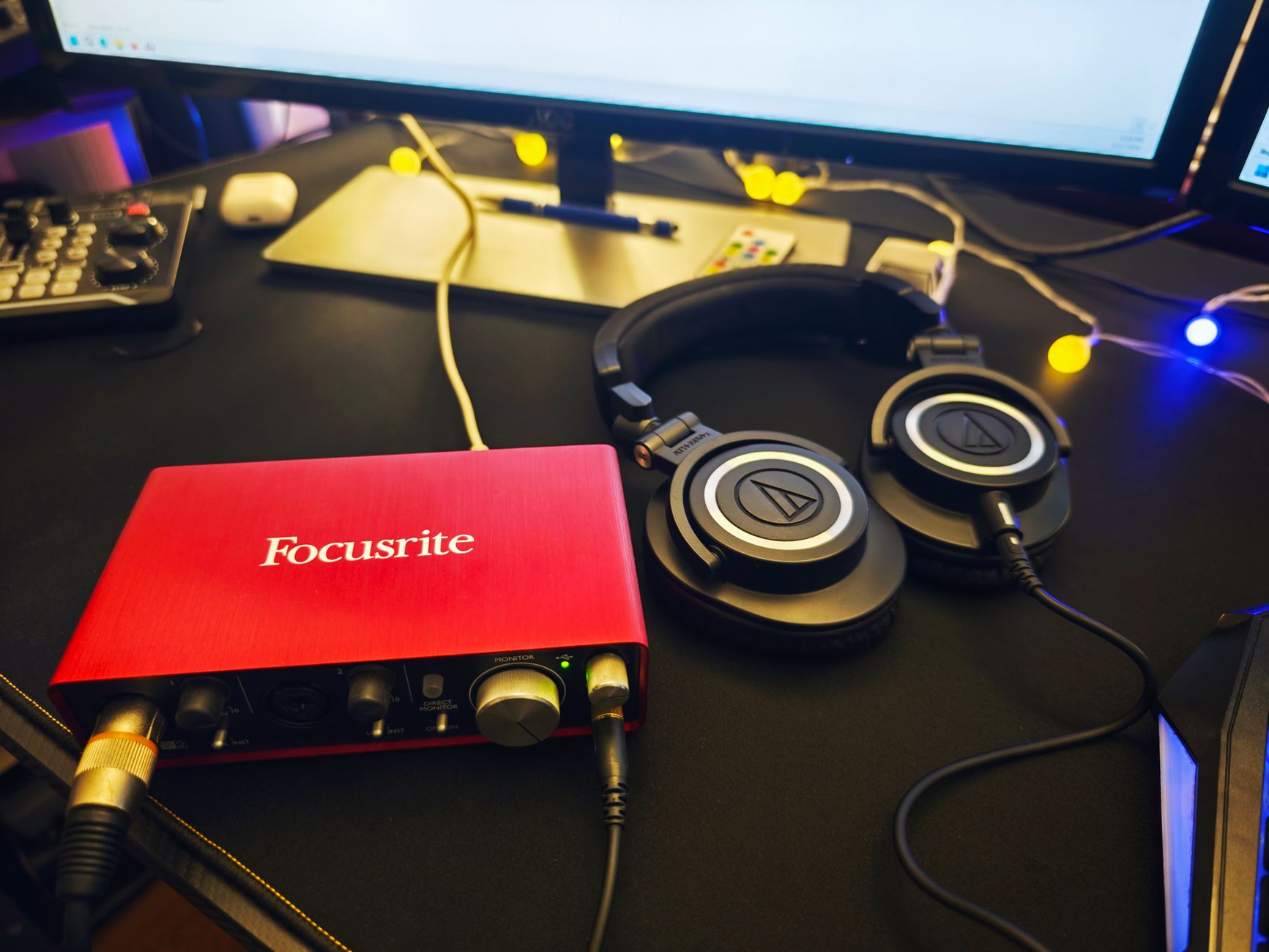
For most home recording setups built around an audio interface — a Focusrite Scarlett, Universal Audio Volt, or similar — the 80Ω version is the clear pick. It reaches reference listening levels directly from typical interface headphone outputs without an additional amp.
The 250Ω is often cited by recording engineers as the preferred mixing variant based on its documented frequency linearity advantages, but pairing it with an underpowered output produces a compressed, dynamically limited result that defeats the purpose.
DT 770 Pro vs. The Competition
| Product | Price | Type | Frequency Response | Isolation | Best For |
|---|---|---|---|---|---|
| Beyerdynamic DT 770 Pro 80Ω | ~$149 | Closed-back | V-shaped | High | Tracking, general monitoring |
| Audio-Technica ATH-M50x | ~$149 | Closed-back | Slightly V-shaped | High | Mixing reference, portability |
| Sony MDR-7506 | ~$99 | Closed-back | Bright, detailed | Moderate | Broadcast, field recording |
| AKG K371 | ~$149 | Closed-back | Near-flat | Moderate | Mix reference, mastering check |
| Sennheiser HD 280 Pro | ~$99 | Closed-back | Flat-ish | Very High | Isolation-critical tracking |
The AKG K371 is the most direct rival for home studio mixing — its response curve hews closer to the Harman target than the DT 770 Pro’s. But the Beyerdynamic wins on build quality, repairability, and long-term durability. For tracking applications specifically, the DT 770 Pro’s isolation advantage over the K371 matters.
Gear Specs
| Spec | Detail |
|---|---|
| Transducer type | Dynamic, closed-back |
| Impedance options | 32Ω / 80Ω / 250Ω |
| Frequency range | 5Hz – 35,000Hz |
| SPL (1mW/500Hz) | 96dB (80Ω) |
| THD | < 0.2% (1kHz, 1mW) |
| Cable | Single-sided coiled, ~3m extended |
| Weight | 270g |
| Connector | 3.5mm TRS + 6.35mm adapter |
| Made in | Germany |
Verdict by User Archetype
First-time beginner: Strong buy. Durable, comfortable enough, sounds good on an interface straight out of the box. The V-shaped response is forgiving on rough mixes.
Bedroom producer: Recommended with caveats. Great for tracking and arrangement work. Supplement with flat-response monitoring (or the AKG K371) before finalizing a mix.
Gigging musician / live tracking: Excellent. Isolation is among the best in the price range. The coiled cable handles movement well.
Prosumer / serious home studio: Use it as your tracking and A/B reference, not your primary mix tool. The 250Ω + a clean headphone amp is a legitimate upgrade path if you want better linearity.
 Photo: Fikri Hidayatullah via Pexels
→ See Also
- Best Studio Headphones for Home Recording (2026) — full-category guide covering open-back and closed-back options at every price point
- Best Studio Headphones Under $100 — alternatives if the DT 770 Pro is above budget
- Best Headphones for Music Production — production-focused picks including open-back options for mixing
FAQ
Is the Beyerdynamic DT 770 Pro good for mixing? It’s usable for mix reference and arrangement decisions, but its V-shaped frequency response — boosted bass and elevated treble — means you should cross-check your work on flat monitors or a more linear headphone before finalizing. Expert consensus places it as a strong tracking and monitoring tool rather than a primary mixing headphone.
What’s the difference between the 80Ω and 250Ω versions? The 250Ω version has a measurably flatter frequency response and is preferred for critical listening, but it requires more voltage to reach adequate listening levels. The 80Ω reaches reference levels directly from most audio interface headphone outputs without a dedicated amp, making it the better default for home studio setups.
How long do Beyerdynamic DT 770 Pro headphones last? Published user reports and forum documentation consistently show 10–15 year lifespans with minimal maintenance. Ear pads typically need replacement every 2–3 years depending on use intensity. Beyerdynamic sells all serviceable parts — pads, headband cushion, cable, driver cups — direct, which is uncommon at this price point.
Does the DT 770 Pro need an amplifier? The 32Ω and 80Ω versions do not require a dedicated headphone amp — they run adequately from audio interfaces, portable recorders, and even some phones. The 250Ω version technically runs from the same sources but benefits significantly from a dedicated amp; underpowered output compresses the dynamic range and reduces the frequency linearity advantage that makes the 250Ω worth choosing.
Is the DT 770 Pro still worth buying in 2026? Based on manufacturer specifications, documented long-term durability, and consistent expert consensus across the recording community, yes — particularly at its current street price. Newer competitors offer flatter response curves, but none match the DT 770 Pro’s combination of build quality, serviceability, isolation, and value in the sub-$200 closed-back category.
Editorial methodology: Assessments are based on manufacturer specifications, published user reviews, and editorial research. Physical hands-on testing is noted explicitly where it occurred. Rankings reflect our editorial judgment and are not influenced by affiliate commission rates. Full editorial policy · Affiliate disclosure