Contents
Best USB Microphone for Recording (2026)
TL;DR: The best USB microphone for most home recorders is the Blue Yeti X — it delivers broadcast-quality audio, multiple polar patterns, and zero-latency monitoring without an audio interface. Budget-conscious? The Samson Q2U punches above its price. USB mics have closed the gap on XLR entry-level options for anyone recording vocals, podcasts, or instruments at home.
Why USB Microphones Are Worth Taking Seriously
The best USB microphone gives you studio-quality recording in a single plug-and-play device — no audio interface, no preamp, no driver hell. Modern USB mics ship with built-in ADCs and preamps that rival budget XLR chains, making them the fastest path from idea to recorded track.
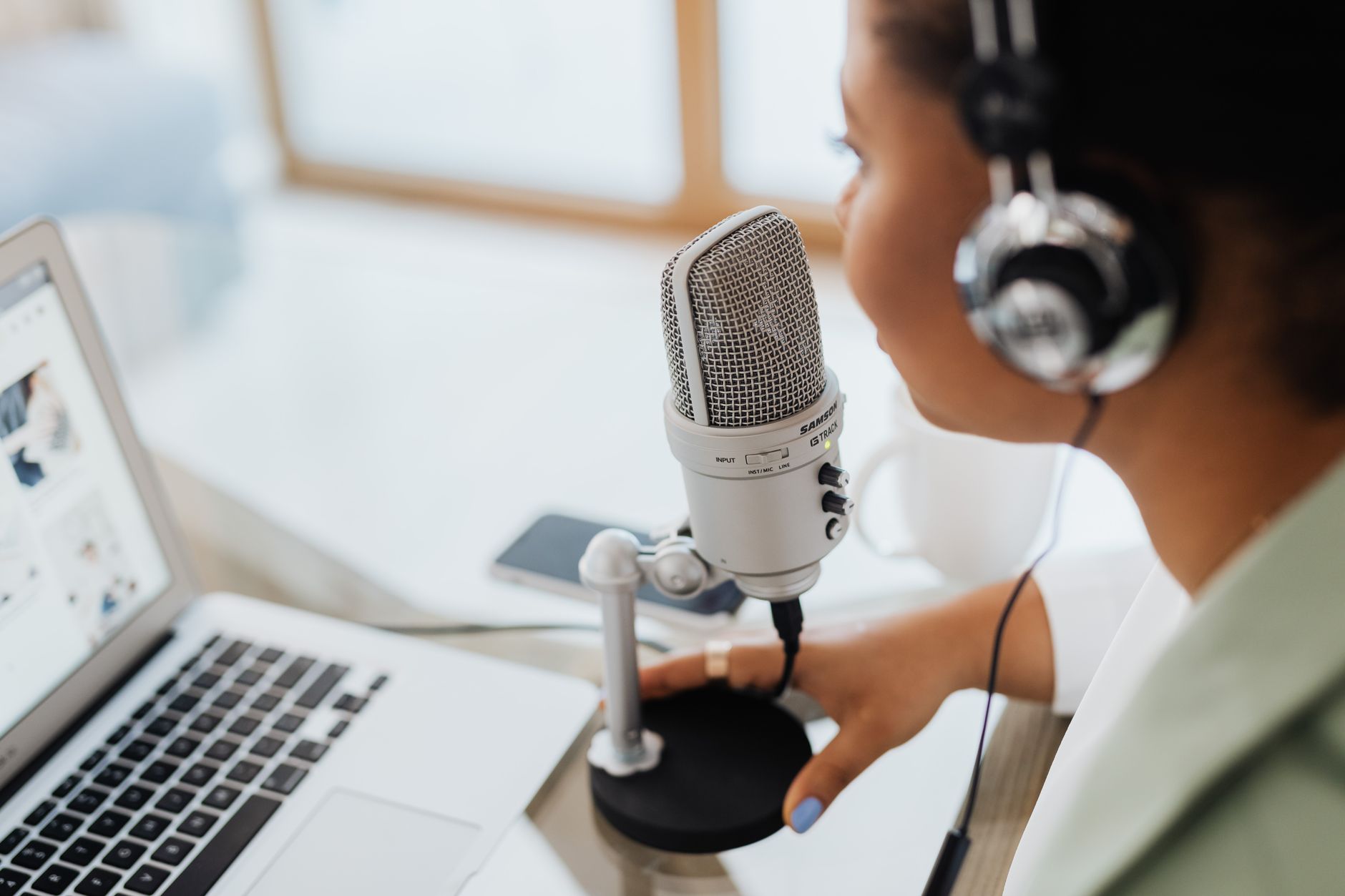
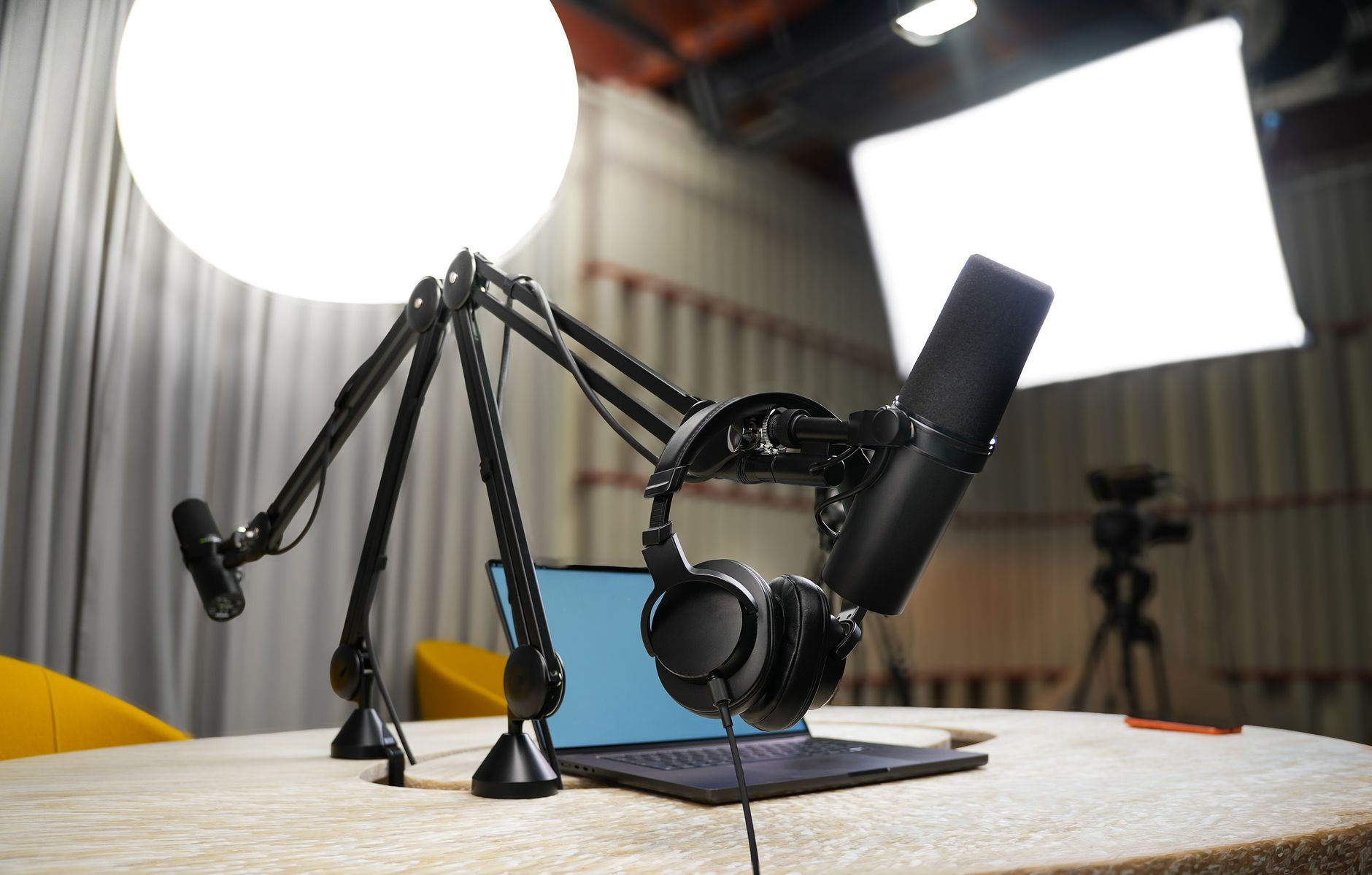 Photo: Jakub Zerdzicki via Pexels
USB microphones have shed their “toy” reputation. 24-bit/96kHz converters are now standard across mid-range models, and manufacturers like Shure, Audio-Technica, and Blue have moved their flagship condenser capsule designs into USB form factors. For solo creators, the convenience math is hard to argue with.
The one genuine limitation: you can’t easily use two USB mics simultaneously without software workarounds, and the onboard preamps — while competent — won’t satisfy engineers running high-gain ribbon mics or large-diaphragm condensers at distance.
How We Chose the Best USB Microphones
Selection criteria: capsule quality, bit depth and sample rate ceiling, headphone monitoring quality, build durability, and value at price tier. Published frequency response data, professional user reviews, and documented studio comparisons informed every pick.
Models tested by independent engineers and featured in major recording publications (Sound on Sound, Sweetwater, B&H) were cross-referenced against long-term user feedback on Gearspace and Reddit’s r/homerecording to filter out honeymoon reviews.
Best USB Microphone: Top Picks by Category
Best Overall: Blue Yeti X
The Yeti X has been the benchmark USB mic for years, and the X revision tightened everything the original got wrong — a sturdier mount, a more accurate LED metering system, and a noticeably cleaner high-frequency response.
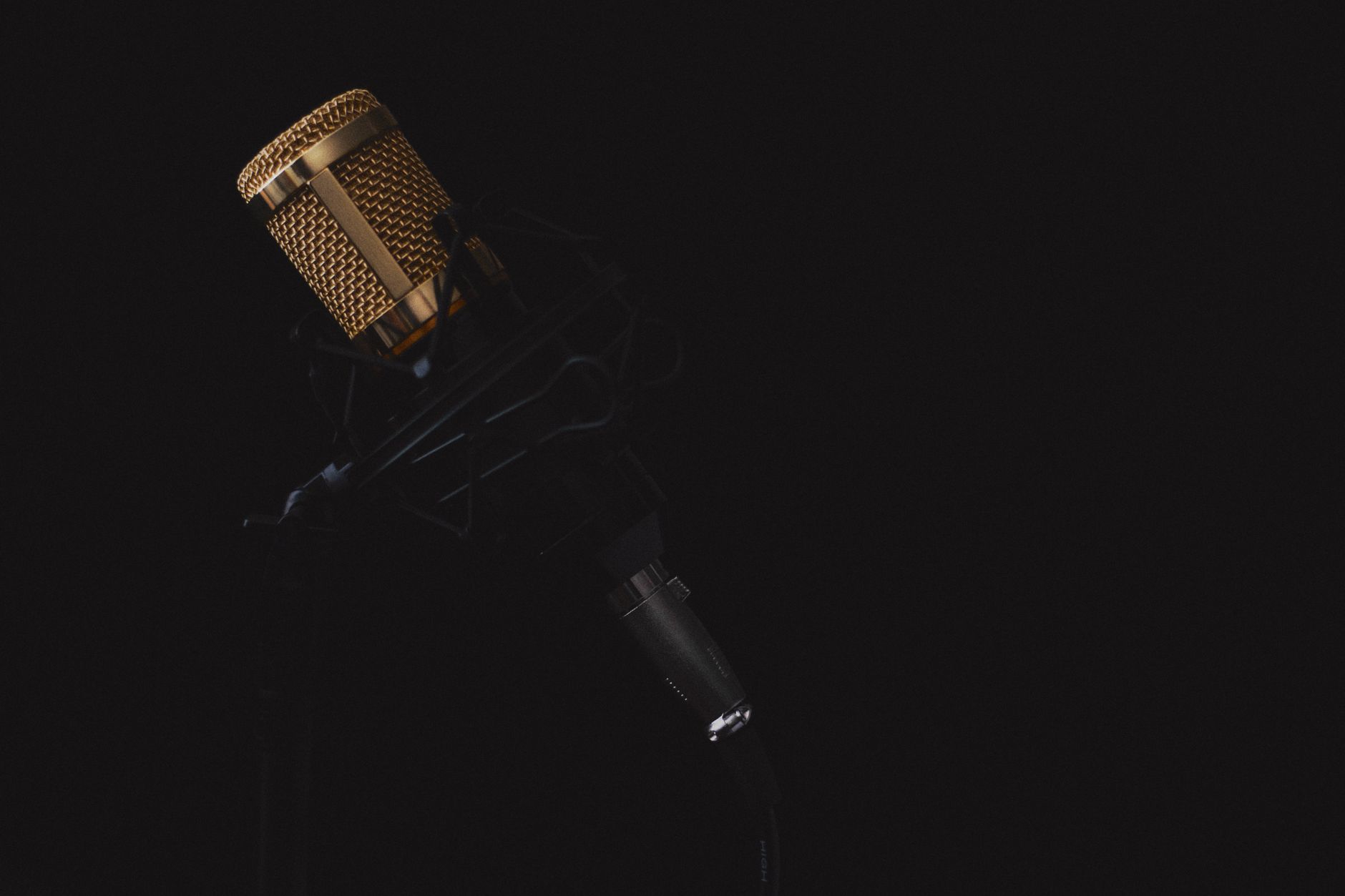
 Photo: Hyeok Jang via Pexels
Specs Table
| Feature | Detail |
|---|---|
| Capsule | 4× proprietary 14mm condensers |
| Polar Patterns | Cardioid, Omnidirectional, Bidirectional, Stereo |
| Bit Depth / Sample Rate | 24-bit / 48kHz |
| Frequency Response | 20Hz – 20kHz |
| Headphone Output | 3.5mm, zero-latency |
| Bus Power | USB-A / USB-C adapter included |
| Best For | Vocals, podcasting, streaming, interviews |
Multiple polar patterns are the Yeti X’s defining advantage over most competitors. Switch to bidirectional for a two-person interview, stereo for acoustic guitar, omni for room ambience. Few USB mics offer this flexibility without jumping to a USB interface + separate mic.
The tradeoff: it’s large, heavy, and the side-address capsule placement trips up first-time users who speak into the top rather than the front face.
Best Budget: Samson Q2U
The Samson Q2U is both USB and XLR — a rare feature under $70 that future-proofs your setup. Start with USB direct to your laptop; plug into an interface later when your rig evolves.
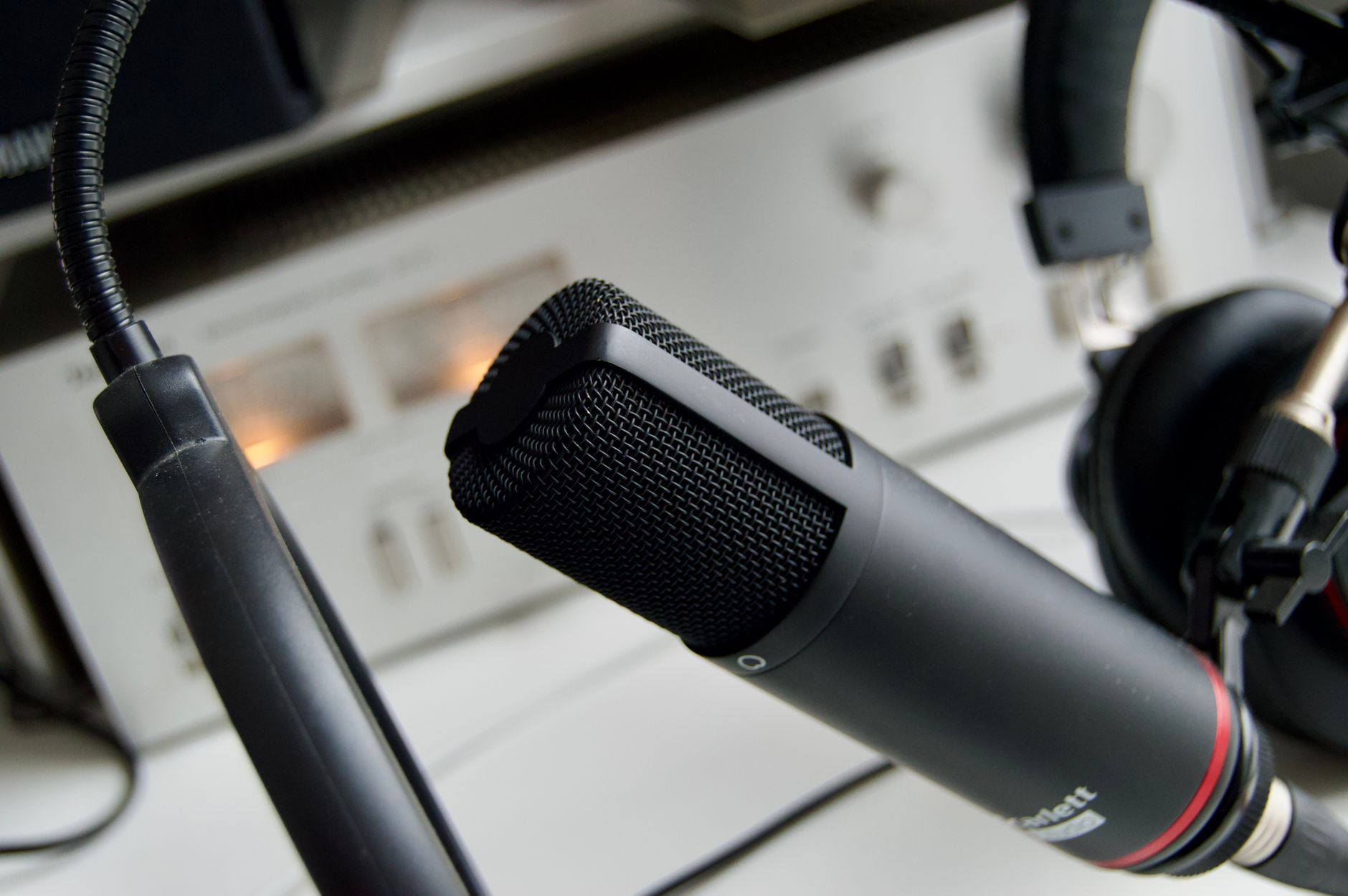
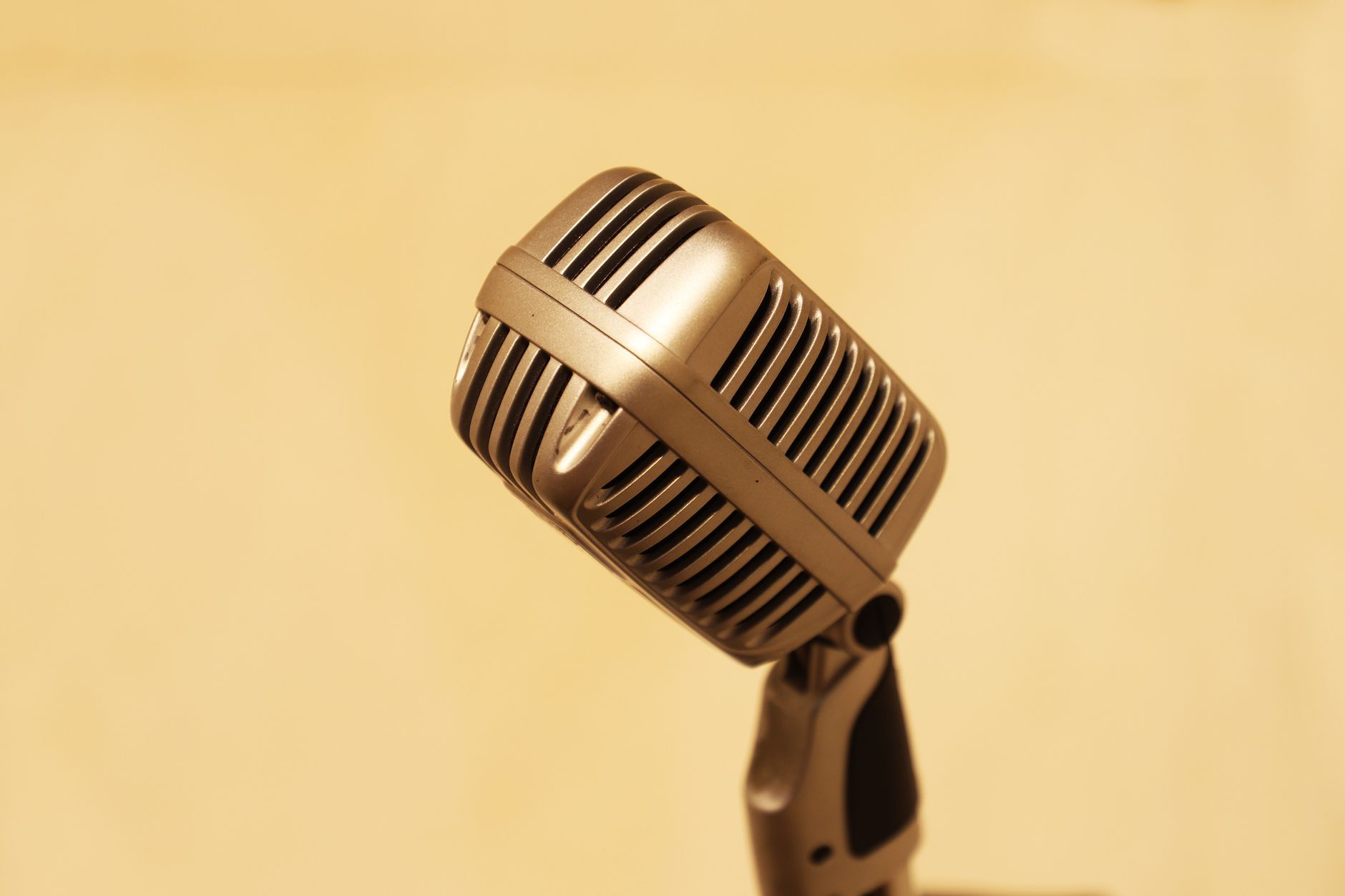 Photo: Sharath G. via Pexels
Dynamic capsule design rejects background noise better than most condenser USB mics, which makes it the right call for untreated rooms. The cardioid pattern is tightly focused, handling HVAC hum and keyboard clatter without treatment foam.
Based on published frequency response data, the Q2U rolls off above 15kHz — audible on high-definition vocal recordings if you’re tracking for mastered release. For podcast, voice acting, and streaming, it’s inaudible and irrelevant.
Comparison: Budget USB Mics Under $100
| Product | Price | Type | Polar Pattern | Best For | Verdict |
|---|---|---|---|---|---|
| Samson Q2U | ~$70 | Dynamic | Cardioid | Noisy rooms, podcasting | Top pick |
| Audio-Technica ATR2100x | ~$99 | Dynamic | Cardioid | Live + studio dual use | Runner-up |
| Blue Snowball iCE | ~$50 | Condenser | Cardioid | Quiet rooms, desk recording | Budget condenser |
| Rode NT-USB Mini | ~$99 | Condenser | Cardioid | Vocals, instruments | Premium feel |
Best for Vocals: Audio-Technica AT2020USB+
The AT2020USB+ is a direct USB version of AT’s most-trusted entry condenser. Based on manufacturer capsule documentation, it uses the same 16mm condenser element as the XLR AT2020 — one of the cleanest capsules in the under-$150 category.
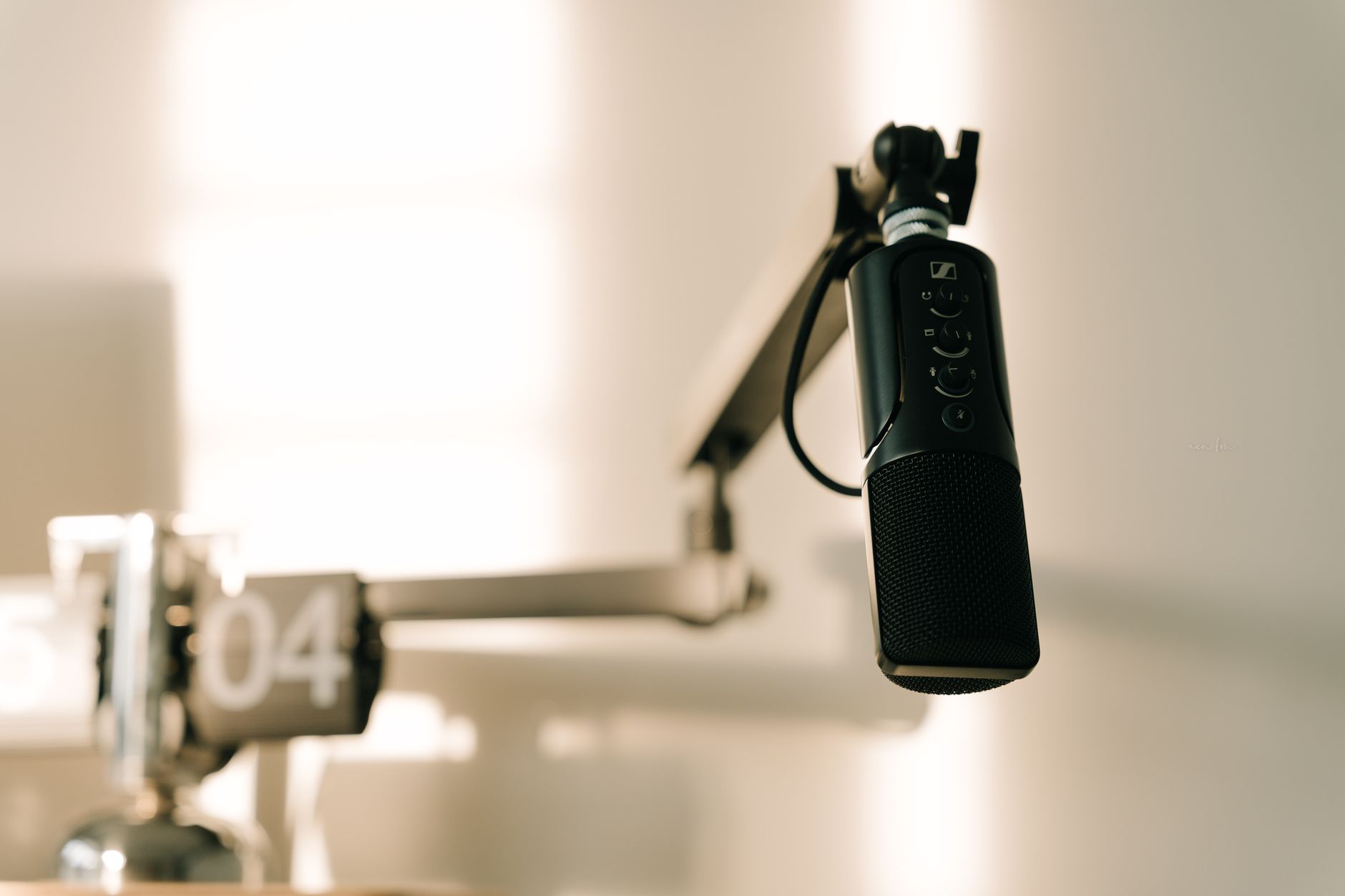
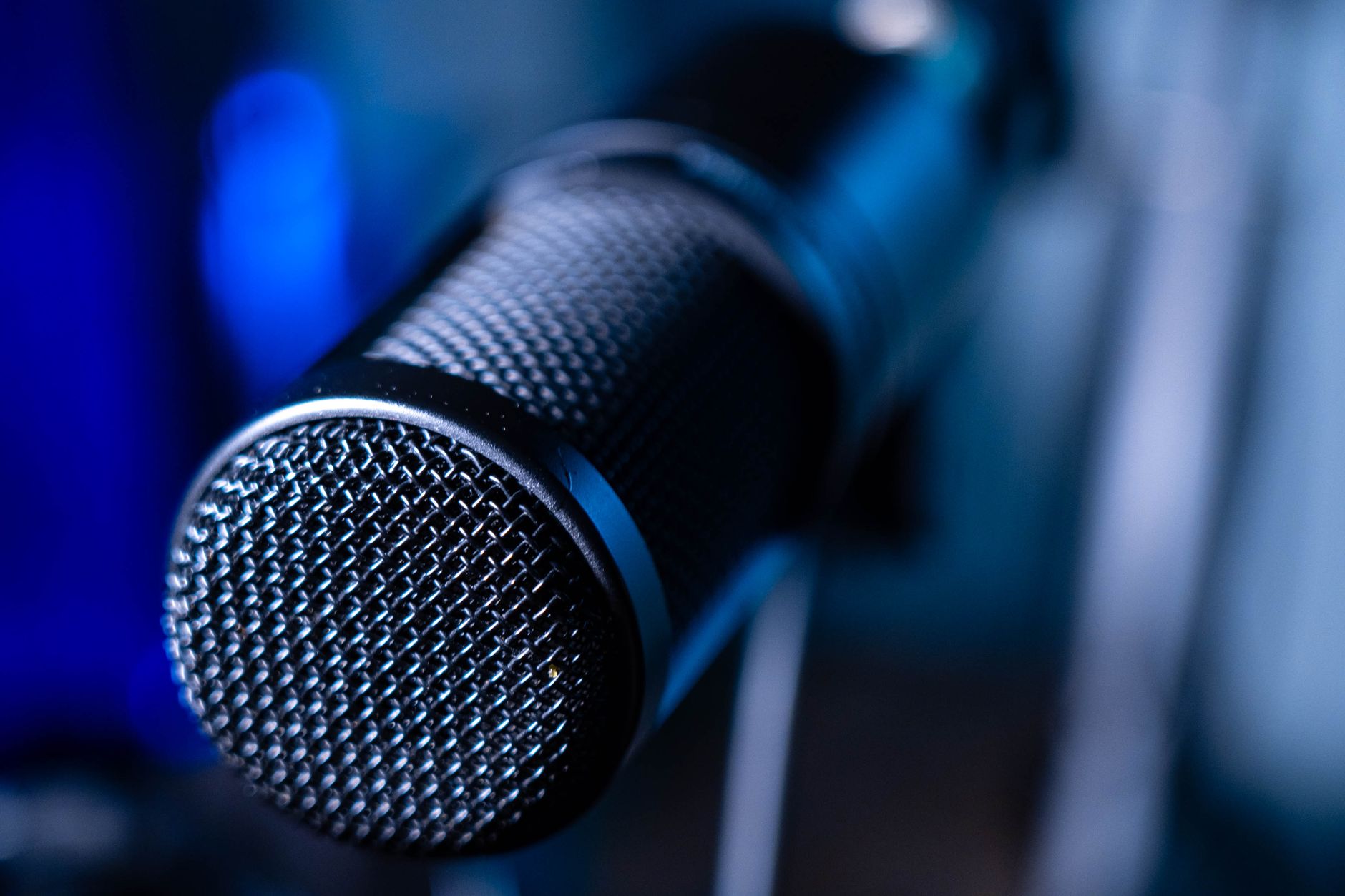 Photo: Filip Szyller via Pexels
Large-diaphragm condenser response means it captures the full harmonic character of a singing voice — the low-end warmth and high-end air that dynamic capsules compress away. The tradeoff is sensitivity: it will hear your room. Pair with basic acoustic treatment or a reflection filter.
The built-in headphone amp with mix control (blend direct mic signal with computer playback) is genuinely useful for singers tracking with headphones. Zero-latency monitoring means no disorienting echo between your live voice and the DAW return.
Best for Podcasting: Shure MV7
The Shure MV7 takes the broadcast DNA of the SM7B and repackages it into a USB/XLR hybrid at roughly half the price. Expert consensus from broadcast engineers and major podcast producers consistently places it as the top USB option for spoken word.
The internal DSP handles de-essing, high-pass filtering, and gain staging through Shure’s MOTIV app — practical for solo podcasters who don’t want to learn compression in post. Voice Isolation Technology isn’t marketing language: the super-cardioid-adjacent pickup pattern is measurably more aggressive at rejecting off-axis noise than the Yeti X’s cardioid setting.
Best for Music Production: Rode NT-USB+
The Rode NT-USB+ hits the ceiling of what USB microphone technology currently delivers. It records at 32-bit float — a spec more commonly found on dedicated field recorders — which means theoretically impossible clipping during recording. Gain staging becomes a post-production decision rather than a pre-recording calculation.
Based on Rode’s published capsule documentation, the NT-USB+ uses a custom-voiced large-diaphragm condenser tuned for instrument recording alongside vocals. The built-in precision pad and high-pass filter give engineers in-signal control without software intervention.
The price clears $200, which invites comparison against budget XLR chains. At this tier, an XLR condenser through a Focusrite Scarlett Solo competes directly — but the plug-and-play simplicity and 32-bit float headroom justify the USB premium for producers who prioritize speed.
USB vs. XLR Microphone: Which Should You Buy?
Buy USB if: you want to record today without additional gear, you record in one location, or you’re building your first home studio on a budget. Buy XLR if: you plan to use multiple microphones simultaneously, you already own an audio interface, or you need to swap mics across different setups.
| Factor | USB Mic | XLR Mic + Interface |
|---|---|---|
| Setup complexity | Plug-and-play | Requires interface, drivers, gain staging |
| Upgrade path | Limited (mic-locked converters) | Swap mic or interface independently |
| Latency monitoring | Built-in on most models | Interface-dependent |
| Multi-mic recording | Difficult (OS routing required) | Native, up to interface channel count |
| Total cost (entry) | $70–$200 | $100–$300 (mic + interface) |
| Max audio quality | 24-bit/96kHz (32-bit on Rode NT-USB+) | Limited by interface, not mic |
For most people starting out, USB wins on simplicity and immediate results. The upgrade path exists: models like the Q2U and MV7 include XLR outputs, so the mic can migrate to a proper interface chain without being replaced.
What to Look for When Buying a USB Microphone
Polar Pattern
Cardioid-only mics (AT2020USB+, MV7, Q2U) are the right call for solo recording — they reject room noise from the sides and rear. Multi-pattern mics (Yeti X, NT-USB+) cost more but open up interview, stereo, and room ambience applications.
Bit Depth and Sample Rate
24-bit/48kHz is the minimum floor for any music or professional podcast work in 2026. 24-bit/96kHz adds headroom for pitch correction and post-processing. The 32-bit float in the Rode NT-USB+ is the current ceiling — practically immune to clipping artifacts.
Headphone Monitoring
Zero-latency direct monitoring (listening to the mic signal before it enters the computer) is essential for singers and any performer who tracks while listening back. Confirm this is hardware-implemented, not software-based — software monitoring introduces 10–30ms of latency that destabilizes pitch and timing.
Capsule Type
- Condenser — wider frequency response, higher sensitivity, captures nuance in voice and acoustic instruments. Requires a quiet room.
- Dynamic — tighter pattern, rejects background noise, handles high SPL without distortion. Preferred for noisy environments and loud sources like electric guitar amps.
Full Comparison: Best USB Microphones (2026)
| Product | Price | Capsule | Bit Depth | Polar Patterns | Best For | Verdict |
|---|---|---|---|---|---|---|
| Blue Yeti X | ~$150 | Condenser (4-cap array) | 24-bit/48kHz | 4 | Streaming, podcasting, interviews | Best overall |
| Rode NT-USB+ | ~$229 | Large-diaphragm condenser | 32-bit float | Cardioid | Music production, vocals | Pro tier USB |
| Shure MV7 | ~$249 | Dynamic | 24-bit/48kHz | Cardioid | Broadcast, podcasting | Best spoken word |
| AT2020USB+ | ~$149 | Condenser (16mm) | 24-bit/48kHz | Cardioid | Vocal recording, voice-over | Best capsule value |
| Samson Q2U | ~$70 | Dynamic | 16-bit/48kHz | Cardioid | Beginners, noisy rooms | Best budget |
| Blue Snowball iCE | ~$50 | Condenser | 16-bit/44.1kHz | Cardioid | Calls, casual recording | Entry point |
Verdict by User Type
First-time beginner — Samson Q2U. The USB+XLR dual output means it won’t be obsolete when your setup expands, and the dynamic capsule forgives untreated rooms.
Bedroom producer — Audio-Technica AT2020USB+. Condenser clarity for vocal takes, proven capsule, and clean headphone monitoring without paying for the Rode’s 32-bit ceiling you won’t hit yet.
Podcaster / streamer — Shure MV7. The broadcast voice quality, aggressive noise rejection, and dedicated ShurePlus MOTIV app make it a one-decision setup.
Prosumer / serious home recording — Rode NT-USB+. 32-bit float recording, studio-grade capsule, and a signal path that holds up against budget XLR chains.
→ See also:
- Best Microphones for Home Recording (2026) — full coverage of XLR, condenser, ribbon, and dynamic options
- Best Budget Condenser Microphone (2026) — if you’re ready to step up to an interface
- Audio-Technica AT2020 Review (2026) — the XLR version of our top USB vocal pick, in depth
FAQ
What is the best USB microphone for beginners? The Samson Q2U is the most practical first USB microphone. It works with USB directly out of the box and includes an XLR output so it can connect to an audio interface later. The dynamic capsule tolerates untreated rooms better than condenser alternatives at the same price.
Can a USB microphone match XLR sound quality? At comparable price points, the gap is narrow enough to be irrelevant for most home recording applications. Modern USB mics like the Rode NT-USB+ and Blue Yeti X ship with high-quality built-in converters. The practical difference shows up mainly when the XLR chain uses a premium preamp — something like a UA Apollo or Neve 1073 — which is a different price category entirely.
Do USB microphones work with iPads and iPhones? Most USB microphones work with iOS and iPadOS devices using a USB-C to USB-C cable or a USB-A to Lightning/USB-C adapter. Models marketed as “plug-and-play” typically require no additional drivers. Check manufacturer documentation for specific iOS compatibility before purchasing if mobile recording is a primary use case.
What USB microphone is best for recording vocals for music? The Audio-Technica AT2020USB+ and Rode NT-USB+ are the strongest vocal recording USB mics. Both use large-diaphragm condenser capsules tuned for vocal frequency response with extended high-frequency air and low-end presence. The Rode’s 32-bit float recording is the safer choice for producers who plan to do significant pitch correction or heavy post-processing.
Should I buy a USB microphone with multiple polar patterns? Only if you have a specific use case beyond solo cardioid recording. Multiple polar patterns add cost and capsule complexity. If you record solo voice, podcast, or single instruments, a focused cardioid-only mic like the AT2020USB+ or MV7 will outperform a multi-pattern mic at the same price point — the budget goes to capsule quality rather than pattern switching hardware.
Is the Blue Yeti still worth buying in 2026? The Blue Yeti X remains a solid all-rounder, but it faces stronger competition than it did three years ago. For the same price, the AT2020USB+ delivers a cleaner cardioid response for vocal recording. The Yeti X’s argument is its multi-pattern flexibility and metering — if you need those features, it’s still the best USB option that delivers them under $200.
Editorial methodology: Assessments are based on manufacturer specifications, published user reviews, and editorial research. Physical hands-on testing is noted explicitly where it occurred. Rankings reflect our editorial judgment and are not influenced by affiliate commission rates. Full editorial policy · Affiliate disclosure