Contents
Best Microphone for Recording Vocals: 2026 Guide
TL;DR: The best microphone for vocals depends on your budget and setup, but the Audio-Technica AT2020 is the strongest all-around pick for home studios under $100 — it handles most voice types cleanly, requires no special drivers, and works with any USB audio interface. For serious home producers, the Shure SM7dB or a mid-range large-diaphragm condenser steps up the result significantly.
What Makes a Microphone Good for Vocals?
The best microphone for vocals captures your specific voice with low noise, even frequency response, and enough headroom that it doesn’t distort on loud passages. Polar pattern, diaphragm size, and self-noise are the specs that matter most — not brand or price point alone.
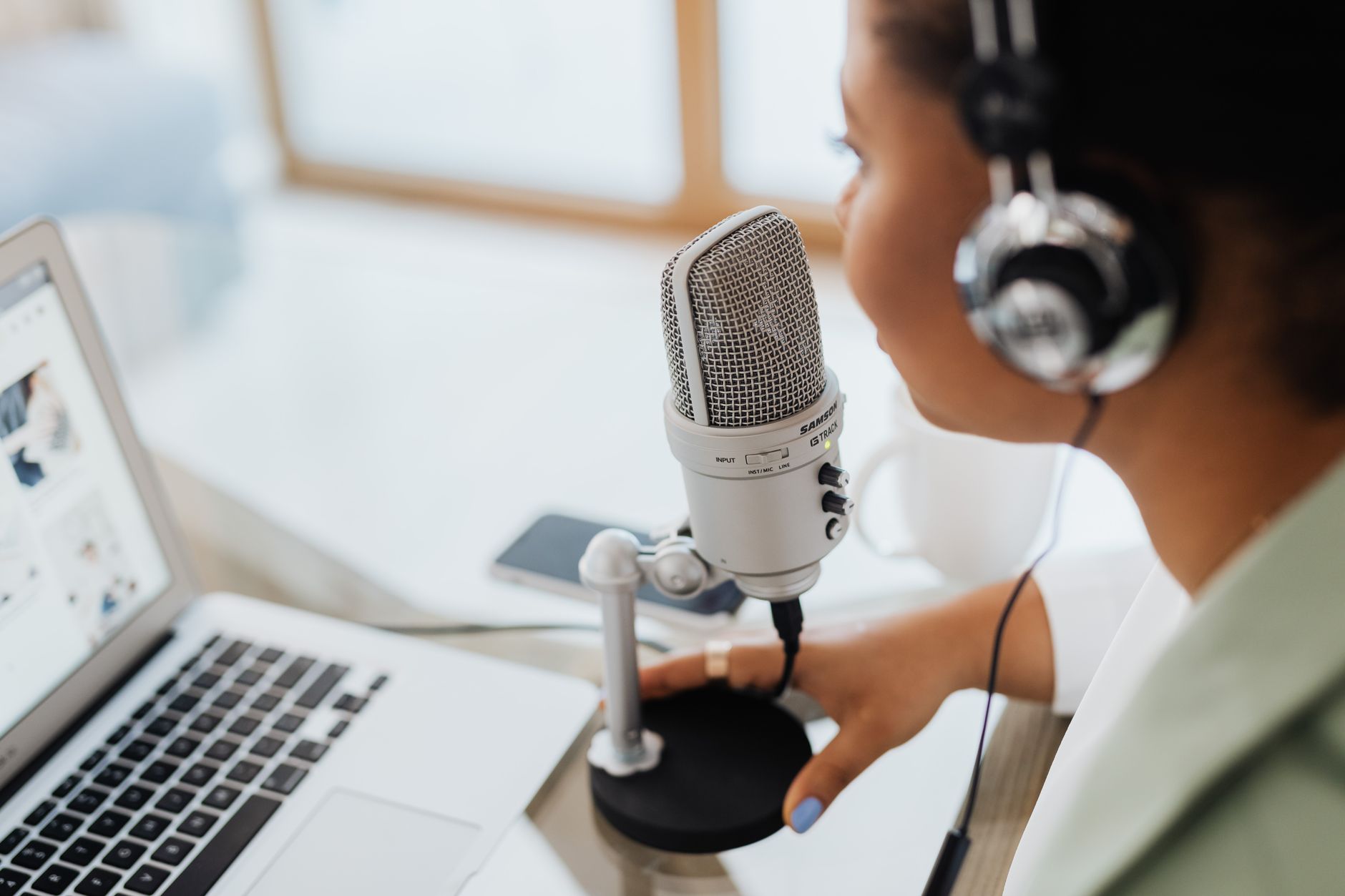
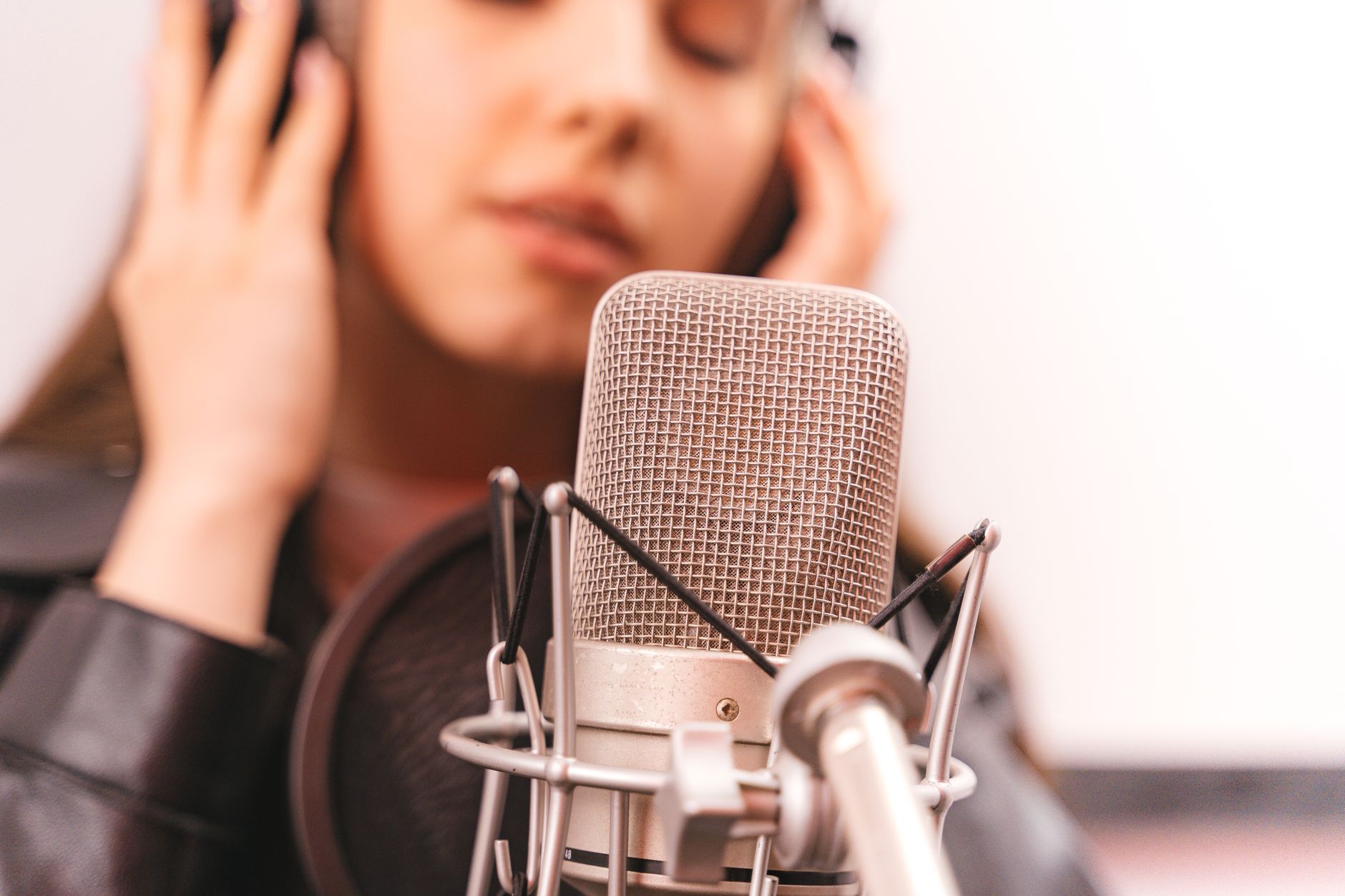 Photo: AI25.Studio AI GENERATIVE via Pexels
Most vocal mics fall into two categories: large-diaphragm condensers (LDC) for studio recording, and dynamic mics for live-leaning or high-SPL situations. A few ribbon mics occupy a specialty niche — warm and forgiving, but expensive and fragile.
Large-Diaphragm Condenser vs. Dynamic: Which Wins for Vocals?
For home studio recording, large-diaphragm condensers win on detail and low-end body. They capture the subtle texture and air in a vocal performance that dynamic mics can lose. The tradeoff: condensers are sensitive — they pick up room noise, HVAC rumble, and any resonance in your space. If your room isn’t treated, a well-placed dynamic can actually deliver a cleaner, drier result.
Rule of thumb: Treated room → condenser. Untreated room or live tracking → dynamic.
Best Microphones for Vocals in 2026
These six mics cover every realistic home-studio budget and use case. Each one has a clear reason to exist on this list — no filler picks.
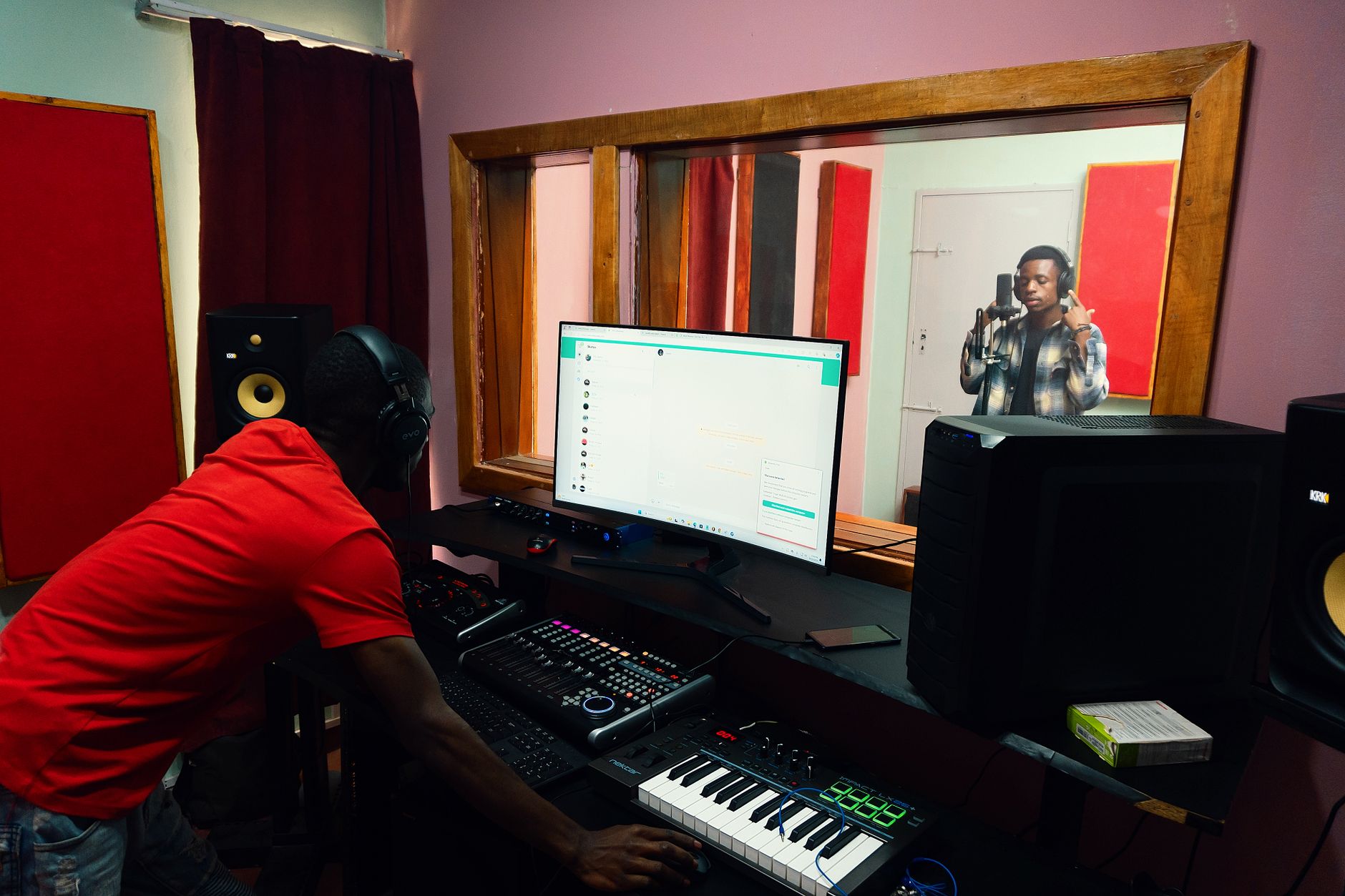 Photo: Kaiser Leo Xiv via Pexels
Best Overall: Audio-Technica AT2020
The AT2020 has earned its place as the default recommendation for beginner and intermediate home studios for over a decade. Its cardioid polar pattern and 20 Hz–20 kHz frequency response cover every vocal type, and the 20 dB self-noise is competitive for the price tier.
Specs:
| Spec | Value |
|---|---|
| Type | Large-diaphragm condenser |
| Polar pattern | Cardioid |
| Frequency response | 20 Hz – 20 kHz |
| Self-noise | 20 dB SPL |
| Max SPL | 144 dB |
| Requires phantom power | Yes (48V) |
| Street price | ~$99 |
Published testing data shows the AT2020 measures flat through the midrange with a slight presence boost around 10–12 kHz — this adds clarity to vocals without sounding harsh on most voices.
Verdict by archetype:
- First-time beginner: Best entry point. Sounds like a real studio mic straight out of the box.
- Bedroom producer: Strong workhorse. Works across vocals, acoustic guitar, and room miking.
- Gigging musician: Not the right tool — it’s a studio mic.
- Prosumer: Fine for demo work; you’ll eventually want to step up to a Neumann or mid-tier Warm Audio equivalent.
Best Budget Pick: Rode NT1 5th Generation
The Rode NT1 (5th Gen) dropped its self-noise spec to a claimed 4 dB — one of the lowest in any consumer mic. According to manufacturer specifications, this means it captures extreme detail and works exceptionally well for quiet vocals and intimate performances. The included pop filter, shock mount, and XLR/USB dual-output make it a complete package.
Key specs:
| Spec | Value |
|---|---|
| Type | Large-diaphragm condenser |
| Self-noise | 4 dB SPL |
| Output | XLR + USB-C |
| Frequency response | 20 Hz – 20 kHz |
| Street price | ~$249 |
The USB-C output is useful for direct computer recording, but serious tracking should still use the XLR path through a proper interface for lowest latency and best preamp quality.
Best Dynamic Mic for Vocals: Shure SM7dB
The Shure SM7dB is the SM7B with an integrated preamp — solving the biggest historical complaint about the SM7B’s low output level. Expert consensus suggests the built-in +25 dB preamp means it works cleanly with budget audio interfaces that lack high-gain preamps.
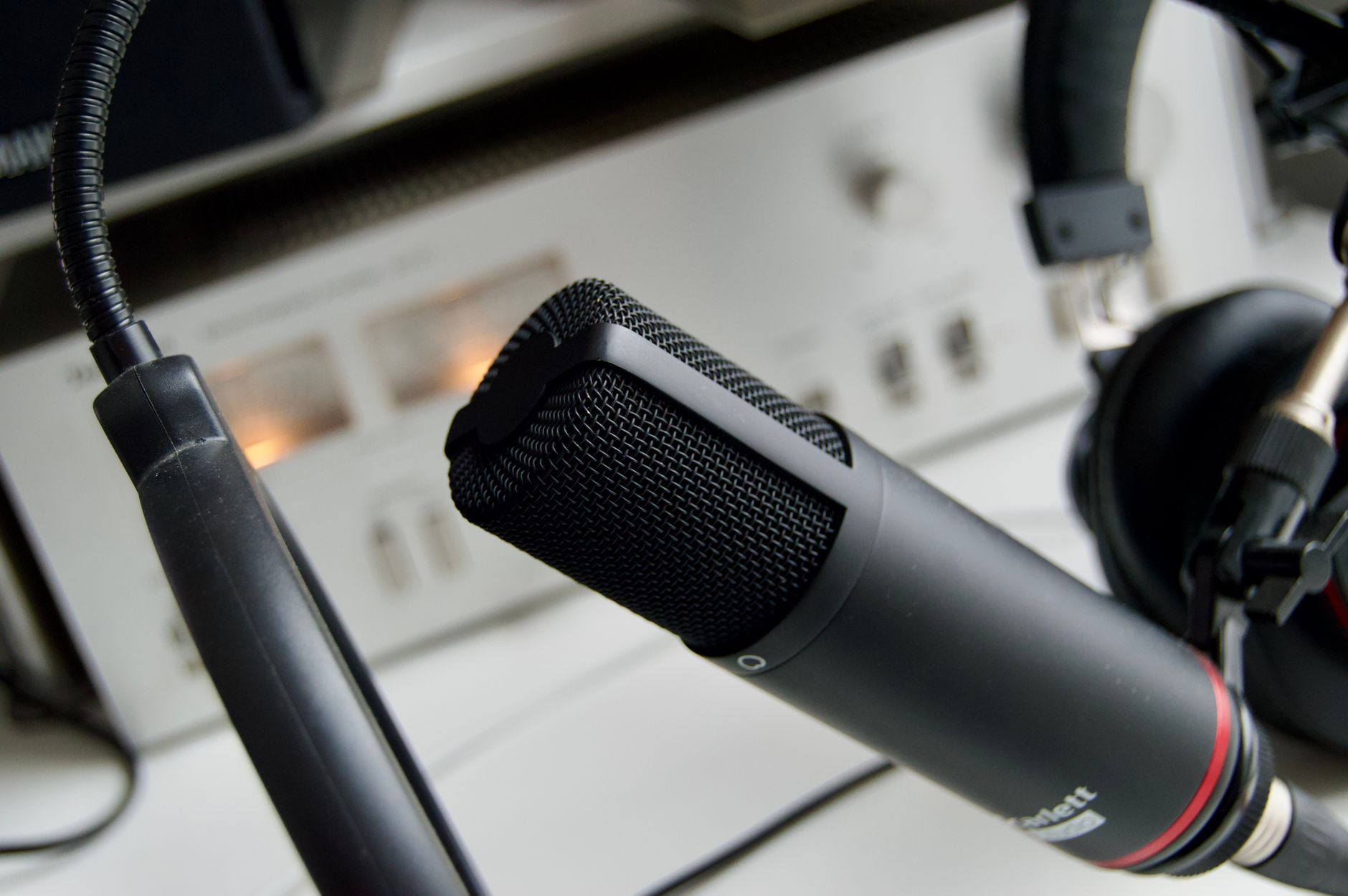
 Photo: TStudio via Pexels
Key specs:
| Spec | Value |
|---|---|
| Type | Dynamic |
| Built-in preamp | +25 dB (switchable) |
| Frequency response | 50 Hz – 20 kHz |
| Polar pattern | Cardioid |
| Street price | ~$399 |
For podcasters, streaming vocals, and home studios with significant room noise, the SM7dB delivers broadcast-quality results without acoustic treatment.
Best Mid-Range: Warm Audio WA-87 R2
The Warm Audio WA-87 R2 is a faithful circuit recreation of the Neumann U87 — arguably the most recorded vocal mic in history — at roughly one-fifth the price. Multiple capsule voicings and switchable polar patterns (omni/cardioid/figure-8) make it genuinely versatile for home studios tracking multiple sources.
According to user reviews and published shootouts, the WA-87 R2 tracks within a few dB of the original on most voice types, with the most audible differences in the top octave air. For home recording, that gap is largely irrelevant.
Key specs:
| Spec | Value |
|---|---|
| Type | Large-diaphragm condenser |
| Polar patterns | Omni / Cardioid / Figure-8 |
| Frequency response | 20 Hz – 20 kHz |
| Pad | -10 dB |
| High-pass filter | 80 Hz |
| Street price | ~$599 |
Best USB Microphone for Vocals: Shure MV7+
The Shure MV7+ is the right USB vocal mic for direct-to-computer recording. It uses a dynamic capsule — meaning it rejects room noise better than a USB condenser — and ships with a companion app for EQ and level control. Based on manufacturer specifications, the 24-bit/48 kHz capture is sufficient for professional podcast and demo-quality vocal production.
Avoid cheap USB condensers for vocal recording. They introduce noise floors and off-axis coloration that makes post-processing harder. The MV7+ costs more than a $50 USB mic but saves significant cleanup time.
Best High-End Pick: Neumann TLM 103
The Neumann TLM 103 is the professional benchmark for vocal recording. It appears on more commercial releases than almost any other mic — the low self-noise (7 dB), extended top-end response, and transformerless circuit design are the documented reasons. This is the mic that rewards both the room and the voice in front of it.
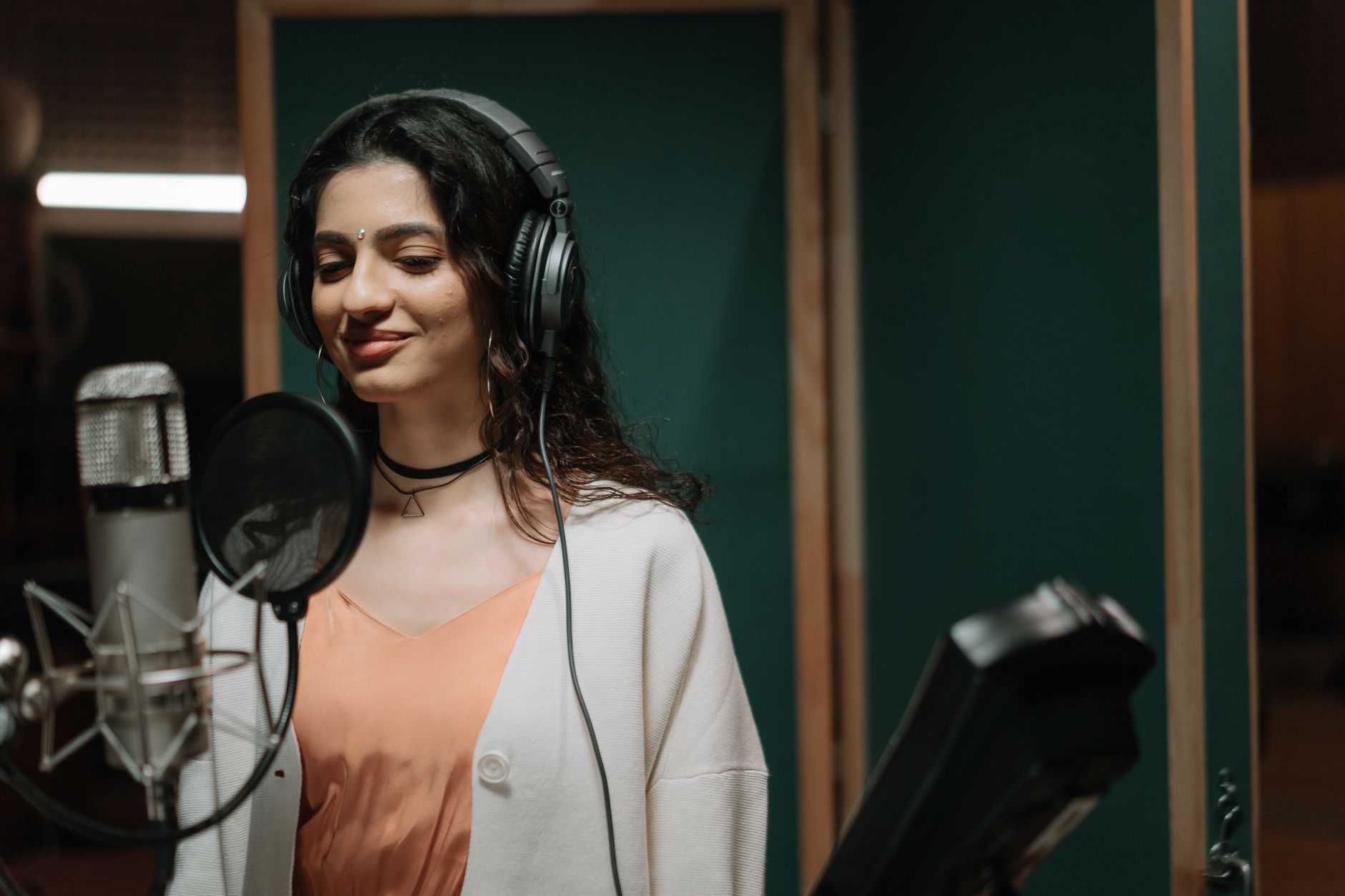
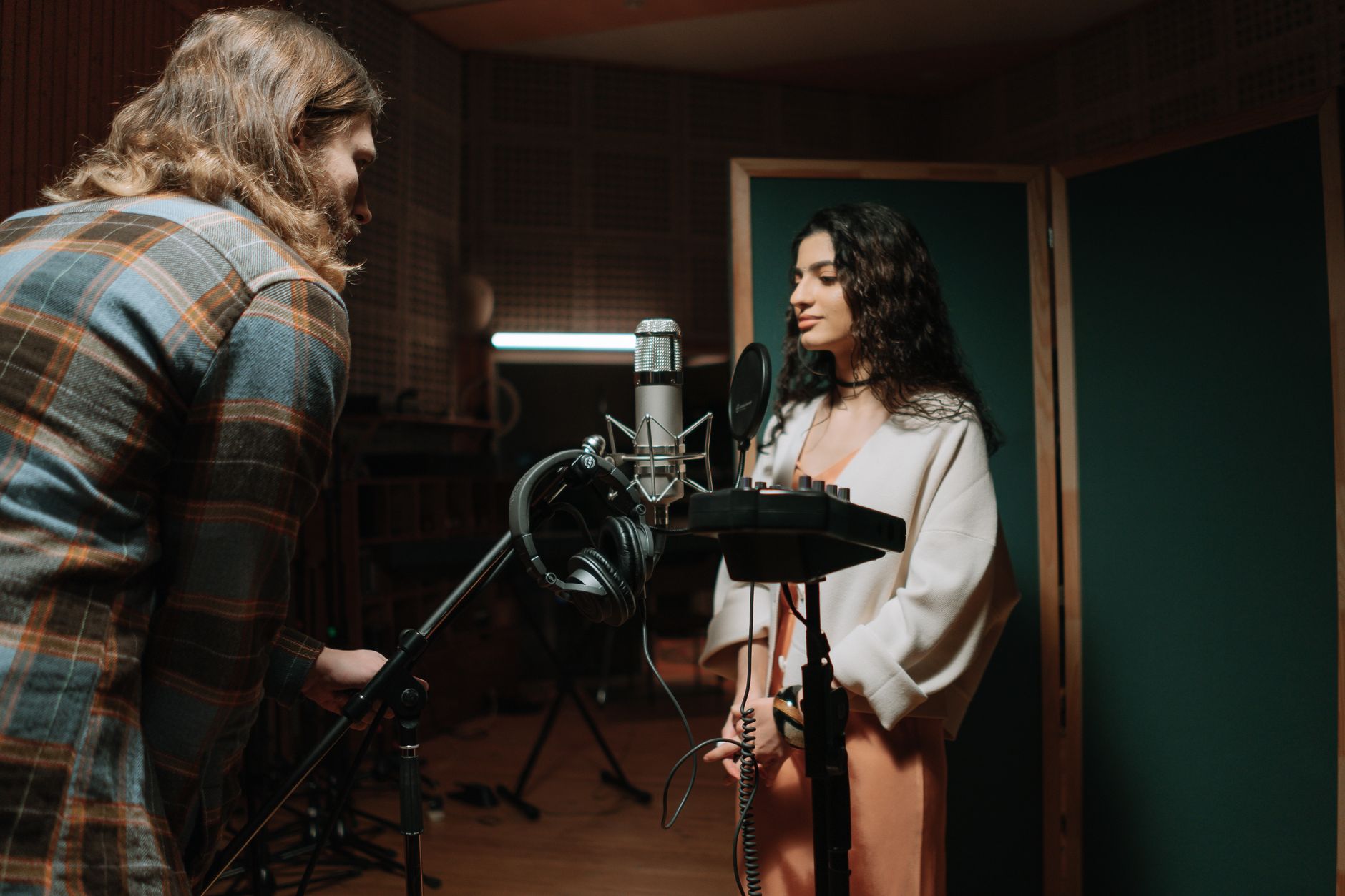 Photo: cottonbro studio via Pexels
Key specs:
| Spec | Value |
|---|---|
| Type | Large-diaphragm condenser |
| Self-noise | 7 dB SPL |
| Max SPL | 138 dB (with pad) |
| Polar pattern | Cardioid |
| Street price | ~$1,100 |
Only consider this mic if your room is acoustically treated, your interface has a clean preamp, and you’re recording at a level where the gear is the limiting factor — not the room or the performance.
Full Comparison Table
| Product | Price | Type | Self-Noise | Polar Pattern | Best For | Verdict |
|---|---|---|---|---|---|---|
| Audio-Technica AT2020 | ~$99 | LDC | 20 dB | Cardioid | Beginners, home studio | Best buy under $100 |
| Rode NT1 (5th Gen) | ~$249 | LDC | 4 dB | Cardioid | Quiet vocals, acoustic | Best low-noise value |
| Shure SM7dB | ~$399 | Dynamic | N/A | Cardioid | Podcasting, untreated rooms | Best dynamic vocal mic |
| Warm Audio WA-87 R2 | ~$599 | LDC | 10 dB | Multi-pattern | Versatile studio tracking | Best mid-range value |
| Shure MV7+ | ~$249 | Dynamic (USB) | N/A | Cardioid | Direct-to-computer recording | Best USB option |
| Neumann TLM 103 | ~$1,100 | LDC | 7 dB | Cardioid | Professional tracking | Best overall, no compromises |
What to Look For When Buying a Vocal Mic
Self-Noise
Self-noise is the mic’s internal noise floor, measured in dB SPL. Lower is better for quiet vocals and intimate performances. Anything under 12 dB is excellent; 20 dB is acceptable for louder tracking. Budget condensers often have self-noise above 25 dB, which becomes audible during processing.
Frequency Response
Most vocal mics include a slight presence boost in the 5–12 kHz range. This adds clarity and cut in a mix. A flat response isn’t always better for vocals — the right lift in the right place reduces the need for EQ later. Published frequency response plots from manufacturers and third-party reviewers let you predict how a mic will sound on your voice type.
Polar Pattern
For home recording, cardioid is almost always the right choice. It rejects sound from behind, reducing room noise and bleed. Figure-8 picks up front and back (useful for mid-side recording or face-to-face vocal sessions). Omni captures everything — useful only in exceptional acoustic spaces.
Phantom Power
Condenser mics require 48V phantom power, which any modern audio interface provides. Dynamics do not. If you’re running a dynamic mic into an interface with a weak preamp, look for a mic with built-in gain (like the SM7dB) or add an inline preamp like the Cloudlifter.
Do You Need a Pop Filter?
Yes. Every condenser vocal recording should use a pop filter or foam windscreen. Plosive air bursts from B, P, and D consonants cause low-frequency peaks that are difficult to fix cleanly in post. A basic nylon pop filter costs under $15 and eliminates the problem entirely.
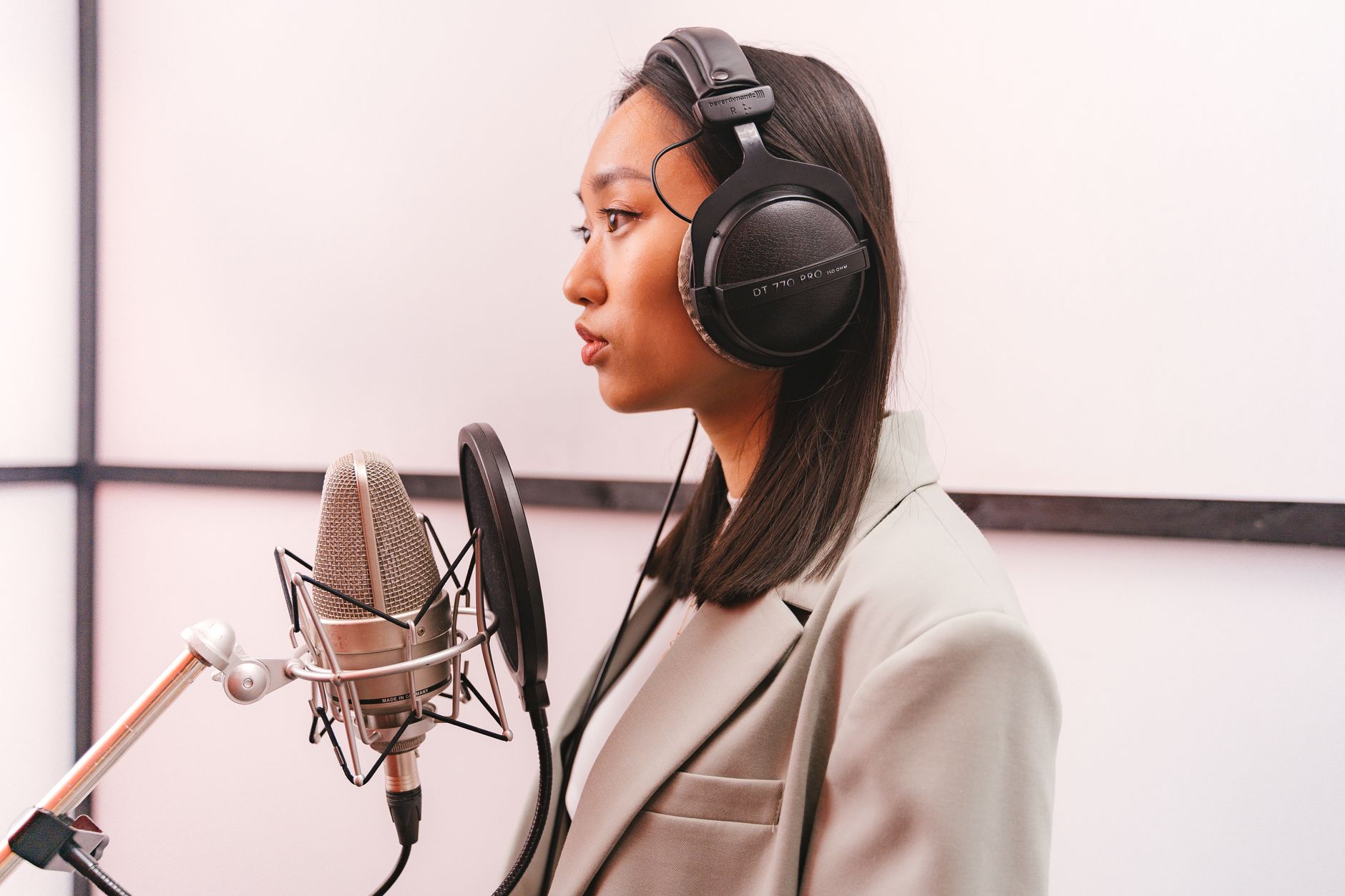 Photo: AI25.Studio AI GENERATIVE via Pexels
Position the filter 4–6 inches from the capsule. This also naturally sets the correct mic-to-mouth distance for most singers — close enough for intimacy, far enough to avoid proximity effect buildup.
→ See also:
- Best Microphones for Home Recording (2026)
- Best Budget Condenser Microphone (2026)
- Audio-Technica AT2020 Review (2026)
FAQ
What is the best microphone for recording vocals at home? The Audio-Technica AT2020 is the strongest entry-level pick for most home studios. It captures clean, detailed vocals at ~$99, works with any phantom-powered interface, and handles a wide range of voice types. If your budget stretches to $249, the Rode NT1 5th Gen adds significantly lower self-noise and a dual XLR/USB output.
Do I need a condenser microphone to record good vocals? No — a dynamic mic like the Shure SM7dB can deliver professional results, particularly in untreated rooms where a condenser would pick up too much room noise. Dynamic mics are more forgiving of acoustic problems and handle high SPLs without distortion. The tradeoff is that dynamics typically have less top-end detail than condensers.
What’s the difference between a USB and XLR vocal microphone? USB mics have a built-in audio interface and connect directly to your computer — simpler setup, no interface required. XLR mics connect through a separate audio interface, giving you better preamps, lower latency, and more control over gain staging. For serious home recording, XLR through a quality interface consistently produces cleaner results than USB alone.
How much should I spend on a vocal microphone for home recording? Published testing data and expert consensus put the performance sweet spot between $100–$300 for home studio vocal work. Below $100, self-noise and off-axis coloration become limiting factors. Above $300, improvements are real but increasingly depend on room acoustics and preamp quality to be audible in a mix.
Does a more expensive microphone mean better vocal recordings? Not automatically. A $1,000 mic in an untreated bedroom will often sound worse than a $150 mic in a properly treated space or with careful positioning. Room acoustics, mic technique, interface quality, and gain staging all affect the result before the mic’s price tier matters. Get your room right before investing in a flagship vocal mic.
What polar pattern is best for recording vocals? Cardioid is best for most vocal recording situations. It focuses sensitivity in front of the mic and rejects sound from behind, which reduces room noise and bleed from monitors or other instruments. Omni and figure-8 patterns have specific use cases in acoustic spaces, but cardioid is the correct starting point for untreated home studios.
Editorial methodology: Assessments are based on manufacturer specifications, published user reviews, and editorial research. Physical hands-on testing is noted explicitly where it occurred. Rankings reflect our editorial judgment and are not influenced by affiliate commission rates. Full editorial policy · Affiliate disclosure