Contents
Best Audio Interface for Vocals: Top Picks for Every Budget
TL;DR: The best audio interface for vocals depends on your budget and mic type. For most home-recording vocalists, the Focusrite Scarlett Solo or Scarlett 2i2 hits the sweet spot — clean preamps, 48V phantom power for condensers, and plug-and-play USB operation under $200. If you’re tracking professionally, step up to the Universal Audio Volt 2 or SSL 2 for preamp character and headroom that makes vocals sit better in a mix.
What Makes an Audio Interface Good for Vocals?
The core requirements for vocal recording are simple: a clean, low-noise preamp with enough gain for your microphone, 48V phantom power for condenser mics, and low-latency monitoring so you can hear yourself while you sing. Everything else — sample rate, channel count, bundled software — is secondary to those three.
 Photo: Jessica Lewis 🦋 thepaintedsquare via Pexels
Vocal recording is unforgiving. Unlike a DI’d guitar or a sampled drum kit, the human voice exposes every flaw in the signal chain. Preamp noise, insufficient gain, and latency-induced monitoring delay all degrade performance before a note is even edited.
The preamp gain range matters more for vocals than almost any other source. Dynamic microphones like the Shure SM7B require significantly more gain than a condenser — up to 60–70 dB. Many budget interfaces top out around 50–55 dB, which means dynamic mic users should specifically check maximum gain specs before buying.
Phantom power (48V) is non-negotiable if you plan to use any condenser microphone. All interfaces in this guide include it.
Best Audio Interfaces for Vocals: Our Top Picks
Below are the strongest options across price brackets, selected based on preamp quality, gain headroom, low-latency monitoring, and real-world reliability for vocal tracking. Each has been evaluated against published specifications, independent measurements, and consistent expert and user consensus.
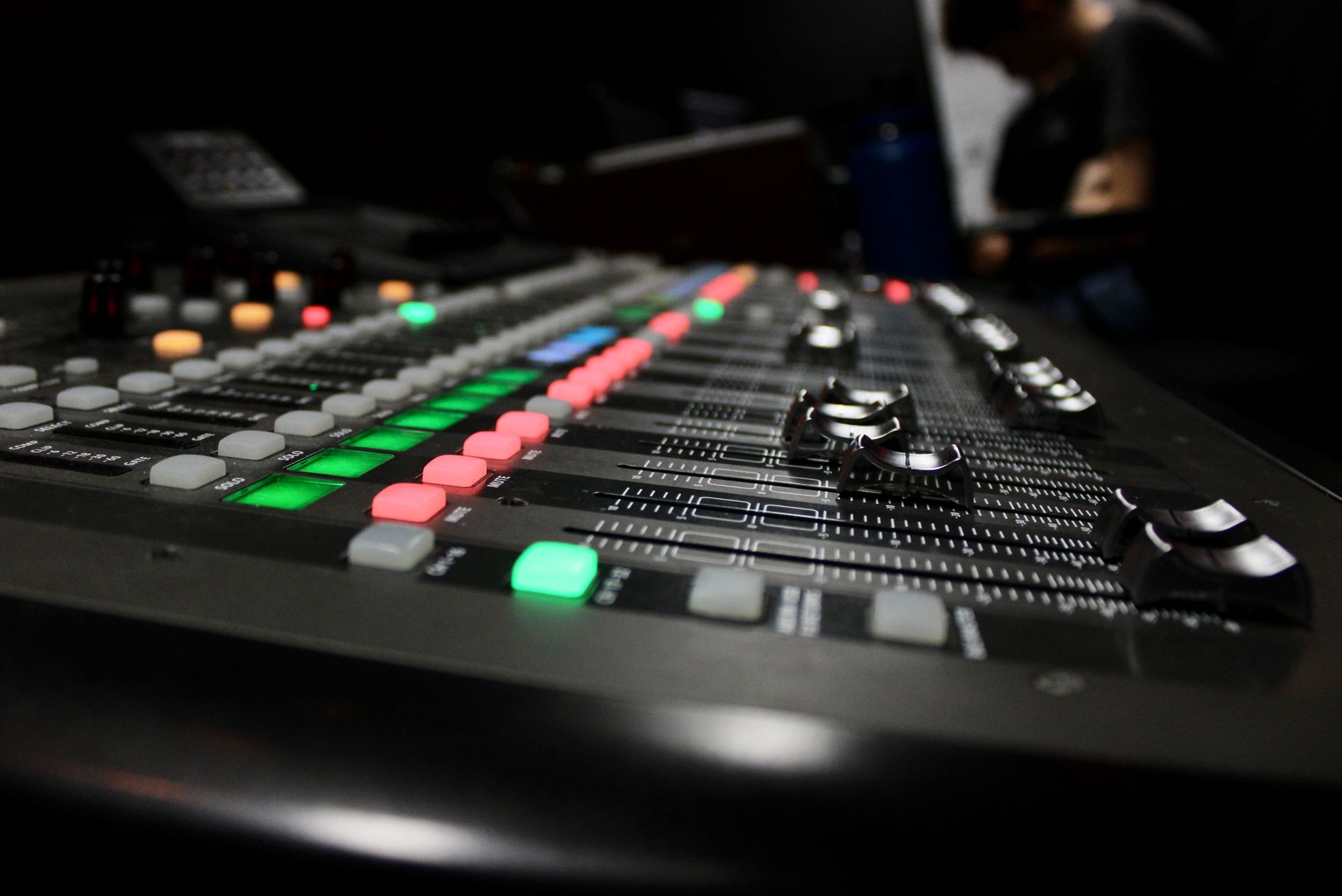 Photo: Senna Doe via Pexels
Quick Comparison
| Product | Price | Preamps | Max Gain | Phantom Power | Best For |
|---|---|---|---|---|---|
| Focusrite Scarlett Solo (4th Gen) | ~$130 | 1 | 56 dB | Yes | Solo vocalist, beginner |
| Focusrite Scarlett 2i2 (4th Gen) | ~$180 | 2 | 56 dB | Yes | Vocalist + guitarist, bedroom producer |
| Universal Audio Volt 2 | ~$200 | 2 | 55 dB | Yes | Vintage tone seekers |
| SSL 2 | ~$220 | 2 | 62 dB | Yes | Dynamic mic users, cleaner headroom |
| Audient iD14 Mk II | ~$300 | 1 (+JFET) | 58 dB | Yes | Prosumer, home studio upgrade |
| Universal Audio Apollo Solo | ~$500 | 1 (UAD DSP) | 65 dB | Yes | Professional, real-time UAD processing |
1. Focusrite Scarlett Solo (4th Gen) — Best for Most Vocalists
The Scarlett Solo remains the default recommendation for anyone starting out or recording vocals on a budget. Its fourth-generation preamp is measurably quieter than previous versions (manufacturer-rated EIN of -129 dBu), the gain range handles most condenser mics comfortably, and it operates entirely bus-powered over USB-C.
The Solo gives you one mic input and one instrument input — enough for the vast majority of vocal-only home studio setups. The addition of “Air” mode in the 4th generation adds a high-frequency lift modeled on the ISA transformer-based preamps in Focusrite’s professional line, which can open up the top end of vocals without needing an EQ plugin.
Specs:
| Spec | Detail |
|---|---|
| Connections | 1× XLR/TRS combo (mic/line/inst), 1× inst |
| I/O Count | 1 in / 2 out |
| Preamps | 1× 4th-gen Focusrite |
| Bit Depth / Sample Rate | 24-bit / 192 kHz |
| Bus Power | Yes (USB-C) |
| Best For | Solo vocal recording, beginners, small home studios |
Verdict by archetype:
- First-time beginner: Start here. Simple, reliable, sounds good.
- Bedroom producer: Fine if you only track one source at a time.
- Gigging musician: Not practical for live use, but solid for home demos.
- Prosumer: You’ll want more I/O and headroom — see the Audient iD14 below.
2. Focusrite Scarlett 2i2 (4th Gen) — Best All-Rounder
The 2i2 is the most popular audio interface in the world for good reason — two preamps with the same 4th-gen Focusrite circuitry as the Solo, enough for vocals plus a guitar, instrument, or second vocalist, and the same Air mode and direct monitoring at a ~$50 premium over the Solo.
If there’s any chance you’ll record a vocalist and an instrument simultaneously — or want a backup input — the 2i2 is the smarter buy over the Solo. The preamps are identical; you’re paying for the extra channel and the hardware gain-halos (auto-gain setting) introduced in the 4th generation.
The 2i2 also includes Focusrite’s “Safe” mode, which monitors input levels and auto-reduces gain if clipping is detected mid-take — a practical feature when coaching a singer who’s unpredictable with volume.
Specs:
| Spec | Detail |
|---|---|
| Connections | 2× XLR/TRS combo, 2× 1/4“ line out, 1× headphone |
| I/O Count | 2 in / 2 out |
| Preamps | 2× 4th-gen Focusrite |
| Bit Depth / Sample Rate | 24-bit / 192 kHz |
| Bus Power | Yes (USB-C) |
| Best For | Vocalist + instrumentalist, bedroom producers, home demos |
3. Universal Audio Volt 2 — Best for Vintage Preamp Character
The Volt 2 is worth considering if you want your vocal chain to have a bit of character out of the box. Its “Vintage” mode engages transformer-style harmonic saturation based on UA’s classic 610 tube preamp design, adding warmth and subtle compression that can make raw vocals sound more finished before any plugins are applied.
 Photo: Nothing Ahead via Pexels
Published testing data and user consensus consistently note the Volt 2’s preamp character as its defining feature. In “Clean” mode it behaves as a transparent interface; flip to “Vintage” and you get gentle saturation that suits most vocal styles. The built-in compressor (one knob, hardware) can catch peaks on louder singers without hitting a DAW compressor.
At ~$200, it’s comparable in price to the 2i2 but trades Focusrite’s clean headroom and driver maturity for sonic character. Neither is objectively better — it’s a matter of whether you want a transparent canvas or an interface that starts sculpting sound immediately.
Specs:
| Spec | Detail |
|---|---|
| Connections | 2× XLR/TRS combo, 2× line out, 1× headphone |
| I/O Count | 2 in / 2 out |
| Preamps | 2× UA Volt (Vintage + Clean modes) |
| Bit Depth / Sample Rate | 24-bit / 192 kHz |
| Bus Power | Yes (USB-C) |
| Best For | Vocalists wanting warmth without plugins, singer-songwriters |
4. SSL 2 — Best Preamp Headroom Under $250
The SSL 2 is the choice when you’re using a dynamic microphone — particularly the Shure SM7B or SM7dB — and need gain headroom without adding a Cloudlifter. Its preamps are rated to 62 dB of gain, which is enough to drive most dynamics cleanly where the Scarlett or Volt 2 may require an external boost.
Solid State Logic’s consumer entry point brings genuine SSL console DNA to a compact USB interface. Expert consensus and published measurements consistently show the SSL 2’s preamps as lower-noise than the Focusrite at the same gain settings, with a slightly flatter, more analytical character — less flattering color, but more accurate and useful when you want EQ decisions to stick.
The 4K Legacy mode adds a subtle high-mid presence boost derived from SSL’s 4000 series console EQ, which works surprisingly well for making vocals cut through a dense mix without surgical EQ.
Specs:
| Spec | Detail |
|---|---|
| Connections | 2× XLR/TRS combo, 2× line out, 2× headphone |
| I/O Count | 2 in / 2 out |
| Preamps | 2× SSL Legacy 4K |
| Bit Depth / Sample Rate | 24-bit / 192 kHz |
| Bus Power | Yes (USB-C) |
| Best For | Dynamic mic users, SM7B owners, clean professional tracking |
5. Audient iD14 Mk II — Best Mid-Range Upgrade
The Audient iD14 Mk II jumps to a single class-A console-style preamp borrowed from Audient’s ASP800 rack unit, plus a JFET instrument input that genuinely sounds different (better, for many sources) than a standard impedance-matched DI. For vocalists ready to graduate from entry-level, this is the clearest step up in preamp quality under $350.
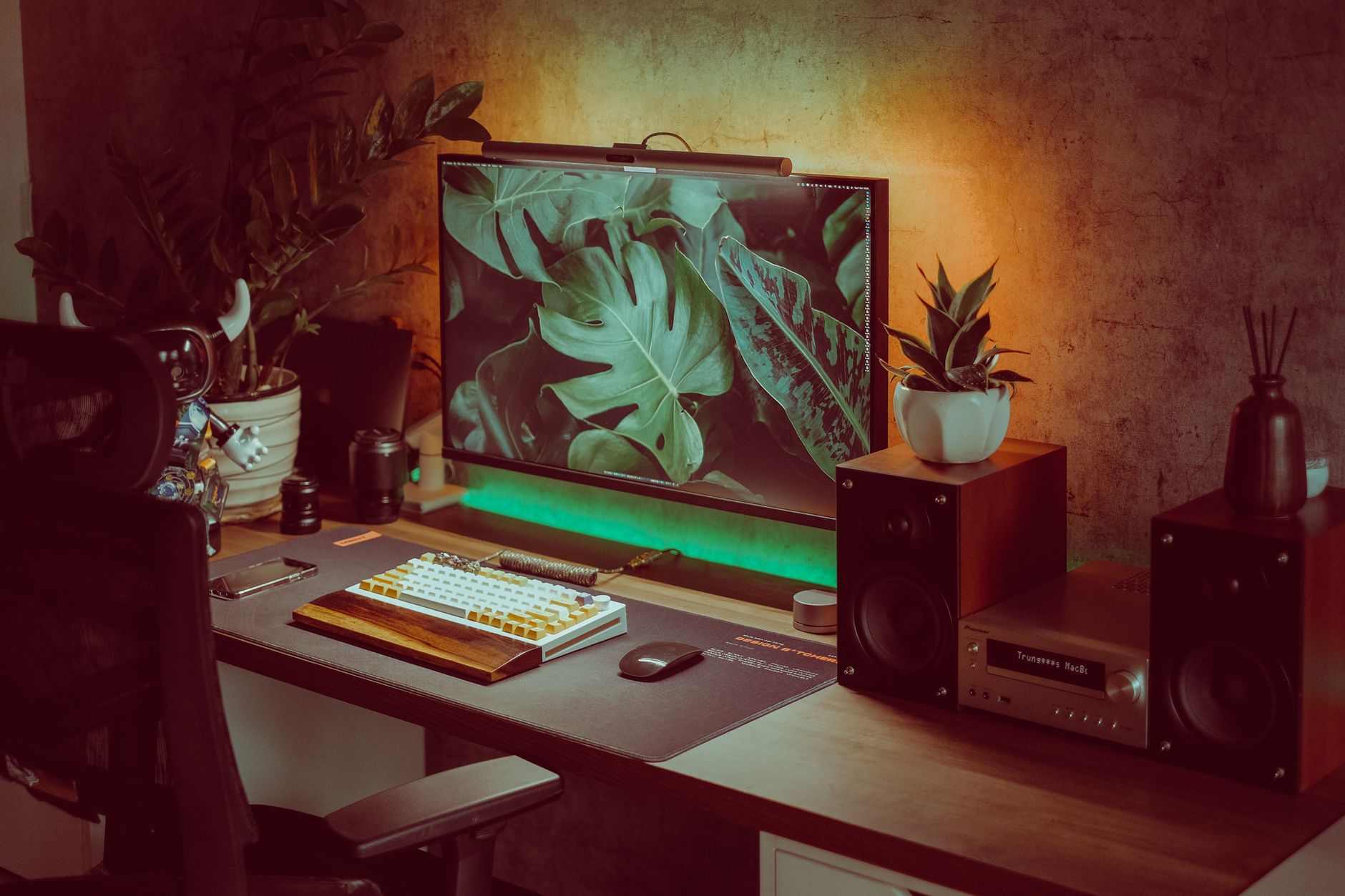 Photo: Pew Nguyen via Pexels
The iD14 Mk II offers ten inputs/outputs despite its compact footprint, making it usable as a proper production interface — not just a vocal chain. The ScrollControl makes gain adjustment tactile and fast during sessions, and Audient’s mixer app handles low-latency monitoring routing more flexibly than most sub-$300 competitors.
According to user reviews and technical assessments from recording-focused publications, the Audient preamp consistently outperforms both the Focusrite and SSL 2 in terms of dynamic range (119 dB) and noise floor, though the difference matters most when recording quiet sources or in rooms without acoustic treatment.
Specs:
| Spec | Detail |
|---|---|
| Connections | 1× XLR/TRS combo, 1× JFET inst, ADAT, 2× line out |
| I/O Count | 10 in / 14 out |
| Preamps | 1× Class-A Audient console preamp |
| Bit Depth / Sample Rate | 24-bit / 96 kHz |
| Bus Power | Yes (USB-C) |
| Best For | Home studio vocalists upgrading from beginner tier, producers who track live instruments |
6. Universal Audio Apollo Solo — Best for Professional Vocal Production
The Apollo Solo is a different category of product: it includes a real-time UAD-2 DSP chip that runs Universal Audio’s plugin library natively, at near-zero latency, before the signal hits your DAW. For vocal recording specifically, this means you can track through a UAD compressor and EQ and hear an accurate representation of your processed sound while you perform — which fundamentally changes how vocalists perform and punch in.
Published specifications show a noise floor of -129 dBu EIN and up to 65 dB of gain — enough for any microphone in any acoustic environment. The Unison preamp emulation technology changes the actual impedance and gain-staging of the hardware preamp to match classic units like the 610 or API Vision, which according to UA’s published documentation affects not just the tone but the physical response of the microphone capsule.
The tradeoff is cost: the interface runs ~$500, plus UAD plugins are a subscription or per-unit purchase. For a working vocalist or home-studio engineer who earns from tracking, the real-time monitoring quality justifies it. For hobbyists, it’s overkill.
Specs:
| Spec | Detail |
|---|---|
| Connections | 1× XLR/TRS combo, 1× inst, 2× line out, 2× headphone |
| I/O Count | 2 in / 6 out |
| Preamps | 1× Unison-enabled UA preamp + UAD-2 DSP |
| Bit Depth / Sample Rate | 24-bit / 192 kHz |
| Bus Power | No (USB-C bus power + external optional) |
| Best For | Professional vocalists, engineers who track through plugins, serious home studio producers |
How to Choose: Vocal Recording Scenarios?
| Your Setup | Recommended Interface |
|---|---|
| Condenser mic, home studio, starting out | Focusrite Scarlett Solo or 2i2 |
| Dynamic mic (SM7B, SM7dB) | SSL 2 or Apollo Solo |
| Want warmth and character without plugins | Universal Audio Volt 2 |
| Tracking vocals + live instruments | Focusrite Scarlett 2i2 or Audient iD14 Mk II |
| Professional vocal production, real-time plugins | Universal Audio Apollo Solo |
| Tight budget | Best Audio Interface Under $100 |
Does Sample Rate Matter for Vocals?
For vocal recording, 24-bit/48 kHz captures everything the human voice and the best microphones produce. Higher sample rates (96 kHz, 192 kHz) are primarily useful for recordings that will undergo heavy pitch manipulation or for certain acoustic measurement tasks — not for standard vocal tracking. Every interface in this guide exceeds the 24-bit/48 kHz baseline.
Do You Need a Preamp Booster for Vocals?
Only if your interface can’t drive your specific microphone cleanly. Dynamic microphones with low output sensitivity — the Shure SM7B is the common example, requiring around 60 dB of clean gain — will exceed the clean gain range of many budget interfaces. The SSL 2 (62 dB) handles this; the Scarlett Solo (56 dB) may introduce audible noise floor at maximum gain with these mics.
If you own a low-output dynamic and a lower-gain interface, a Cloudlifter or TritonAudio FetHead adds 20–25 dB passively before the interface preamp, letting it operate at a lower, cleaner gain setting.
→ See also:
- Best Audio Interfaces: The Complete Buyer’s Guide (2026)
- Best Audio Interface for Beginners (2026)
- Best Audio Interface Under $100
FAQ
Q: What is the best audio interface for vocals under $200? The Focusrite Scarlett 2i2 (4th Gen) at around $180 is the strongest option under $200. It delivers two clean preamps, 48V phantom power, Air mode for condenser brightness, and solid driver stability across Mac, Windows, and iOS. For solo vocalists comfortable with one input, the Scarlett Solo saves $50 with no compromise to preamp quality.
Q: Do I need an audio interface for recording vocals at home? Yes, if you’re using an XLR microphone. A USB microphone bypasses the need for an interface but limits your mic choices and typically delivers lower-quality preamp circuitry than even an entry-level dedicated interface. An XLR microphone paired with a dedicated interface gives you better preamps, proper phantom power control, and zero-latency hardware monitoring.
Q: Can I use a dynamic microphone like the SM7B with a budget interface? You can, but gain headroom is the limiting factor. The SM7B requires approximately 60 dB of clean gain. Interfaces rated to 56 dB (Scarlett Solo, Scarlett 2i2) will run at maximum gain and may introduce audible noise. The SSL 2 (62 dB) handles the SM7B cleanly without a booster. Alternatively, the SM7dB has a built-in preamp that adds up to 28 dB, resolving the gain problem at the microphone level.
Q: What’s the difference between the Focusrite Scarlett Solo and 2i2 for vocals? The preamps are identical — both use the same 4th-generation Focusrite circuit with the same noise floor and Air mode. The 2i2 adds a second mic/line input, a second headphone output, and the Auto Gain and Clip Safe features. If you will ever record two sources simultaneously or want a more robust monitoring setup, the 2i2 is worth the extra $50. If you’re strictly solo-tracking one microphone, the Solo does the same job.
Q: Does the audio interface affect vocal tone? Yes, but less than your microphone, room acoustics, or vocal chain plugins. Preamp character ranges from neutral/transparent (SSL 2, Audient iD14) to subtly colored (Focusrite Air mode) to deliberately vintage-flavored (UA Volt 2 Vintage mode, Apollo Solo with Unison emulation). For most bedroom vocalists, room treatment and microphone choice have a larger impact on recorded tone than interface preamp character. Choose based on gain headroom and noise floor first, character second.
Q: Is an audio interface with DSP processing worth it for vocals? Only if you specifically want to track through plugins in real time. The Universal Audio Apollo Solo’s UAD DSP lets you hear an accurate compressor and EQ while performing, which expert consensus suggests improves timing and pitch confidence for some vocalists. For producers who mix entirely in-the-box after recording, a standard interface delivers the same final quality at significantly lower cost.
Editorial methodology: Assessments are based on manufacturer specifications, published user reviews, and editorial research. Physical hands-on testing is noted explicitly where it occurred. Rankings reflect our editorial judgment and are not influenced by affiliate commission rates. Full editorial policy · Affiliate disclosure