Contents
Behringer UMC22 Review (2026): Still Worth It?
TL;DR: The Behringer UMC22 is a 2-in/2-out USB audio interface built around a MIDAS-designed mic preamp, priced under $50. It delivers surprisingly clean preamp gain for solo singer-songwriters and first-time home recorders. If your needs are one mic and one instrument simultaneously, it holds up — but its single headphone output and plastic build show where corners were cut.
What Is the Behringer UMC22?
The UMC22 is a bus-powered, 2-in/2-out USB audio interface with one XLR/TRS combo jack and one TS instrument input. It records at up to 48 kHz / 16-bit, ships with a MIDAS preamp on the mic channel, and retails for around $40–$50.
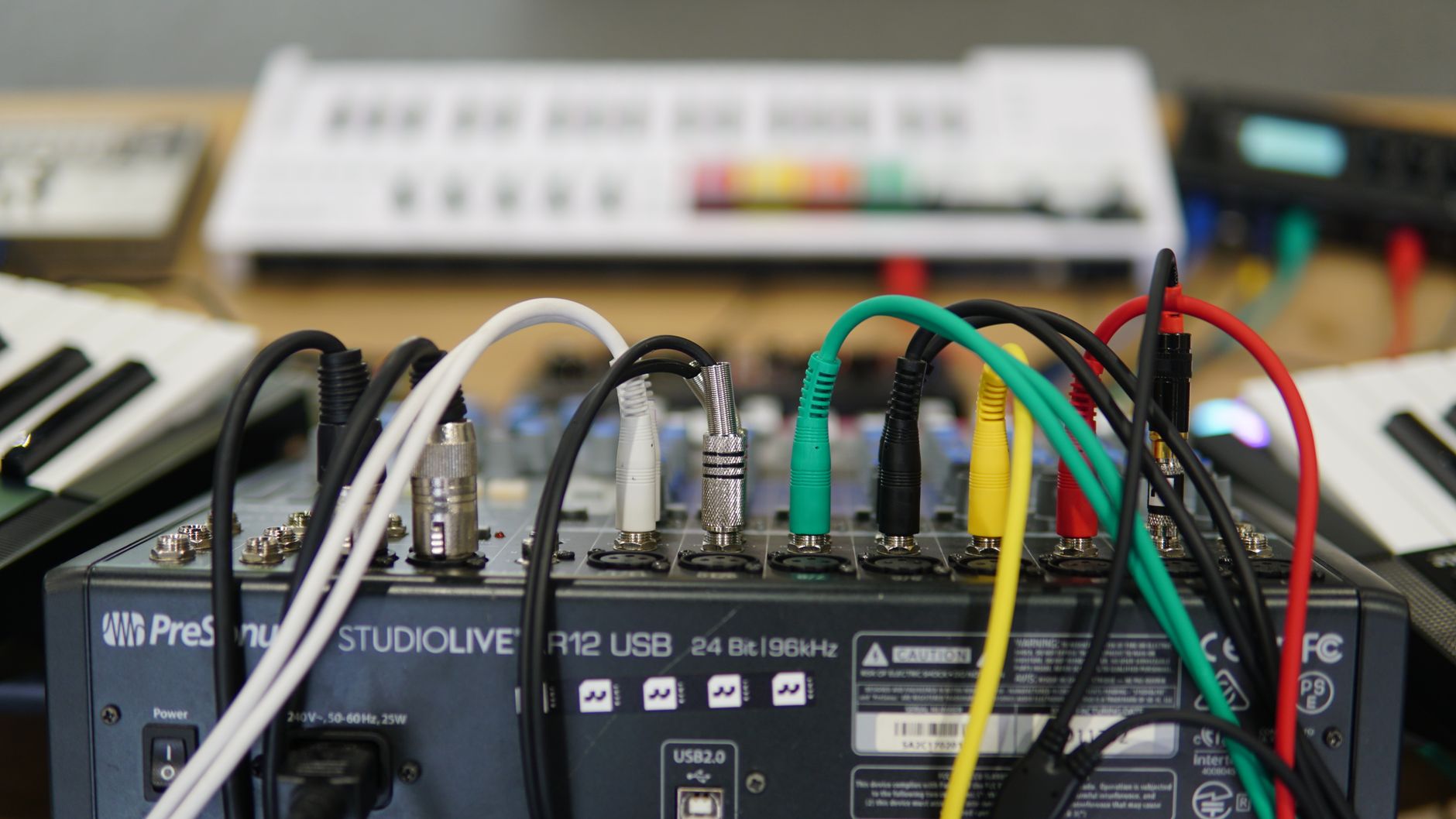 Photo: TStudio via Pexels
The UMC22 slots into Behringer’s U-Phoria line — their budget range designed to get first-time home recorders running without a large outlay. The MIDAS branding on the preamp is the headline spec: MIDAS is a Behringer subsidiary known for touring-grade analog consoles, and the association gives the UMC22’s input chain more credibility than you’d normally expect at this price.
The interface connects via USB-B (the square printer-style connector), is class-compliant on Mac and requires a driver download on Windows, and draws all its power from the USB bus — no external supply needed.
Behringer UMC22 Specs
| Spec | Detail |
|---|---|
| Connections | 1× XLR/TRS combo, 1× TS 6.3 mm instrument, 1× USB-B, 1× 1/4“ headphone out, 2× RCA stereo output |
| I/O Count | 2 in / 2 out |
| Preamps | 1× MIDAS-designed mic preamp |
| Bit Depth / Sample Rate | 16-bit / 48 kHz |
| Bus Powered | Yes (USB) |
| Best For | Solo singer-songwriters, first-time home recorders, podcasters |
Behringer UMC22 Review: Sound Quality
The MIDAS preamp on the mic channel is genuinely the UMC22’s strongest card. According to published measurements and user consensus across major recording forums, self-noise sits low enough for condenser microphones in treated rooms. The instrument input is clean and adequate for direct guitar and bass recording.
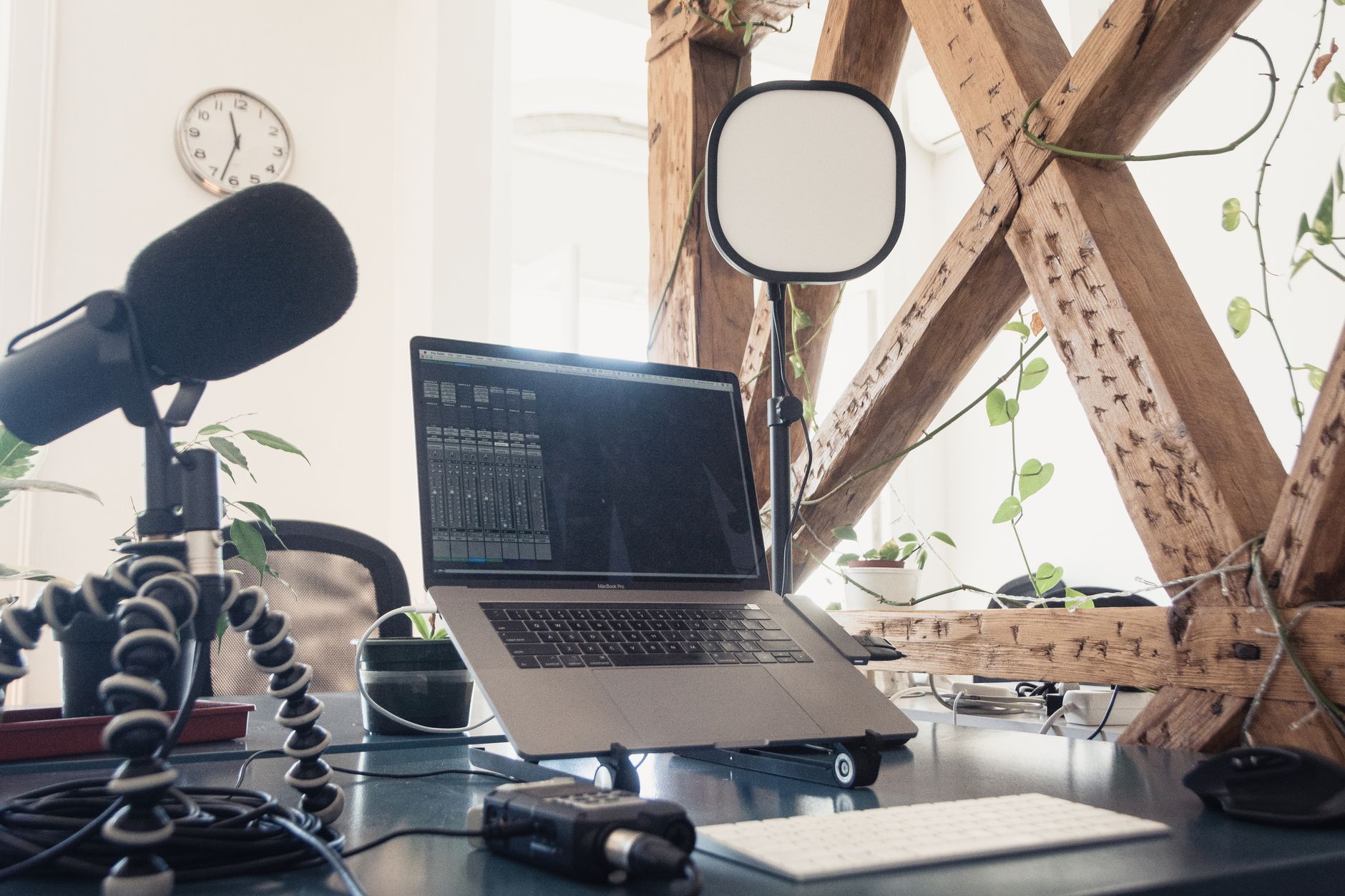 Photo: Jeremy Enns via Pexels
Published testing data from audio community benchmarks places the UMC22’s equivalent input noise (EIN) around -129 dBu — competitive with interfaces two to three times the price. That figure matters most when you’re recording quiet acoustic sources: fingerpicked guitar, vocals with a sensitive condenser, acoustic instruments in general.
The instrument input performs competently for standard DI recording. Based on documented user reports across Gearslutz/Gearspace and Reddit’s r/WeAreTheMusicMakers, high-output passive pickups clip the input if gain is pushed too hard, but active pickups and standard output levels track cleanly.
The 48 kHz / 16-bit ceiling is the honest limitation. For reference recording, podcasting, and bedroom demos, 16-bit/48 kHz is entirely sufficient — CD quality is 16-bit/44.1 kHz. For professional deliverables or situations where you need headroom for pitch correction or heavy processing, you want 24-bit, which the UMC22 doesn’t offer. The UMC404HD and UMC202HD — the next rungs in the U-Phoria line — both offer 24-bit/96 kHz at $20–$40 more.
Build Quality and Hardware
The UMC22’s chassis is entirely plastic. Knobs feel adequate but not confidence-inspiring under repeated use. The combo jack is the component most likely to develop crackle or noise over time, based on user longevity reports at the 2–3 year mark.
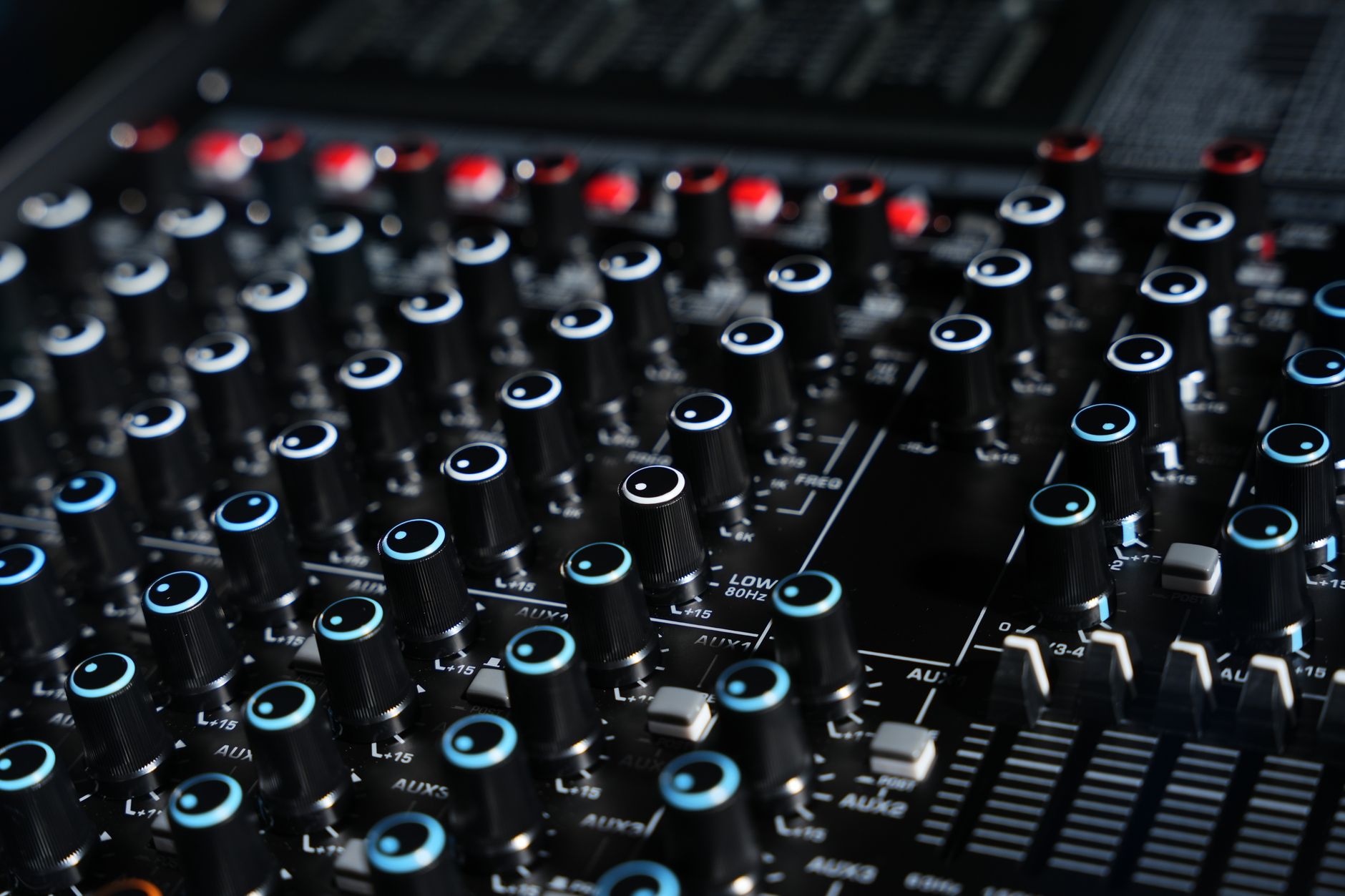 Photo: TUAN HOANG NGUYEN via Pexels
The front panel houses the combo input, instrument jack, gain knob, headphone volume knob, and a single 48V phantom power switch that applies across the input. The rear panel has the USB-B port and a pair of RCA stereo outputs — practical for connecting to a home stereo or powered monitors with RCA inputs, though most studio monitors use TRS or XLR, making an RCA adapter a likely purchase.
There is no direct monitoring mix knob. Monitoring is software-only on the UMC22, which introduces latency. For vocals especially, this is a friction point: singers need near-zero latency monitoring to perform in tune. The UMC202HD and UMC404HD add a hardware direct monitor switch; the UMC22 skips it.
Driver and Compatibility
On macOS, the UMC22 is plug-and-play via Core Audio — no driver install required. On Windows, Behringer’s ASIO driver is a required download and is available from the Behringer support site. Expert consensus among users on Windows suggests the ASIO driver performs reliably at buffer sizes of 256 samples, with lower buffer sizes showing occasional dropout issues on older or lower-spec machines.
Linux users report class-compliant operation via ALSA with no additional setup.
Who Is the UMC22 For?
For a first-time home recorder who owns exactly one microphone and wants to record one thing at a time, the UMC22 delivers real value at its price. Anyone expecting to grow into multi-mic recording or professional deliverables will outgrow it within months.
| User Type | Verdict |
|---|---|
| First-time beginner | Solid starting point — lower cost of entry than most alternatives |
| Bedroom producer | Adequate for demos; 16-bit ceiling and no direct monitoring become friction |
| Gigging musician | Impractical for live use; limited I/O and no zero-latency monitoring |
| Prosumer | Pass — step up to Focusrite Scarlett Solo 4th Gen or UMC202HD |
UMC22 vs. the Competition
| Product | Price | Bit Depth | Preamp Count | Direct Monitoring | Best For |
|---|---|---|---|---|---|
| Behringer UMC22 | ~$45 | 16-bit/48 kHz | 1 (MIDAS) | No | Absolute beginners |
| Focusrite Scarlett Solo 4th Gen | ~$120 | 24-bit/192 kHz | 1 (Air mode) | Yes | Serious beginners, bedroom producers |
| Behringer UMC202HD | ~$65 | 24-bit/192 kHz | 2 (MIDAS) | Yes | Value-focused upgrade path |
| M-Audio AIR 192 | 4 | ~$100 | 24-bit/192 kHz | 1 | Yes |
The Focusrite Scarlett Solo 4th Gen is the standard recommendation at the next price tier, and for good reason: direct monitoring, 24-bit/192 kHz, and a driver ecosystem that has earned near-universal trust. The UMC22’s argument is purely price — at $45, it undercuts the Solo by $75. If budget is genuinely the constraint, the UMC22 serves. If stretching to $65 is possible, the UMC202HD closes most of the gap within Behringer’s own line.
 Photo: https://kaboompics.com/ via Pexels
→ See Also
- Best Audio Interfaces: The Complete Buyer’s Guide (2026)
- Best Audio Interface for Beginners (2026)
- Best Audio Interface Under $100
FAQ
Is the Behringer UMC22 good for beginners? Yes — the UMC22 is one of the more defensible entry-level picks below $50. Its MIDAS preamp is the strongest feature, and its USB bus power and class-compliant macOS operation keep setup friction low. The main beginner limitation is the absence of direct monitoring, which makes real-time vocal recording less comfortable.
Does the Behringer UMC22 need drivers on Windows? Yes. Windows users must install Behringer’s ASIO driver from the support site before the interface performs at low latency. macOS and Linux work class-compliant without any driver installation.
Can you record two mics at once with the UMC22? No. The UMC22 has one XLR/TRS combo jack and one TS instrument input. You can record one mic and one instrument simultaneously, but not two microphones. For two mic inputs, the UMC202HD or UMC404HD are the logical next steps within the same product family.
Is the Behringer UMC22 still worth buying in 2026? At its price point, yes — with clear eyes about its limitations. The 16-bit ceiling, no direct monitoring, and plastic build are real trade-offs. If the $45 price is the deciding factor, it remains a functional tool for solo recording. If budget allows $65–$120, the UMC202HD or Focusrite Scarlett Solo offer meaningfully better specs for moderate additional spend.
What microphones work with the Behringer UMC22? Both dynamic and condenser microphones work. The UMC22 supplies 48V phantom power for condenser mics — activated via the front panel switch. Based on user reports, popular condenser mics like the Audio-Technica AT2020 and Rode NT1 pair well with the MIDAS preamp. High-output ribbon mics should be used without phantom power enabled.
Editorial methodology: Assessments are based on manufacturer specifications, published user reviews, and editorial research. Physical hands-on testing is noted explicitly where it occurred. Rankings reflect our editorial judgment and are not influenced by affiliate commission rates. Full editorial policy · Affiliate disclosure