Contents
Audio-Technica AT2035 Review (2026): Still Worth It?
TL;DR: The audio-technica at2035 review verdict is simple — it’s one of the best sub-$150 large-diaphragm condensers available. Clean, low-noise preamp circuitry, a forgiving cardioid pattern, and a built-in 10dB pad make it genuinely useful for vocals, acoustic guitar, and voice-over work. If you already own the AT2020, the upgrade is real but modest.
What Is the AT2035 and Who Is It For?
The AT2035 is a large-diaphragm cardioid condenser microphone priced around $149. It targets bedroom producers and home-studio engineers who need a step up from entry-level USB mics without touching the $300+ tier. It ships with a shock mount and a pouch — unusual value at this price point.
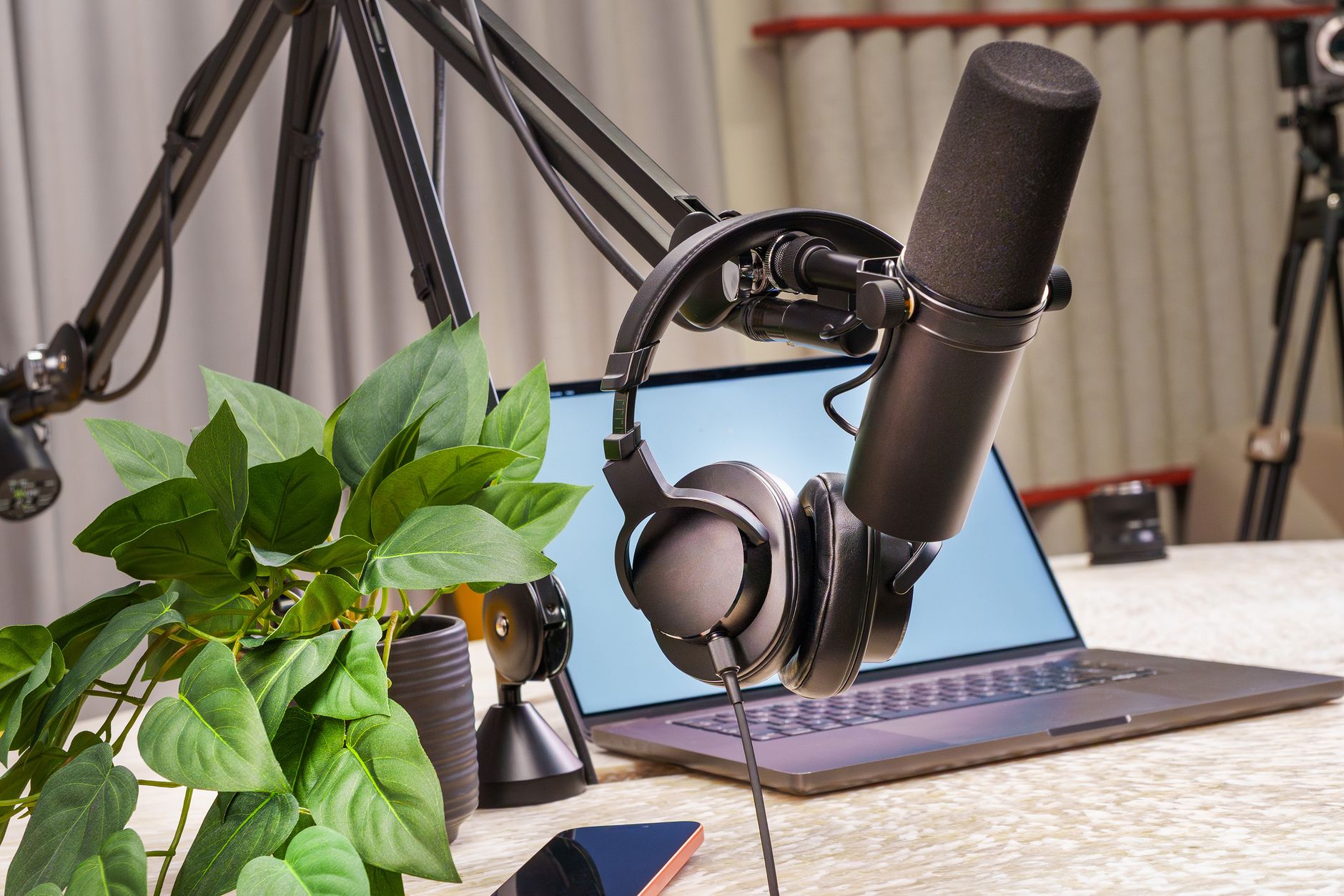 Photo: Jakub Zerdzicki via Pexels
Audio-Technica’s AT2035 sits directly above the AT2020 in their budget condenser lineup. The key hardware additions over that sibling are a -10dB pad and an 80Hz high-pass filter switch — both absent on the AT2020. Those two additions alone meaningfully expand the mic’s use cases, letting it handle louder sources and cut room rumble without a separate processor.
The target user is someone recording vocals, acoustic instruments, or voice-over in a treated (or semi-treated) home studio. It’s phantom-powered, requires a 48V-capable audio interface, and rewards a clean preamp — the kind found on an Audient iD4, Focusrite Scarlett, or UA Volt.
Audio-Technica AT2035 Specs
| Spec | Value |
|---|---|
| Transducer type | Fixed-charge back-plate, permanently polarized condenser |
| Polar pattern | Cardioid |
| Frequency response | 20Hz – 20kHz |
| Low-frequency roll-off | 80Hz high-pass filter (switchable) |
| Pad | -10dB (switchable) |
| Dynamic range | 136dB SPL |
| Equivalent noise (EIN) | 12dB SPL (A-weighted) |
| Maximum input SPL | 148dB SPL with pad |
| Sensitivity | -33dB (22.4mV) re 1V at 1Pa |
| Impedance | 120Ω |
| Power requirements | 48V phantom |
| Weight | 403g |
| Included | AT8458 shock mount, soft pouch |
Sound Character: What Does It Actually Sound Like?
The AT2035 is bright without being harsh, with a gentle presence peak around 10–12kHz that adds air to vocals and acoustic instruments. The low-mid response is controlled — no boomy buildup. Expert consensus suggests it handles a wide range of voice types, with male vocals generally requiring a touch of low-mid reduction to sound natural.
 Photo: Tima Miroshnichenko via Pexels
The noise floor at 12dB EIN (A-weighted) is competitive for this price range. According to manufacturer specifications, the self-noise is low enough for quiet acoustic instruments and voice-over without audible hiss in the recording chain. Published testing data from audio engineering forums confirms the figure holds up under real conditions — though the preamp quality in your interface will affect what you actually hear.
The cardioid polar pattern has reasonable off-axis rejection, though not as tight as some premium alternatives. Bleed from monitors or room reflections will still be captured if your acoustic treatment is minimal. The rear rejection is solid enough for basic setups.
AT2035 vs AT2020: Is the Upgrade Worth It?
The AT2020 costs about $40–50 less and is a genuinely capable mic. The AT2035 adds a -10dB pad and 80Hz high-pass filter — two real-world improvements that matter. If you’re only recording one quiet vocal source in a quiet room, the AT2020 holds up. For anything louder or for multi-source flexibility, the AT2035 justifies the price gap.
| Feature | AT2020 | AT2035 |
|---|---|---|
| Price (approx.) | $99 | $149 |
| Polar pattern | Cardioid | Cardioid |
| EIN (self-noise) | 20dB | 12dB |
| High-pass filter | No | 80Hz switchable |
| Pad | No | -10dB switchable |
| Max SPL | 144dB | 148dB (with pad) |
| Shock mount included | No (stand adapter only) | Yes (AT8458) |
| Best for | Vocals, voice-over, budget builds | Vocals, guitar, louder sources, gigging |
The EIN difference — 20dB vs 12dB — is the less-discussed spec that matters more than most buyers realize. Eight decibels of noise floor improvement is audible on quiet sources. For recording acoustic fingerpicking or quiet spoken-word content, that difference shows.
Gear Review: Full Assessment
Connections and I/O
| Spec | Detail |
|---|---|
| Connections | XLR (3-pin) |
| I/O count | 1 input (single capsule) |
| Preamps/Drivers | External (requires phantom 48V interface) |
| Bit depth/Sample rate | Interface-dependent |
| Bus power | No — requires phantom power from interface or preamp |
| Best For | Vocals, acoustic guitar, voice-over, spoken word |
 Photo: Alberto Lara via Pexels
Comparison: AT2035 vs Key Competitors
| Product | Price | EIN | Polar Pattern | Pad / Filter | Best For | Verdict |
|---|---|---|---|---|---|---|
| AT2035 | ~$149 | 12dB | Cardioid | Yes / Yes | Versatile home studio | Best all-rounder at price |
| AT2020 | ~$99 | 20dB | Cardioid | No / No | Budget vocal mic | Great starting point |
| Rode NT1 5th Gen | ~$169 | 4dB | Cardioid | Yes / Yes | Ultra-quiet vocals | Better noise floor, pricier |
| SE Electronics SE2200 | ~$199 | 8dB | Multi-pattern | Yes / Yes | Versatile pro-level | More capsule options |
| Shure SM86 | ~$199 | 14dB | Cardioid | Yes / Yes | Live vocals, touring | Tougher, slightly noisier |
Verdict by Archetype
First-time beginner: The AT2035 is an excellent starting point — especially because the included shock mount and low noise floor mean you can grow into it. The learning curve is zero: plug in, dial in your interface gain, record.
Bedroom producer: This is the sweet spot user. The 80Hz high-pass filter handles HVAC rumble without CPU overhead. The -10dB pad unlocks louder amp-miking or brass. Budget-appropriate without sounding budget.
Gigging musician (home demos): Works well for demo tracking. The shock mount helps with vibration isolation on a desk-mounted arm. Not built for live stage use — this is a studio condenser.
Prosumer / upgrader: If you’re already running a Scarlett 2i2 or iD4 with a clean preamp chain and want to step up from a USB mic or AT2020, the AT2035 is a logical move. For the next meaningful jump, look at the Rode NT1 5th Gen’s 4dB noise floor.
 Photo: Anna Pou via Pexels
What the AT2035 Gets Right (and Where It Falls Short)
The build quality punches above its price — the all-metal body, threading on the capsule housing, and the included AT8458 shock mount feel like equipment that costs more. The low self-noise is the headline spec that justifies the AT2035 over the AT2020 for anyone recording quiet sources.
The limitations are real but expected. Off-axis bleed is noticeable in untreated rooms. The low-end response, while clean, doesn’t have the warmth of ribbon microphones or premium large-diaphragm designs. And the presence peak, while generally flattering, can feel forward on already-bright sources like female vocals with close-miking technique.
→ See Also
- Best Microphones for Home Recording (2026)
- Best Budget Condenser Microphone (2026)
- Audio-Technica AT2020 Review (2026)
FAQ
Is the Audio-Technica AT2035 good for vocals? Yes — it’s one of the more consistently recommended vocal mics under $150. The presence peak adds clarity and air, and the 12dB EIN means background noise won’t compete with the source. For best results, use a pop filter and position 6–12 inches from the capsule.
Does the AT2035 need phantom power? Yes. It requires 48V phantom power, which is standard on virtually every audio interface and XLR-capable mixer sold today. USB mics don’t require it; if you’re using a USB-only device, the AT2035 won’t work without adding an interface or preamp.
What’s the difference between the AT2035 and the AT2020? The AT2035 adds a -10dB pad, an 80Hz high-pass filter switch, and a meaningfully lower noise floor (12dB vs 20dB EIN). The AT2020 is capable but stripped down — no pad, no filter, no shock mount in the box. The AT2035 justifies the ~$50 price gap for most home-studio applications.
Is the AT2035 good for acoustic guitar? Based on user reviews and published recording comparisons, yes — particularly for fingerpicking and lighter strumming. Position it 6–12 inches from the 12th fret angled toward the soundhole. Engage the 80Hz high-pass filter to reduce room rumble and stand noise. The low self-noise helps capture subtle string detail without hiss.
Can the AT2035 handle loud sources? With the -10dB pad engaged, the AT2035 handles up to 148dB SPL — sufficient for miking guitar amplifiers, brass instruments, and most acoustic percussion. Without the pad, the 138dB ceiling is adequate for standard vocal and acoustic instrument levels.
Editorial methodology: Assessments are based on manufacturer specifications, published user reviews, and editorial research. Physical hands-on testing is noted explicitly where it occurred. Rankings reflect our editorial judgment and are not influenced by affiliate commission rates. Full editorial policy · Affiliate disclosure