Contents
Audient iD4 MkII Review (2026): Still Worth It?
TL;DR: The Audient iD4 MkII is a two-input USB-C audio interface built around a single console-grade mic preamp and a class-leading headphone amplifier. At ~$100–130, it’s the best-sounding interface in its price bracket for solo singer-songwriters and guitarists — but its single mic input limits multi-instrument or podcasting setups.
What Is the Audient iD4 MkII?
The iD4 MkII is a 2-in/2-out USB-C audio interface with one Audient console preamp, one instrument input, and a high-output headphone amp — designed for solo recording at home or on the road. It runs bus-powered on Mac and PC without drivers, and retails around $129.
 Photo: TStudio via Pexels
Audient built its reputation on large-format studio consoles before entering the interface market. That heritage shows up in a single place here: the mic preamp. The iD4 MkII uses the same preamp topology found in Audient’s ASP8024 console — a claim most competitors at this price point can’t honestly make.
The MkII refresh over the original added USB-C connectivity, an improved headphone amp rated at 110mW, and a new scrollable encoder that doubles as a monitor controller. The industrial-grade steel chassis, while heavier than plastic-bodied rivals, has made it a long-standing favorite for portability.
Build Quality and Design
The iD4 MkII uses an all-metal enclosure with a large soft-touch volume encoder and recessed XLR/TRS combo jack — construction quality that most plastic-bodied interfaces at this price don’t match. Users consistently rate it as premium-built relative to its category.
 Photo: Josh Sorenson via Pexels
The front panel is clean: one combo XLR/TRS input for mic or line, one dedicated instrument/DI input on a standard TS jack, the main volume encoder, and a 1/4“ headphone output with its own level knob. Back panel carries balanced TRS monitor outputs and the USB-C port.
The unit sits flat or can be angled — the bottom has rubber feet and an optional vertical stand-mount position. At 390g it’s genuinely portable without feeling flimsy.
One functional note: 48V phantom power is toggled via a button on the front panel with no software requirement, which matters if you’re on a locked-down system or tablet.
Preamp and Audio Quality
The iD4 MkII’s mic preamp is the clearest competitive advantage in its class. Published specifications show 58dB of gain, -129dB EIN (equivalent input noise), and THD below 0.001% — measurements that compete with interfaces costing significantly more. Expert consensus consistently ranks it above Focusrite Scarlett Solo and Behringer UMC202HD at equivalent gain levels.
 Photo: https://kaboompics.com/ via Pexels
The 58dB gain ceiling is adequate for most condenser and dynamic microphones, though demanding ribbon mics or passive dynamics like the Shure SM7B will push it to the limit. Published user data and third-party measurement comparisons (including Julian Krause’s interface shootouts) show the iD4 MkII measuring cleaner at high gain than its direct price competitors.
The instrument DI input handles both passive and active pickups without tone coloration. The converter runs at up to 24-bit/96kHz, which covers every practical recording and delivery format in use today.
The standout feature that gets underpromoted: the headphone amp. At 110mW output, it drives high-impedance studio headphones (beyerdynamic DT 990 Pro at 250Ω, for example) to usable monitoring levels — something most sub-$150 interfaces fail at.
Specs
| Spec | Detail |
|---|---|
| Connections | 1× XLR/TRS combo, 1× TS instrument, 2× TRS monitor out, 1× ¼“ headphone |
| I/O count | 2 in / 2 out |
| Preamps | 1× Audient console-grade mic pre |
| Bit depth / Sample rate | 24-bit / up to 96kHz |
| Bus power | Yes (USB-C) |
| Best For | Solo singers, guitarists, podcasters (single voice) |
How It Compares
| Product | Price | Mic Inputs | Headphone Amp | Bus Power | Verdict |
|---|---|---|---|---|---|
| Audient iD4 MkII | ~$129 | 1 (console-grade) | Excellent (110mW) | Yes (USB-C) | Best preamp quality in class |
| Focusrite Scarlett Solo (4th gen) | ~$119 | 1 | Good | Yes (USB-C) | Easier software ecosystem |
| PreSonus AudioBox USB 96 | ~$99 | 2 | Average | Yes (USB) | Better value for two mics |
| MOTU M2 | ~$149 | 2 | Excellent | Yes (USB-C) | Better I/O, higher price |
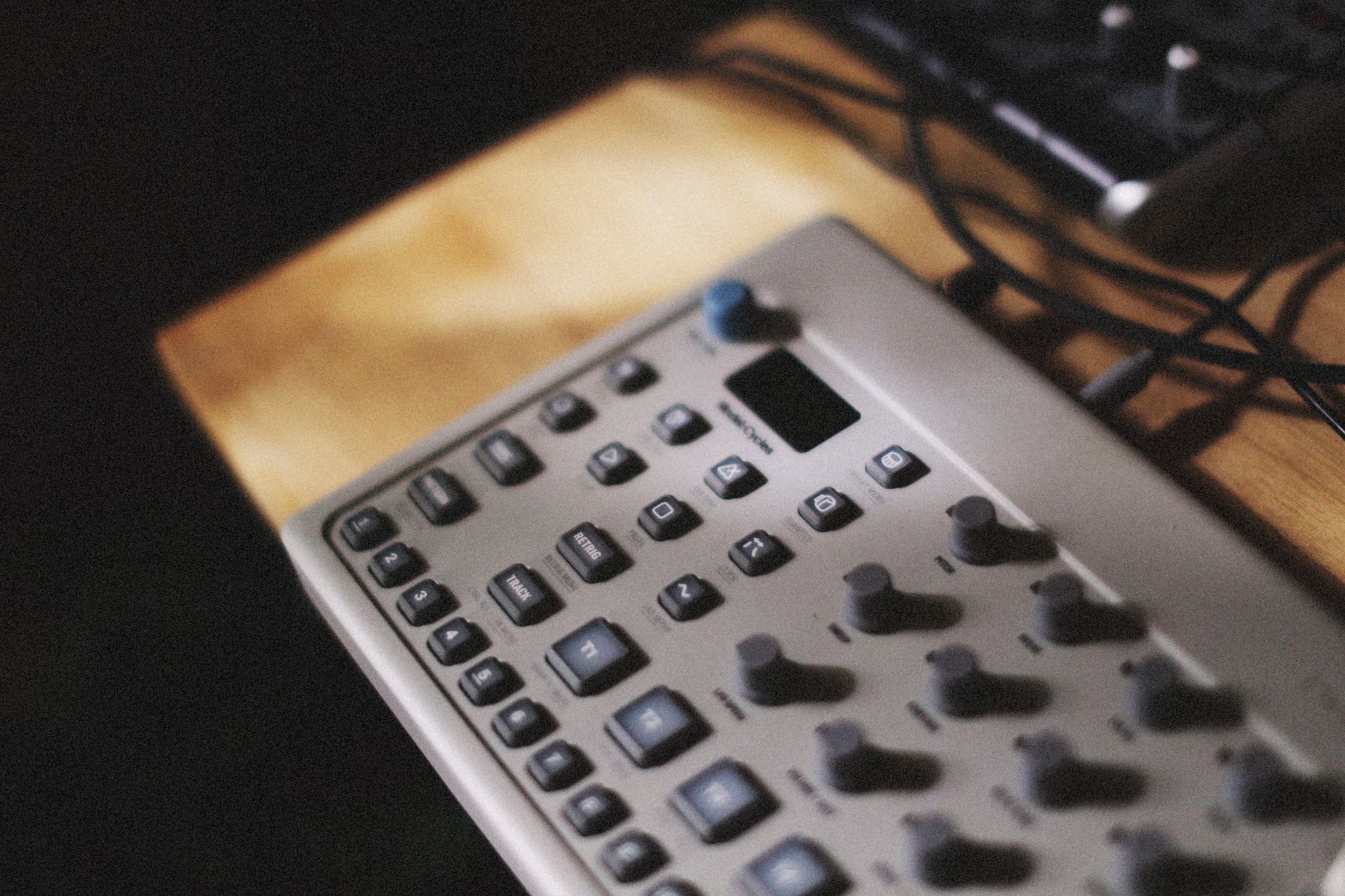 Photo: Alexey Demidov via Pexels
The Focusrite Scarlett Solo is the most direct competitor. Its preamp is good — the iD4 MkII’s is better, particularly above 40dB of gain where noise floors diverge. Scarlett’s advantage is Focusrite’s software bundle (Ableton Live Lite, Antelope plugins) which adds tangible value for beginners.
The MOTU M2 costs $20 more and gives you a second mic input plus loopback — if you need two mic channels, it’s the smarter buy.
Verdict by User Type
First-time beginner: Yes — the iD4 MkII is forgiving to set up, bus-powered, and sounds better than what most beginners expect at this price. The single mic input won’t feel limiting for your first year.
Bedroom producer (solo vocalist/guitarist): Strong recommendation. The preamp and headphone amp are genuine strengths for tracking and critical listening without powered monitors.
Gigging musician: Solid choice. Metal build, bus-powered, compact. Works reliably with iPad via USB-C adapter (Apple Camera Connection Kit) for mobile recording.
Prosumer / home studio upgrader: Look at the iD14 MkII instead — it adds ADAT expansion, more preamps, and a proper monitor controller for ~$100 more. The iD4 MkII is a ceiling for growing setups.
Who Should Skip It
If you record two vocalists, two instruments simultaneously, or run a podcast with two mics, the single mic input is a hard blocker — look at the Focusrite Scarlett 2i2 or MOTU M2. If you need MIDI I/O, it’s absent here. And if you’re deep in the Focusrite or Universal Audio software ecosystems, the switching cost matters.
→ See also:
- Best Audio Interfaces: The Complete Buyer’s Guide (2026)
- Best Audio Interface for Beginners (2026)
- Best Audio Interface Under $100
FAQ
Is the Audient iD4 MkII worth it in 2026? Yes, for solo recording. The preamp quality and headphone amplifier remain class-leading at the price point, and the USB-C update means it works natively with modern laptops and iPads. There’s no reason to expect a replacement model imminently based on Audient’s release cadence.
Does the Audient iD4 MkII need drivers? No. It operates as a class-compliant USB audio device on Mac, Windows, and iPad without installing drivers. Audient’s optional Console application unlocks software mixer routing and low-latency monitoring control, but recording works without it.
Can the iD4 MkII handle an SM7B or other low-output dynamic mics? Barely. The SM7B requires 60dB of gain for adequate level from most sources; the iD4 MkII offers 58dB. Published user reports confirm it works at maximum gain but sits close to the noise floor. A clean inline preamp like the Cloudlifter CL-1 resolves this if the SM7B is your primary mic.
What’s the difference between the iD4 MkII and the original iD4? The MkII adds USB-C (replacing USB-B), upgrades the headphone amplifier from 80mW to 110mW, and introduces the scrollable encoder for software control. The preamp topology is unchanged. If you own the original iD4, the upgrade is marginal unless you specifically need USB-C or better headphone drive.
How does the iD4 MkII perform for podcasting? For solo podcasters it’s an excellent choice — the preamp, headphone monitoring, and compact form factor suit the use case well. Two-person podcast setups need a different interface; the iD4 MkII has no second mic input.
Editorial methodology: Assessments are based on manufacturer specifications, published user reviews, and editorial research. Physical hands-on testing is noted explicitly where it occurred. Rankings reflect our editorial judgment and are not influenced by affiliate commission rates. Full editorial policy · Affiliate disclosure