Contents
Shure SM7B vs Shure MV7: Which Should You Buy?
TL;DR: The shure sm7b vs shure mv7 debate comes down to your setup. The MV7 is a plug-and-play USB/XLR hybrid built for podcasters and streamers who want great sound without an audio interface. The SM7B is a professional dynamic microphone that demands a clean, high-gain preamp — and rewards you with broadcast-grade audio that holds up in any studio context. Buy the MV7 if you’re starting out; buy the SM7B when you’re ready to invest in a proper signal chain.
Shure SM7B vs Shure MV7: The Core Difference
The SM7B is a professional broadcast dynamic microphone requiring an external preamp or audio interface with significant clean gain (typically 50–60 dB). The MV7 is a hybrid USB/XLR microphone with a built-in preamp designed to work directly with a computer. Same cardioid dynamic capsule lineage, fundamentally different use cases — the gap is in the signal chain, not just the price tag.
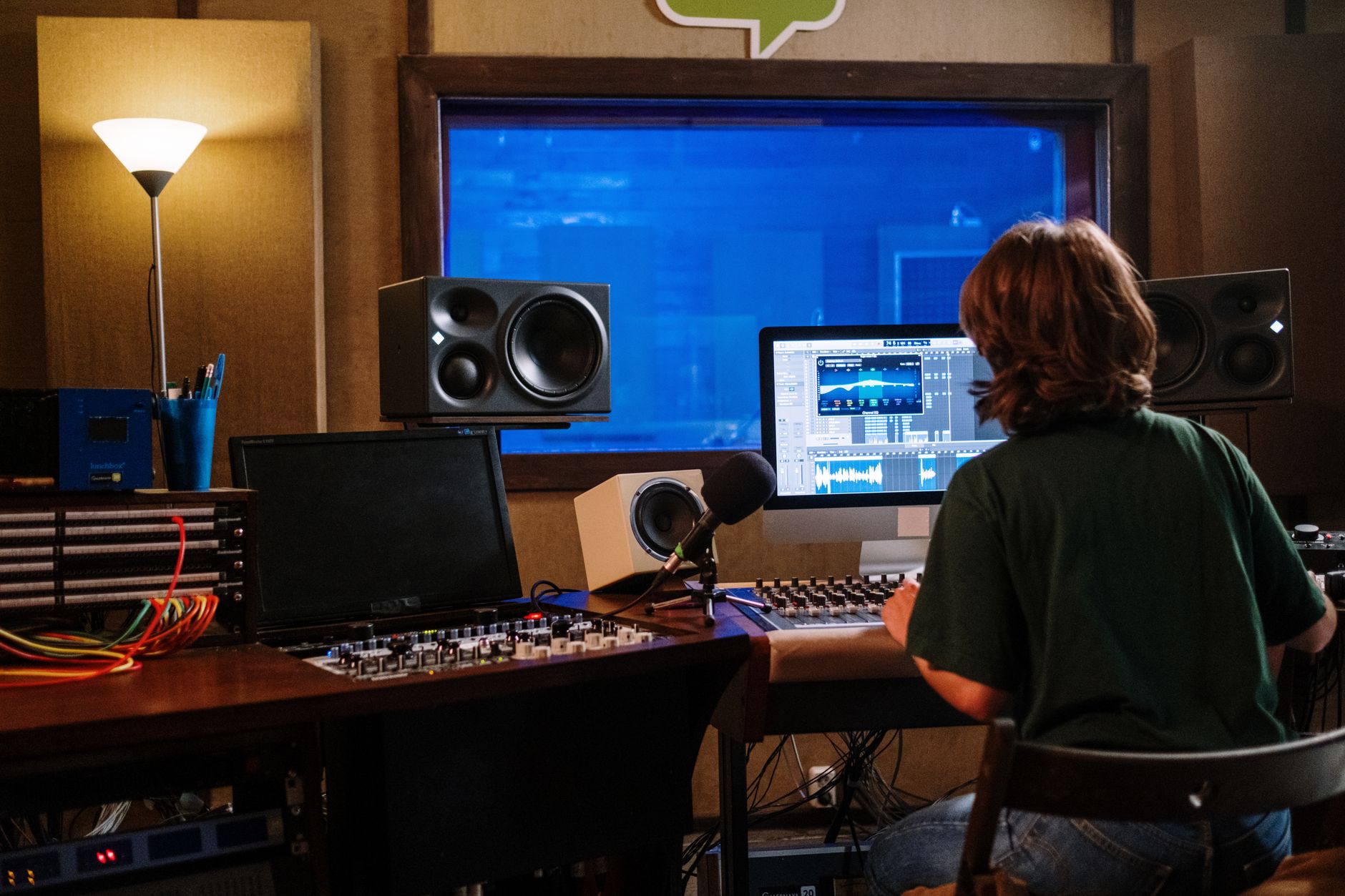
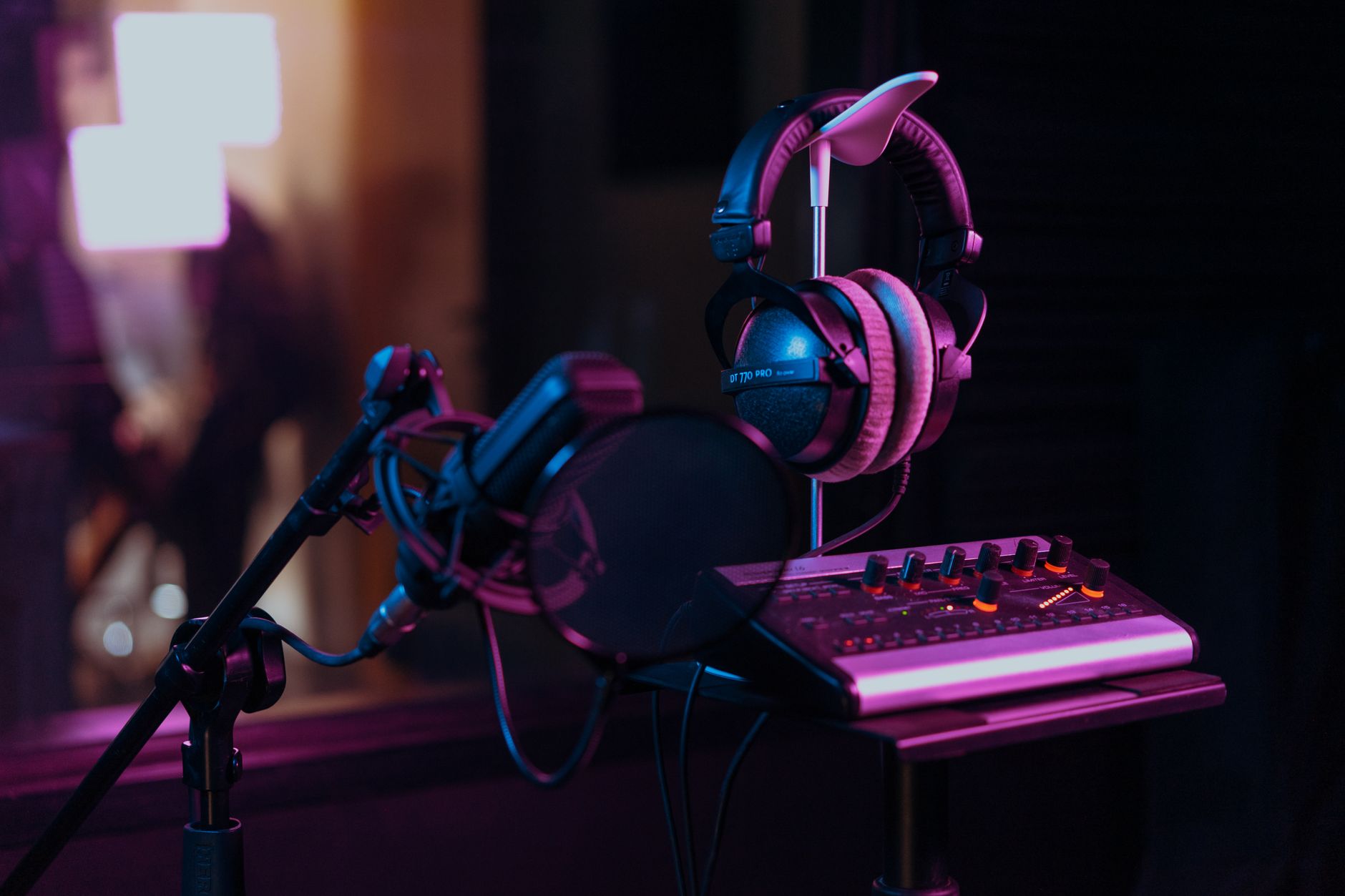 Photo: Los Muertos Crew via Pexels
Both microphones share Shure’s cardioid dynamic DNA, which means they reject background noise and room reflections effectively — a key reason both are popular in untreated home studios. But the SM7B’s output is notoriously low, around -59 dBV/Pa, which means underpowered preamps introduce audible hiss before the mic signal even arrives. The MV7 sidesteps this entirely with its onboard DSP and USB audio interface.
The price gap is real: the SM7B typically runs $399, while the MV7 sits around $249. That $150 difference doesn’t tell the full story — SM7B owners also need an interface like the Focusrite Scarlett 2i2 or a dedicated preamp booster like the Cloudlifter CL-1 to get clean gain.
Sound Quality: How Different Are They Actually?
Objectively, the SM7B has a more extended high-frequency response and a tighter, more controlled proximity effect. The MV7’s onboard DSP applies EQ curves and limiting internally, which produces a polished out-of-box sound but less raw headroom for post-processing. For podcasting and streaming, both sound excellent. For professional voiceover or music recording, the SM7B’s uncolored output is the better foundation.
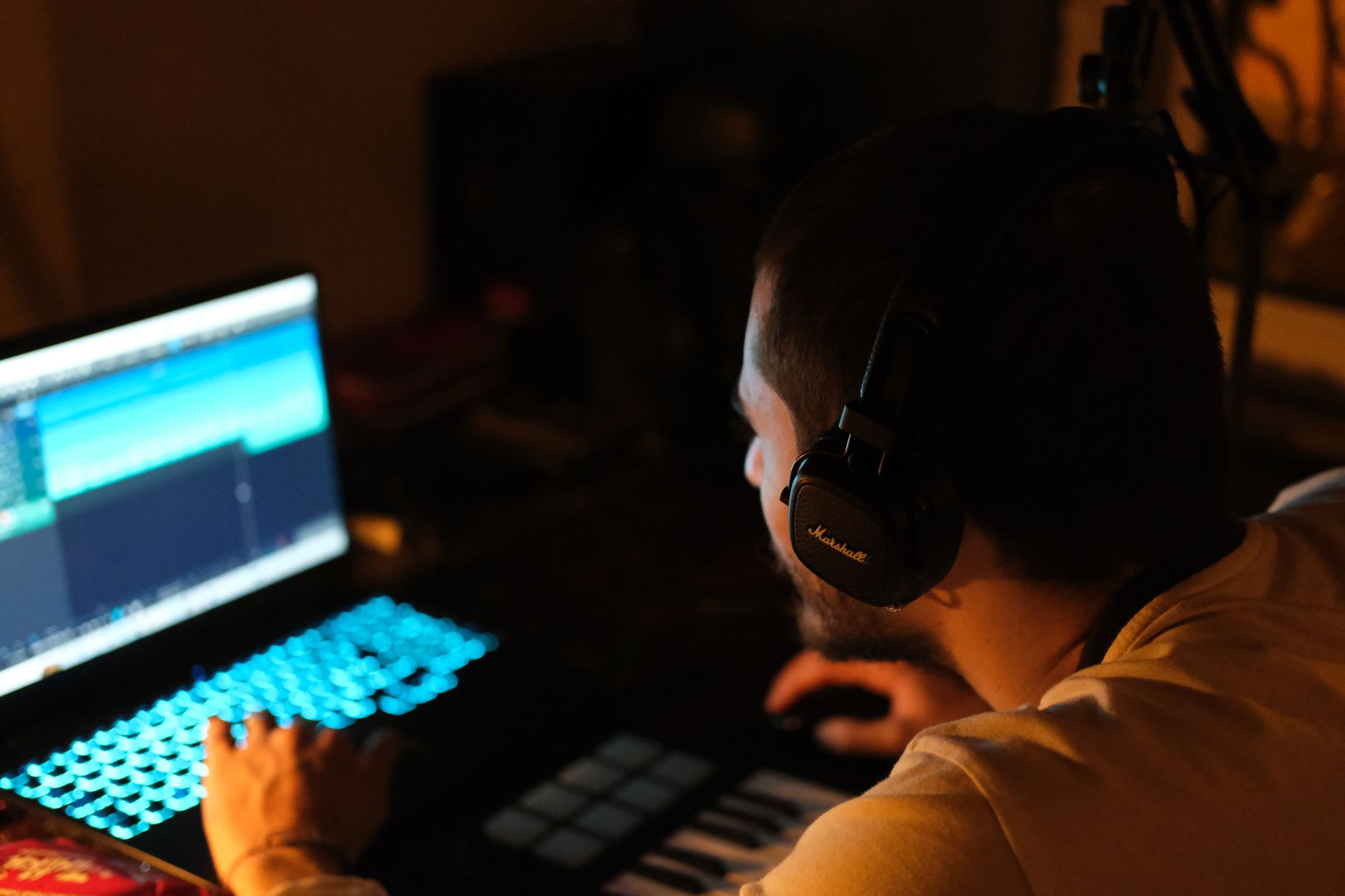
 Photo: cottonbro studio via Pexels
The SM7B’s flat midrange and gentle high-frequency lift give it a characteristic “radio voice” quality without forcing it — it’s the mic on Michael Jackson’s Thriller vocal sessions and countless broadcast booths for a reason. The MV7 applies a fixed high-pass filter and gentle presence boost via its ShurePlus MOTIV app, which sounds great but locks you into a processed starting point.
In published frequency response comparisons, the SM7B measures flatter between 100 Hz and 8 kHz, while the MV7 shows a more pronounced 5–8 kHz presence peak. For podcasting, that’s actually a feature — voices cut through mix and ambient noise more easily. For music production, that peak can create harshness on bright vocal tones.
One practical caveat: the SM7B’s low sensitivity makes preamp noise audible even at moderate gain settings on budget interfaces. Published testing data from audio engineering communities consistently shows the SM7B benefits from at least 60 dB of clean gain — the kind the Focusrite Scarlett Solo and basic interfaces don’t reliably provide without a gain booster in line.
Setup and Signal Chain Requirements
The MV7 connects via USB-C directly to any computer — zero additional hardware required. The SM7B uses XLR only and needs an audio interface or mixer with a high-headroom preamp. Budget an additional $100–$200 for a Focusrite Scarlett 2i2 or similar, plus optionally $150 for a Cloudlifter CL-1 if your interface struggles for gain.
 Photo: Nothing Ahead via Pexels
MV7 Setup
The MV7’s USB mode uses a 24-bit/48kHz internal converter with direct monitoring through its headphone jack. The ShurePlus MOTIV app on desktop provides EQ presets, gain control, and a high-pass filter toggle. Total setup time from box to recording: under five minutes.
Its XLR output is available simultaneously, which matters if you later want to run it through a hardware interface for better AD conversion. That dual-mode design gives the MV7 a useful upgrade path that a lot of competing USB mics lack entirely.
SM7B Setup
The SM7B requires: an XLR cable, an audio interface with phantom-free dynamic mic preamp, and sufficient clean gain. On the Focusrite Scarlett 2i2 (3rd gen or later), the SM7B requires near-maximum gain, which introduces measurable noise floor elevation on budget units. The universal solution is adding a Cloudlifter CL-1 or similar inline preamp booster, which adds +25 dB of clean gain and lets your interface operate at a more comfortable gain stage.
Running the SM7B through a dedicated broadcast mixer like the Rode RodeCaster Pro II simplifies the chain considerably — it’s built for high-gain dynamics and removes the noise floor issue entirely.
Specs Comparison
| Spec | Shure SM7B | Shure MV7 |
|---|---|---|
| Transducer type | Dynamic | Dynamic |
| Polar pattern | Cardioid | Cardioid |
| Frequency response | 50 Hz – 20 kHz | 50 Hz – 16 kHz |
| Output sensitivity | -59 dBV/Pa | -42 dBV/Pa (XLR) |
| Connections | XLR only | USB-C + XLR |
| Bit depth / Sample rate | N/A (analog) | 24-bit / 48 kHz (USB) |
| Built-in preamp | No | Yes (USB mode) |
| Onboard DSP / EQ | No | Yes (MOTIV app) |
| Built-in headphone monitoring | No | Yes |
| Weight | 765 g | 440 g |
| Price (approximate) | ~$399 | ~$249 |
Full Gear Comparison
| Product | Price | Key Spec | I/O | Best For | Verdict |
|---|---|---|---|---|---|
| Shure SM7B | ~$399 | -59 dBV/Pa, 50–20kHz | XLR only | Professional broadcast, studio vocals, music recording | Best long-term investment, needs proper interface |
| Shure MV7 | ~$249 | 24-bit/48kHz USB + XLR | USB-C + XLR | Podcasting, streaming, remote work, beginners | Best all-in-one solution, lowest barrier to entry |
Who Should Buy Each Microphone
Shure MV7 — Buy This If:
- You don’t own an audio interface and don’t plan to buy one
- Your primary use is podcasting, streaming, or video calls
- You want to be recording in minutes, not hours
- You’re on a combined budget under $300 for mic and setup
- You record on a laptop without dedicated audio hardware
The MV7 punches well above its price. According to user reviews across major audio communities, it’s consistently praised for delivering broadcast-quality sound with no interface, no drivers beyond plug-and-play, and no software beyond the optional MOTIV app.
Shure SM7B — Buy This If:
- You already own (or plan to buy) a quality audio interface
- You record vocals, voiceover, or instruments and need maximum post-processing flexibility
- You’re building a permanent home studio setup
- You want a microphone that will not become the bottleneck in a professional signal chain
- You value a flat frequency response for accurate monitoring and mixing
The SM7B’s total-cost-of-ownership is higher, but the ceiling is significantly higher too. It’s the industry standard in podcasting, broadcast, and home studio recording for a reason — its rejection of off-axis sound and low coloration make it reliable across a wide range of applications.
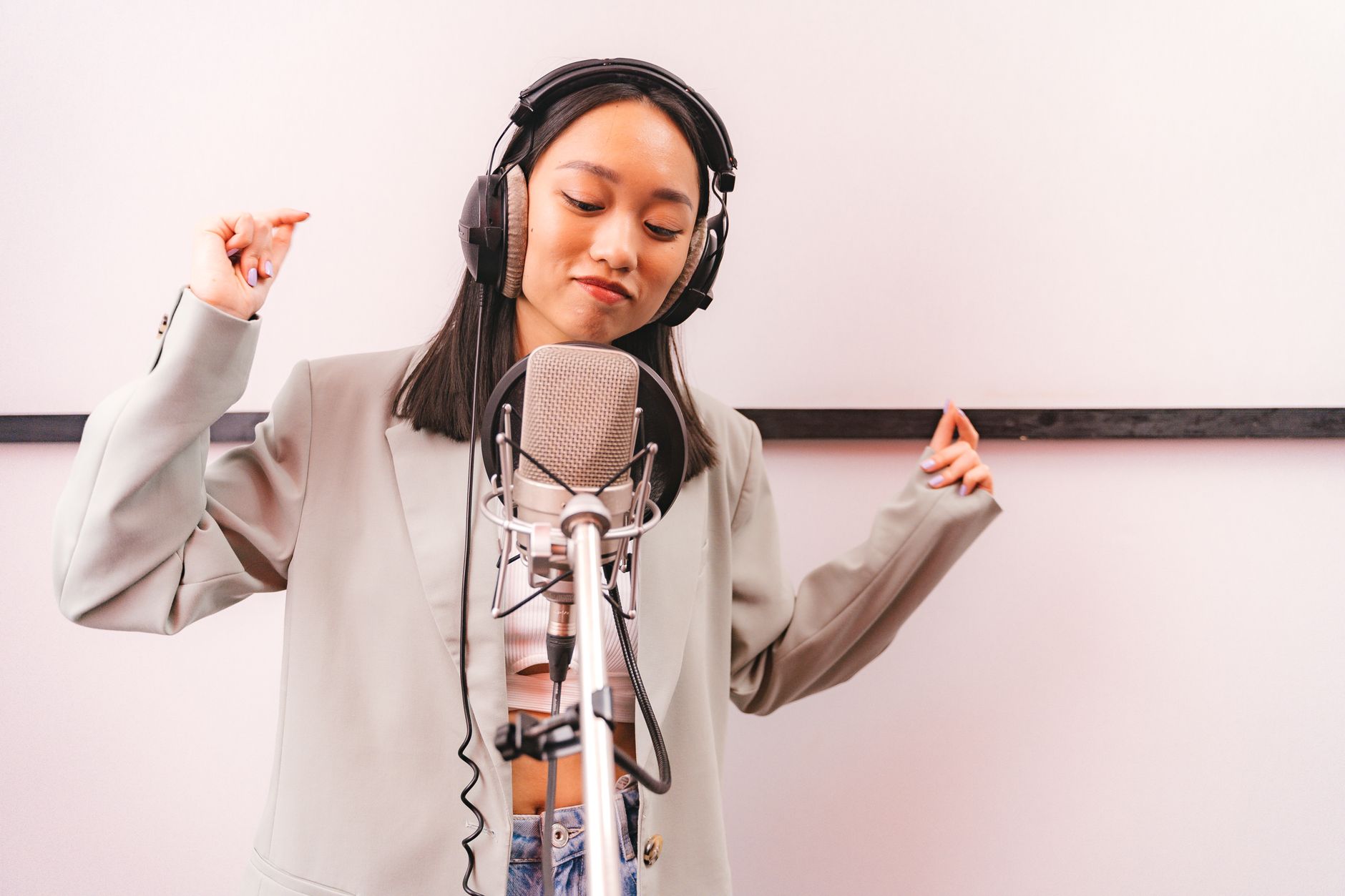
 Photo: dlxmedia.hu via Pexels
Verdict by User Archetype
First-time beginner: MV7. No interface needed, no gain-chain math, great sound day one.
Bedroom producer (recording voice + instruments): SM7B with a Focusrite Scarlett 2i2 or better. The XLR signal chain gives you proper headroom and multi-channel routing.
Podcaster / streamer on a budget: MV7. The USB mode with MOTIV app EQ presets handles 90% of use cases without any additional hardware investment.
Prosumer / working voice actor: SM7B, full stop. The flat response and controlled proximity effect give you the raw material that professional post-production requires.
→ See Also
- Focusrite Scarlett 2i2 vs Focusrite Scarlett Solo: Which Should You Buy?
- SSL 2 vs Focusrite Scarlett 2i2: Which Should You Buy?
FAQ
Is the Shure SM7B worth the extra cost over the MV7? If you already own an audio interface with sufficient clean gain, the SM7B delivers measurably better frequency extension, lower coloration, and more headroom for post-processing. If you don’t own an interface, the total cost difference grows to $250–$400 when you factor in the required hardware — at that point, the MV7’s all-in cost is more efficient for most home recording scenarios.
Can the Shure MV7 replace the SM7B in a professional context? For podcasting and streaming, published audio comparisons show the MV7 performing at a professional level. For studio vocal recording, voiceover, or broadcast environments where post-processing flexibility matters, the SM7B’s unprocessed XLR output and flatter response curve make it the stronger tool. The MV7’s onboard DSP, while convenient, limits raw signal quality.
Do I need a Cloudlifter for the Shure SM7B? Not always, but often. The SM7B’s -59 dBV/Pa output is among the lowest of any common broadcast microphone. Budget interfaces at near-maximum gain introduce audible noise. A Cloudlifter CL-1 or similar inline gain booster adds +25 dB of clean gain and lets your interface operate in its optimal gain range. Interfaces with dedicated air mode or high-gain preamps (Focusrite Scarlett 3rd gen or later, Universal Audio Volt series) handle the SM7B more cleanly without a booster.
Does the Shure MV7 work with podcasting apps like Riverside or Zencastr? Yes. The MV7 in USB mode appears as a standard USB audio device and works with every major recording and conferencing application without additional drivers. The ShurePlus MOTIV app is optional and enhances control but isn’t required for the microphone to function.
Which microphone handles background noise better? Both use cardioid dynamic capsules, which are inherently less sensitive than condenser microphones and reject off-axis sound effectively. According to manufacturer specifications, both have comparable rejection patterns. In practice, the SM7B’s lower sensitivity means it picks up less ambient room noise at the necessary gain levels — a meaningful advantage in home studios without acoustic treatment.
Can you use the Shure MV7 as an XLR microphone into an audio interface? Yes — the MV7 outputs XLR simultaneously with USB. Its XLR output sensitivity is -42 dBV/Pa, considerably higher than the SM7B’s, meaning it works cleanly on any standard interface without gain-boosting accessories. This makes the MV7 a legitimate upgrade path: start on USB, move to XLR later when you add interface hardware.
Editorial methodology: Assessments are based on manufacturer specifications, published user reviews, and editorial research. Physical hands-on testing is noted explicitly where it occurred. Rankings reflect our editorial judgment and are not influenced by affiliate commission rates. Full editorial policy · Affiliate disclosure