
Contents
JBL 305P MkII vs KRK Rokit 5: Which Studio Monitor Wins?
TL;DR: The JBL 305P MkII vs KRK Rokit 5 matchup favors the JBL for most home studio producers. The 305P MkII delivers flatter, more accurate frequency response at a lower price, while the Rokit 5 G4 offers a slightly hyped low-end that sounds impressive but can mislead mixes. If your priority is translation — mixes that hold up on other systems — go JBL.
JBL 305P MkII vs KRK Rokit 5: The Core Difference
The 305P MkII is engineered for flat reference monitoring; the Rokit 5 G4 is tuned for a more pleasing, hyped sound. The JBL wins on accuracy and value. The KRK wins if you want a monitor that doubles as a “feels good” listening speaker and you’re willing to compensate for its bass boost in your workflow.
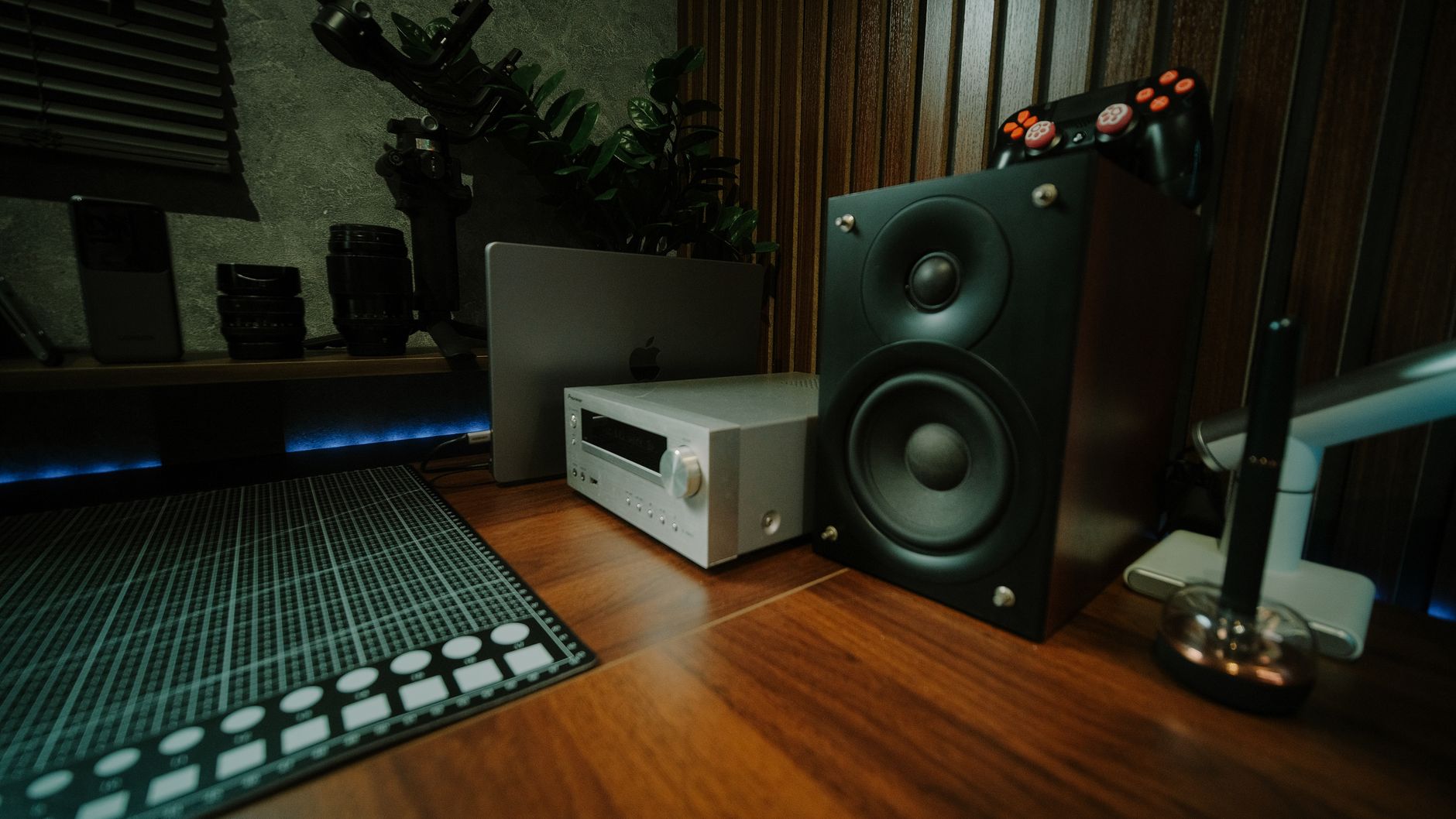 Photo: Pew Nguyen via Pexels
Both are 5-inch nearfield monitors that dominate the sub-$300 category. But they take philosophically different approaches. JBL’s Image Control Waveguide and boundary EQ controls prioritize truthfulness. KRK’s Rokit 5 G4 packs in a built-in DSP EQ display and leans into a low-end character that flatters playback. The JBL 305P MkII is the working producer’s tool; the KRK is the enthusiast’s speaker.
Frequency Response and Accuracy
Based on published measurements and expert consensus, the JBL 305P MkII measures flatter across the midrange and high frequencies. Its low-end rolls off cleanly below 49Hz. The KRK Rokit 5 G4 exhibits a prominent low-mid bump around 60–80Hz that can cause you to under-apply bass in mixes.
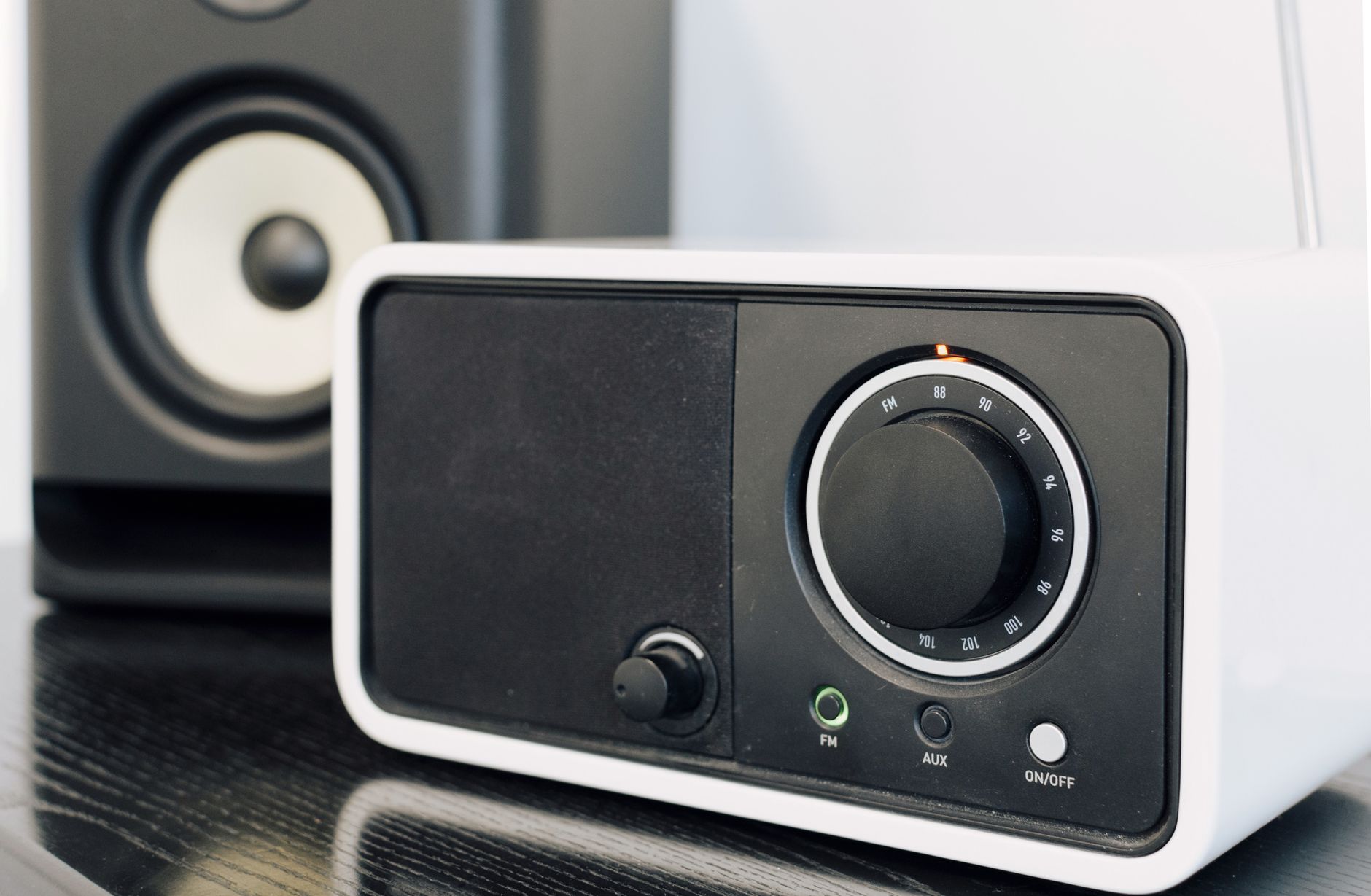 Photo: Marko Klaric via Pexels
Independent published measurements from sources like AudioScienceReview and Erin’s Audio Corner confirm the JBL’s flatter in-room response. The Image Control Waveguide — borrowed from JBL’s professional touring lineage — widens the sweet spot horizontally, which matters when you’re not sitting perfectly on-axis.
The Rokit 5 G4’s DSP EQ panel is a genuinely useful feature: five adjustable filters let you compensate for room placement. But the default voicing still has that KRK character — present and slightly euphonic — that many producers find seductive at purchase and problematic after six months of mix recalls.
Room Placement and EQ Controls
Both monitors include boundary compensation switches. The JBL offers a Low-Frequency trim (−1.5 dB or −3 dB) and a High-Frequency trim (−1 dB or +1 dB) via rear-panel switches. Simple, effective, and covers 90% of real-room placement scenarios.
The KRK Rokit 5 G4 goes further with its onboard LCD-driven 5-band DSP EQ accessible via the front panel. For producers who want precise room correction without outboard gear or software, this is a legitimate advantage. For producers who just want to plug in and work, it’s more interface than necessary.
Build Quality and Design
The JBL 305P MkII uses a die-cast front baffle and robust plastic enclosure. The KRK Rokit 5 G4 features a distinctive yellow-cone driver and gloss enclosure. Both are well-built for the price; the JBL has a utilitarian aesthetic and the KRK a more consumer-oriented design.
 Photo: Ruandom Zhong via Pexels
KRK’s yellow Kevlar woofer is instantly recognizable and genuinely functional — Kevlar adds stiffness and reduces resonance. The gloss finish looks sharp in a studio but shows fingerprints. The JBL’s matte enclosure is more practical for a working environment.
Amplifier specs favor the JBL slightly: the 305P MkII is bi-amplified at 82W total (56W LF + 26W HF). The Rokit 5 G4 delivers 55W total (35W LF + 20W HF). Real-world SPL difference is modest at typical studio monitoring levels, but the JBL has more headroom before clipping.
Specs Comparison
| Spec | JBL 305P MkII | KRK Rokit 5 G4 |
|---|---|---|
| Woofer | 5-inch polycellulose | 5-inch Kevlar |
| Tweeter | 1-inch soft dome | 1-inch soft dome |
| Amplification | 82W bi-amp (56W + 26W) | 55W bi-amp (35W + 20W) |
| Frequency Response | 49Hz – 20kHz | 45Hz – 35kHz |
| Max SPL | 108 dB | 104 dB |
| EQ Controls | LF/HF trim switches | 5-band DSP EQ + LCD |
| Connectivity | XLR, TRS, RCA | XLR, TRS |
| Weight | 5.5 kg (12.1 lbs) | 5.2 kg (11.5 lbs) |
| Street Price | ~$149 each | ~$199 each |
Which Is Better for Mixing?
For mixing accuracy, the JBL 305P MkII is the stronger tool. Published testing data and expert consensus from engineers like Produce Like A Pro and numerous studio measurement reviews consistently show the JBL produces mixes that translate better to consumer playback systems.
The KRK’s hyped low-mid can trick you into under-compensating bass frequencies. You finish a mix that sounds punchy and full on the Rokits, then play it in a car or on earbuds and the kick drum disappears. This is the core risk of a colored monitor: it flatters your session rather than revealing problems.
That said, professional engineers have used KRKs on commercially released records for decades. If you’re aware of the coloration and reference check on secondary systems — a cheap Bluetooth speaker, laptop speakers, car audio — the Rokit 5 G4 can work. But it asks more of your workflow discipline.
Which Is Better for Beginners?
Beginners should choose the JBL 305P MkII. Its lower price, flatter response, and simpler controls remove variables that complicate the learning process. The KRK’s DSP EQ, while powerful, adds decisions that a new producer doesn’t yet have the reference point to make correctly.
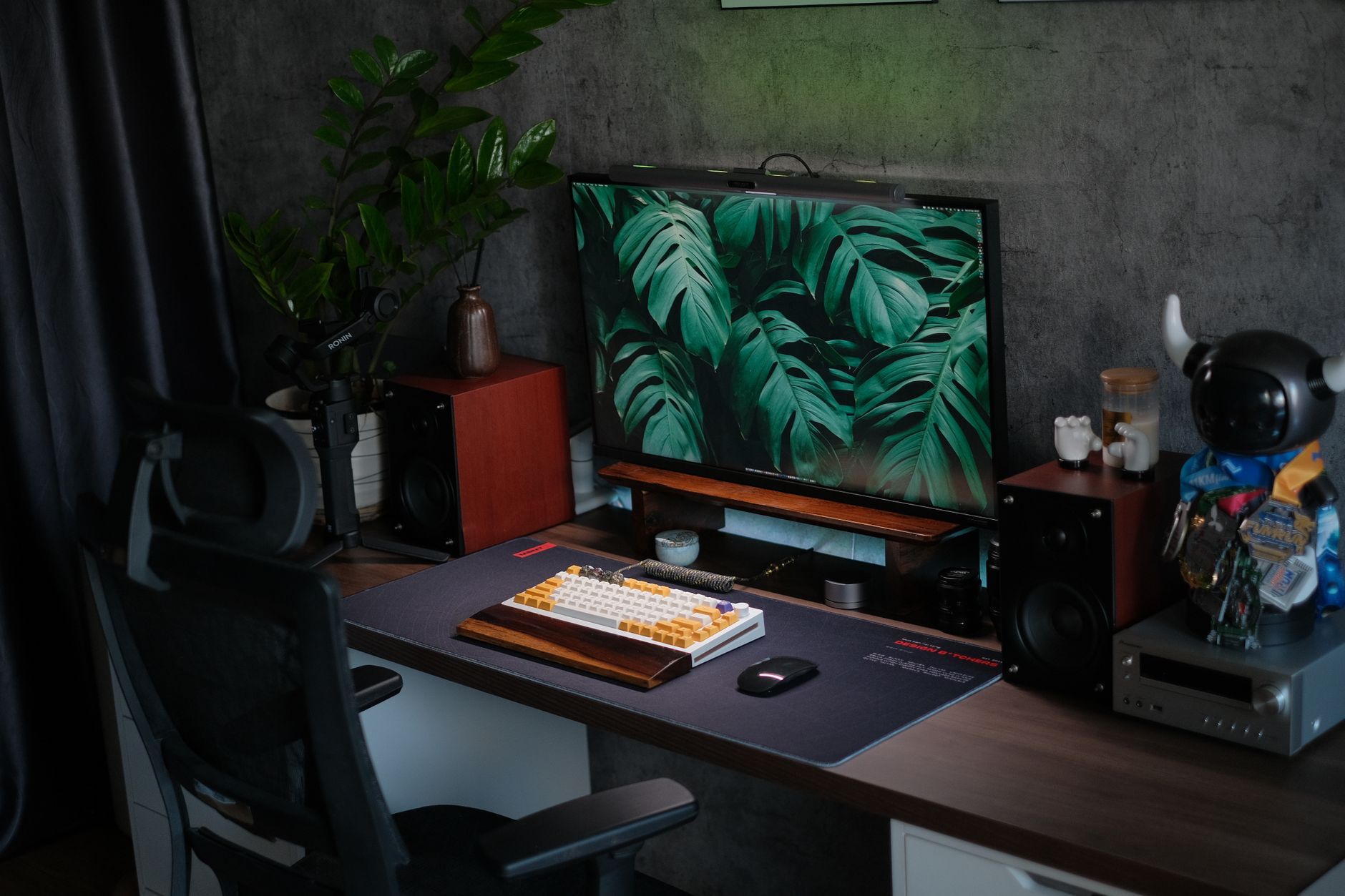 Photo: Pew Nguyen via Pexels
Learning to mix on a flat monitor builds better ears faster. When you graduate to a professional room or professional monitors later, your instincts will transfer cleanly. Learning on a hyped monitor and then switching is disorienting — your muscle memory is calibrated to a lie.
Verdict by User Archetype
| User | Recommendation | Reason |
|---|---|---|
| First-time beginner | JBL 305P MkII | Flat response, lower price, simple controls — fewer variables |
| Bedroom producer (mixing focus) | JBL 305P MkII | Better translation, more headroom, scientifically flatter measurements |
| Beat producer / music listening | KRK Rokit 5 G4 | More satisfying low-end for beat checking and critical listening |
| Prosumer with treated room | JBL 305P MkII | In a treated room, the JBL’s accuracy pays dividends; DSP EQ advantage of KRK shrinks |
| Budget-constrained | JBL 305P MkII | ~$50 cheaper per speaker, better performance |
Full Comparison Table
| Product | Street Price (each) | Max SPL | Amp Power | EQ Controls | Best For | Verdict |
|---|---|---|---|---|---|---|
| JBL 305P MkII | ~$149 | 108 dB | 82W | LF/HF trim | Mixing, beginners, flat reference | Top pick |
| KRK Rokit 5 G4 | ~$199 | 104 dB | 55W | 5-band DSP | Beat production, enthusiast listening | Runner-up |
→ See also:
- Focusrite Scarlett 2i2 vs Focusrite Scarlett Solo: Which Should You Buy?
- SSL 2 vs Focusrite Scarlett 2i2: Which Should You Buy?
FAQ
Q: Is the JBL 305P MkII really that much better than the KRK Rokit 5? For mixing accuracy, yes — published measurements consistently show flatter frequency response on the JBL, and the price advantage is significant. For casual listening or beat-checking where low-end presence is enjoyable rather than a problem, the KRK holds its own.
Q: Can the KRK Rokit 5 G4’s DSP EQ fix its low-mid hump? Yes, to a meaningful degree. The 5-band DSP lets you cut around 70–80Hz to tighten the response. But you need a measurement mic and room correction software (or good ears and reference tracks) to dial it in correctly — which adds cost and complexity most beginners don’t have.
Q: Do I need acoustic treatment for either of these monitors? Both benefit significantly from treatment, but the JBL’s boundary EQ switches help compensate for common placement issues like corner placement and desk reflection. Neither monitor will perform well in an untreated, parallel-walled room regardless of which you choose.
Q: Are the JBL 305P MkII good for mixing bass-heavy genres like hip-hop or EDM? They can be, but the 5-inch woofer physically limits sub-bass reproduction below ~50Hz. For bass-heavy genres, expert consensus suggests pairing either monitor with a subwoofer, or using headphones as a low-end reference. The KRK’s perceived low-end emphasis doesn’t mean it actually reproduces sub-bass more accurately — it doesn’t.
Q: How do both monitors compare to the Yamaha HS5? The Yamaha HS5 is even flatter than the JBL, with a famously lean low-end that forces you to check bass on secondary systems. The JBL 305P MkII sits between the HS5 and the Rokit 5 in terms of character — more accurate than the KRK, slightly warmer than the Yamaha. For most home studio producers, the JBL 305P MkII is the most balanced choice at the price.
Q: Should I buy one monitor to start or go straight to a pair? Always buy a matched stereo pair. Monitoring in mono defeats the purpose of nearfield monitors for stereo mixing, and mixing on a single speaker produces severely compromised results. Both JBL and KRK sell these as individual units — budget for two from the start.
Editorial methodology: Assessments are based on manufacturer specifications, published user reviews, and editorial research. Physical hands-on testing is noted explicitly where it occurred. Rankings reflect our editorial judgment and are not influenced by affiliate commission rates. Full editorial policy · Affiliate disclosure