Contents
AKG K240 Studio Review (2026): Still Worth It?
TL;DR: The AKG K240 Studio delivers accurate, semi-open soundstage and flat frequency response at a price that undercuts most studio headphones. It’s the default recommendation for tracking vocalists and casual mixing on a budget — not for commuting or bass-heavy monitoring. Best value under $75.
AKG K240 Studio Review: What You’re Actually Getting
The K240 Studio is a 55-ohm semi-open back headphone tuned for flat reference monitoring. It reproduces the 15Hz–25kHz range with minimal coloration, sits comfortably for long sessions, and costs roughly $70 street price. For that money, nothing in this price range comes close on frequency accuracy.
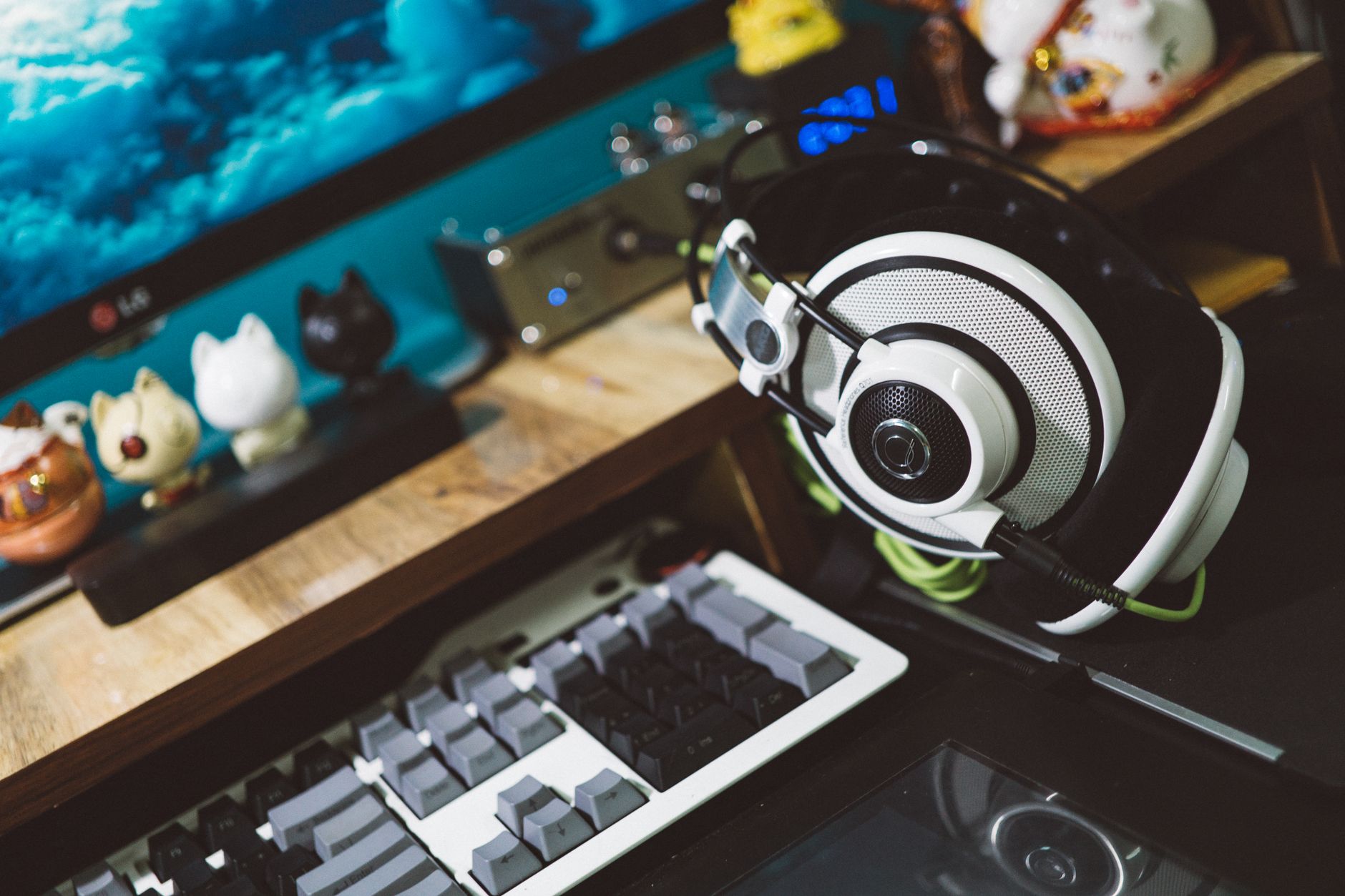 Photo: FOX ^.ᆽ.^= ∫ via Pexels
The AKG K240 Studio has been in production in various forms since the 1970s, and the current version maintains the same core design: varimotion diaphragm, self-adjusting headband, velour ear pads. It’s 55 ohms — driveable from most audio interfaces without a dedicated headphone amp, though you’ll notice more headroom with one.
Semi-open means you get the spaciousness of an open-back without bleeding sound into a microphone from six feet away. It’s not sealed enough for tracking loud sources, but for tracking acoustic guitar, piano, or vocals in a quiet room it performs reliably.
Build and Comfort
The plastic-heavy construction is the most common complaint, and it’s fair. The K240 doesn’t feel $200. But the self-adjusting headband genuinely works — no manual fit adjustment — and the velour pads reduce ear fatigue on three- to four-hour sessions in a way that leather alternatives don’t.
Cable is detachable (3.5mm locking connector, 3m coiled cable included), which matters for longevity. Replacement pads and cables are widely stocked.
 Photo: William Bradshaw via Pexels
Sound Signature
Frequency response is the core argument for the K240. Published measurements show a notably flat mid-range from 200Hz to 5kHz, with a mild dip around 3kHz that keeps it from sounding harsh during long mixing sessions. The high-end rolls off gently above 15kHz — present but not hyped.
Bass extends to around 30Hz in practice. It’s tight and accurate rather than emphasized. Producers coming from consumer headphones find this underwhelming at first; after an adjustment period, mixes translated better to speakers.
The semi-open design produces a natural stereo image. Placement and reverb decisions are easier to make than on closed-back alternatives at the same price, where the soundstage compresses.
Who Should Buy the AKG K240 Studio
The K240 suits tracking, casual reference mixing, and long editing sessions. It’s not for commuting, gym use, or anyone who needs full isolation. If you’re producing sub-heavy music and your room isn’t treated, you’ll misread bass on these just as you would on speakers.
 Photo: Nihongraphy via Pexels
Verdict by Archetype
| User | Recommendation |
|---|---|
| First-time beginner | Strong buy — affordable entry to flat monitoring |
| Bedroom producer | Good for tracking and rough mixing; upgrade for final mix |
| Gigging musician | Not suitable — no isolation, too large for live use |
| Prosumer engineer | Secondary pair for tracking; primary mixing on open-backs or nearfields |
Specs
| Spec | Value |
|---|---|
| Type | Semi-open, circumaural |
| Driver size | 30mm, varimotion |
| Impedance | 55Ω |
| Sensitivity | 91 dB SPL/V |
| Frequency response | 15Hz – 25kHz |
| Cable | 3m coiled, detachable (3.5mm locking) |
| Weight | 240g (without cable) |
| Adapter | 6.3mm screw adapter included |
How It Compares
| Headphone | Price | Type | Impedance | Best For | Verdict |
|---|---|---|---|---|---|
| AKG K240 Studio | ~$70 | Semi-open | 55Ω | Tracking, budget mixing | Best value under $75 |
| Sony MDR-7506 | ~$100 | Closed-back | 63Ω | Tracking, broadcast | Better isolation, tighter bass |
| Audio-Technica ATH-M40x | ~$100 | Closed-back | 35Ω | Portable, tracking | Easier to drive, more coloration |
| Sennheiser HD 280 Pro | ~$100 | Closed-back | 64Ω | Loud tracking sessions | Most isolation, less natural image |
| Beyerdynamic DT 990 Pro | ~$150 | Open-back | 250Ω | Mixing, mastering | Better soundstage, needs amp |
The K240 is the only semi-open option in this tier. If isolation is the primary requirement, the MDR-7506 is the cleaner answer. If soundstage is the priority and budget allows, the DT 990 Pro at 250Ω is a meaningful step up — but you’ll need a headphone amp.
 Photo: Eren Li via Pexels
What It Gets Wrong
The 3kHz dip can mask sibilance problems. Vocals mixed on the K240 occasionally emerge too bright on other playback systems. Cross-referencing on a second pair or consumer earbuds before finalizing a mix is advisable.
Low-end accuracy is good by the standard of this price bracket, but the semi-open design means more ambient noise bleeds into the cup than with a sealed headphone. In a loud tracking room, this causes problems.
The stock coiled cable is stiff and slow to uncoil in cold rooms. Third-party straight cables are available and widely used.
→ See also
- Best Studio Headphones for Home Recording (2026) — full ranked guide across all budgets
- Best Studio Headphones Under $100 — direct comparison class
- Best Headphones for Music Production — workflow-focused picks by genre and use case
FAQ
Is the AKG K240 Studio good for mixing? It’s adequate for rough mixing and arrangement decisions, particularly in the mids. The semi-open soundstage helps with stereo placement, but the 3kHz dip can obscure sibilance. Most engineers use it as a secondary reference rather than a primary mix tool.
Does the AKG K240 Studio need an amplifier? At 55 ohms and 91dB sensitivity, it runs adequately from most audio interface headphone outputs. A dedicated headphone amp improves dynamics and control at the bottom end, but it’s not a requirement the way it is for 250Ω or 600Ω cans.
What’s the difference between the AKG K240 Studio and K240 MKII? The MKII adds a second set of ear pads (closed-back leatherette in addition to open velour), a higher-output variant, and minor driver refinements. Street prices overlap. The Studio is the better value if you won’t use the leatherette pads; the MKII is worth the marginal premium if you want the isolation option.
How long do the AKG K240 ear pads last? Manufacturer documentation suggests replacement every 1–2 years with daily use. Velour pads flatten and lose seal over time. Genuine AKG replacement pads are available; third-party alternatives are widely reviewed as compatible. This is a common maintenance cost to factor in.
Is the AKG K240 Studio good for gaming? The semi-open design and accurate imaging make positional audio clear, and the comfort holds up over long sessions. It doesn’t have the bass emphasis that gaming headsets artificially add, which some players find flat. For anyone who prefers accuracy over enhanced boom, it’s a reasonable option.
Editorial methodology: Assessments are based on manufacturer specifications, published user reviews, and editorial research. Physical hands-on testing is noted explicitly where it occurred. Rankings reflect our editorial judgment and are not influenced by affiliate commission rates. Full editorial policy · Affiliate disclosure